No matter how strong your roof is, it is inevitable that it will need repairs at some point or another. Whether it’s a minor leak or extensive damage, prompt roof repairs are essential for maintaining the overall health of your roof and home. If you’re a homeowner dealing with roof damage, there are a lot of things you need to manage, including:
- Understanding the signs that indicate the need for roof repair
- The associated cost
- Choosing between a DIY approach or hiring a professional roofing contractor
Ready to better maintain the health of your roof?
We’re here to help you get on the right track, answering all of your questions from “How much does a roof repair cost?” to “How do I know my roof is damaged?”
Keep reading to become an expert!
Signs You May Need a Roof Repair
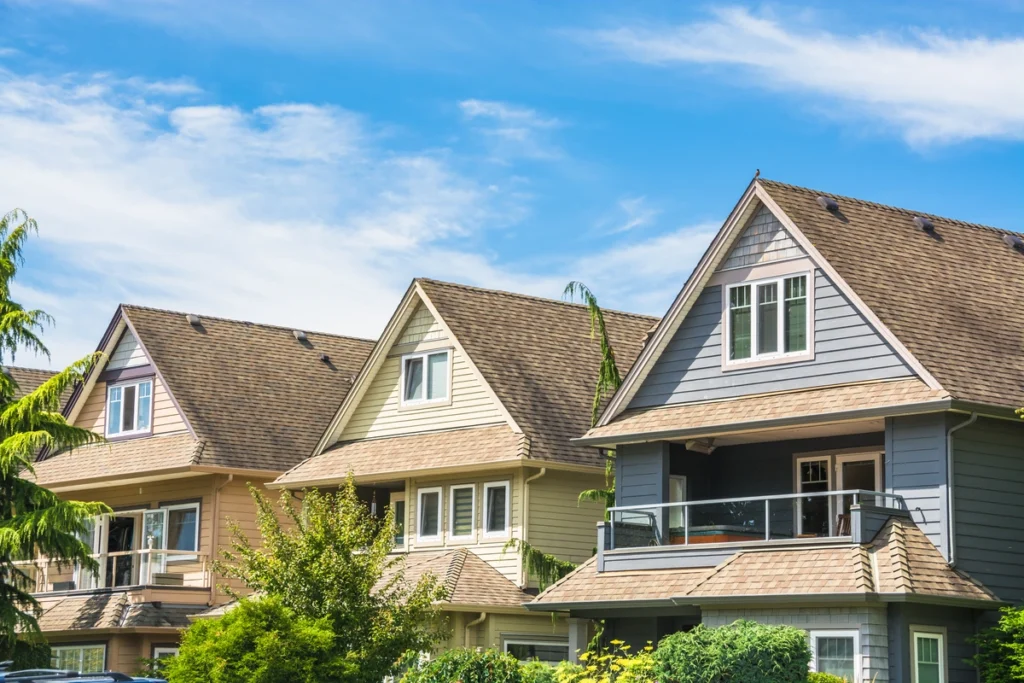
Before diving into the cost aspect, it’s crucial to recognize the signs that may indicate your roof requires attention. Identifying problems early can prevent further damage and potentially reduce repair expenses. Here are some common signs that you may need a roof repair:
- Leakage: One of the most apparent signs of roof issues is water leaks. If you notice water stains on your ceiling or walls, it’s essential to address the problem promptly to prevent structural damage and mold growth.
- Damaged Shingles: Inspect your roof for missing, cracked, or curling shingles. Damaged shingles can expose your roof’s underlying structure to moisture and cause leaks.
- Aging: Roofs have a finite lifespan, and as they age, they become more susceptible to damage. If your roof is approaching or has exceeded its expected lifespan, it’s wise to consider repairs or a full replacement.
- Moss and Algae Growth: The growth of moss, algae, or lichen on your roof can indicate moisture retention, which can lead to deterioration over time.
- Sagging or Drooping Roof Deck: A sagging roof deck suggests structural problems that require immediate attention. This issue can be particularly dangerous, so don’t delay in seeking professional help.
- Granule Loss: Check your gutters for an excess buildup of granules from asphalt shingles. Granule loss can indicate shingle wear and a potential need for repair.
- Flashing Damage: Damaged or deteriorated flashing around chimneys, vents, and skylights can allow water to enter your home. Regularly inspect these areas for signs of wear and tear.
How Much Does Roof Repair Cost?
The cost of roof repair can vary significantly based on several factors, including the extent of damage, the roofing materials used, and your location. While it’s challenging to provide an exact figure without an inspection, we can provide a rough estimate for common repair scenarios:
Small Repairs:
Minor issues like a few missing or damaged shingles can cost between $100 and $500 to repair. These are typically the least expensive repairs.
Moderate Repairs:
If your roof requires more extensive work, such as repairing a section of damaged decking or addressing multiple damaged shingles, you can expect to pay anywhere from $500 to $1,500.
Major Repairs:
Extensive damage, such as widespread leaks or structural issues, can escalate the cost to $2,000 or more. In some cases, major repairs may even approach the cost of a roof replacement.
Roof Replacement:
If your roof is in such poor condition that repairs are not cost-effective or if it has reached the end of its lifespan, a full roof replacement may be necessary. Roof replacement costs vary widely but can range from $5,000 to $15,000 or more, depending on materials and size.
It’s crucial to remember that these are rough estimates, and actual costs can vary widely. Additionally, labor costs, material prices, and local factors can influence the final bill. To get an accurate assessment of your roof repair costs, it’s best to obtain quotes from reputable roofing contractors.
Is It Worth It to DIY Your Roof Repair?
While some homeowners are skilled and confident enough to tackle minor roof repairs themselves, it’s essential to consider the risks and benefits before deciding to DIY. Here are some factors to keep in mind:
Benefits of DIY Roof Repair:
- Cost Savings: DIY roof repair can save you money on labor costs if you have the necessary skills and tools.
- Immediate Action: You can address minor issues promptly, preventing them from worsening and potentially saving on future repair costs.
- Control: You have full control over the repair process and can ensure that it meets your standards.
Risks and Challenges of DIY Roof Repair:
- Safety: Roof work can be dangerous, and falling from a height can result in severe injuries or even fatalities. Professional roofers are trained to work safely on roofs.
- Inadequate Repairs: If you lack experience, you may not correctly identify or address the underlying issue, leading to a temporary fix that doesn’t solve the problem.
- Warranty Concerns: DIY repairs may void any existing roofing warranties, which could leave you responsible for future issues.
- Time and Effort: Roof repairs can be time-consuming and physically demanding, especially for larger projects.
Given these factors, it’s generally advisable to consult with a professional roofing contractor for any significant repairs or if you’re unsure of your DIY skills. Safety should always be the top priority, and professionals have the training and expertise to ensure a durable and long-lasting repair.
How to Find a Qualified Roofing Contractor
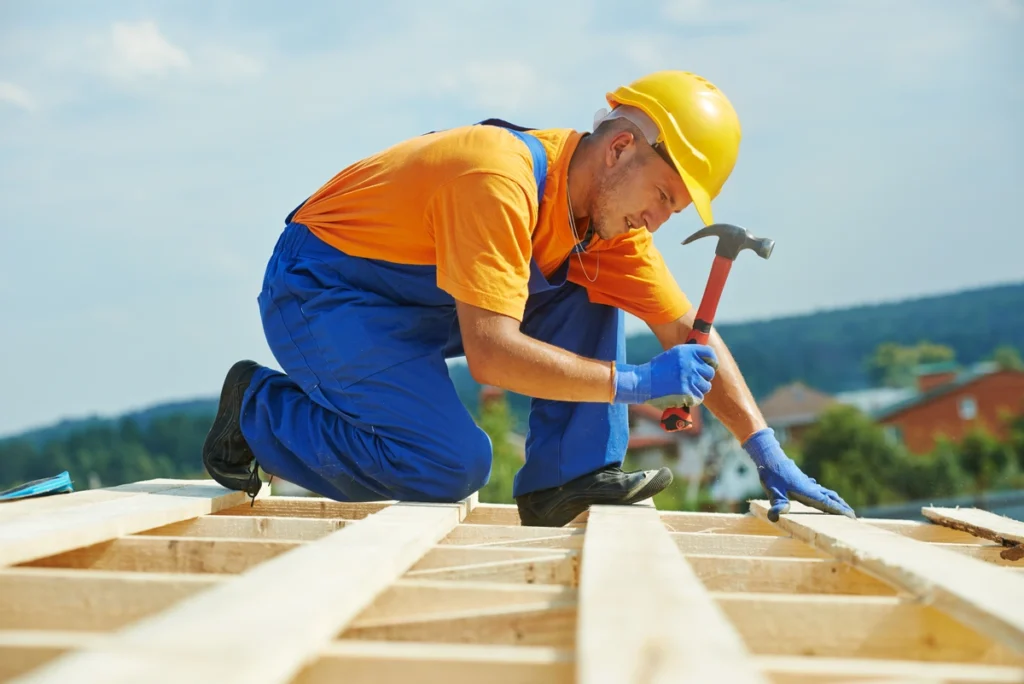
When it comes to roof repairs, hiring the right roofing contractor is crucial to ensure the job is done correctly and at a fair price. Here are steps to help you find a qualified roofing contractor:
- Ask for Recommendations: Start by asking friends, family, neighbors, or coworkers for recommendations. Personal referrals can provide valuable insights into the quality of a contractor’s work.
- Research Online: Use online resources, such as review websites and social media platforms, to research local roofing contractors. Look for positive reviews and check for any complaints or red flags.
- Check Credentials: Verify that the contractor is licensed, bonded, and insured. This provides you with protection in case of accidents or subpar workmanship.
- Request Multiple Quotes: Contact several roofing contractors to provide estimates for your repair project. This will help you compare prices and assess the scope of the work required.
- Ask for References: Request references from the contractor and follow up by contacting past clients to inquire about their experiences with the company.
- Review the Contract: Carefully review the contract provided by the contractor. Ensure that all details, including materials, labor costs, and timelines, are clearly outlined.
- Warranty and Guarantee: Inquire about the warranty or guarantee offered on the repair work. A reputable contractor should stand behind their workmanship.
- Communication: Choose a contractor who communicates effectively and is willing to address your questions and concerns throughout the project.
- Local Experience: Select a roofing contractor with local experience and knowledge of regional weather conditions and building codes.
- Payment Terms: Avoid contractors who demand full payment upfront. A reasonable payment schedule should be established in the contract.
Get a Professional Roof Inspection
Solving your roofing issues starts with a thorough roof inspection from a qualified contractor. At Open Box Roofing, we have the expertise you need to get your roof back to where you want it to be. Contact our team today to get started!