Blog

Engineered Wood Siding vs Fiber Cement (4 Considerations)

Choosing the right siding for your home is a crucial decision. It not only affects the aesthetic appeal of your property but also plays a significant role in its durability and maintenance requirements. Among the plethora of siding options available, two popular choices are engineered wood siding and fiber cement siding.

But when it comes to engineered wood siding vs. fiber cement, which one is the best choice for your home? We’re here to break it down in this guide, delving into the:

What is Engineered Wood Siding?

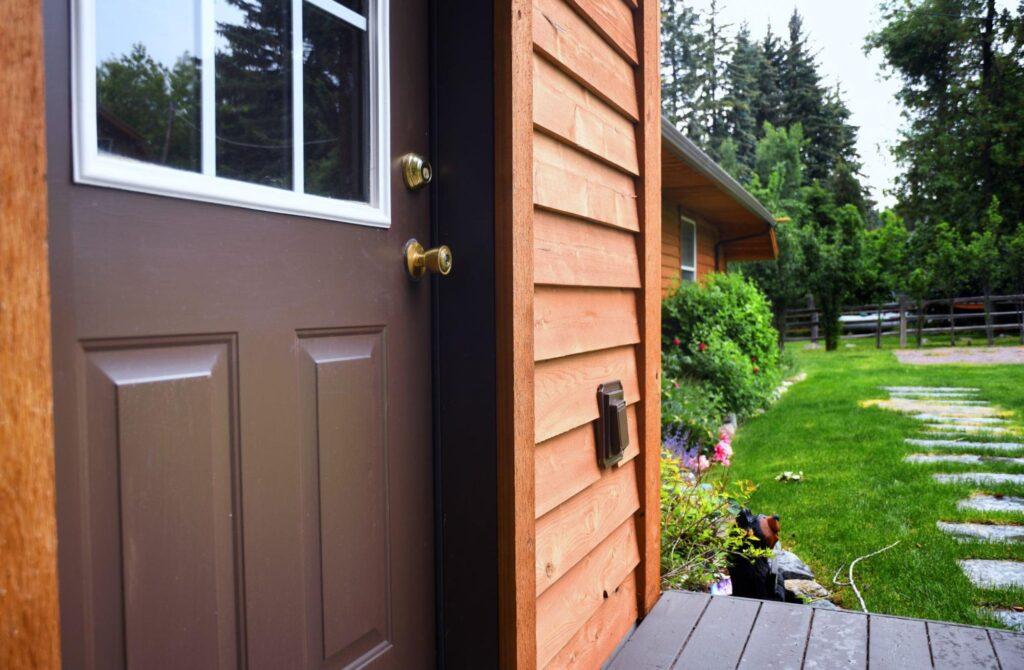
close view of engineered wood siding

Engineered wood siding, also known as composite wood siding, is a manufactured product made from wood strands, fibers, or particles bonded together with adhesives and resins. This type of siding mimics the appearance of traditional wood siding but offers improved durability and resistance to decay, insects, and moisture. It’s available in various styles, including clapboard, shingle, and panel designs, providing homeowners with versatile options to suit their preferences.

Pros of Engineered Wood Siding:

  • Aesthetic Appeal: Engineered wood siding replicates the natural beauty of wood, offering an authentic and timeless look to your home’s exterior.
  • Durability: Unlike traditional wood siding, engineered wood is less susceptible to rot, decay, and insect damage, thanks to its manufacturing process and protective coatings.
  • Cost-Effective: Engineered wood siding typically costs less than fiber cement and natural wood siding options, making it an attractive choice for budget-conscious homeowners.
  • Easy Installation: Engineered wood siding is lightweight and easy to install, reducing labor costs and installation time compared to heavier materials like fiber cement.
  • Low Maintenance: With minimal upkeep requirements, engineered wood siding can be cleaned with soap and water, eliminating the need for costly maintenance tasks.

Cons of Engineered Wood Siding

  • Moisture Sensitivity: While engineered wood siding is more resistant to moisture than natural wood, it can still swell or warp if exposed to prolonged moisture, requiring proper sealing and maintenance.
  • Susceptibility to Impact Damage: Unlike fiber cement, engineered wood siding is more prone to denting or chipping from impacts such as hail or flying debris.
  • Limited Longevity: Although engineered wood siding offers decent durability, it may not last as long as fiber cement or other premium siding materials, potentially requiring replacement sooner.

What is Fiber Cement Siding?
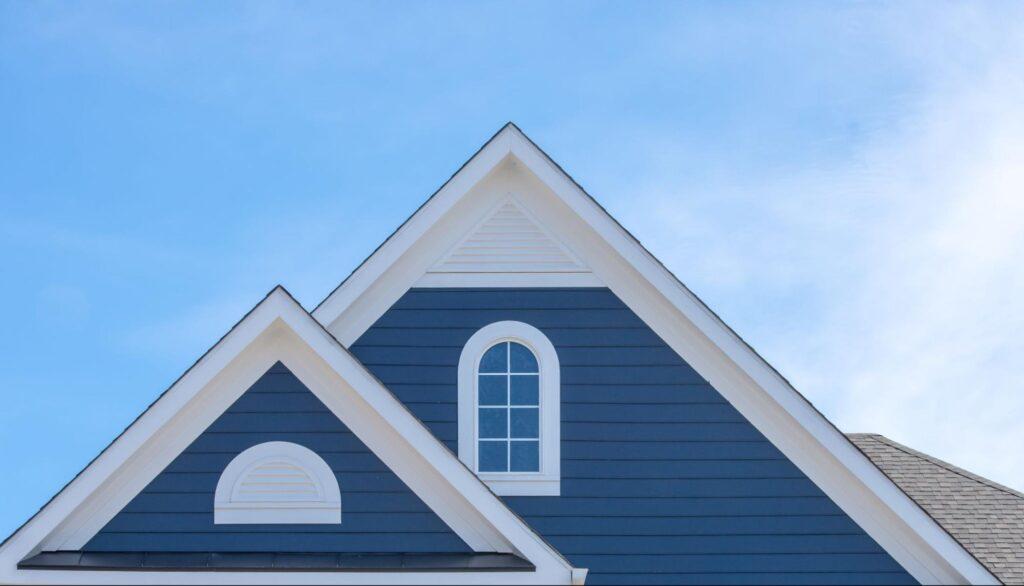
close of fiber cement siding

Fiber cement siding is a composite material composed of cement, sand, and cellulose fibers. It’s renowned for its exceptional durability, resistance to fire, pests, and rot, making it a popular choice among homeowners seeking a low-maintenance and long-lasting siding option. Fiber cement siding is available in various textures and styles, including lap siding, vertical panels, and shingles, providing versatility in design options.

Pros of Fiber Cement Siding:

  • Exceptional Durability: Fiber cement siding is highly durable and resistant to damage from pests, fire, moisture, and extreme weather conditions, offering long-term protection for your home.
  • Low Maintenance: With minimal maintenance requirements, fiber cement siding does not require painting as frequently as wood siding and can be cleaned with soap and water, reducing maintenance costs over time.
  • Versatility in Design: Fiber cement siding comes in a wide range of textures, colors, and styles, allowing homeowners to achieve their desired aesthetic while benefiting from the durability of the material.
  • Longevity: Fiber cement siding is known for its longevity, with many manufacturers offering warranties ranging from 25 to 50 years, providing peace of mind for homeowners.

Cons of Fiber Cement Siding:

  • Higher Cost: Fiber cement siding tends to be more expensive than engineered wood and vinyl siding options, primarily due to its superior durability and longevity.
  • Heavyweight: Fiber cement siding is heavier than engineered wood and may require additional structural support during installation, increasing labor and installation costs.
  • Professional Installation Required: Due to its weight and specialized installation requirements, fiber cement siding should be installed by experienced professionals, adding to the overall project cost.

Cost Difference Between Engineered Wood Siding and Fiber Cement

When comparing the cost of engineered wood siding and fiber cement siding, several factors come into play, including material costs, installation expenses, and long-term maintenance requirements. On average, fiber cement siding tends to be more expensive upfront due to its superior durability and longevity. However, engineered wood siding may offer cost savings in terms of installation and maintenance over time.

The cost of engineered wood siding typically ranges from $5 to $10 per square foot, including materials and installation. In contrast, fiber cement siding averages between $8 to $12 per square foot, making it a pricier option upfront. Additionally, the complexity of the installation, the size of the project, and any additional features or customization can impact the overall cost of both siding options.

Which One Lasts Longer: Engineered Wood Siding or Fiber Cement?

When it comes to longevity, fiber cement siding has a slight edge over engineered wood siding. Fiber cement siding is renowned for its exceptional durability and resistance to damage from pests, fire, moisture, and extreme weather conditions. Many manufacturers offer warranties ranging from 25 to 50 years for fiber cement siding, providing homeowners with peace of mind and long-term protection for their investment.

On the other hand, while engineered wood siding offers decent durability and resistance to decay, it may not last as long as fiber cement siding. Engineered wood siding is more susceptible to moisture damage, impact damage, and general wear and tear over time, potentially requiring replacement or repair sooner than fiber cement siding. However, with proper maintenance and care, engineered wood siding can still provide reliable performance and aesthetic appeal for many years.

How to Choose the Right Siding for Your Home

Choosing the right siding for your home involves considering various factors, including your budget, aesthetic preferences, climate, maintenance requirements, and long-term durability. Here are some key considerations to help you make an informed decision:

  • Budget: Determine your budget for the siding project, including material costs, installation expenses, and long-term maintenance requirements. Compare the costs of engineered wood siding and fiber cement siding to determine which option best fits your budget.
  • Aesthetic Preferences: Consider the architectural style of your home and your aesthetic preferences when choosing siding materials, colors, and textures. Both engineered wood siding and fiber cement siding offer versatile design options to complement various home styles.
  • Climate and Environmental Factors: Take into account the climate and environmental conditions in your area, including exposure to moisture, extreme temperatures, and potential impact damage. Choose siding materials that offer adequate protection and resistance to weather-related damage.
  • Durability and Longevity: Evaluate the durability and longevity of different siding materials based on manufacturer warranties, material composition, and resistance to pests, fire, moisture, and other environmental factors. Consider the expected lifespan of the siding and weigh the long-term value of your investment.
  • Maintenance Requirements: Assess the maintenance requirements of each siding option, including cleaning, painting, sealing, and repair. Choose siding materials that offer low maintenance requirements and long-term durability to minimize upkeep costs and efforts.
  • Professional Installation: Factor in the cost and expertise required for professional installation of the siding materials. While some homeowners may opt for DIY installation, complex siding projects, such as fiber cement siding, may require professional installation to ensure proper fit, performance, and warranty coverage.

When to Replace Your Siding:

Knowing when to replace your siding is essential for maintaining the integrity and curb appeal of your home. Several signs indicate that it may be time to replace your siding, including:

Visible Damage:

Inspect your siding for signs of damage, such as cracks, warping, rot, decay, or insect infestation. Damaged siding can compromise the structural integrity of your home and lead to further issues if not addressed promptly.

Fading or Peeling Paint:

If your siding is showing signs of fading, peeling paint, or discoloration, it may be time for a refresh. Repainting or replacing the siding can enhance the aesthetic appeal of your home and protect it from further damage.

Increased Energy Bills:

Poorly insulated or damaged siding can result in energy loss and higher utility bills. If you notice a significant increase in energy costs or drafts inside your home, consider replacing your siding with more energy-efficient materials.

Mold or Mildew Growth:

Excessive moisture or humidity can lead to mold or mildew growth on your siding, indicating a potential moisture problem. Addressing the underlying cause of moisture intrusion and replacing damaged siding can prevent further mold-related issues.

Age of Siding:

Consider the age of your siding and its expected lifespan when determining whether to replace it. While some siding materials may last for decades with proper maintenance, others may deteriorate more quickly and require replacement sooner.

Get the Right Siding Material for Your Home

Choosing between engineered wood siding and fiber cement siding involves weighing the pros and cons of each option, considering factors such as cost, durability, maintenance requirements, and aesthetic preferences. Both siding materials offer unique advantages and can enhance the curb appeal and value of your home when installed properly.

Contact the Open Box team to get a professional siding consultation for your home!

Related Post

Metal roofs are becoming increasingly popular among homeowners due to their durability, energy efficiency, and sleek aesthetic appeal. However, like any other roofing material, they are susceptible to damage and require maintenance.

If you’re a homeowner dealing with issues related to your metal roof, this comprehensive guide will walk you through everything you need to know about metal roof repair including:

Common Signs of Metal Roof Damage

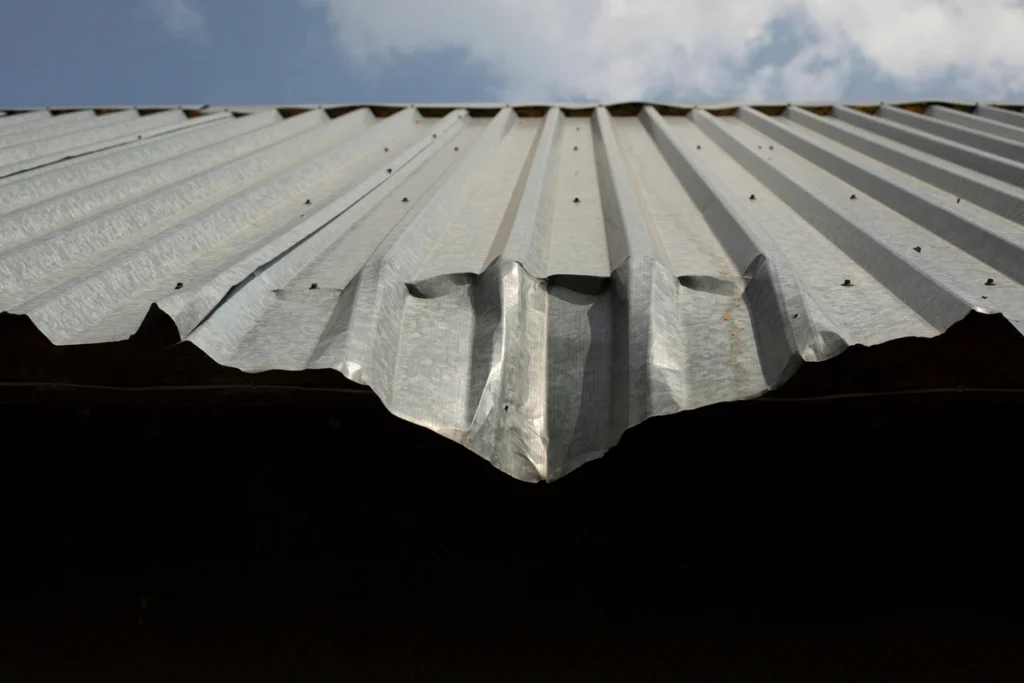
metal roof damage

Recognizing the signs of metal roof damage early can save you from more extensive and costly repairs in the future. Here are some common indicators that your metal roof might need attention:

  • Leaks and Water Stains: One of the most obvious signs of metal roof damage is water leaks. If you notice water stains on your ceiling or walls, it might be due to a leak in your metal roof. Leaks can result from various issues like loose seams, damaged flashing, or punctures in the roofing material.
  • Rust and Corrosion: While metal roofs are designed to resist rust, prolonged exposure to moisture can cause corrosion over time. Look for any rusty patches or discoloration on the metal panels. Rust can weaken the structural integrity of your roof and should be addressed promptly.
  • Loose or Missing Fasteners: Fasteners hold the metal panels in place. Over time, these fasteners can become loose or go missing due to weathering or improper installation. Loose fasteners can cause the panels to shift, leading to potential leaks and other issues.
  • Dents and Dings: Hailstorms, falling branches, or even heavy foot traffic can cause dents and dings in your metal roof. While minor dents may not pose an immediate threat, they can compromise the roof’s appearance and, in some cases, affect its performance.
  • Sagging Rooflines: If your metal roof appears to be sagging, it could indicate a more serious structural issue. This might be due to damage to the underlying support structure or excessive weight on the roof. Sagging should be inspected and repaired by a professional immediately.

What Causes Metal Roof Damage?

Understanding the causes of metal roof damage can help you take preventative measures and maintain the longevity of your roof. Here are some common culprits:

Weather Conditions

Extreme weather conditions such as hail, heavy snow, and strong winds can take a toll on your metal roof. Hail can create dents, snow can add excessive weight, and strong winds can lift and displace panels.

Poor Installation

Improper installation is a leading cause of metal roof damage. If the panels are not secured correctly, it can lead to issues like leaks, loose panels, and premature aging of the roof. Always ensure that your roof is installed by experienced professionals.

Lack of Maintenance

Neglecting regular maintenance can lead to various problems. Leaves, debris, and standing water can accumulate on the roof, causing rust and corrosion. Regular cleaning and inspection can prevent these issues.

Foot Traffic

Walking on your metal roof can cause dents and damage, especially if you are not careful. Using proper walkways and limiting foot traffic can help preserve the roof’s integrity.

Aging and Wear

Over time, even the most durable materials can show signs of wear and tear. Metal roofs have a long lifespan, but they are not immune to aging. Regular inspections can help catch age-related issues early.

How to Repair a Metal Roof in 4 Steps

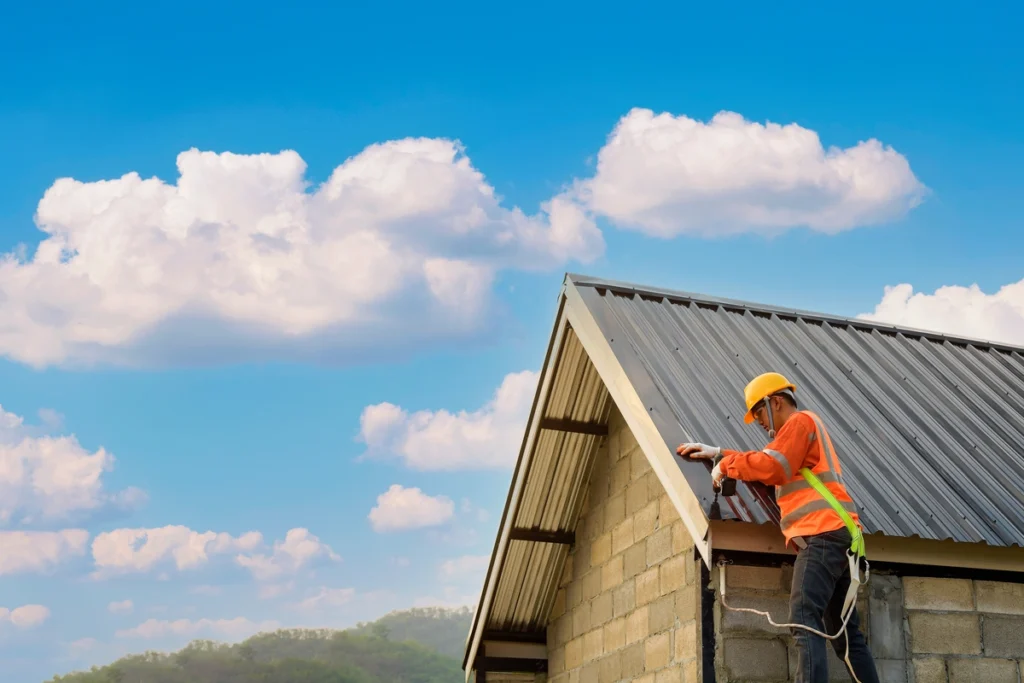
repairs and sky

When it comes to metal roof repair, there are several steps you can take to address common issues. While some minor repairs can be handled by homeowners, others might require professional assistance.

1) Patching Leaks and Holes

To patch a leak or hole in your metal roof, you’ll need a metal patch, roofing sealant, and some basic tools. Here’s a step-by-step guide:

  • Identify the Source: Locate the exact source of the leak or hole.
  • Clean the Area: Clean the damaged area thoroughly to ensure the patch adheres properly.
  • Cut the Patch: Cut a piece of metal patch that extends at least 2 inches beyond the damaged area.
  • Apply Sealant: Apply a generous amount of roofing sealant around the damaged area.
  • Attach the Patch: Place the metal patch over the sealant and press down firmly.
  • Seal the Edges: Apply more sealant around the edges of the patch to create a watertight seal.

2) Tightening Loose Fasteners

If you notice loose fasteners, you can tighten them using a screwdriver or wrench. Be cautious not to overtighten, as this can strip the threads and cause more damage.

3) Replacing Damaged Panels

For more extensive damage, such as large dents or severely corroded areas, it might be necessary to replace the entire panel. This process involves:

  • Removing the Damaged Panel: Carefully remove the fasteners holding the damaged panel in place.
  • Preparing the New Panel: Cut the new panel to match the size and shape of the damaged one.
  • Installing the New Panel: Secure the new panel in place using appropriate fasteners and sealant.

4) Addressing Rust and Corrosion

If you notice rust or corrosion, use a wire brush or sandpaper to remove the affected areas. Apply a rust-resistant primer and touch-up paint to prevent further corrosion.

Why You Should Use a Professional

While some minor repairs can be DIY projects, there are several reasons why you should consider hiring a professional for metal roof repair:

Expertise and Experience

Professional roofers have the knowledge and experience to identify and address issues that you might overlook. They can provide a thorough inspection and recommend the best course of action.

Safety

Roof repair can be dangerous, especially if you are not familiar with working at heights. Professionals have the necessary safety equipment and training to perform the job safely.

Quality of Work

A professional repair job ensures that the repairs are done correctly and will last longer. Poorly executed DIY repairs can lead to more significant problems down the line.

Warranty

Many professional roofing companies offer warranties on their work. This means that if any issues arise after the repair, they will come back and fix them at no additional cost.

The Cost to Repair a Metal Roof

The cost of repairing a metal roof can vary depending on several factors, including the extent of the damage, the size of the roof, and the materials used. Here’s a general breakdown of potential costs:

  • Minor Repairs: Minor repairs, such as patching small holes or tightening loose fasteners, can cost between $200 to $500.
  • Moderate Repairs: Moderate repairs, such as replacing a few panels or addressing rust and corrosion, can range from $500 to $1,500.
  • Major Repairs: Major repairs, such as extensive panel replacement or addressing structural issues, can cost $1,500 and up.

Keep in mind that these are general estimates, and actual costs can vary. It’s always best to get a detailed quote from a reputable roofing contractor.

How to Take Care of Your Metal Roof

Proper maintenance can extend the lifespan of your metal roof and prevent costly repairs. Here are some tips for taking care of your metal roof:

Regular Inspections

Conduct regular inspections, especially after severe weather events. Look for signs of damage, such as loose fasteners, rust, and leaks.

Cleaning

Keep your roof clean by removing leaves, debris, and standing water. Use a soft-bristle brush and mild detergent to clean the surface of the panels.

Trim Overhanging Branches

Trim any branches that hang over your roof to prevent them from falling and causing damage. Overhanging branches can also drop leaves and debris that cause moisture buildup.

Address Issues Promptly

If you notice any signs of damage, address them promptly to prevent them from worsening. Early intervention can save you from more extensive repairs down the line.

Use Proper Footwear

If you need to walk on your roof, use soft-soled shoes to avoid causing dents and damage. Be cautious and limit foot traffic as much as possible.

Professional Maintenance

Consider scheduling professional maintenance at least once a year. A professional roofer can perform a thorough inspection and address any potential issues before they become significant problems.

Caring For Your Metal Roof System

A well-maintained metal roof can provide your home with durable protection and an attractive appearance for decades. However, while some minor repairs can be handled on your own, hiring a professional ensures that the job is done safely and correctly. Regular maintenance and prompt attention to issues can prevent costly repairs and extend the lifespan of your roof.

We’re here to take care of your metal roof systems! Contact our team of experienced roofing professionals at Open Box Roofing today to schedule an inspection and get a detailed quote. Our experts are here to help you maintain the integrity and beauty of your metal roof for years to come.

Owning a home is a significant investment, and maintaining its exterior is crucial for its longevity and curb appeal. One of the most important aspects of your home’s exterior is its siding.

Over time, however, siding can deteriorate, requiring repair or replacement. But what does it cost to repair siding? In this blog, we’ll explore everything you need to know about siding repair cost, helping you make informed decisions to protect your home’s value and appearance. We’ll go over:

  • Why repairing siding matters
  • Different siding materials
  • Cost averages

Why Siding Matters

Siding serves as your home’s first line of defense against the elements. It protects your home from:

  • Rain
  • Wind
  • Snow
  • Sun

It also provides insulation and contributes to the overall aesthetic appeal. Damaged or worn-out siding can lead to water infiltration, energy inefficiency, and decreased property value.

Common Types of Siding Materials

Before we dive into the costs, it’s important to understand the different types of siding materials available. Each type comes with its own set of advantages and price points:

Vinyl Siding

Vinyl siding is one of the most popular choices due to its affordability and low maintenance. It’s available in a wide range of colors and styles, making it versatile for various home designs. However, vinyl can crack or warp under extreme temperatures, necessitating repairs.

Wood Siding

Wood siding offers a classic, natural look that’s hard to beat. However, it requires regular maintenance to prevent rot, insect infestation, and weather damage. Repairing wood siding can be labor-intensive and costly, but the aesthetic appeal often justifies the expense.

Fiber Cement Siding

Fiber cement siding is known for its durability and resistance to fire, insects, and rot. It’s a more expensive option upfront but requires less maintenance over time. The cost of repairing fiber cement siding can be higher than vinyl but lower than wood.

Metal Siding

Metal siding, including aluminum and steel, is durable and low-maintenance. It’s resistant to fire, insects, and rot, making it a great choice for long-term durability. However, metal siding can dent or corrode, requiring occasional repairs.

Stucco Siding

Stucco siding is popular in regions with dry climates. It’s a versatile and attractive option but can crack over time due to settling or impact. Repairing stucco siding involves patching and refinishing, which can be labor-intensive.

6 Factors Affecting Siding Repair Costs

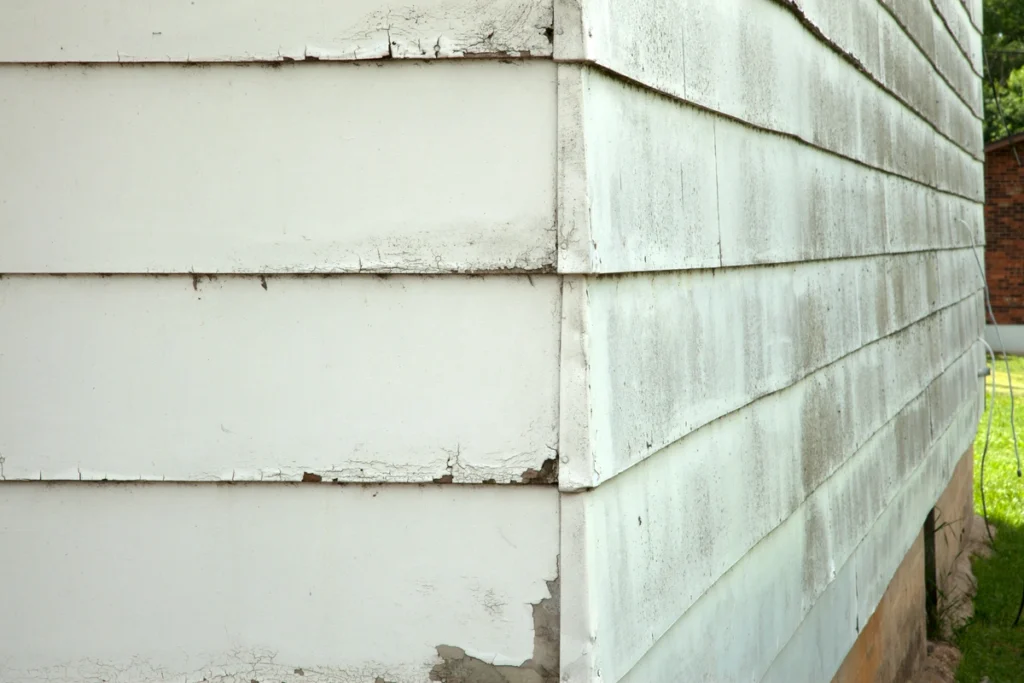
damaged siding

The cost of siding repair varies based on several factors. Understanding these factors will help you estimate the potential expenses for your specific situation:

1) Type of Siding Material

Different siding materials have different repair costs. For instance, repairing wood siding is generally more expensive than vinyl due to the material’s cost and the labor involved in matching and replacing wooden boards.

2) Extent of Damage

The extent of the damage plays a significant role in determining the repair cost. Minor cracks or holes may only require simple patching, while extensive damage might necessitate complete panel replacements.

3) Labor Costs

Labor costs can vary based on your location and the complexity of the repair. Urban areas with a higher cost of living typically have higher labor rates. Additionally, intricate repairs or hard-to-reach areas can increase labor costs.

4) Accessibility

The accessibility of the damaged area can impact the cost. If the damage is located in a high or difficult-to-reach spot, additional equipment and safety measures might be required, increasing the overall cost.

5) Removal and Disposal

If the damaged siding needs to be removed and disposed of, this can add to the cost. Some materials, like asbestos siding, require special handling and disposal, further raising expenses.

6) Permits and Inspections

Depending on your local regulations, you might need permits and inspections for siding repairs. These additional costs should be factored into your budget.

Average Siding Repair Costs by Material

Let’s break down the average costs for repairing different types of siding materials:

Vinyl Siding Repair Cost

Vinyl siding repair is usually the most affordable option:

  • Minor Repairs: $50 – $200
  • Moderate Repairs (replacing a few panels): $200 – $600
  • Extensive Repairs (large sections or multiple panels): $600 – $1,500

Wood Siding Repair Cost

Wood siding repair can be more expensive due to material and labor costs:

  • Minor Repairs (patching small areas): $100 – $300
  • Moderate Repairs (replacing boards): $300 – $1,000
  • Extensive Repairs (large sections or severe damage): $1,000 – $2,500 or more

Fiber Cement Siding Repair Cost

Fiber cement siding repair falls in the mid-range:

  • Minor Repairs (patching small areas): $100 – $300
  • Moderate Repairs (replacing boards): $300 – $1,200
  • Extensive Repairs (large sections or severe damage): $1,200 – $2,500

Metal Siding Repair Cost

Metal siding repair costs can vary:

  • Minor Repairs (denting or small patches): $100 – $400
  • Moderate Repairs (replacing panels): $400 – $1,200
  • Extensive Repairs (large sections or severe damage): $1,200 – $3,000

Stucco Siding Repair Cost

Stucco siding repair involves patching and refinishing:

  • Minor Repairs (small cracks or holes): $200 – $500
  • Moderate Repairs (larger cracks or sections): $500 – $1,500
  • Extensive Repairs (widespread damage): $1,500 – $4,000 or more

DIY vs. Professional Siding Repair

When it comes to siding repair, homeowners often face the decision of whether to tackle the repair themselves or hire a professional. Both options have their pros and cons:

DIY Siding Repair

Pros:

  • Cost Savings: DIY repairs can save money on labor costs.
  • Immediate Action: You can address minor issues promptly without waiting for a contractor.

Cons:

  • Skill and Experience Required: Siding repair requires specific skills and tools. Mistakes can lead to more extensive damage.
  • Time-Consuming: DIY repairs can be time-consuming, especially if you’re not experienced.

Professional Siding Repair

Pros:

  • Expertise and Quality: Professionals have the experience and tools to perform high-quality repairs.
  • Warranty and Insurance: Reputable contractors offer warranties and are insured, providing peace of mind.

Cons:

  • Higher Cost: Hiring a professional comes with labor costs, which can be significant.
  • Scheduling: You might need to wait for an available contractor, delaying the repair.

Tips for Reducing Siding Repair Costs

While siding repair costs can add up, there are ways to minimize expenses without compromising on quality:

Regular Maintenance

Regularly inspect your siding for signs of damage and address minor issues promptly. Preventative maintenance can prevent small problems from becoming costly repairs.

Choose Durable Materials

Invest in durable siding materials, even if they come with a higher upfront cost. High-quality materials require fewer repairs and last longer, saving you money in the long run.

Get Multiple Quotes

When hiring a professional, obtain quotes from multiple contractors. This allows you to compare prices and choose the best option for your budget.

Consider Partial Repairs

If the damage is localized, consider partial repairs instead of replacing entire sections. This can save you money while still addressing the issue.

Check for Rebates and Incentives

Some regions offer rebates or incentives for energy-efficient home improvements, including siding repairs. Check with local authorities to see if you qualify.

Let Us Repair Your Damaged Siding

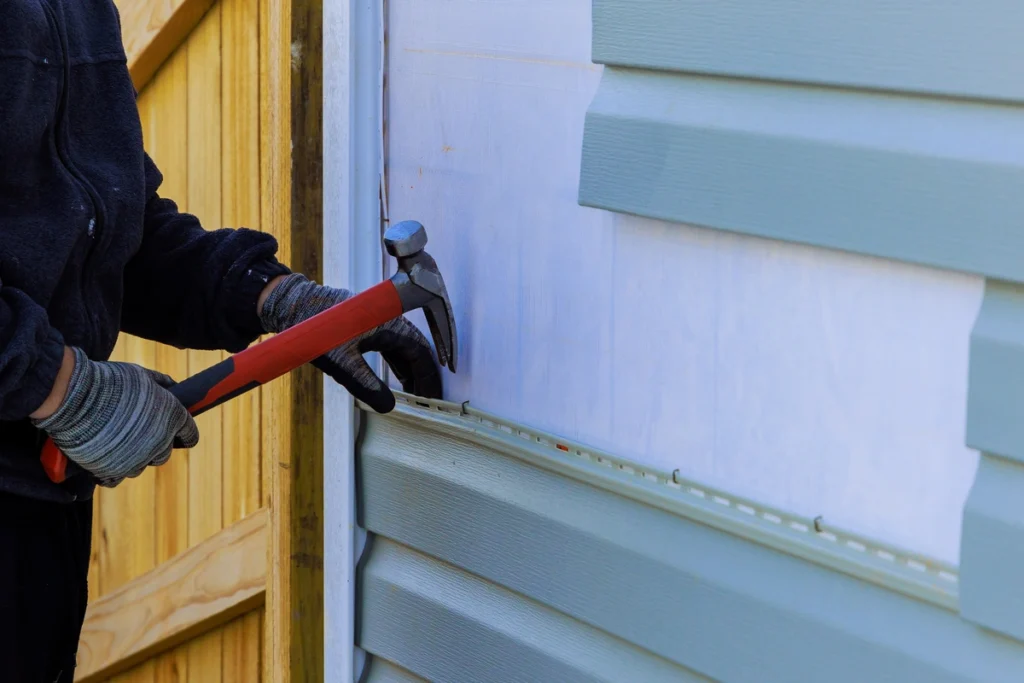
siding install

Siding repair is an essential aspect of home maintenance that should not be overlooked. Understanding the factors that influence siding repair costs and the average expenses for different materials can help you budget effectively and make informed decisions.

Ready to take the next step? Contact Open Box Roofing to assess your needs and provide a detailed estimate. We’ll protect your home and help you enjoy a beautiful, well-maintained exterior for years to come.


Winter beauty can be a nightmare for homeowners. Snow-capped roofs and icicles might seem picturesque, but they might also signal the formation of ice dams.

These icy blockages can cause significant damage to your home, leading to costly repairs. This comprehensive guide will help you understand:

  • What an ice dam is
  • Ice dam removal cost and what
  • Factors influence it

What Are Ice Dams?

Ice dams form when snow on your roof melts due to heat escaping from your attic or upper floors. The melted snow flows down to the colder edges of your roof and refreezes, forming a dam. This dam traps water behind it, which can then seep into your roof, causing leaks, water damage, and mold growth.

Leaving ice dams untreated can lead to a variety of issues such as:

  • Roof damage
  • Structural damage to your home
  • Water damage to your walls, ceilings, and insulation
  • Mold and mildew growth

The Basics of Ice Dam Removal Costs

The cost of removing ice dams will vary greatly depending on a wide variety of factors. We cover many of them in this guide below!

Average Costs

On average, homeowners can expect to pay between $300 to $1,000 for professional ice dam removal. This price range can vary based on several factors, including the size of the ice dam, the method of removal, and the complexity of the job.

Factors Influencing Ice Dam Removal Costs

Several factors can influence the cost of removing ice dams:

  • Size and Thickness of the Ice Dam – Larger and thicker ice dams take longer to remove and require more resources.
  • Roof Accessibility – If your roof is difficult to access, this can increase the labor costs.
  • Severity of the Issue – If there is already damage that needs to be addressed, this will add to the cost.
  • Type of Removal Method – The method used to remove the ice dam (e.g., steaming, chemical solutions) will also affect the price.

Methods of Ice Dam Removal

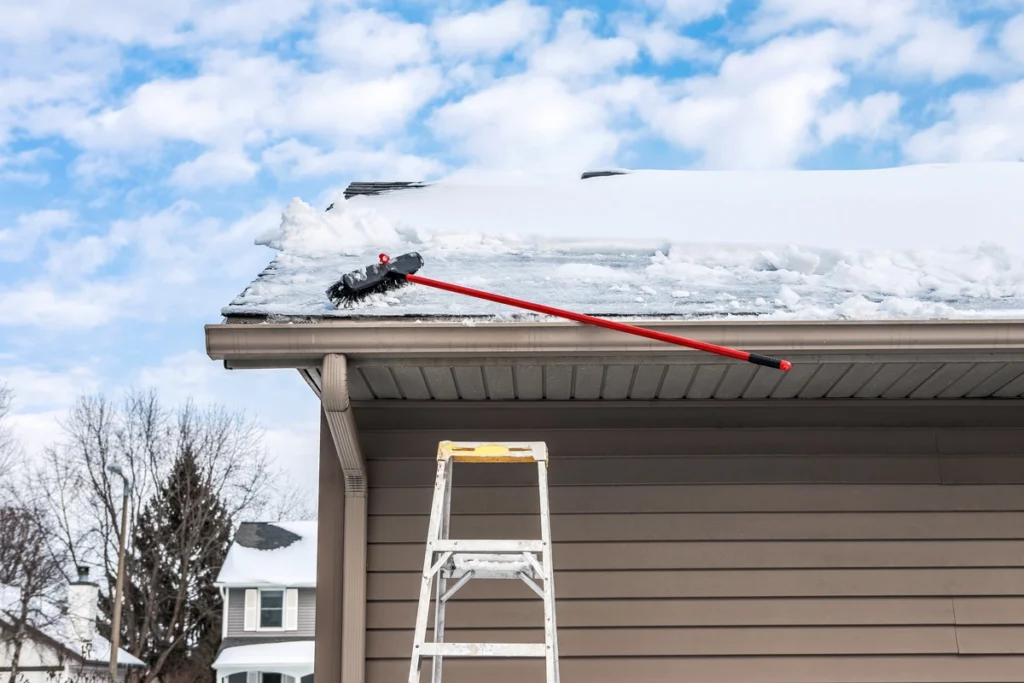
ice dam and brush

The way you remove ice dams matters. Improper removal can damage your roof and create bigger problems down the line. Follow these steps for optimal results, every time.

Professional Methods

  • Steaming: Steaming is the safest and most effective method for removing ice dams. It involves using low-pressure steam to melt the ice without damaging your roofing materials. This method is recommended because it prevents damage to shingles and effectively removes ice without risk of refreezing

Cost for steaming typically ranges from $400 to $800 depending on the severity of the ice dam and roof accessibility.

  • Chemical Solutions: Professionals may use chemical melting agents to break down the ice. While this method is less common, it can be effective in certain situations. However, it’s important to ensure that the chemicals used are safe for your roofing materials and the environment.

DIY Methods

While professional removal is recommended, some homeowners opt for DIY methods to save on costs:

  • Roof Rake – Using a roof rake to remove snow from your roof can prevent ice dams from forming in the first place.
  • Calcium Chloride Socks – You can create a DIY solution by filling socks with calcium chloride and placing them vertically across the ice dam. This will help to melt the ice, creating channels for water to escape.

Pros and Cons of DIY Methods

While taking a DIY approach may be appealing, there are both benefits and risks to keep in mind before diving in head first.

Pros

  • Cost-effective
  • Immediate action to mitigate damage

Cons

  • Safety risks involved (e.g., falling off the roof)
  • Potential for improper technique causing roof damage
  • Less effective compared to professional methods

Long-term Solutions to Prevent Ice Dams

Unfortunately, removing ice dams is only a temporary solution. If you want long-term results, you’ll need to take care of your entire roofing system. Here are some of our best tips to get rid of ice dams for good!

Improving Insulation and Ventilation

One of the best ways to prevent ice dams is by improving your attic insulation and ventilation. This helps to maintain a consistent roof temperature, preventing the conditions that lead to ice dam formation.

Installing Heat Cables

Heat cables can be installed along the edges of your roof to keep ice from forming. These cables are a proactive way to prevent ice dams but do come with installation and operational costs.

Regular Roof Maintenance

Regular roof maintenance can help identify potential issues before they become severe. This includes:

  • Cleaning gutters regularly
  • Inspecting and repairing roof shingles
  • Ensuring proper attic insulation

The Impact of Delayed Ice Dam Removal

Is leaving an ice dam alone really that big a deal? It can be. Not removing ice dams can come with severe consequences for your home.

Further Damage Costs

Ignoring ice dams can lead to more severe damage and higher repair costs in the long run. For example:

  • Water damage repair costs can range from $1,000 to $4,000.
  • Mold remediation can cost between $500 and $6,000, depending on the extent of infestation.

Health Risks

Mold and mildew resulting from water damage can pose serious health risks, particularly for individuals with respiratory issues.

Hiring a Professional vs. DIY

ice dam on roof

Still feeling tempted to tackle your ice dams by yourself? Consider all of the following factors before diving in.

When to Hire a Professional

While DIY methods can be tempting, hiring a professional is recommended when:

  • The ice dam is extensive and thick
  • You lack the necessary tools and safety equipment
  • Previous DIY attempts have failed

Selecting the Right Professional

When choosing a professional ice dam removal service, consider:

  • Experience and expertise
  • Reviews and recommendations
  • Licensing and insurance
  • Detailed estimates and quotes

Professional Ice Dam Removal For Your Home

Ice dams are more than just a winter nuisance; they can cause significant and costly damage to your home. Understanding the costs associated with ice dam removal and the factors that influence these costs can help you make informed decisions.

Need expert help with ice dam removal? Don’t wait—contact a professional at Open Box Roofing today and protect your home from winter’s icy grip.

Don’t think, just call Pink!