Our Roofing Blog

Stay up to date on the latest roofing tips, trends, and insights from the experts at OpenBox Roofing. Our blog covers everything from seasonal maintenance to choosing the right materials for your home.

Whether you’re researching a new roof, learning about repairs, or exploring sustainability options, our articles make roofing information easy to understand.

Asset 1 7
Featured Article

3 Qualities to Look for When Hiring a James Hardie Siding Contractor

about us hoodie 150x150 1
Posted By: Openbox Roofing
Here at Open Box Roofing, we strongly believe that our customers deserve nothing less than the best. That’s why we’re proud to be a part of the James Hardie Contractor Alliance Program. James Hardie siding is on more than 8 million homes across North America because it’s the best fiber cement siding product on the market, […]
Asset 17

 A roof replacement is a significant investment that can greatly improve the safety and value of your home. It’s what happens when roof maintenance isn’t done well. However, many homeowners are daunted by the high costs associated with such a project.

Fear not, as we have compiled a list of the four best financing options for roof replacements to ensure you find one that fits your needs and budget perfectly.

Key Takeaways

  • Financing options make it easier for homeowners to afford the cost of a roof replacement without having to pay a lump sum upfront.
  • Home equity loans or lines of credit, personal loans, credit cards, government programs, and contractor financing are some of the best financing options for roof replacements.
  • Each financing option has its advantages and disadvantages in terms of interest rates, repayment terms, approval requirements, and availability based on location.
  • It’s crucial to compare loan features and interest rates from different lenders before making a decision to ensure that you find one that fits your needs and budget perfectly.

Why Financing Options Are Important For Roof Replacements

Roof replacements can be expensive, and financing options make it easier for homeowners to afford the cost of repairs or replacement without having to pay a lump sum upfront.

The Cost Of Roof Replacements

The cost of roof replacements can vary greatly depending on several factors, including the size and pitch of the roof, materials used, and location. On average, a new roof installation can range from $5,500 to $11,000, with an overall average cost of around $8,000.

For example, asphalt shingles are typically less expensive than metal or tile options but may not last as long. Additionally, regional pricing differences may affect both labor and material costs due to local demand and availability.

In some cases where extensive water damage or structural issues are discovered during the replacement process, additional expenses may arise that require immediate attention.

Benefits Of Financing Options

Financing options for roof replacements offer numerous benefits that make them an attractive choice for homeowners facing this costly home improvement project. One of the primary advantages is the ability to spread out the expense over time, making it more manageable and less overwhelming by breaking down payments into smaller, monthly installments.

Another significant benefit of financing options is that they allow homeowners to invest in higher-quality roofing materials or opt for energy-efficient solutions without being restricted by their immediate budget constraints.

For example, choosing a durable metal roof or installing solar panels can provide long-term savings on utility bills and require fewer repairs throughout the roof’s lifespan.

Moreover, these choices not only increase property value but also contribute to overall environmental sustainability efforts.

Best Financing Options For Roof Replacements

financial advisor consulting his clients

Let’s dive into some of the best financing options for roof replacements, from traditional home equity loans to government programs and contractor financing – read on to discover which one suits your needs best.

Home Equity Loans Or Lines Of Credit

Home equity loans and lines of credit are often considered the top financing options for roof replacements due to their relatively low interest rates and flexible repayment terms.

With a home equity loan, homeowners can borrow money against the equity they’ve built up in their home over time, receiving a lump sum upfront.

On the other hand, a home equity line of credit (HELOC) functions more like a credit card. Instead of receiving a lump sum upfront, homeowners are approved for an amount from which they can draw funds as needed during the project.

HELOCs generally come with variable interest rates that fluctuate based on market conditions but may offer lower initial rates compared to traditional home equity loans. For example, Bank of America provides both HELOCs and fixed-rate loan options tailored for financing roof replacements or other major home improvements projects.

Personal Loans

Personal loans are a popular option for financing a new roof, especially if you’re on a tight budget. They offer flexibility in terms of the loan amount and repayment terms, with most lenders offering fixed interest rates and monthly payments that fit your budget.

For example, Lending Club is a great option for personal roof loans, particularly for those with fair credit scores.

When considering personal loans as an option for your roofing project, it’s important to note that they usually come with higher interest rates than home equity loans or lines of credit.

This means that you may end up paying more in interest over time than other financing options available to you. Furthermore, approval for these types of loans is based primarily on your credit score and financial history, so make sure yours is up-to-date before applying.

Credit Cards

Another financing option for a roof replacement is credit cards. Credit cards are convenient because the application process is quick and similar to that of any credit card.

You can use your existing credit card or apply for a new one with a higher limit specifically for the roofing project.

However, it’s important to note that interest rates on credit cards tend to be high compared to other financing options. Also, using too much of your available credit or missing payments can damage your credit score significantly, making it difficult for you to finance future home improvement projects such as bathroom renovations or landscaping without being charged exorbitant fees due to bad credit history.

Government Programs

In addition to traditional financing options, there are a few government programs available that can help homeowners finance their roof replacements. The Federal Housing Administration (FHA) offers Title 1 loans for home improvement projects, including roof replacements.

These loans have low fixed interest rates and don’t require equity in the property as collateral.

The Department of Agriculture also has a program called the Single Family Housing Repair Loans & Grants Program that provides loans and grants to low-income homeowners for necessary repairs, including roofs.

This program is specifically geared towards rural homeowners who may not have access to other financing options.

Contractor Financing

contractor and workers planning for construction

Contractor financing is a popular option for homeowners who want to replace their roof without having to worry about upfront costs. This type of financing allows homeowners to work with roofing contractors who offer in-house financing options.

One benefit of this type of financing is that it’s often easier to qualify for than traditional loans since it doesn’t require excellent credit or a large down payment. Additionally, some roofing companies may offer lower interest rates than other lenders, which can save you money on overall costs in the long run.

Conclusion

In conclusion, financing options play a significant role in covering the cost of roof replacements. With several options available such as home equity loans or lines of credit, personal loans, credit cards, government programs, and contractor financing, homeowners have affordable ways to finance their roofing projects.

It is essential to compare loan features and interest rates from different lenders before making a decision. Whether it’s for repairs or installation of a new roof, these financing options allow homeowners to make lump sum upfront payments or choose monthly payment plans based on their budget.

If you’re in need of some excellent and affordable roof repair and roof replacement work to suit your financial needs, look no further than Openbox Roofing. We’ll connect you with a project manager who will help you get started with financing.
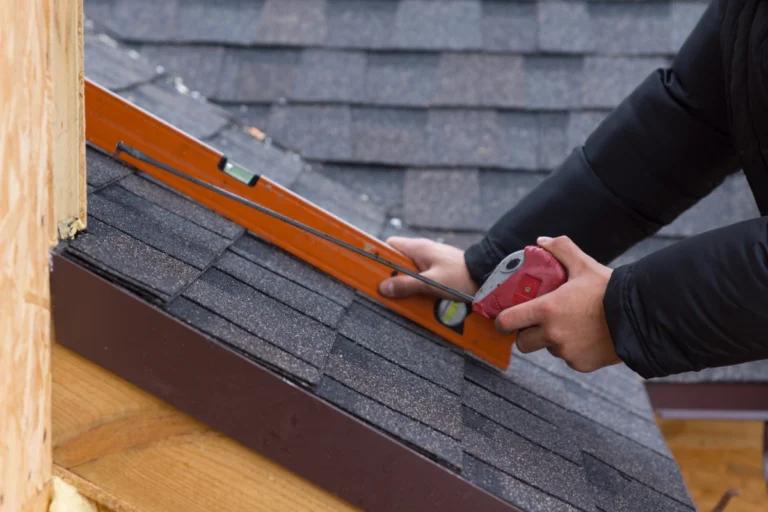
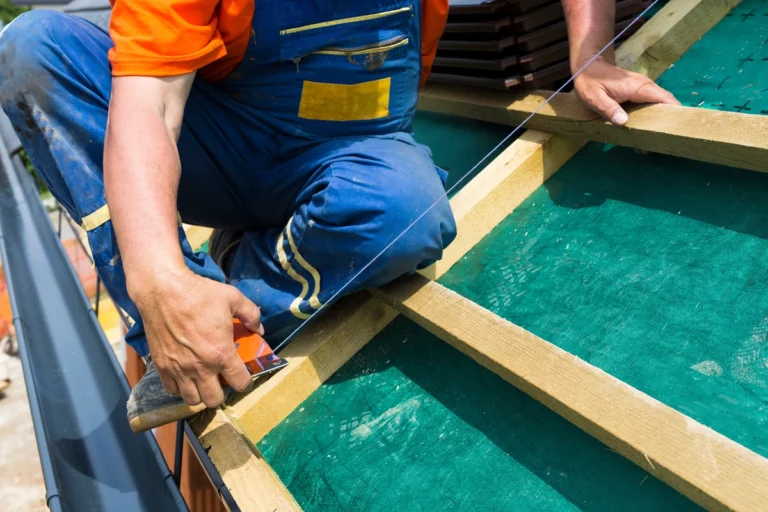
When it comes to roofing projects, one crucial step that can make or break your success is accurately measuring the square footage of your roof. With the proper measurements, you can save time and money and avoid costly mistakes when you choose materials and install a new roof.

In this comprehensive step-by-step guide on measuring a roof, we will walk you through everything from correct roof measurements to using cutting-edge technology for precise calculations. Then, contact a roofing contractor for professional advice.

Importance of Measuring a Roof

Accurate roof measurements play a critical role in the success of any roofing project. By determining the actual square footage of your roof, you can ensure that you are purchasing the correct amount of materials.

Safety is another crucial consideration when measuring a roof. Properly assessing the ground-level dimensions or using innovative technology like satellite imagery allows a roofing contractor to take appropriate safety precautions.

Finally, understanding the importance of measuring different types of roofs – such as flat roofs, gabled roofs, or hip roofs – will help ensure that each section is adequately covered with shingles or other roofing materials based on specific requirements.

Understanding Roof Measurements

Before measuring the square footage roof, it’s crucial to understand the different measurements involved. In the roofing industry, you’ll need to know three types of measurements: length, width, and slope.

Length and width are the first measurements to calculate in roofing projects. To calculate your roof’s square footage, simply multiply its length by width. However, some roofs can be more complex than others.

The third essential measurement in understanding roofs is their slope or pitch – this refers to how steeply the roof angle inclines from horizontal ground level up toward its peak.

The roof pitch determines how much material will be needed (as steeper slopes require extra shingles). The slope is generally represented as a ratio (e.g., 4:12), where ‘4’ indicates that for every 12 inches horizontally across your home’s foundation footprint (‘run’), there will be a vertical change (‘rise’) of 4 inches up towards the top ridge line over that same distance (“length”).

Tools Needed for Measuring a Roof

worker taking the roof measurement with a tape measure

Having the right tools on hand is essential to measure a roof accurately. You will need a reliable tape measure to obtain precise square footage measurements.

Various types of measuring tape are available in the market; however, a 25-foot or longer retractable metal tape with both standard and metric units would be ideal.

In addition to a tape measure, other necessary tools include a notepad and pencil for documenting each of your findings as you go along. Finally, a sturdy ladder is crucial for safely accessing different parts of your roofing structure.

While these essential tools are indispensable when manually measuring roofs, evolving technology offers various digital solutions. For example, roofing calculator apps can assist with automating calculations throughout the process, making it easier than ever before.

How to Measure a Flat Roof

Measuring a flat roof doesn’t require any complex calculations. The first step is to measure the length and width of each plane on the roof, including dormers, if there are any.

Once you have those measurements, multiply them to get the square footage of that section of your roof.

Most roofing contractors typically calculate extra materials needed by adding 10% more than estimated. A ground-level measuring tape can help you take accurate measurements quickly and efficiently.

How to Measure a Gable Roof

Measuring a gable roof requires finding the pitch of the roof, which is the angle between the ridge and the sloping surface. Place a ladder at one end of your house to measure this angle and climb up to inspect one side of your gable roof.

Next, use a measuring tape or laser range finder to measure both sides of your gable roof from eave edge to eave edge.

Calculating slope, height, and width can be tricky, so double-check all measurements before proceeding.

How to Measure a Hip Roof

Measuring a hip roof may seem daunting, but it can be done accurately with the right tools and techniques. First, determine the length of one rafter, from bottom to top, by measuring along its slope. Then, measure the span of the roof from end to end at its longest point.

To calculate the roofing materials needed for this complex roof, you must break it down into separate planes or sections. Measure each section separately and then add them for a more accurate estimate.

Common Mistakes to Avoid When Measuring a Roof

roofer measuring the roof  for better accuracy

Accurately measuring a roof is crucial to ensure you have enough materials for your roofing project and avoid costly mistakes.

One of the most common mistakes people make when measuring their roof is not considering the pitch or slope of the roof or the overhangs or eaves. These areas often need to be included in your calculations as they add to the total square footage and can affect the surface area that needs to be covered.

It’s also essential to take appropriate safety precautions when measuring the square footage of your roof, such as using a sturdy ladder and wearing non-slip shoes. If you’re uncomfortable with heights, consider hiring professional roofing contractors who have experience climbing on roofs and providing accurate measurements while following safety protocols.

Using Technology to Measure a Roof

Using advanced software, roofing professionals can accurately measure a roof’s square footage and pitch.

One popular technology used by roofing contractors today is aerial roof measurement software. This software uses satellite imagery to create a detailed property map and accurately measure the roof surface area.

Technology provides remarkable convenience in measuring roofs with complex shapes or pitches – but hand measuring still plays an essential role in ensuring precise measurements.

Conclusion

Measuring a roof accurately is essential to any roofing project, and following the proper steps can save you time, money, and frustration. With this step-by-step guide, measuring your roof is now manageable.

You now know the tools required, common mistakes to avoid, and how to accurately measure flat roofs, gable roofs, or hip roofs. Whether you are doing it yourself or just want to be informed as a homeowner before hiring a professional roofing contractor, these tips will ensure that your measurements are precise.

As a savvy homeowner, you know that choosing the ideal roofing materials is crucial for both your home’s aesthetic appeal and long-term protection. With countless options available, finding reliable and high-performing asphalt shingles can be overwhelming. 

Ready to upgrade your roof today?

But not sure where to start?

That’s where we come in! We researched, compared and compiled the top 7 highest-rated asphalt shingle brands for 2024. Don’t worry – we’re here to make it easier than ever to pick a winner that will elevate your home’s curb appeal and withstand harsh weather conditions.

If you want to choose the best asphalt shingles for your upcoming roofing project, keep reading!

Close up view of best asphalt shingles for roof - architectural shingles

Asphalt Roofing – Key Takeaways

  • Investing in high-quality asphalt shingles for reliable durability, longevity, and energy efficiency.
  • The seven best asphalt shingles brands for 2024: GAF Timberline HDZ Shingles, Owens Corning Duration Shingles, CertainTeed Landmark Shingles, Malarkey Legacy Shingles, Tamko Heritage Shingles, Atlas Pinnacle Pristine Shingles, and IKO Cambridge Shingles.
  • Material composition for the best asphalt shingles: Whether fiberglass or organic, it’s crucial to consider the resistance properties to harsh weather conditions such as hailstones and UV rays.
  • Pricing comparisons: Asphalt shingle pricing can and will vary between the top shingle brands since it can vary depending on type and quantity needed. Comparing warranties offered by each manufacturer will shed light on anticipated lifespans so you know what to expect from their products in terms of performance over time.

Importance of Choosing High-Quality Asphalt Shingles

Investing in high-quality asphalt shingles is crucial for every homeowner, as it ensures the durability and longevity of the roof while increasing overall property value.

Roofing materials protect your home from various elements, such as harsh weather conditions, water damage, and debris.

Opting for higher-end roofing materials like luxury asphalt shingles can provide benefits beyond aesthetics. Their increased thickness allows for longer lifespans compared to standard 3-tab or architectural shingles; some premium options have been known to last 30 years or more before needing replacement.

In addition to these practical advantages, selecting top-tier asphalt shingle brands can contribute positively towards energy efficiency: certain products reflect solar heat away from your house instead of absorbing it, keeping indoor temperatures cool during hot summer months without placing excessive demand on air conditioning systems.

Criteria for Choosing the Best Asphalt Shingles

Asphalt shingles installed on roof with vents

Selecting the highest-rated asphalt shingles is a critical decision that can significantly impact the durability and aesthetic appeal of your home. Consider several crucial factors to ensure you choose the best product for your home.

Material Composition

The material composition of the best asphalt shingles will play a significant role in determining an asphalt shingle’s longevity and performance under different atmospheric conditions.

Typically made from fiberglass or organic materials coated with mineral granules, high-quality asphalt shingle options provide enhanced endurance against harsh sunlight exposure, temperature fluctuations, algae growth on roof surfaces, among other elements.

Furthermore, asphalt shingles must demonstrate exceptional resistance to external hazards such as fires and high winds for maximum safety assurance. So when you’re in the process of choosing the best asphalt shingles for your roofing system, make sure to ask your roofer about which shingles offer the best protection.

Asphalt Shingle Price & Overall Value

Roofing contractor installs asphalt shingle on residential rooftop

Every homeowner is familiar with the balance between budgeting and investing in your home’s value, curb appeal, and safety. So of course you’re going to consider both upfront costs and long-term value offered by various shingle brands before settling on one option.

Cheaper alternatives might seem appealing initially, but they could lead to higher expenses in the future. This is due to the nature of cheaper materials often being cheaper for a reason — they may not be as strong of a material or last as long.

So it’s important to consider which options will be the best asphalt shingles for your home in terms of which will hold up the longer, protect against extreme conditions, and require less future repairs or replacements due to inferior build quality.

Warranty Options for Asphalt Shingles

This leads us to the next factor related to cost: roof warranty options.

Comparing warranties provided by manufacturers can shed light on anticipated lifespans: some companies offer limited lifetime warranties, whereas others may only cover specific defects over set timeframes.

7 Best Asphalt Shingle Brands For 2024 (Compared)

In this section, we will compare and evaluate the top-rated asphalt shingle brands for 2024 based on their ratings, reviews, features, and benefits to help you choose the best roofing material for your home.

1. Owens Corning Duration Shingles

Brown Owens Corning Duration shingles - best asphalt shingles

Owens Corning Duration Shingles stand out as one of the best asphalt shingle brands, thanks to their impressive blend of beauty, durability, and long-lasting warranties.

They are a multilayered roofing option that offers long-lasting durability and curb appeal.

What sets Owens Corning Duration Shingles apart from other brands is their limited lifetime warranty that covers manufacturing defects, algae resistance, wind damage, and more.

Consumer Reports has also rated them highly for their impact resistance against hailstones.

2. GAF Timberline HDZ Shingles

GAF Timberline HDZ Shingles stand out as one of the best asphalt shingle brands, thanks to their impressive blend of beauty, durability, and long-lais known for manufacturing high-quality roofing materials, and GAF continues to be a prominent player in the US roofing industry.

Homeowners who opt for GAF Timberline HDZ Shingles can expect not only an aesthetically pleasing roof but also exceptional protection against weather elements.

Additionally, GAF offers strong warranty options to back up the quality and performance of their products – ensuring your investment is well protected over time.

3. CertainTeed Landmark Shingles

CertainTeed asphalt shingles - roof ridge view

CertainTeed Landmark Shingles are among the top asphalt shingle brands in the industry. They are known for their durability, beauty, and overall high-quality performance.

These shingles feature a dual-layer design that provides added protection against impact and wind damage.

One of the notable features of CertainTeed Landmark Shingles is their limited lifetime warranty. This guarantees homeowners that their roofing investment will last for years to come without any manufacturing defects or issues.

Not only do these shingles provide reliable protection from harsh weather conditions but they also boost curb appeal and add value to homes.

4. Malarkey Legacy Shingles

Malarkey Legacy Shingles are regarded as premium, high-quality products in the roofing industry. These shingles are made with SBS polymer modified asphalt and fiberglass matting, providing excellent resistance to extreme weather conditions.

While Malarkey Legacy Shingles may be more expensive than traditional asphalt roofing brands, they offer superior durability and longevity. The shingle’s unique design makes it resistant to cracking and blistering caused by direct sunlight exposure or heavy hail impacts.

Additionally, Malarkey offers a limited 50-year warranty on these shingles’ performance against manufacturing defects.

5. Tamko Heritage Shingles

close up of residential asphalt rooftop with flashing

Tamko Heritage Shingles is one of the top-rated asphalt shingle brands for 2023. These shingles come in a range of designs and colors that are sure to complement any home’s aesthetic.

What sets these shingles apart from other manufacturers is their innovative granule technology. Tamko uses a special blend of colored granules that enhance the roof’s appearance while providing long-lasting protection against UV rays and weathering.

Additionally, the brand offers a limited lifetime warranty on all their products.

6. Atlas Pinnacle Pristine Shingles

Atlas Pinnacle Pristine shingles are considered to be one of the best roofing shingles made by Atlas. These high-end, multilayered shingles offer exceptional durability and protection against harsh weather conditions.

In addition to their superior performance, Atlas Pinnacle Pristine shingles also come in a range of colors and styles that can complement any aesthetic preference. With exceptional fire resistance and resistance to manufacturing defects, these luxury asphalt shingles offer long-lasting beauty and protection for residential and commercial roofing projects alike.

7. IKO Cambridge Shingles

Among the top-rated asphalt shingles for 2023 is the IKO Cambridge Shingle. Consumer Reports has consistently recognized it as one of the best roof shingles on the market.

These roofing materials are made of a fiberglass mat coated with mineral granules and asphalt that provides excellent durability to face harsh weather conditions. The shingles have an architectural look, making them visually appealing for residential homes.

IKO Cambridge Shingles come in various colors and styles, including dual-layered laminated architectural designs that mimic natural slate or wood shake roofing materials at a lower cost.

One of the downsides is that they may not be suitable for regions with extreme temperature fluctuations as they might crack over some time due to their thickness compared to other brands’ thicker options on this list.

Cost Comparison of the 7 Best Asphalt Shingle Brands

houses with colorful sidings and asphalt shingle roof in suburbs

After evaluating the seven highest-rated asphalt shingle brands for 2023, it’s crucial to consider how much you’ll be spending. Although affordability is one of the key reasons homeowners choose asphalt shingles over other roofing materials, prices can still vary depending on the brand and type of asphalt shingle.

Starting from our top pick, Owens Corning Duration Shingles range from $125 to $150 per bundle with a long-lasting warranty period of 25-30 years.

GAF Timberline HDZ Shingles, one of the most popular architectural shingles, also offers a 30-year lifetime warranty costs between $120 and $160 per bundle.

Malarkey Legacy Shingles stand out due to their high-quality fiberglass composition and are priced between $130 to $155 per square foot – this does not include installation costs by roofing contractors.

Tamko Heritage Shingles offer various colors and designs but are amongst cheaper options costing around $100-$110 per square with Limited Lifetime Warranties available upon request (usually about a will last at least fifty years).

Install Asphalt Shingles Today

Choosing the best asphalt shingles for your roof is an important decision. With so many options available, it can be difficult to know where to start. But by considering factors such as durability, cost, and style, you can narrow down your choices to the top-rated brands available in 2024.

The list of seven highest-rated asphalt shingle brands compared in this article includes some of the most reliable names in roofing materials, including GAF Timberline HDZ Shingles and Owens Corning Duration Shingles.

Each brand offers unique benefits that cater to different homeowner preferences and budgets.

Ready to install a new shingle roof? Contact our locally trusted team today!

When selecting a roofing material for your home—then installing a durable and dependable roof—there’s no one-size-fits-all solution. With a plethora of options available in the market, finding the perfect roof can be overwhelming.

In this comprehensive blog post, we’ll explore six popular types of roofing materials and assess their pros and cons to help you make an informed decision that best suits your needs and budget.

From asphalt shingles to metal roofs and beyond, we’ve got you covered with everything you need to know before making your choice.

Types of Roofing Materials and Their Pros and Cons

This section of the article will cover six popular types of roofing materials, namely asphalt shingles, metal roofing, tile roofing, wood shake shingles, slate roofing, and rubber roofing – discussing their pros and cons.

Asphalt Shingles

Asphalt shingles are a popular choice among homeowners because they offer an affordable and visually appealing option for residential roofing. Consisting of fiberglass or organic materials coated with asphalt, these shingles come in various styles such as the classic three-tab design, more durable architectural shingles, and highly customizable designer variants.

Though cost-effective and aesthetically pleasing, asphalt shingles have a shorter lifespan than other types of roofing material, usually lasting between 15 to 30 years, depending on factors like climate and proper maintenance.

They may also not be the most energy-efficient solution due to their susceptibility to heat absorption – which can lead to increased cooling costs during hot summers. Homeowners in regions prone to extreme weather conditions (such as hurricanes or hailstorms) should note that some asphalt shingle varieties may not provide optimal protection against such events without additional reinforcement measures.

Metal Roofing

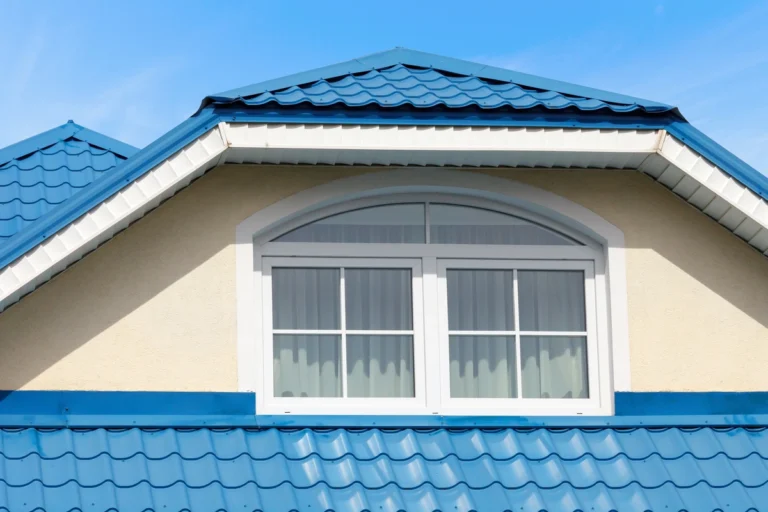
modern house with a big window and blue metal roofing

Metal roofing has become an increasingly popular choice among homeowners due to its durability, energy efficiency, and environmentally friendly properties. Unlike asphalt shingles or wood shake shingles, metal materials such as steel, copper, and zinc offer a longer lifespan with less maintenance involved.

One significant benefit of opting for a metal roof is its ability to reflect sunlight effectively, reducing cooling costs during hot climates while maintaining thermal insulation in colder conditions.

Additionally, they are fire-resistant and can withstand extreme weather conditions such as heavy snowfall or high winds without compromising their structure. These impenetrable roofs also offer homeowners peace of mind knowing their homes are well-protected against potential damage caused by leaks or other vulnerabilities often found with traditional asphalt shingle roofs.

Tile Roofing

Tile roofing is a popular and attractive option for homeowners, known for its unique appearance and remarkable durability. Among the most common types of tile roofing materials are clay, slate, and concrete, each offering benefits that cater to different tastes and budgets.

While pricing may vary depending on the material chosen, it’s important to note that slate and clay tiles tend to be more expensive than metal or wood alternatives due to their enhanced durability.

Despite the higher upfront costs, investing in a high-quality tile roof can yield long-term savings with its impressive lifespan of 50-70 years or even more.

Wood Shake Shingles

Wood shake shingles are a high-quality roofing option offering durability and long-lasting beauty. Cedar shake roofing is substantially more expensive than asphalt shingle roofing, but the investment pays off in the long run.

In addition to providing an authentic look, wood roof materials can offer twice the insulation as traditional asphalt shingles. This makes them an energy-efficient choice for homeowners looking to lower their utility bills while staying comfortable year-round.

Slate Roofing

Slate roofing is a premium option for homeowners who value durability, longevity, and aesthetics. It is made of natural slate tiles mined from quarries, making it an eco-friendly choice.

While more expensive than asphalt shingles, slate roofs can last up to 100 years with proper maintenance and installation.

One of the main benefits of slate roofing is its resilience against harsh weather conditions like hailstorms and strong winds. In addition, when combined with proper underlayment and insulation materials, it provides energy efficiency by offering effective insulation against heat or cold.

However, installing slate requires professional installers due to its weight and complexity which can increase the cost significantly compared to other types of roofing materials like metal or asphalt shingle roofs.

Rubber Roofing

Rubber roofing is a popular choice for those looking to replace their roof due to its affordability and durability. This roofing material is lightweight, making it easier and faster to install. 

One of the most common types of rubber roofing used in flat roofing systems is EPDM (Ethylene Propylene Diene Monomer). This rubber roofing material can withstand harsh weather conditions like extreme heat or cold without cracking, which makes it ideal for hot climates.

It is an affordable option, but rubber roofing has several benefits making it an intelligent decision for homeowners who want a durable and impenetrable roof that requires little maintenance over time.

Comparison of Roofing Materials in Terms of Cost, Durability, and Maintenance

When choosing a roofing material, cost, durability, and maintenance are the most important factors to consider. Asphalt shingle roofs are typically the most affordable option, ranging in price from $100-$200 per square foot.

On the other hand, metal roofing is one of the most durable options available, lasting up to 50 years or more with proper maintenance.

Another option that’s gained popularity recently is rubber roofing, which provides excellent insulation and can last up to 25-30 years.

Factors To Consider When Choosing a Roofing Material

roofers installing asphalt shingle roof on a new house

Choosing the right roofing material for your home can be daunting, especially when there are so many options available in the market. To make an informed decision, it’s important to consider some key factors.

One of them is the pitch or slope of your roof. Another important factor is architectural authenticity. If you have an older or historic home, choose roofing materials that match its style and era, such as wood shakes or clay tiles. You’ll also want to consider weather endurance. 

Energy efficiency is also something to think about if reducing your energy bills matters to you. Materials like solar roofing or stone-coated steel work well for this purpose by reflecting heat away from the house and keeping it cool during hot summers.

Choosing the Right Roofing Material for Your Home

When selecting a roofing material, it’s vital to consider the climate of your region, your budget, and the overall style of your home. For example, if you live in an area with hot climates or are looking for a durable and long-lasting option, slate or clay tiles could be the best choice.


Another important factor to consider when choosing a roofing material is its maintenance requirements. Materials like wood shakes and shingles require more upkeep than materials like metal or rubber roofs.

Ultimately, the key is to find a balance between cost-effectiveness and longevity while ensuring that you choose a style that complements both your taste and the architectural design of your property.

Conclusion

Choosing a roofing material for your home is a crucial decision that can significantly impact your property’s durability, energy efficiency, and aesthetic appeal.

The 6 popular types of roofing compared in this article provide an excellent starting point for researching the different options available in the market. From asphalt shingles to metal, tile, wood shakes, slate, and rubber roofing materials – each type has pros and cons based on cost, durability, maintenance requirements, and energy efficiency.

Whether you live in a hot or cold climate region or want to explore eco-friendly green roofs or solar shingles options – this comprehensive guide provides all the necessary information to make an informed decision about your next roof replacement project.

If you wish to talk to a professional, reach out to Open Box Roofing for a friendly and informative consultation!

One of the most essential variables of keeping one’s roof in tip-top shape depends on how often a roof is inspected. If left uninspected, minor issues can become major issues before you even know anything is wrong.

In 2023, homeowners and property managers who prioritize the maintenance and longevity of their roofs by conducting regular roof inspections, which help identify potential issues before they become costly problems.

Think about it this way: why pay for a full new roof when you can just repair minor damages?

But, “How much can I expect to pay for a professional roof inspection?”

This comprehensive guide dives into the factors that affect roof inspection costs, provides average pricing across regions, and offers insights into choosing an inspector.

Roof Inspection Cost Considerations

roof inspection cost with minor repairs performed by roofing contractor
  • Regular roof inspections are essential for maintaining the health and longevity of your home, preventing costly repairs or water damage.
  • The cost of a roof inspection in 2023 is estimated to be around $220 on average, with prices ranging from $150 to $400 depending on the region and additional services requested.
  • Factors that can affect the cost include the size and complexity of your roof, location, type of inspector employed, and any necessary repairs or replacements.
  • Choosing a licensed and reputable roof inspector who offers reasonable rates and implementing regular maintenance routines can help save money on overall roofing expenses.

Why Is a Roof Inspection Important?

A roof inspection is vital in maintaining the overall health and longevity of your home. It serves as a proactive measure to identify potential issues before they become costly repairs or lead to severe damage.

Roof inspections can uncover problems with shingles, flashing, gutters, ventilation systems, and other critical components protecting your home from leaks and water damage.

One example that highlights the importance of routine roof inspections is during extreme weather events when roofs are particularly susceptible to damage from wind, rain, hail, or snow.

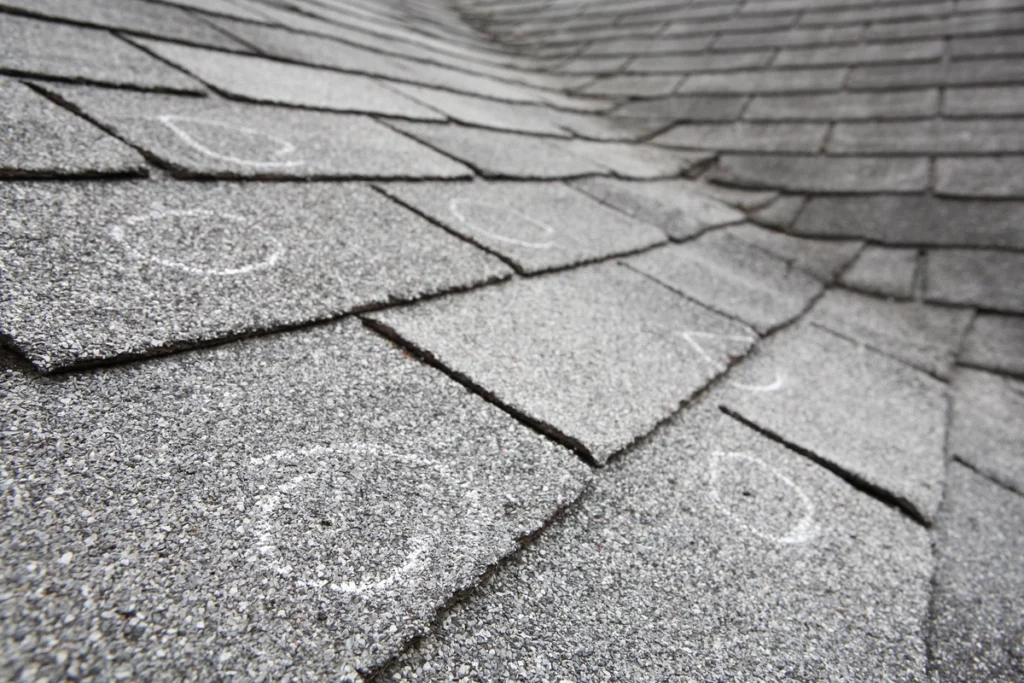
close up of asphalt roof inspection with hail damage circled in chalk

Ignoring these potential hazards could lead to more significant problems down the line – such as mold growth inside your attic or even a complete roof collapse putting you at risk for expensive repair bills or insurance claims.

Furthermore, some insurers require periodic roof certifications or thorough professional examinations before offering coverage.

In essence, conducting regular roof inspections plays an invaluable role in safeguarding both homeowners’ financial investments and ensuring their safety within their homes.

Factors that Affect the Cost of Roof Inspection

Several factors can influence the cost of a roof inspection, and understanding these elements can help you budget accordingly. One primary factor is the size and complexity of your roof.

Larger roofs with intricate designs or multiple slopes require more time and effort from inspectors, which typically results in higher fees.

Location also plays a significant role in determining the price of a roof inspection. Inspectors in densely populated urban areas might charge higher rates due to increased demand or elevated living expenses compared to their rural counterparts.

Another factor affecting roof inspection costs is the type of expert employed for the job. Hiring an independent inspector might be less expensive than hiring one affiliated with a professional organization like the National Roofing Contractors Association (NRCA).

However, working with an NRCA-affiliated inspector often ensures that they meet specific industry standards and adhere to rigorous guidelines, so it’s essential to weigh your options carefully based on your needs and priorities.

Average Cost Of Roof Inspections In 2023

closeup of architectural shingle roof to be inspected for avg cost

In 2023, homeowners can expect to pay an average of $220 for a professional roof inspection, with prices ranging from $150 to $400 depending on the region and additional services requested.

National Average Cost

In 2023, the national average cost for a roof inspection is around $222. This relatively modest expense offers homeowners peace of mind by protecting their investment and ensuring that their roof stays in good condition.

The price range typically falls between $121 and $323 depending on several factors such as the size, type, and complexity of the roof.

To put this into perspective, consider a homeowner named Sarah who lives in a region with fluctuating weather patterns causing her asphalt shingle roof to experience rapid wear over time.

By investing in routine inspections at the national average cost of $222 every couple of years, Sarah can proactively address any potential concerns before they evolve into larger issues demanding costly repairs or even full replacement of her roofing material.

Breakdown Of Costs By Region And State

The cost of a roof inspection can vary significantly by region and state. For example, in states with a high cost of living like California, New York, and Massachusetts, the average cost of an inspection tends to be higher than the national average.

In addition to location, the type of inspection you need can also impact the cost. For instance, if you require an infrared roof inspection that uses specialized technology to detect moisture and leaks beneath a roof’s surface layers, you should expect to pay more than standard physical inspections.

Additional Costs To Consider

aerial view of roof repairs after roof inspection

In addition to the cost of a standard roof inspection, homeowners may also need to factor in additional costs. For instance, if your roof requires repairs or replacement, you should expect to pay an average of $350-$550 for every 100 square feet of roofing material.

However, this price can vary depending on the type and quality of roofing materials used.

Furthermore, it is important to note that some insurance companies require a professional roof inspection before they will provide coverage. This requirement might come with certain conditions such as paying an extra premium or having specific repairs performed within a given timeframe.

Mortgage lenders may also request proof that you have had the appropriate level of inspection done prior to loan approval.

Types Of Roof Inspections

There are several types of roof inspections, and each has its own unique benefits. The most common type is a physical inspection, which involves a trained professional visually inspecting the roof for any visible damage or wear and tear.

Another type of inspection is an infrared inspection, which uses thermal imaging technology to detect potential issues that may not be visible with the naked eye.

Drone inspections have become increasingly popular in recent years, as they allow inspectors to get a closer look at hard-to-reach areas without having to physically climb onto the roof.

No matter what type of inspection you choose, it’s important to choose a reputable inspector who has experience working with your specific roofing material.

Choosing A Roof Inspector

roof inspection and minor repair work by qualified professional

When it comes to choosing a roof inspector, there are several factors to consider. First and foremost, you want to make sure that the inspector is licensed and insured.

Another important consideration when choosing a roof inspector is their reputation in the industry.

You may also want to inquire about the methods that an inspector uses during an inspection. Some inspectors prefer traditional physical inspections while others use cutting-edge technology such as drone inspections or infrared imaging.

Ultimately, selecting a reliable roof inspector can save you money in the long run by uncovering issues before they become costly problems.

Cost-Saving Tips

Saving money on a roof inspection is possible, but it requires some effort. One effective way to reduce the cost of your roof inspection is by doing some preparation work yourself.

Another way to save money during a roof inspection is by choosing a qualified inspector who offers reasonable rates. You can also consider scheduling your inspection in off-peak seasons when prices tend to be lower.

Finally, maintaining your roof regularly throughout its lifespan is one of the most practical ways to save money in terms of overall roofing expenses.

By implementing these simple tips, you can maximize every aspect of your investment while protecting your home’s value without making costly mistakes along the way.

Final Considerations

Understanding the cost of roof inspection in 2023 can help homeowners plan and budget for necessary maintenance to ensure their roofs remain safe and functional.

Factors such as region, type of inspection, and additional costs should be taken into consideration when estimating the overall expense. Hiring a professional roofing inspector is highly recommended for accurate assessments and recommendations on repair or replacement options.

So get in touch with Open Box Roofing to get started on your roofing consultation.

Roof repairs are an inevitable part of homeownership, and knowing how much they might cost can help you plan for the unexpected. With roof repair costs ranging from $379 to $1,755 on average, it’s essential to understand what factors contribute to these expenses.

In our 2023 update, we’ll break down different types of roof repairs and their projected cost, compare partial vs full roof replacement expenditures, and provide valuable tips for lowering your overall repair bill.

Understanding Roof Repair Costs

Roof repair costs, as mentioned by Forbes, can vary widely. Total cost will be based on factors such as the type and extent of damage, roofing materials, labor expenses, and regional pricing differences.

One pivotal factor affecting roof repair costs is the nature of the damage itself. Simple issues like a few missing shingles or a minor leak may only set you back $150 to $400.

However, more complex problems such as sagging roofs or improper installation can escalate costs up to $7,000 or more. At that point, replacing the entirety of the roof might make more sense financially. 

Regional variances in labor rates and material prices also contribute significantly to the overall roof repair cost. 

In highly populated urban areas with higher living standards, both labor and material charges are typically steeper than those in rural regions with lower living expenses.

Moreover, some states may require specific permits or licenses from professional roofing companies before work commences – these additional prerequisites could cause an increase in your total expenditure.

Different Types of Roof Repairs and Their Estimated Costs

family house after roof repair on the white roof

Roof repair costs vary greatly depending on the type and extent of damage your roof has sustained. Typically, homeowners might encounter three common types of roof repairs: minor, moderate, and major.

Minor roof repairs primarily involve small fixes such as patching a leak or replacing a few missing shingles. These are often relatively inexpensive projects; for example, simple flashing repairs may cost around $40 while replacing asphalt shingles could range from $150 to $400 per 10’x10′ area.

Moderate repairs include tasks like addressing water damage from leaks or replacing damaged valleys and flashings; these jobs usually fall between $400 to $1,000 in expenses.

Keep in mind that factors like geographical location, labor rates of professional roofing companies, type of roofing material being used (such as wood shingles vs metal roofs), and complexity of the job will all influence the final expenses incurred for different types of roof repairs.

Partial vs Full Roof Replacement Costs

Deciding between a partial and full roof replacement can be challenging, as both options have their own set of advantages and drawbacks. 

Partial roof replacements involve repairing or replacing sections of the roofing material that are damaged or worn out, which can save homeowners money compared to a complete overhaul.

On the other hand, opting for a full roof replacement might be more expensive upfront but could provide long-term benefits. This option becomes particularly relevant when most parts of your existing roof are nearing the end of their life cycle, indicating that further repairs may not suffice in maintaining structural integrity.

A full replacement involves removing all old materials and installing new ones on the entire surface area, ensuring better durability and energy efficiency along with reduced maintenance expenses in the long run.

It’s essential to consult with professional roofing contractors before making any decisions regarding partial vs full roof replacements.

Roof Replacement Costs

Learn about the national averages for roof replacement in 2023, factors that affect the cost, and a comparison of costs for different roofing materials. Whether you need minor repairs or a complete roof replacement, this guide will help you estimate costs and make informed decisions.

National Averages for Roof Replacement

According to industry experts, the national average cost for a roof replacement in 2023 is around $9,091. This figure is largely dependent on various factors such as the size and pitch of your roof, along with the roofing material that you choose.

For instance, while asphalt shingles are the most popular choice among homeowners due to their affordability and durability, they may not necessarily be the cheapest option available.

Other expensive roofing materials like slate or metal could also significantly increase the overall cost of a typical roof replacement project.

Factors That Affect the Cost

Several factors can affect the cost of a roof repair or replacement. One main factor is the roofing material that you choose since some materials are more expensive than others.

For example, metal roofs tend to be pricier than asphalt shingle roofs.

Another critical element to consider when factoring in costs is roof pitch or slope. A steep roof requires additional safety equipment and skilled workers, driving up the labor charges.

Moreover, if your home has several features such as chimneys or skylights impeding with your roof space, these will entail extra work hours and increase expenses on materials used for sealing around them during installation/repairing services.

Cost Comparison for Different Roofing Materials

couple planning roof repair costs at home kitchen

There are various different roofing materials to choose from when deciding on a new roof, each with their unique advantages and disadvantages.

Asphalt shingles are widely used and among the most affordable options at $5.50 – $12.50 per square foot, depending on quality and brand.

Metal roofs offer longevity exceeding 30 years with prices ranging from $9 to $16 per square foot for corrugated steel sheets.

Tile roofing looks elegant and comes in several types including clay which costs between 10-15 dollars per sq ft installed; concrete at roughly 7–$12 range; slate tiles that can cost from around 20 –$40 /sq ft installed or higher.

While it’s crucial to find a material you like aesthetically, also consider long-term upkeep and performance as well as installation expenses before making your final choice about investing in durable roofing that will save money over time by protecting your home from costly water damage repairs down the road.

Choose OpenBox for Roof Repair Today

The average cost of a roof repair can range from $379 to $8,000, depending on the extent of damage and type of repairs needed. 

A full roof replacement can be more costly, with an estimated range of $9,000 to $16,500 for a single-family home – which might not be necessary, depending on the extent of the damages. Contact OpenBox Roofing today for a free quote and estimate. Our experts will be able to determine the full extent of the damage, and give you a better idea of if it requires a simple repair or full replacement. 

Asset 500
Asset 60
Don’t Think, Just Call Pink!
Request a Free Quote

Ready to get started? Contact OpenBox Roofing today to schedule your free inspection and discover how our residential roofing services can protect your home.

Name
Asset 5 2