Our Roofing Blog

Stay up to date on the latest roofing tips, trends, and insights from the experts at OpenBox Roofing. Our blog covers everything from seasonal maintenance to choosing the right materials for your home.

Whether you’re researching a new roof, learning about repairs, or exploring sustainability options, our articles make roofing information easy to understand.

Asset 1 7
Featured Article

3 Qualities to Look for When Hiring a James Hardie Siding Contractor

about us hoodie 150x150 1
Posted By: Openbox Roofing
Here at Open Box Roofing, we strongly believe that our customers deserve nothing less than the best. That’s why we’re proud to be a part of the James Hardie Contractor Alliance Program. James Hardie siding is on more than 8 million homes across North America because it’s the best fiber cement siding product on the market, […]
Asset 17

Your home’s roof serves as the first line of defense against harsh weather conditions, and keeping it in top shape is crucial for safeguarding your property. With our sample roof inspection checklist designed for the handy homeowner, you can now be proactive about maintaining your roof regularly.

In this blog post, we’ll discuss the importance of timely inspections on your roof while providing an easy-to-follow guide covering the interior and exterior to keep your roofing system sound and secure. Of course, this also includes regular commercial building inspections.

Remember, before fixing damages or replacing your roof, an inspection will give you an accurate assessment of your roof’s needs.

To have your roof inspected by a professional, contact a roofing company for professional advice.

Why Regular Roof Inspections Are Important

Regular roof repairs are critical for detecting potential problems early, preventing costly repairs, and maintaining the value of your home.

Detecting Potential Problems Early

Detecting potential problems early is a crucial aspect of roof maintenance that every homeowner should prioritize. Regular inspections allow homeowners to identify issues such as water damage, cracks in roof shingles and tiles, and other signs pointing to long-term problems or structural weaknesses.

For example, detecting an issue with your gutter system before it causes severe water damage can save thousands of dollars in repair costs. Additionally, spotting any loose shingles or missing shingles can help prevent leaks during heavy storms and protect the interior of your home from extensive water damage.

Early detection also allows you to schedule cost-effective repairs when necessary – hiring a professional, reputable roofing contractor and inspection services before significant issues arise may be more affordable than waiting for critical failures.

Preventing Costly Repairs

Regular roof inspections play a crucial role in preventing costly repairs for homeowners. By proactively identifying potential issues with a new roof, such as damaged or missing shingles, cracks in the flashing, and clogged gutters, homeowners can address these problems before they escalate into more significant damage that requires expensive fixes.

For instance, if water can infiltrate your home due to unchecked roof leaks, it could lead to mold growth and structural damage, which will demand extensive repairs.

Roof maintenance helps preserve the integrity and lifespan of your roof and ensures your family’s safety by mitigating hazards such as falling debris or collapsed roofing materials.

Maintaining The Value Of Your Home
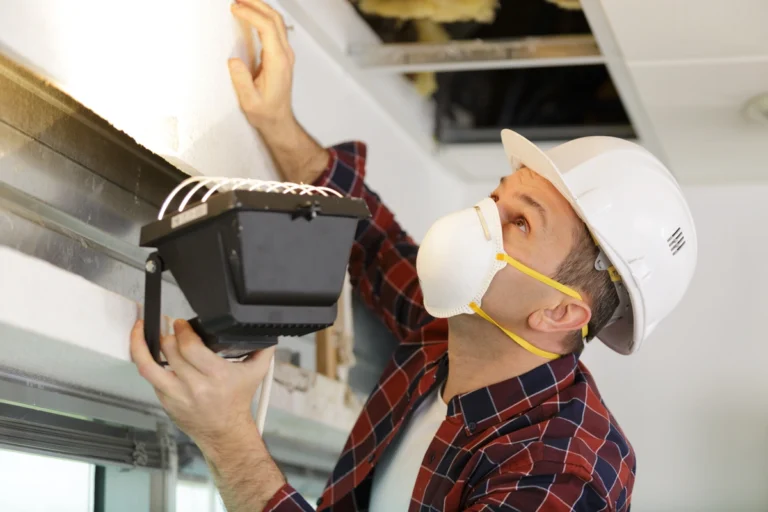
contractor using lamp to inspect the roof area of a house

A critical factor in maintaining your home’s value is ensuring its structural components, such as the roof, are consistently cared for and kept in good condition.

A well-maintained roof enhances your home’s curb appeal and contributes significantly to preventing interior damage caused by water leaks or mold growth, which can negatively impact your property valuation.

For instance, a homeowner who regularly inspects their roofing system and promptly addresses minor issues is more likely to avoid costly repairs while preserving their home’s worth.

In contrast, a neglected roof may lead to extensive damages that require significant financial investments – expenses that could have been avoided with routine maintenance checks.

Furthermore, potential buyers often prioritize a home’s overall upkeep; therefore, exhibiting diligence about your pre-emptive roofing measures can make all the difference when it comes time to sell.

Sample Roof Inspection Checklist for Homeowners

The sample roof inspection checklist for homeowners includes a more thorough inspection, a comprehensive exterior inspection, a gutter inspection, and an interior inspection to help spot any potential issues with the roof.

Exterior Inspection

The exterior of your roof is the first line of defense against harsh weather conditions. Inspecting this part of the roof regularly ensures it’s in good condition and functioning as intended.

Inspect roof surfaces and look for signs of wear and tear, such as missing or broken shingles, cracks on the roof surface above, or rusted flashings that could cause leaks.

A proper inspection can help save you money by detecting minor issues early before they become more significant problems requiring costly repairs. For instance, catching minor water damage early can help prevent mold growth or rotting wood, which would require extensive repair work later on.

Gutter Inspection

Checking your gutters is a critical part of any roof inspection checklist. Gutters protect your home from water damage by channeling rainwater away from the foundation.

As part of your regular roof maintenance routine, checking for clogs or debris obstructing the drainage pipes or the gutter system is crucial. In addition, remove any leaves, branches, or other items accumulated in the gutters, which could cause blockages or overflows during heavy rainfall.

Regular cleaning of your gutters also helps prevent ice dam formation in winter months when snow and ice build-up on roofs are common problems that can lead to more significant issues if not addressed promptly and properly sealed.

Interior Inspection

One crucial aspect of a roof inspection is examining your home’s interior finishes, including ceilings and walls. This part of the roof leak inspection can help detect any water penetration or signs of frost build-up that might have gone unnoticed.

It’s also essential to check for structural distress caused by sagging or cracking in the roof corners and ceiling joints.

A homeowner should be aware that water damage inside the house could indicate more significant problems resulting from leaks outside the roof. In addition to standing water, different roofing materials require different maintenance methods, which depend on climate and location.

Ensuring that one’s residence meets building code standards is necessary too.

Pre-Inspection Preparation
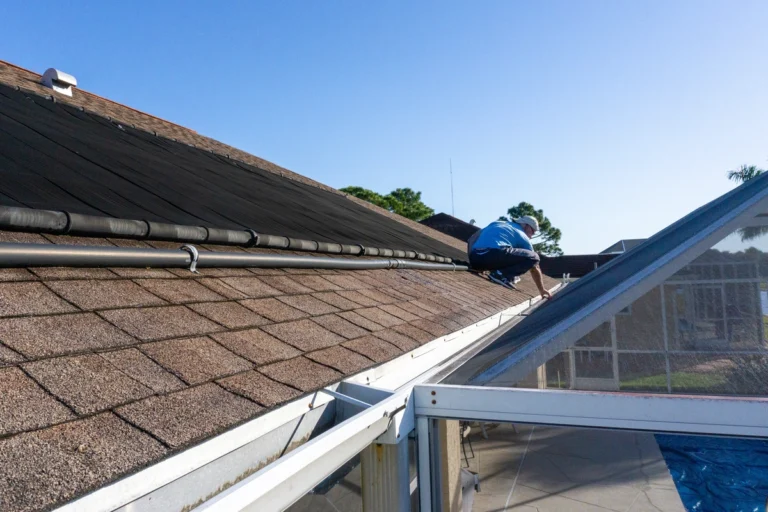
Homeowner doing his house roof inspection

Before conducting a roof inspection, homeowners need to prepare adequately. This includes providing access to all relevant information, such as building plans and warranty documents.

Additionally, ensuring safe and easy access to the various roof surfaces for inspection is crucial.

Another vital aspect of pre-inspection preparation involves record-keeping. Keeping track of past inspections, test investigations, and roofing repairs and replacements helps provide an accurate history of the roof’s condition.

Regular inspections with proper pre-inspection preparation will help keep roofs in good condition while keeping repair costs low.

In conclusion, adequate pre-inspection preparation is essential before checking your roofing system and performing a detailed roof inspection.

Conclusion

Regular roof inspections are essential to maintaining your home’s value and preventing costly repairs. Following our sample roof inspection checklist, homeowners can identify potential problems early on and take appropriate action before they become more severe.

Safety should always be a top priority when performing roofing work, so use caution and seek a professional roofing contractor for help.
A roof is a crucial part of any home, providing safety and protection from the elements. As homeowners, we often contemplate which roofing materials offer the best aesthetics and the longest lifespan to save us precious time and money on frequent repairs or needing a full roof replacement.

This blog compares high-quality roofing materials like metal roofs, clay and concrete tiles, and slate roofs to answer the question: “What is the Longest Lasting Roof Material?” By looking into factors that affect longevity, such as climate, weather conditions, material quality, and proper installation or maintenance procedures, we’ll help you decide when to choose your next durable and cost-effective roofing solution.

If you are still unsure, contact a professional roofing contractor for help!

Key Takeaways

  • The longevity and durability of a roof depend on factors like climate, quality of materials, proper installation, and maintenance practices.
  • Slate roofing is considered the longest-lasting option, with a lifespan of more than 100 years if properly maintained. Other durable options include metal roofing and clay/concrete tiles, which offer lifespans ranging from 40 to over 50 years.
  • High-quality materials are critical for ensuring longevity in a roof. Conversely, using substandard materials may lead to early wear and tear, significantly reducing lifespan.

Comparison Of Longest-Lasting Roofing Materials

Let’s compare the longevity of different roofing materials to determine which options are the most durable and long-lasting, including metal roofing, clay and concrete tiles, and slate tile roofs above.

Metal Roofing

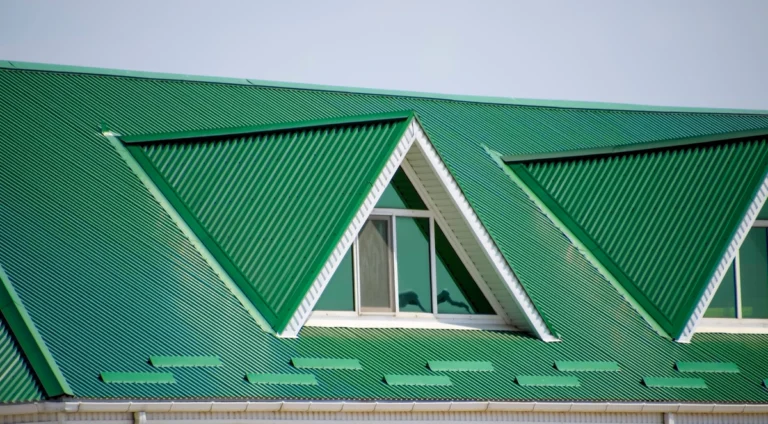
green metal roof on a building with plastic windows

Among the various roofing materials available, metal roofing is considered one of the longest-lasting options for homeowners. With a life expectancy of 40-70 years, it far surpasses traditional asphalt roofing, typically lasting between 12 and 20 years.

Standing seam metal roofing has gained popularity among numerous architectural styles due to its sleek appearance and weatherproof construction. While the initial cost may be higher than other materials, investing in a standing seam metal roof also provides long-term benefits like improved aesthetics and energy efficiency.

Clay and Concrete Tiles

Clay and concrete tiles are renowned for their impressive lifespan and durability, making them a top choice among homeowners seeking long-term roofing solutions. Not only do these materials boast longevity ranging from 50 to 100 years or more, but they also offer exceptional insulation properties that contribute to home energy efficiency.

Both clay and concrete tiles have proven themselves as cost-effective alternatives to architectural asphalt when compared to other roofing materials due to their extended service life. While concrete tiles typically last 30 to 50 years, clay counterparts can theoretically endure for over a century with proper maintenance.

Furthermore, clay tiles display superior performance in hot climates or areas prone to salt air exposure – features make them particularly popular choices in Southern coastal regions where such conditions prevail.

Slate Roofs

Slate roofs have long been hailed as the pinnacle of durability and longevity among roofing materials. Crafted from natural slate tiles, these premium roofing systems are designed to withstand the test of time, boasting an impressive lifespan of more than a hundred years with minimal maintenance required.

Aside from their remarkable lifespan, slate roofs offer unparalleled beauty and elegance, adding significant value to properties. Although synthetic slate options boast a good 40-50 year lifespan if adequately installed – nothing quite compares to the aesthetics and resilience of natural slate roof tiles in terms of performance and visual appeal.

Factors Affecting Longevity

Climate, material quality, and proper installation and maintenance are the key factors affecting a roof’s lifespan.

Climate And Weather Conditions

The geographical location of a building plays an essential role in determining the lifespan of its most common roofing materials. Extreme temperatures and severe weather conditions can cause damage to roofing materials, leading to premature wear and tear.

Additionally, excessive sun exposure can quickly deteriorate roofs made from certain materials, such as asphalt shingles, causing them to crack and fade over time. Choosing the right roofing material for your area’s climate ensures greater durability and longer-lasting results.

Quality Of Materials

The quality of materials used for roofing is an essential factor in determining the longevity of a roof. High-quality materials are often more durable and can withstand harsh weather conditions, resulting in a longer lifespan.

For instance, slate is considered one of the best long-lasting roofing materials due to its minimal porosity and resistance to freeze-thaw cycles.

On the other hand, using low-quality or substandard materials for your roof may lead to premature wear and tear, reducing your roof’s lifespan significantly. Therefore, prioritizing high-quality materials is crucial when choosing your roofing options.

Installation And Maintenance

Proper installation and regular maintenance are critical in ensuring the longevity of any roofing material. Even the highest quality materials will not last long if installed incorrectly or maintained regularly.

Roof maintenance involves clearing debris, checking for leaks and damage caused by weather conditions or animals, and promptly addressing any issues found.

Investing in high-quality materials, getting expert installation help, and performing routine maintenance on your roof over time increases its lifespan dramatically while saving you money by avoiding expensive repairs or full replacements sooner than anticipated.

Choosing The Right Roofing Material For Longevity

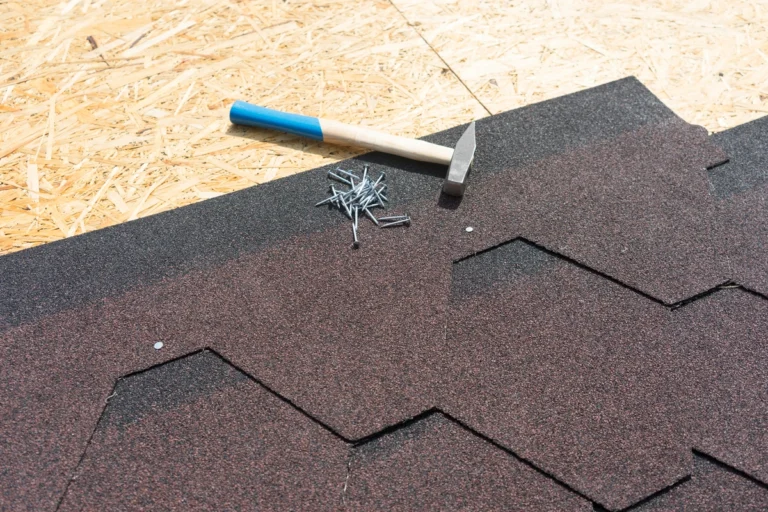
process of installing architectural shingles with a hammer

Choosing the right roofing material is crucial to ensure longevity and durability for your roof. Factors such as climate, quality of materials, installation, and maintenance can significantly affect the lifespan of your roof.

When choosing between different roofing materials, it’s essential to consider the cost and lifespan of each option. For example, asphalt shingles are a standard and affordable option, but they typically last 10-20 years before requiring replacement.

Architectural shingles are another popular choice due to their durability and aesthetic appeal.

Choosing the right roofing material ultimately depends on personal preference based on budget constraints, desired aesthetics, and environmental considerations specific to your area.

Conclusion

In conclusion, when it comes to choosing the longest-lasting roofing material, slate is the clear winner. However, other durable options, such as metal roofing, clay, and concrete tiles, also offer a lengthy lifespan for your roof.

The durability of whole wood roofing also depends on various factors, including the materials’ quality, installation, and maintenance practices. Therefore, it’s crucial to consider these factors before choosing the suitable roofing material for your home.

Contact a professional roofing company for assistance in your final decision!

If you’re a homeowner facing the daunting task of installing a new roof, this Roofing 101 guide is here to help! In this beginner-friendly article, we will walk you through essential information about signs your roof needs replacing, roofing materials to consider, and basic steps for DIY roof installation.

With our comprehensive introduction to roofing basics, you’ll be well-equipped to decide whether to embark on a DIY project or which roofing industry best fits your needs.

Key Takeaways

  • Basic steps for DIY roof replacement include removing old composite shingles, installing a drip edge and underlayment/felt paper, and installing new shingles in a staggered pattern while securing them with nails or adhesive.
  • Seeking assistance from professional roofing contractors can ensure the correct removal of old roofing materials and proper installation techniques like drip edges are used for better protection against weather damage and time-efficient completion.
  • Regularly inspecting your property’s roofing system is important in identifying any issues on time before they escalate into bigger problems requiring full-scale replacement.

Signs Your Roof Needs Replacement

It’s not always easy to tell when you need to replace your roof, but a few key signs indicate the time has come. They include:

  • Cracked Shingles – Whether it’s storm damage, extreme temperatures, or age, cracked shingles are a common sign that your roof needs replacing. You can use visual inspection to look for any cracked shingles or missing roof tiles.
  • Water Damage – Leaks, water stains, and mildew can indicate underlying issues on your property’s roof. If these signs of water damage persist after basic repairs and maintenance, a full roof replacement is likely necessary.
  • Missing Shingles – If you spot any missing shingles on your roof, they need to be replaced as soon as possible. This can prevent further water damage and save you from costly long-term repairs.
  • Sagging Roof Decking – If your roof is sagging or drooping, it’s likely due to moisture build-up within your roof’s decking or roof sheathing. A sagging roof requires immediate repair or replacement for structural integrity and safety.
  • Rust, Corrosion, or Moss – Rust, corrosion, and moss buildup can indicate moisture buildup within your roof’s decking. These signs need to be addressed before the problem becomes worse.
  • Frequent Repairs – If you are constantly repairing your property’s roof system, this could indicate that the basic roofing components have already reached the end of their life cycle and need replacing.

By considering these signs of roof damage, you can decide whether to go for a repair or replacement for your roofing project. It is important to consult a professional roofer if you are unsure of any signs you see. They can take on thorough roof inspections such as visual, thermal, and moisture scanning to help you make the right decision. 

Basic Steps for Roof Replacement

damaged traditional wooden roof shingles

The basic steps for roof replacement include removing the old roof, installing drip edge, laying out underlayment and felt paper, and installing a new asphalt shingle roof.

Check out a complete analysis of Roofing 101: steps for roof replacement:

Removing Old Roof

This process allows for a clean slate, which ensures the proper installation of new materials and prevents any unforeseen damage from being covered up.

Removing old roofing material may seem overwhelming, but it can be done efficiently with the right tools and knowledge. It’s essential to wear proper safety gear and follow specific precautions when removing old asphalt roof shingles to prevent accidents or injury.

Additionally, if you’re unsure about tackling this step yourself, seeking the help of a  roofing company may be necessary to ensure that it’s done correctly.

Installing Drip Edge

Installing a drip edge is an essential part of any roof replacement project. It’s a thin piece of metal flashing installed at the bottom of the roof, under the shingles, and on top of the underlayment.

To install a drip edge, you’ll need to measure how much material is needed for each side of your roof and then cut it to size. After cutting, nail down one section at a time using roofing nails every 12 inches along the top flange (the part underneath should remain unnailed).

Remember that without proper installation techniques like drip edges, roofs may not last as long as possible with better protection methods.

Laying Out Underlayment and Felt Paper

Underlayment is a waterproofing layer that provides an extra barrier between the shingles and the roof deck, protecting your home from moisture damage.

When installing underlayment, it’s important to pay attention to detail. Each roll should overlap at least four inches with adjacent rolls, creating a watertight seal around nail holes.

A roofing contractor uses various types of underlayment, such as synthetic polymer-based materials like polyester and fiberglass fabrics for enhanced strength or asphalt-saturated organic felts for durability.

Installing New Shingles

man installing new shingles on the roof using nailgun

Installing new shingles is a crucial part of roof replacement. It involves laying down the outermost layer of protection against weather damage, providing aesthetic appeal and functionality.

Asphalt shingles are one of the most common roofing materials you can use for their long-lasting durability and affordability. Proper installation includes creating an even base with underlayment, installing each shingle in a staggered pattern, and securing them with nails or adhesive.

Once installed correctly, asphalt shingles can last up to 20 years, depending on specific factors such as climate conditions and maintenance.

Post Installation Inspection

Inspecting the completed roof replacement job for any potential issues that may have been missed is essential. Doing so will help you identify and fix problems before they become major concerns.

You can check the roof’s condition by visually inspecting for any loose or missing shingles, ensuring all nails are correctly secured and sealed, and evaluating any signs of water damage. Contact a professional roofer immediately if you spot any issues during your post-installation inspection.

Conclusion

Replacing a roof may seem daunting, but it can be done successfully with the right knowledge and tools. By identifying these roofing 101 signs of damage and following basic steps for replacement, homeowners can save time and money while protecting their homes from leaks and other roofing problems.

Whether choosing to hire a reliable roofing business or tackle the job themselves, understanding roofing basics is essential for any homeowner. With resources such as DIY guides and expert advice on materials and processes available online, anyone can feel confident taking on this vital project.

Contact us today for professional help.

A roof is one of the most critical components of any home, protecting it from harsh weather, UV rays, and other potential damages. So, how often should you plan for a new roof? 

When considering the best time to get a new roof installed, various factors such as materials used, climate conditions, and maintenance levels affect the process, so you’ll want to be informed and prepared.

Take a look at essential aspects like understanding your roof’s lifespan and recognizing signs that indicate it’s time for a replacement.

Understanding Roofing Lifespan

To determine when it’s time to replace your roof, it’s important to understand the average lifespan of popular roofing materials and the factors that can impact their longevity.

Factors That Affect The Lifespan Of Your Roof

Various factors can influence the lifespan of your roof, ranging from the type of roofing material to environmental conditions and proper maintenance. For example, architectural asphalt shingle roofs are known to last around 20 years, while tile roofs boast a significantly longer life expectancy of up to 50 years or more.

Additionally, adequate attic ventilation plays a vital role in extending your roof’s lifespan by preventing trapped moisture that leads to wood rot and other structural issues.

Homeowners should be aware that poor workmanship during installation or repairs may also result in an earlier than anticipated full roof replacement. The importance of selecting an experienced and reliable roofing expert plays a key role in the longevity of your roof.

Signs That Indicate It’s Time To Replace Your Roof

old house with a damaged and aged roof

There are several signs that indicate it’s time to replace your roof, including the age of the roof, damaged or missing shingles, a sagging roof deck, water damage, and excessive granule loss from the shingles.

Age Of The Roof

One of the most significant factors that determine when it’s time to replace your roof is its age. Generally speaking, shingle roofs have a lifespan of 15-30 years, with architectural asphalt shingles lasting closer to 30 years and traditional three-tab composition shingles at around 25 years.

However, various external factors like harsh weather conditions and UV rays can contribute to a reduced life expectancy. For example, exposure to high winds or storm damage may cause missing or damaged shingles, which in turn could lead to water damage if left untreated.

As a homeowner, it’s crucial not only to keep track of these repairs but also maintain accurate home improvement records documenting any work done on the roof.

Damaged Or Missing Shingles

Damaged or missing shingles are often one of the first visible signs that your roof may need replacement. As shingles age, they can become brittle and less resistant to harsh weather conditions such as high winds, heavy rain, and hail.

To prevent further damage to your home’s structure and avoid costly repairs down the line ensure that you promptly address any damaged or missing shingles with professional help from a roofing contractor who can assess if additional repairs are necessary.

Sagging Roof Deck

A sagging roof deck is a cause for concern and could indicate underlying problems that can lead to more extensive damage. Sagging roof decking occurs when the supporting structure of the roof, such as beams or rafters, start to weaken over time due to moisture or termites.

This issue can happen with any roofing material and can be worsened by harsh weather conditions such as high winds or storms. Look out for visible signs of a damaged roof deck like a dip in your ceiling or noticeable curvatures on the exterior of your home.

Unfixed damage can result in more extensive and dangerous issues like rotting boards, mold or moss growth, and substantial water damage.

Water Damage

One of the most common signs that it’s time to replace your roof is water damage. Actually, water damage can lead to further and more expensive repairs if not addressed quickly.

Water stains on ceilings or walls suggest there may be an unaddressed leak in your roof. If left unchecked, this excess moisture can cause mold growth, a sagging ceiling, and a host of other problems that undermine the integrity of your entire home structure.

It’s essential for homeowners to inspect their roofs regularly and get any leaks fixed as soon as possible by hiring a professional roofing contractor before extensive damage occurs.

The Roofing Timeline

Learn about the average lifespan of popular roofing materials, factors that can affect replacement costs and timeline, and why it’s important to hire professional roofers for the job.

Average Lifespan Of Popular Roofing Materials

The lifespan of your roof depends heavily on the material it’s made from, and knowing how long you can expect each type to last is important when trying to plan for a replacement.

Asphalt shingles are the most popular roofing material for residential properties due to their affordability and durability, lasting 20-30 years with a 25-year warranty. Wood shingles roofs have a shorter lifespan of around 15-25 years but provide a unique aesthetic that some homeowners prefer.

Metal roofs can last up to 50 years or more, while tile roofs (made from materials such as clay) can last up to 75 years with proper maintenance. Remember that frequent inspections and regular maintenance will help extend the life of your roof regardless of its material.

Make sure you keep home improvement records handy so you’ll know exactly when your current roof was installed in case you need repairs or a replacement down the road.

Factors That Can Affect The Timeline And Cost Of Replacement

Several factors can impact the timeline and cost of a roof replacement. The size and slope of the roof, as well as the type of material being used, are two significant factors to consider.

For example, a small roof may only take one day to replace while larger roofs could take up to 12 days.

Weather conditions can also affect both the timeline and cost of an entire roof replacement. Rain or high winds may delay work or even cause further damage that needs to be fixed before continuing with installation.

The Importance Of Hiring Professional Roofers

professional hired to replace the house roof

Hiring professional roofers is crucial when it comes to ensuring the longevity and safety of your roof. While DIY roofing may seem like a cost-effective option, purchasing necessary equipment can be expensive, and bad patch jobs can rapidly worsen leading to further damage down the line.

Professional roofers are experienced in working with deadlines and can ensure timely completion of work, as well as ensure that your roof is structurally sound and tell you if the roof needs to be replaced.

Final Thoughts

How often should you replace your roof? Understanding the lifespan of your roof and recognizing key warning signs can help you determine when it’s time for a replacement. As a general rule of thumb, asphalt shingles should be replaced every 15-30 years, while metal roofs can last up to 75 years with proper care.

Other factors such as location and maintenance also play a role in determining the timeline for replacements. If you notice sagging spots or other visible signs of damage, don’t wait to contact the professionals at Open Box Roofing today!

Does a new roof increase home value?

If you’re thinking that it’s time to upgrade your home’s roofing system, the answer is yes! It can seriously increase home value and prove to be a great investment for you and your family as well as when it’s time to sell. If you’re in the thick of the decision to repair or replace your roof — don’t worry, we’re here to help.

A new roof can be a game-changer in increasing your home’s value and curb appeal. Not only does a new roof protect your investment from the elements, but it can also save you money on energy costs and significantly boost the resale value of your property.

White house with new dark shingle roof installed to increase home value

Key Takeaways

  • A new roof can significantly improve the value and curb appeal of your home while also providing long-term energy savings and protection.
  • The type of roofing material you choose can impact both the ROI and added value to your property, with options like metal roofs offering superior longevity and durability compared to traditional asphalt shingles.
  • Professional consultation from a reputable roofing contractor is necessary to select suitable roofing materials, ensure proper installation, plan for financing options, maximize warranty benefits, and schedule regular maintenance after installation.
  • Properly maintaining your new roof through regular cleaning, tree trimming, and leak checks will help ensure optimal ROI over time.

Does a New Roof Increase Home Value? – 4 Factors

Several factors can impact how much value a new roof adds to your home, primarily its current condition. For example, an aging or damaged roof may deter potential buyers due to concerns about leaks and energy inefficiency, and the roof affects the overall structural integrity, thus leading to a lower selling price.

Another factor affecting the added value is the choice of roofing materials. Asphalt shingles are popular for their affordability and versatility. Still, they may not offer as high a return on investment as more durable options like metal roofing which provides increased longevity, energy efficiency, and minimal maintenance requirements.

Sleek dark shingle roof added on residential home - increasing home value

Additionally, curb appeal plays a significant role in determining your home’s worth.

Lastly, local real estate market conditions must also be considered in determining the value added by a new roof. For example, in competitive markets where multiple homes are vying for buyer interest or when tree branches pose fire hazards within specific neighborhoods, adding premium features such as solar panels or using fire-resistant materials like metal roofs could make all the difference in distinguishing your property from others available for sale in those regions.

Does a New Roof Increase Home Value – The Benefits

One of the primary benefits of replacing your existing roof is enhanced curb appeal, as a new roof significantly improves your home’s overall aesthetic and visual attractiveness.

A well-maintained home with updated roofing materials can make an outstanding impression on potential buyers, neighbors, and visitors alike. Take, for instance, two homes in the same neighborhood; one with a pristine new metal roof top that gleams beautifully under sunlight versus another with worn-out asphalt shingles marred by algae growth.

Moreover, energy efficiency is another crucial advantage tied to installing a new roof. Old roof or damaged roofs may result in significant heat loss during winter months or allow sweltering temperatures to seep in during summer – causing homeowners to rack up hefty utility bills trying to maintain optimal indoor comfort levels.

A further financial benefit linked to opting for a full roof replacement lies in reducing long-term maintenance expenses.

ROI – Value Added By Different Roofing Materials

Close up view of metal shingles installed on roof with a higher value for home

Oftentimes when homeowners ask, “Does a new roof increase home value?” they’re referring to ROI.

The return on investment (ROI) and value added to your home can vary significantly depending on the type of roofing material you choose. Asphalt shingles, for example, are a popular choice due to their affordability and relatively easy installation process.

According to a cost vs. value report, replacing a roof with new asphalt roof shingles could increase your home’s value by about $18,780, with an ROI of around 60.9%.

On the other hand, metal roofs offer numerous advantages over traditional asphalt shingle roofs in terms of durability, energy efficiency roof cost, and minimal maintenance requirements.

Although they often come at a higher initial cost than asphalt shingle replacement options, metal roofing materials can last up to 50 years or more – considerably longer than the average lifespan of asphalt shingles which is around 20-30 years.

Wooden shingles and composite materials bring their own unique aesthetic qualities that can amplify curb appeal while providing solid protection against harsh weather conditions.

Homeowners who opt for these premium materials enjoy increased visual appeal and benefit from enhanced protection against fire hazards compared to standard asphalt options, thanks largely to advanced fire-resistant treatments applied during manufacturing processes.

Choosing The Right Roofing Material For Your Home

Downward aerial view of shingle roof newly installed on residential home

When considering, “does a new roof increase home value?” — there are several factors to consider.

Selecting the right roofing material for your home is a crucial decision, as it can impact your home’s resale value and long-term maintenance costs. When choosing a roofing material, such as its durability, energy efficiency, curb appeal, and cost.

Asphalt shingles are the most popular choice due to their low cost and easy installation.

If you have more money to invest in a new metal roof replacement, then metal roofs offer incredible durability with minimal maintenance needed. They also provide better insulation, resulting in lower energy costs over time.

It’s essential to consult with a reputable roofing contractor who can advise you on the best type of roofing system based on your budget and preference while considering local weather conditions like high winds or heavy snowfall.

Financing Options For A New Roof

Roofing contractors working to replace full roofing system

A new or asphalt roof replacement can be a significant financial investment, and many homeowners may need to explore various financing options. Personal loans are a popular option as they offer flexibility and do not require equity in the home.

It is important to note that the type of roofing material can impact financing options. For example, some lenders may not approve loans for certain types of materials like tile or slate due to their higher costs.

Regardless of which financing option you choose, it is crucial to consider all costs associated with owning a new roof, such as ongoing maintenance expenses and potential increases in homeowners insurance premiums.

Conclusion

Upgrading your roof can be a smart investment in terms of boosting your home’s value and protecting it for years to come. By selecting the right roofing material, hiring a reliable contractor, and exploring financing options, you can achieve optimal results.

Not only does a new roof increase home value, but it adds curb appeal by enhancing your home’s exterior and offers long-term energy savings as well. Whether you opt for an all-asphalt shingle roof or metal roofing solution, investing in a new roof is sure to pay off with increased resale value and peace of mind. 

Consult a professional roofing contractor before making a decision!

Have you ever wondered how long it takes to replace a roof? Whether planning a home renovation or dealing with unexpected damage, knowing the duration of your roof replacement project is crucial for scheduling and budgeting.

The truth is that various factors impact the timeline, such as weather conditions, roofing materials, and even the contractor’s efficiency. In this insightful blog post, we’ll explore all these aspects in detail to help you have an accurate idea of what to expect when replacing your roof.

Contact a professional and reliable roofing contractor for expert advice. 

Factors That Determine How Long It Takes to Replace a Roof

Several factors come into play when determining the duration of a roof replacement project, with the type and size of your home’s existing roof being two significant considerations.

For instance, smaller homes may require only one day for a professional roofing company or crew to replace an asphalt shingle roof, while larger or more complex roofs could take several days.

Another critical aspect impacting your roof replacement timeline is the choice of the roofing material itself. Traditional asphalt shingles typically have a quicker installation time than wooden shingles, which can take six to eight days for a total replacement due to their unique installation requirements.

Inclement weather, like rain or freezing temperatures, may cause delays since optimal conditions are necessary for most installations to ensure safety and proper adherence to materials.

Preparation Work Before Roof Replacements

A well-organized and thorough preparation phase is crucial to ensuring a smooth and efficient roof replacement project. This process begins with the homeowner scheduling an initial meeting with a reputable roofing contractor to discuss their needs, budget, and desired materials.

During this preparatory stage, homeowners must clear the surrounding area of any obstacles that could hinder easy access for roofing crews or pose safety hazards.

Lastly, coordinating with neighbors is essential when preparing for a roof replacement project. Informed neighbors will be understanding of occasional noise disturbances caused by construction work.

The Roof Replacement Process

roofer building the roof structure

The roof replacement process begins with a thorough inspection of the existing roof by a professional roofing contractor. This assessment allows them to identify any underlying issues, determine the best course of action, and provide an accurate estimate for the project timeline and cost of the roof replaced together.

Following the inspection, homeowners will choose the type of new roofing materials they want for their home, such as asphalt shingles, synthetic slate, or wooden shakes.

Once all decisions regarding material choices and timelines are agreed upon with roofing companies, it’s time for the installation to start. Roofing crews begin by removing old roofing material from your home using various tools such as shovels or pry bars before performing any necessary repairs on sheathing or rafters underneath.

When these steps are completed, skilled roofing professionals lay out the chosen new materials across your roof according to manufacturer recommendations and industry standards.

Time Estimates for Different Types of Roofs

The time it takes to replace a roof depends on the type of roofing materials used. Asphalt shingles are the most commonly used roofing material; replacing them for an average-sized home usually takes 1-3 days. However, wooden shakes can take about 3-4 days.

Moreover, flat roofs take longer for replacement than sloped ones due to their larger surface area and the complexity of the flat roof structure design.

Finally, harsh weather conditions such as rain or freezing temperatures could delay roof replacements since safety precludes working under these circumstances.

Ways to Expedite the Roof Replacement Process

As a homeowner, it’s natural to want the roof replacement process to be as quick and painless as possible. Fortunately, there are several ways you can help expedite this project.

Start by carefully selecting your roofing contractor – make sure they have experience with your specific type of roofing industry.

Another way to expedite the roof replacement is to clear any obstacles or debris around your home that may delay roofing crews.

Choosing materials requiring less installation time can also save you time during a roof replacement project, especially if you’re working on a tight deadline due to weather concerns or other factors.

Potential Delays In the Roof Replacement Process

Although the average time to replace a roof is 1-3 days for most homes, potential delays could prolong your roofing project. One of the main factors that can slow down the process is weather conditions.

Rain or freezing temperatures could make it difficult for crews to work safely and efficiently, causing a delay in your roof replacement timeline.

Another factor that could delay needed repairs on your existing roof structure. If roofing contractors discover significant damage during their initial inspection or encounter unforeseen issues once they begin working, more time may be needed to complete these repairs before starting with the actual replacement process.

While choosing a reliable roofing contractor can help minimize these risks, other factors beyond your control might also impact the speed of your project.

Inspection and Clean-up After Roof Replacement

newly built private house with metal roof

Once the roof replacement process and the new roof are complete, the roofing contractor must conduct a thorough inspection to ensure that everything is installed correctly and that there are no safety hazards.

An experienced roofer knows how important it is to leave your property in pristine condition after completing a job. They should conduct an extensive clean-up process, including removing all debris from your yard and driveway.

Bottom line: Inspection and clean-up are two critical aspects of any roof replacement project that homeowners should pay attention to when choosing a professional contractor.

Conclusion

In summary, the time it takes to replace a roof can vary greatly depending on several factors. Many variables come into play, from preparation work to the actual installation process and clean-up afterward.

However, with the help of a professional roofing contractor and efficient planning, you can expect your roof replacement project to take anywhere from one day for an average-sized home up to two or three days for larger or more complex roofs.

Asset 500
Asset 60
Don’t Think, Just Call Pink!
Request a Free Quote

Ready to get started? Contact OpenBox Roofing today to schedule your free inspection and discover how our residential roofing services can protect your home.

Name
Asset 5 2