Our Roofing Blog

Stay up to date on the latest roofing tips, trends, and insights from the experts at OpenBox Roofing. Our blog covers everything from seasonal maintenance to choosing the right materials for your home.

Whether you’re researching a new roof, learning about repairs, or exploring sustainability options, our articles make roofing information easy to understand.

Asset 1 7
Featured Article

3 Qualities to Look for When Hiring a James Hardie Siding Contractor

about us hoodie 150x150 1
Posted By: Openbox Roofing
Here at Open Box Roofing, we strongly believe that our customers deserve nothing less than the best. That’s why we’re proud to be a part of the James Hardie Contractor Alliance Program. James Hardie siding is on more than 8 million homes across North America because it’s the best fiber cement siding product on the market, […]
Asset 17

An inevitable milestone that every homeowner will reach is the need to replace their roof. We might all go through it, but it doesn’t mean that it is easy to deal with. After all, roof replacements can be:

  • Costly
  • Time-consuming
  • Messy

On top of that, just because you are ready to replace your roof doesn’t mean that a roofing contractor will be available, particularly during the busy season. If you are a handy homeowner, you may be considering just taking the project on by yourself!

However, you need to know more than how to properly install the roof…you also need to learn how to remove it!

In this blog post, we will provide you with a step-by-step guide on how to remove shingles, discuss the necessary equipment, address the signs for roof replacement, and advise on when it’s best to hire a professional.

What Equipment Is Needed
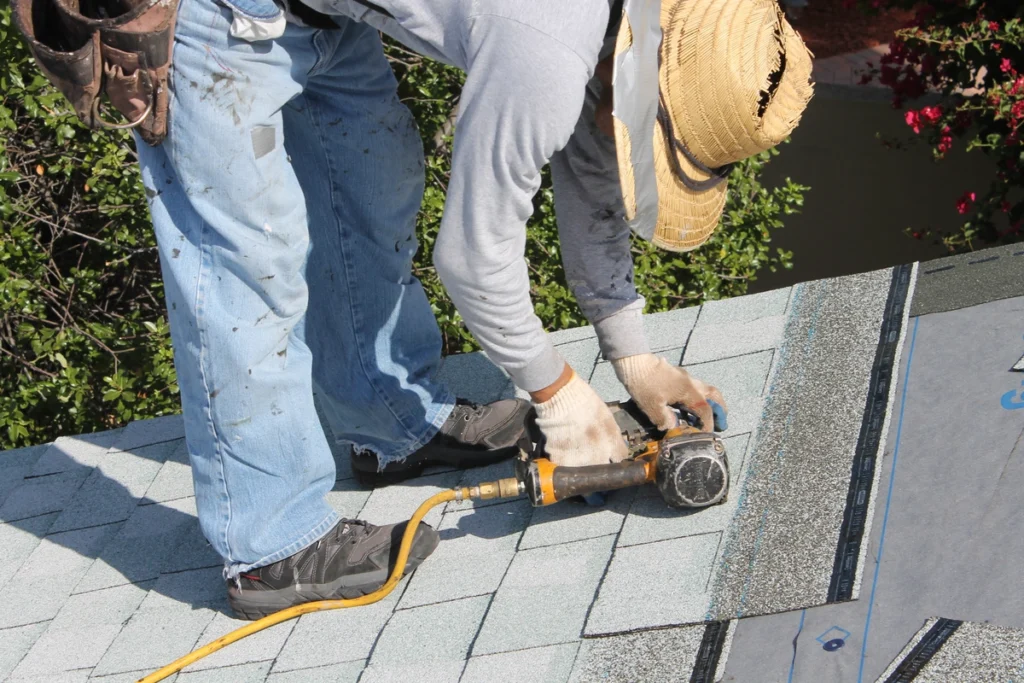
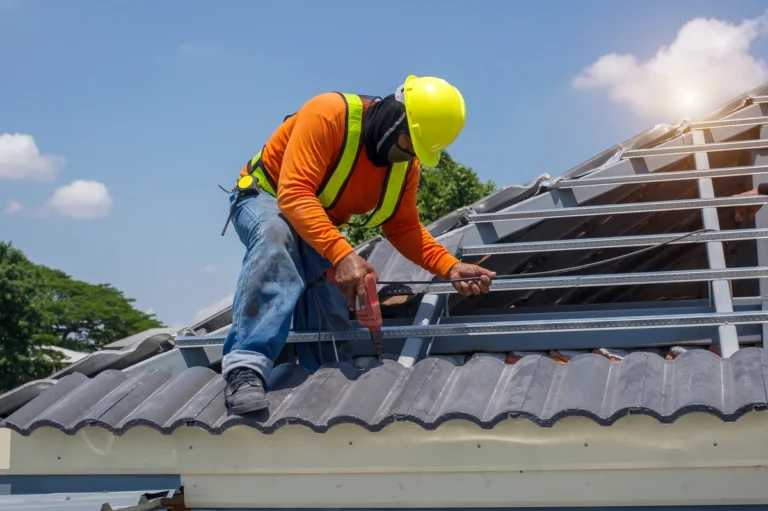
man using nail gun on roof

They say a master is only as good as their tools. The same goes for DIY roofing projects! Before diving into the process of shingle removal, it’s important to gather the necessary equipment. Here are the tools you’ll need:

Safety Gear:

  • Sturdy work boots
  • Safety glasses
  • Gloves
  • Hard hat (optional)
  • Roofing Tools:
  • Roofing shovel or flat pry bar
  • Hammer or roofing nail puller
  • Utility knife
  • Nail gun or roofing nails and a hammer
  • Ladder or scaffolding
  • Tarp or a debris container for shingle disposal
  • Roof jacks

6-Step Shingle Removal Process

Knowing how to properly remove roof shingles from your home can help protect your existing roof deck and allow you to avoid injuring yourself. Follow these 6 steps to remove asphalt shingles and start your roofing project!

1) Preparation

Preparation is key for an efficient and smooth shingle removal process. Here are just a few of the things you’ll want to consider before beginning work.

  • Ensure favorable weather conditions, avoiding high winds or rain.
  • Set up a ladder or scaffolding with a stable footing to access the roof.
  • Clear the work area of any debris, ensuring a safe working environment.
  • Be sure to protect the area around your home by covering up any shrubbery, trees, or vegetation that you don’t want to damage.

2) Start at the Top

When it comes time to remove all the shingles from your roof, you always want to start at the top of your roof, removing all of the ridge caps and working your way down. You can do this by using a roofing shovel or flat pry bar to lift the roofing shingles. Carefully pry out the nails holding them in place.

3) Clear the Area

As you work your way down the roof, your roof jacks should catch the shingles. Once the shingles have been removed, you can throw them onto a tarp or into a dumpster below. Take care while doing this…shingles are heavier than you would think!

Take the time to sweep the roof deck and remove any stray shingles or loose nails that have been left behind.

4) Inspect Underlayment
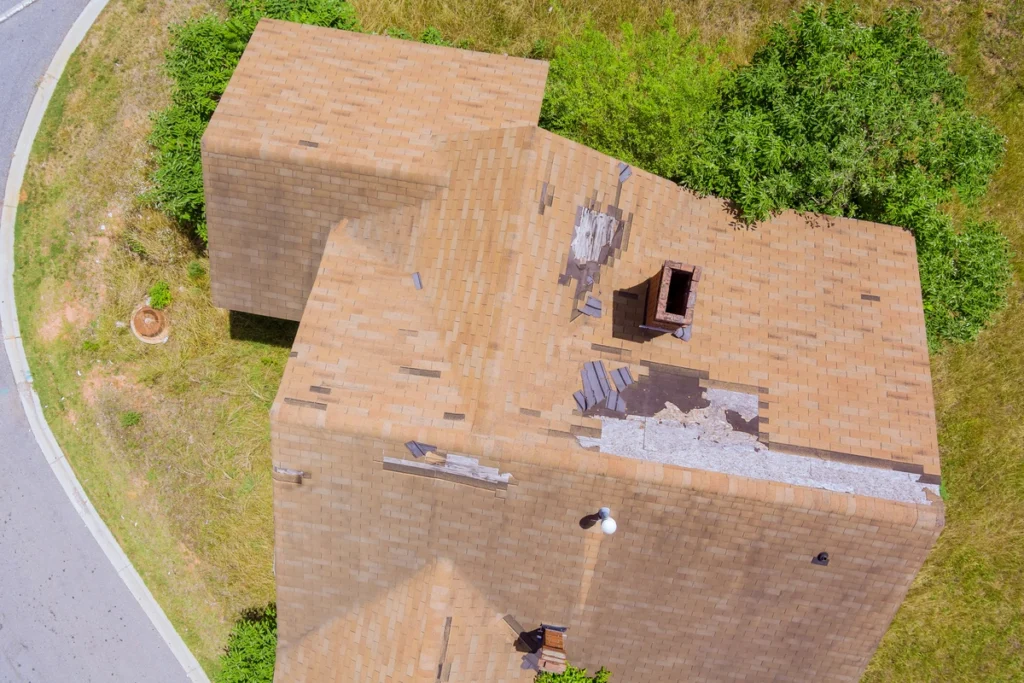
bird view of house roof with missing shingles

Once the shingles have been removed, it is a good idea to inspect the condition of the underlayment and roof deck. If your roof deck is in good condition, you are all clear to continue to use it. However, if you are spotting signs of water damage or rotting, we recommend contacting your local contractor, as removing a roof deck is serious work.

In general, you’ll want to replace both your ice and water shield and underlayment before installing new shingles.

5) Tarp and Cover

Before climbing down off of the roof, you’ll want to install a tarp to prevent any water damage. Tarps can be purchased at your local hardware store and secured with a few 2x4s and some nails to the surface of your roof. This will help protect it until you are ready to install new shingles.

6) Clean Up

Finish by cleaning up the area, making sure that no loose nails have fallen into your yard and that all of the old shingles and debris have made it into the dumpster.

Signs You Need a Roof Replacement

Knowing when to replace your roof is crucial to avoid further damage. After all, early intervention can prevent structural issues for your whole home! Here are some indicators that may signify the need for a new roof:

  • Age: Most asphalt shingle roofs have a lifespan of 20-30 years. If your roof is nearing this age, consider a replacement.
  • Visible Damage: This can include excessive curling, cracking, or missing shingles are signs of severe wear and tear. Be sure to also look for granule loss on shingles, which indicates reduced weather protection.
  • Leaks: Frequent roof leaks that persist even after repair attempts may indicate a compromised roof system.
  • Sagging: A visibly sagging roof may indicate structural damage and requires immediate attention.
  • Energy Efficiency: If your energy bills are unusually high, it may be due to an inefficient roof that needs replacement.

When to Hire a Professional
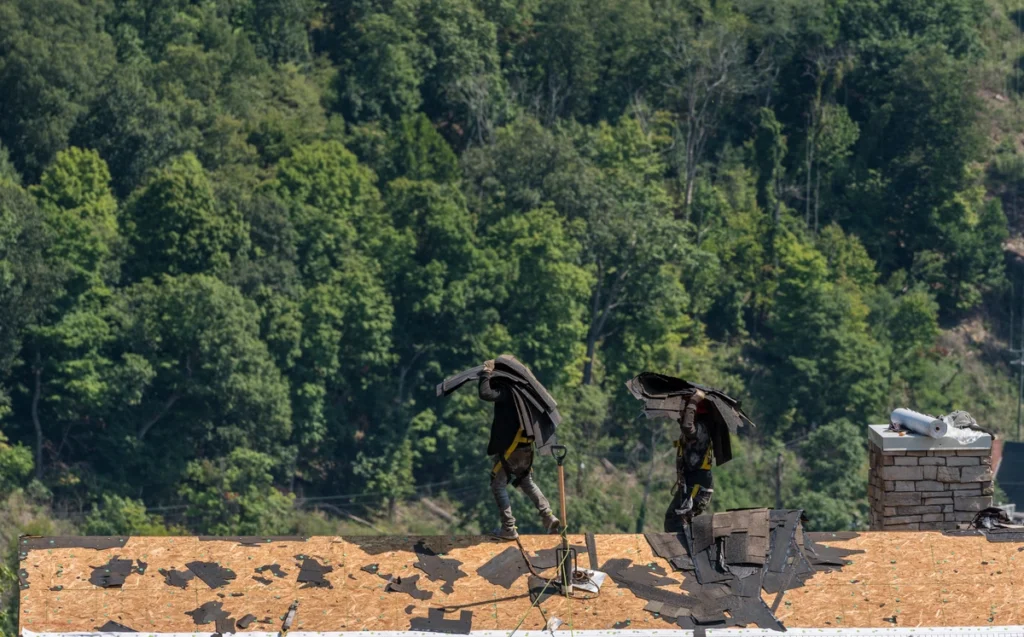
professional workers on the roof carrying the asphalt shingles

While removing shingles from your roof can be a DIY project, certain situations call for professional expertise. Here are some signs that you should leave it to a roofing pro:

  • Extensive Damage: If the damage extends beyond a few shingles involving the underlayment or decking, it’s best to hire a professional.
  • Steep or Multi-Story Roofs: Working on steep roofs or multiple stories can be dangerous for untrained individuals. Hiring professionals ensures safety.
  • Lack of Experience: If you lack experience or confidence in your abilities, it’s wise to entrust the job to an experienced roofing professional.
  • Time and Convenience: Removing shingles can be time-consuming, especially for larger roofs. Hiring professionals saves you valuable time and effort.

Work With a Top Notch Pro!

Feeling overwhelmed, reading all this information? Sometimes, it is best to leave it to a professional roofing contractor. If you’re looking to work with the best of the best, Open Box Roofing is here to help! Our friendly and knowledgeable team is ready to answer any and all of your questions. Contact us today to learn more about our roof replacement services!
If you’re a new homeowner— or, let’s be honest, even if you’ve been doing this forever— you may start to feel on edge when your appliances are nearing the end of their lifespan. You’re constantly Googling how long your furnace, water heater, and air conditioning will last, and as they age, you’re always holding your breath, waiting for their inevitable demise.

But one important feature many homeowners forget about is their roof. As long as it looks okay and there’s no active dripping water, most people feel like their roof could last forever. But unless you’re one of the very few people with a natural slate roof, there’s a big chance you have an asphalt shingle roof, and those don’t last forever…

If you’re unsure as the state of your roof and haven’t done much maintenance over the years, it may be time to schedule an inspection to ensure a strong wind won’t blow it off. It’s important to keep up with minor roof repairs, gutters, and ventilation—and not ignore any problems.

So how long do asphalt shingles last? Let’s take a look at:

  • The average lifespan of asphalt shingles
  • Factors that can impact the lifespan
  • How long other roofing materials last

How Long Do Asphalt Shingles Last?

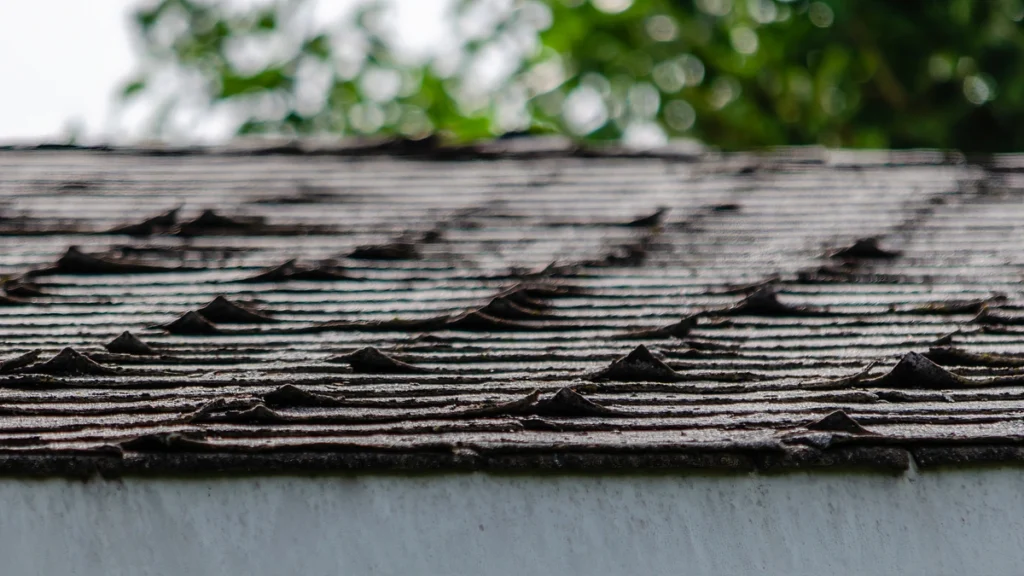
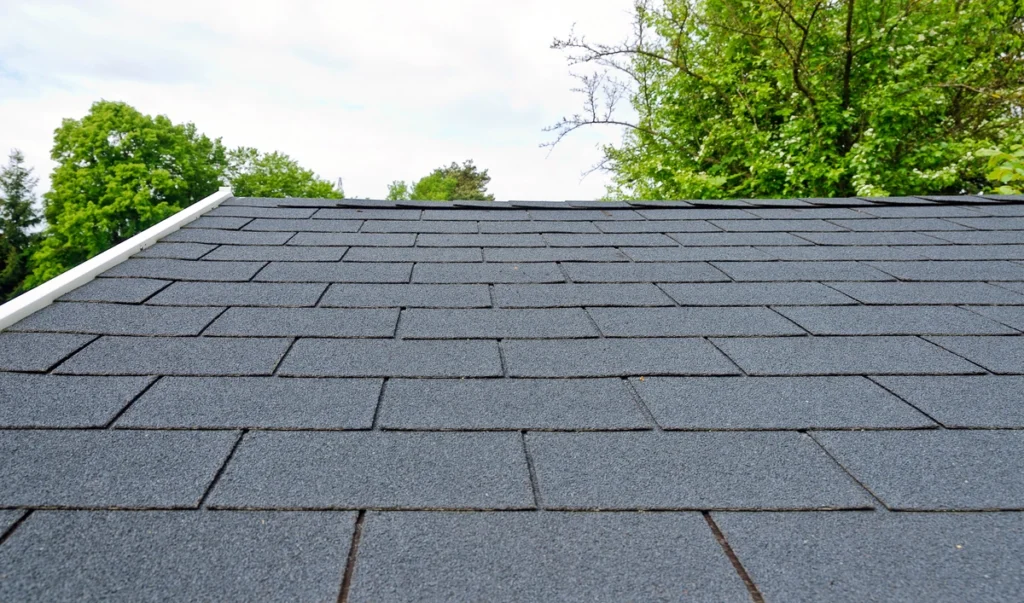
asphalt shingle roof part with tree in the background

Typically, asphalt shingle roofs last 15-25 years, while more premium products can last around 30 years.

Asphalt shingles are not the most durable or long-lasting roofing materials on the market, but they are, by far and away, the most popular. Why would shingles be the most popular if other materials last longer? Well, asphalt shingles have a lot of other benefits:

  • Affordable: The biggest factor driving the popularity of asphalt shingles is their price. Shingles are the most affordable roofing material that still offers a decent lifespan. Often, homeowners would rather save on the upfront cash, especially if they plan on selling the home before the roof needs replacing again.
  • ✨Aesthetically-Pleasing: Asphalt shingles just have the look. Chances are, your home will fit in with the style of the rest of your neighborhood with a shingle roof, and it won’t stick out like a sore thumb. Modern shingles also come in a wide range of color options, so you can match your roof to your siding and trim for a cohesive look.
  • Easy to Install: You’ll be hard-pressed to find a professional roofing contractor that doesn’t know how to install asphalt shingles. Since they are the most common roofing material, most professionals are well-versed in the necessary installation techniques. Since shingles are lightweight and readily available, installation is often quite quick— with most residential roof replacements only taking 1-2 days.
  • Simple to Repair: The same sentiment goes for roof repairs. Even though you might deal with repairs more frequently than with a more durable roofing material, shingles are easy to replace and patch, so standard repairs typically don’t cost an arm and a leg. You may even be able to DIY certain repairs!

4 Factors That Can Increase or Decrease the Lifespan

While 15-25 years is the general lifespan for an asphalt roof, it isn’t a hard and fast rule. Of course, every homeowner hopes that their roof will last on the longer end of that spectrum, but certain factors can cause it to have a shorter lifespan. On the other hand, particular circumstances can allow you to get closer to 30 years out of your asphalt roof!

Take a closer look at the circumstances that play a major role in the longevity of your asphalt shingle roof.

1) Architectural Shingles vs. 3-Tab

Did you know that there’s more than one type of shingle? To the average passerby, shingles probably all look the same. But to roofing enthusiasts like us, the difference is pretty substantial!

3-tab shingles are the original, old-school style of asphalt shingles. These shingles lay flat and have a consistent, repetitive pattern. They get their name from the fact that each panel has 3 evenly spaced asphalt tabs, giving a very uniform look. While these were once the standard, they’re gradually getting phased out of the industry because:

  • They’re not as durable
  • Don’t last as long
  • Aren’t as aesthetically-pleasing

Taking the place of 3-tab shingles is architectural shingles! You may also see architectural shingles referred to as “dimensional” or “laminated” shingles. Architectural shingles are the new standard because they have more layers of asphalt, making them more durable against wind and hail. You can recognize an asphalt shingle roof by overlapping shingles with different color tones that give the roof a three-dimensional look.

Typically, 3-tab shingle roofs cap out at around 20 years or less, while architectural shingles can reach 25 or even 30 years before needing replacement.

2) The Weather in Your Region ⛈️

If you live somewhere with mild weather, you can probably get a longer life out of your asphalt roof. However, if you’re stuck in Tornado Alley, the Florida Coast, or another region with intense wind and hail, your roof might take more of a beating.

Even though modern architectural shingle roofs stand up to wind and hail better than their 3-tab counterparts, repeated impact year after year can cause a shortened lifespan.

3) Professional vs. DIY Installation

Do you know who your roof was installed by? Was it a professional, licensed roofing company? Or the previous owner of your home who watched a YouTube video?

Professional installations almost always set roofs up for a longer life compared to DIY installations. DIY installations often miss the important details, such as:

  • Sturdy roof decking
  • Properly adhered underlayment
  • Quality flashing
  • Enough roof vents

4) Regular Maintenance

It’s important to maintain your roof, just like how you regularly maintain your car with oil changes and tire rotations. Be sure to:

  • Clean your gutters twice a year
  • Get a roof inspection after every major storm or every 2 years
  • Have your roof cleaned by a professional every 1-3 years
  • Address leaks immediately

Putting off roof maintenance can cause your roof to age faster than if you stay on top of preventative maintenance.

The Lifespan of Other Popular Roofing Materials

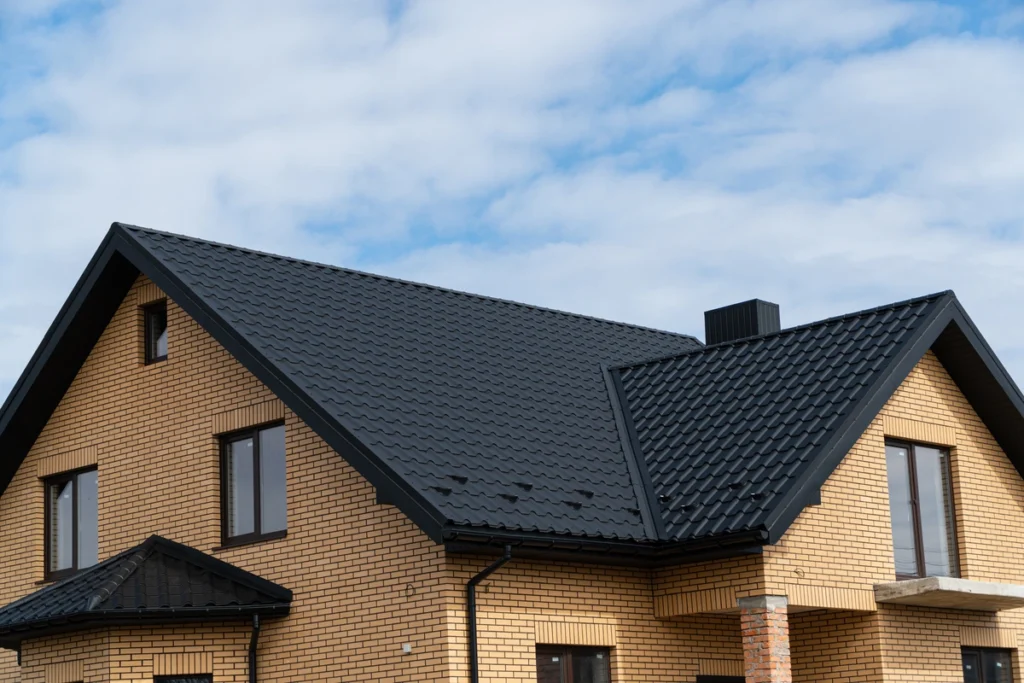
brick house with a dark metal roof

Asphalt shingles are almost always a solid choice for a roof replacement. But if you’re planning on living in your home for more than 20 years, you may want to consider more durable roofing materials, such as:

  • Composite Shingle Roofs: Composite shingles are asphalt shingles on steroids. (Popular brands are F-Wave, DaVinci, and Brava.) They are made from a synthetic substance made from recycled materials. These shingles are very thick and durable, and they are often styled to resemble beautiful cedar shakes or slate tiles. They usually last a minimum of 30-40 years.
  • Metal Roofs: Metal is the up-and-coming material on the market. Modern metal roofing is ideal for residential properties, just as much as commercial properties. You can choose from standing seam metal, corrugated metal, and even metal tiles that resemble shingles. A metal roof lasts for 50-70 years on average.
  • Clay Tile Roofs: Clay and concrete tiles are more popular in Florida and Western states than here in Indiana, but you’ll still see them! They offer a wonderful architectural flair and last roughly 75 years, but keep in mind that they’re quite expensive upfront. You’ll also need the proper structural support to support these heavier materials.

Ready for a New Asphalt Shingle Roof?

We hope you learned something new today about your roof! If your current asphalt shingle roof is nearing the end of its lifespan, give OpenBox Roofing a call. As the #1 roofing company in the Indianapolis area, we back the best asphalt shingle materials with impeccable workmanship, so you can trust you’re getting a long-lasting result.Reach out to OpenBox Roofing today to get started on your new roof!

Whether you’re getting a new roof or replacing an old one, the cleanup process is an important part of any roofing job. Professional roofers understand the importance of a thorough roofing cleanup and will ensure all debris from the project is properly disposed of. 

After all, it’s no fun to have a fantastic and properly installed roof replacement but a messy yard.

Want to make sure you receive the highest quality roofing services?

In this article, we’ll discuss what you can expect when cleaning up after a roof replacement or repair job and how professional roofers handle the task.

What is Clean Up After a Roof Project? 

Clean-up after a roof repair or replacement project involves removing all loose nails, pieces of old shingles, tar stains, and other debris left behind from the tearing-off process. When done correctly by professionals with quality roofing materials, the final cleanup will be nearly invisible while protecting against future damage. 

Roof clean-up is an important part of any roofing project because it helps to ensure that a quality roofer has done their job properly and efficiently. 

Removing any remaining debris from the job site prevents potential hazards from developing in the future, such as stray nails or tar stains, and also protects the integrity of your new roof. Additionally, leaving a messy job site could lead to more complicated (and costly) repair work. 

Clean-Up Process for Roof Replacement Projects: 

worker in the middle of roof replacement process

A quality roofer will always take special care to ensure the clean-up process is thorough and efficient. Here’s what you can expect when it comes to cleaning up after a roof replacement project: 

Tarped Landing Zone

The first step in the clean-up process is covering nearby plants, furniture, and other items with a tarp. This helps protect them from being damaged by flying debris during the tear-off process. It also makes disposing of old roofing materials much easier. 

Removal of Old Roofing Materials

Once all the old materials have been removed from your home or business, they must be properly disposed of. Professional roofers understand the importance of properly disposing of any materials used in a project, so they will take extra care to ensure that all old shingles and pieces of tar paper are disposed of according to local regulations. 

Clean Up of Loose Nails and Other Roofing Debris

After all old roofing materials have been removed from the job site, it’s time for the clean-up crew to sweep the area for any remaining nails or other debris. This ensures that everything is cleaned up before new materials are installed. 

Final Cleanup of Stray Nails, Tar Stains, and Remaining Debris 

Once all loose nails have been collected and discarded, it’s time for a final roofing clean-up. Professional roofers will use specialized tools and cleaners to remove any traces of tar, stains, or other debris left behind from the project. 

Quality Roofer to Ensure a Mess-Free Job

When it comes to ensuring your roofing needs are met with quality materials and an expertly executed clean-up process, you need the help of a reliable roofing company that takes pride in its work. A quality roofer will ensure each job is completed to the highest standards so you can rest assured knowing that your new roof or replacement project has been done correctly.

Professional roofers understand the importance of a thorough clean-up process and are prepared to handle the task. Before starting a roof replacement or repair job, they will tarp off the landing zone and create a neat space for their work area.

During the tear-off process, the old roofing material is collected in large piles and disposed of properly. Once these materials have been removed from the site, any remaining debris is swept up and discarded. 

This includes tar stains, loose nails, and other small pieces that may have been missed during the tearing-off process. Finally, any tar left behind is scraped away using special tools designed specifically for this purpose. 

Factors to Consider When Choosing a Roofing Contractor

When selecting a contractor for your roofing project, it’s important to consider their experience and expertise. A quality roofer will know about local building codes and regulations and the best materials and methods for your job. 

Professionals should follow proper safety practices during their work and make sure to clean up after each job. It’s also important to ensure the contractor is insured in case any accidents occur during the job. 

By ensuring your roofer is a quality professional who understands the importance of a thorough clean-up process, you can rest assured that your project will be completed safely and correctly. These professional roofing contractor qualities can also help you file roof claims if they notice unordinary debris in the clean-up process, such as several broken shingles. 

Conclusion

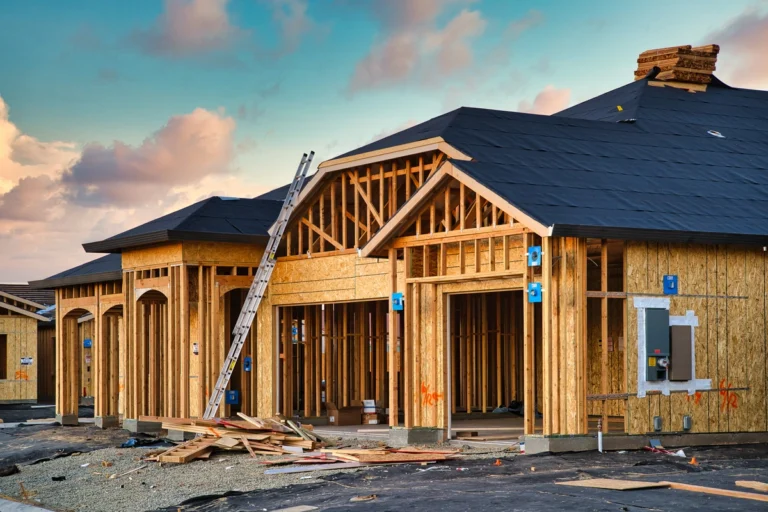
construction of a new house and black roof installment

Cleaning up after a roofing project is essential to any successful job. Professional roofers understand the importance of properly disposing of materials and are prepared to handle all aspects of the clean-up process. 

From tarping off the landing zone and removing old roofing materials to sweeping for loose nails and tar stains, they will ensure everything is cleaned up correctly. When selecting a contractor for your next roofing project, choose one who takes pride in their work and understands the importance of quality clean-up procedures.

Contact us today for more information on our roofing clean-up services. We look forward to helping you keep your roof in top condition for years!

FAQs

Understanding the importance of a thorough clean-up process is essential for a successful roof project. Here are some answers to common questions about cleaning up after a roofing project: 

Is it mandatory to do a roof cleanup?

Yes, a clean-up process is essential for any roofing project. Removing debris and properly disposing of old roofing materials helps protect your new roof against future damage and maintains its integrity. 

What do professional roofers use to clean shingles? 

Professional roofers will use specialized tools and cleaners to remove tar stains, loose nails, and other debris from the tearing-off process. These tools help them quickly and efficiently complete the job while protecting your new roof’s integrity. 

Do I need any documentation for a clean-up process?

No, a clean-up process should not require any additional documentation. However, keeping records of the job in case future issues arise is always recommended. The roofer should provide you with a written project estimate before beginning work.

What other post-project service should I combine with a clean-up?

In addition to a clean-up process, consider hiring a professional roofer for an inspection once the job is completed. This helps ensure all materials and installation methods are done correctly and according to code. An inspection can help identify any potential issues before they become major problems.

Tired of dealing with missing shingles or old roof shingles that let water through and damage the interior of your home? It may be time for a roof replacement. And if you are a homeowner who prefers the DIY route, that means removing all the shingles from your roof deck on your own!

If this is too intimidating, reach out to a certified professional!

Butven if you choose to remove shingles by yourself, you don’t have to go through the shingle removal process on your own. We’ve got you covered!

In this comprehensive guide, we’ll walk you through the process of properly removing roof shingles from your home so that you are ready for a new roof.

Understanding Your Shingles: 3-Tab vs. Architectural

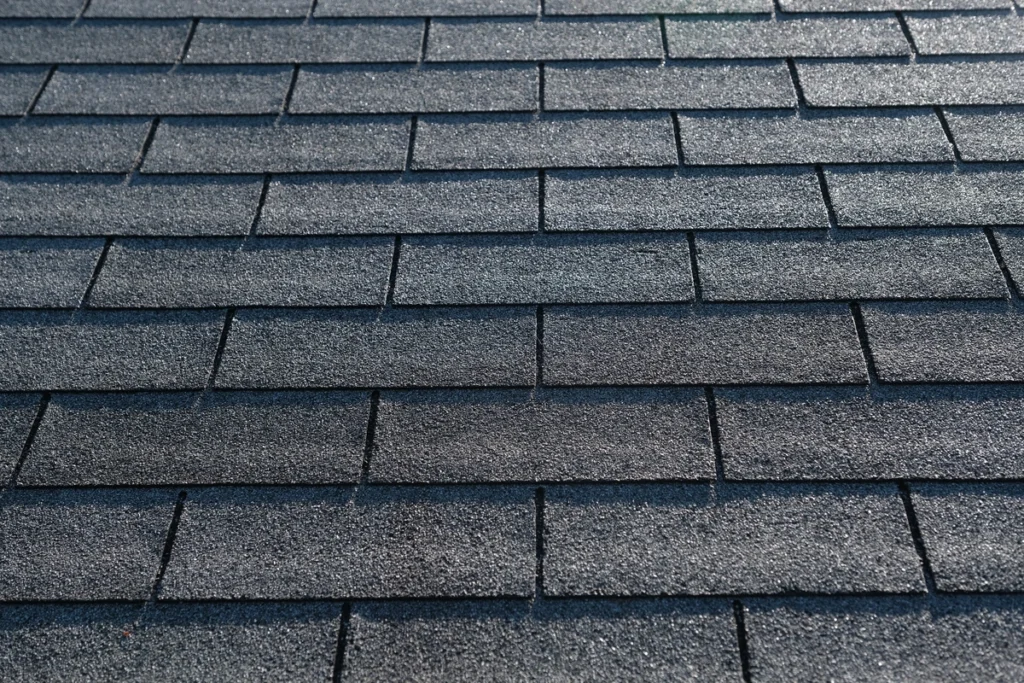
3 tab shingles

Before diving into the removal process, it’s crucial to identify the type of shingles on your roof, as this can affect the removal and replacement procedure.

3-Tab Shingles:

  • Appearance: 3-tab shingles have a flat and uniform appearance, with three separate tabs on each strip.
  • Durability: These shingles are more budget-friendly but tend to have a shorter lifespan compared to architectural shingles.
  • Installation: They are relatively straightforward to install and may be suitable for DIY enthusiasts.
  • Removal: 3-tab shingles are easier to remove due to their simple design.

Architectural Shingles:

  • Appearance: Architectural shingles are thicker and have a more textured, layered appearance. They can mimic the look of wood or slate.
  • Durability: These shingles are more durable and typically have a longer lifespan compared to 3-tab shingles.
  • Installation: Installing architectural shingles requires more expertise, making professional installation more common.
  • Removal: Due to their thickness and layered design, architectural shingles can be more challenging to remove.

9-Step Guide to Removing Shingles

Removing your shingles properly can help to ensure that you can preserve your roof deck and the safety of your home’s exterior. Follow these simple steps to get the best results.

⚒️ Tools and Materials You’ll Need ⚒️

  • Safety gear: Safety glasses, gloves, and a hard hat.
  • Roofing tools: Roofing shovel, roofing nails, hammer, and a utility knife.
  • Dumpster or waste disposal container for old shingles.
  • Ladder and ladder stabilizer.
  • Plywood or boards for temporary roof protection (if needed).
  • Replacement shingles, underlayment, and roofing nails.

Step 1: Safety First

Safety should always be your top priority when working on your roof. Ensure you have the appropriate safety gear and make sure the weather conditions are suitable for the task. Never work on a wet or slippery roof.

Step 2: Inspect Your Roof

homeowner inspecting his house roof

Before removing any shingles, inspect your roof thoroughly. Look for signs of damage, rot, or areas with missing shingles. Note any areas that may require additional repairs.

Step 3: Remove the Ridge Cap Shingles

Start by removing the ridge cap shingles along the peak of your roof. Carefully use the roofing shovel or utility knife to lift the shingles and expose the nails. Pry up the nails and remove the ridge cap shingles. Set them aside for later use.

Step 4: Remove the Shingles

Work your way down the roof, starting from the top and moving towards the eaves. Slide the roofing shovel under the shingle tabs and carefully lift them to expose the nails. Pry out the nails and remove the shingles, layer by layer. Be cautious not to damage the underlying roofing paper or decking.

Step 5: Inspect the Roof Decking

As you remove the shingles, inspect the roof decking for any signs of damage or rot. Replace any damaged sections as needed to ensure a solid foundation for the new shingles.

Step 6: Install New Underlayment (If Necessary)

Once you’ve removed all the old shingles and repaired any damaged decking, it’s a good time to install new underlayment. Follow the manufacturer’s instructions for proper installation, ensuring it covers the entire roof.

Step 7: Install New Shingles

Start at the bottom of the roof and work your way up. Install the new shingles according to the manufacturer’s guidelines and the design of your chosen shingles (3-tab or architectural). Use roofing nails to secure each shingle in place.

Step 8: Install Ridge Cap Shingles

After installing the field shingles, finish by installing the ridge cap shingles you removed earlier. These shingles help seal the roof’s peak and add an extra layer of protection.

Step 9: Clean Up and Dispose

Dispose of the old shingles properly in your dumpster or waste container. Clean up any debris from your roof and surrounding area to ensure a safe environment.

Signs It’s Time to Replace Your Roof

curling shingles on roof

Knowing when to replace your roof is crucial to maintaining the integrity of your home. Here are some common signs that indicate it’s time for a roof replacement:

  • Age: If your roof is over 20 years old (for asphalt shingles), it’s likely approaching the end of its lifespan.
  • Curling or Buckling Shingles: Shingles that are curling or buckling are no longer effective at keeping out moisture and should be replaced.
  • Missing Shingles: Missing shingles can expose your roof to water damage, so they should be replaced promptly.
  • Visible Damage: Cracked, torn, or damaged shingles should be replaced to prevent leaks.
  • Moss or Algae Growth: Excessive moss or algae growth can indicate underlying moisture issues and may require a new roof.
  • Leaks or Water Stains: If you notice water stains on your ceiling or attic, it’s a clear sign of a roof leak.
  • Granule Loss: If you find an excessive amount of granules in your gutters or downspouts, it may be a sign that your shingles are deteriorating.
  • Sagging Roof: A sagging roof can indicate structural damage and requires immediate attention.

When to Hire a Roofing Contractor

While some experienced homeowners may attempt a DIY roof replacement, it’s often safer and more practical to hire a professional roofing contractor, especially when dealing with architectural shingles or complex roof designs. Here are situations where it’s better to hire a roofing contractor:

  • Complex Roof Structure: If your roof has multiple levels, intricate angles, or unique features, a professional contractor can navigate these challenges more effectively.
  • Safety Concerns: Working on a roof can be dangerous, especially for those without proper training or equipment. Roofing contractors are trained to work safely at heights.
  • Time and Expertise: Roof replacement is a time-consuming project, and a contractor can complete it more efficiently due to their experience and access to a crew.
  • Warranty and Quality Assurance: Many roofing contractors offer warranties on their work, giving you peace of mind knowing that your new roof is guaranteed.
  • Materials and Equipment: Roofing contractors have access to high-quality materials and the right equipment, ensuring a professional finish.
  • Local Building Codes: Contractors are familiar with local building codes and will ensure your roof meets all necessary requirements.

Expert Assistance for Your Roof Installation

Removing shingles from your home is a meticulous process that requires careful planning, the right tools, and a keen eye for detail. If you don’t have the time or energy to do it by yourself, call on OpenBox Roofing. Not only will we safely remove your shingles, but we can also help you understand all of your options when it comes to roof removal and replacement. Contact us today to receive your free estimate!

Indianapolis, often known as the “Crossroads of America,” is a vibrant and diverse city that offers a plethora of attractions for residents and visitors alike. Amidst its bustling urban landscape lies a treasure trove of natural beauty in the form of stunning parks, providing a welcome escape from the daily hustle and bustle. 

Whether you’re an outdoor enthusiast, a family looking for a peaceful outing, or simply seeking solace in nature, Indianapolis has a park for everyone. In this guide, we’ll explore some of the best parks to visit in the city, each with:

  • Recreation centers
  • Educational opportunities
  • Beautiful nature

Take it from Indiana’s favorite local roofers— Keep reading to discover our 6 favorite parks in Indianapolis!

1) Eagle Creek Park

Eagle Creek Park Indianapolis

Nestled on the northwest side of Indianapolis, Eagle Creek Park is one of the largest municipal parks in the United States, spanning over 3,900 acres. This sprawling oasis offers a multitude of activities, making it a top choice for nature enthusiasts. The centerpiece of the park is the stunning Eagle Creek Reservoir, where you can indulge in sailing, kayaking, and fishing. 

Birdwatchers will delight in the park’s diverse avian population, including bald eagles, making it a birdwatcher’s paradise. For land-based adventures, there are miles of hiking trails, picnic areas, and a beautiful nature center where you can learn about the local flora and fauna.

7840 W 56th St, Indianapolis, IN 46254

 ⏰ 7 AM – 9:30 PM, all year long

2) White River State Park

Located in the heart of downtown Indianapolis, White River State Park is an urban oasis that seamlessly blends nature and culture. This 250-acre park is home to a variety of attractions, including the Indianapolis Zoo, the Eiteljorg Museum of American Indians and Western Art, the Indiana State Museum, and the NCAA Hall of Champions. 

The scenic White River promenade provides a tranquil escape, and you can even take a paddleboat ride on the canal. During the summer months, the park hosts outdoor concerts and festivals, making it a hub of entertainment and culture.

801 W Washington St, Indianapolis, IN 46204

 ⏰ 5 AM – 11 PM all year long

3) Holliday Park

Holliday Park Indianapolis

Holliday Park, located on the city’s north side, offers a delightful combination of natural beauty and cultural significance. This 94-acre park boasts several walking trails, including the scenic Holliday Park Trail, which winds through lush woodlands and alongside the White River. 

The highlight of the park is the Holliday Park Nature Center, where you can explore interactive exhibits, a bird observation room, and even meet resident turtles and snakes. The Ruins, a preserved piece of architecture from the 1930s, adds a touch of history and mystique to the park.

6363 Spring Mill Rd, Indianapolis, IN 46260

⏰ 9 AM- 5 PM all year long

4) Fort Harrison State Park

For those seeking a more secluded and serene natural escape, Fort Harrison State Park on the city’s northeast side is a hidden gem. Named after President Benjamin Harrison, this park offers over 1,700 acres of wilderness, complete with hiking trails, a horseback riding facility, and a beautiful golf course. 

The park’s centerpiece, Fall Creek, meanders through the landscape, providing a picturesque backdrop for your outdoor adventures. Don’t forget to explore the historic Fort Harrison, which dates back to World War I, and learn about its fascinating history.

6000 N Post Rd, Indianapolis, IN 46216

⏰ 7 AM – 8 PM all year long

5) Garfield Park

Garfield Park

Situated on the city’s south side, Garfield Park is an urban oasis with a rich history dating back to 1873. This 128-acre park offers a beautiful conservatory featuring exotic plants and seasonal displays. The Sunken Garden is a popular spot for weddings and photography, with its colorful blooms and tranquil fountains. 

For the little ones, there’s a playground and a splash pad to beat the summer heat. Garfield Park also hosts numerous events and concerts throughout the year, making it a hub of community activity.

2345 Pagoda Dr, Indianapolis, IN 46203

⏰ 7 AM – 8 PM all year long

6) Broad Ripple Park

Nestled in the trendy Broad Ripple neighborhood, this park offers a perfect blend of nature and urban amenities. The White River Greenway Trail winds through the park, providing scenic views of the river and connecting to other parts of the city. 

In addition to hiking and biking opportunities, the park boasts a pool, playgrounds, and a dog park, making it a great family-friendly destination. During the summer months, you can catch live music at the Broad Ripple Park Family Center or simply relax by the water’s edge.

1426 Broad Ripple Ave, Indianapolis, IN 46220

⏰ 9 AM – 8 PM all year long

Enjoy the Outdoors and the Indoors

Indianapolis may be known for its vibrant urban life and thriving cultural scene, but its parks offer a serene counterbalance to the city’s hustle and bustle. Whether you’re interested in hiking, birdwatching, picnicking, or simply enjoying the beauty of nature, the parks in Indianapolis have something to offer everyone.

And while you are out enjoying all that this city has to offer, leave your home in the capable hands of OpenBox Roofing! From roofs to siding, we’ll help you craft a home that feels great to return to. Contact us today to schedule your appointment!

As a homeowner, one of the most crucial decisions you’ll have to make is whether to repair or replace roof. This decision can significantly impact the overall maintenance, durability, and appearance of your home, which makes it worthy of discussion. 

Essentially, there are many things to consider here, including the roof’s age, the degree of damage, and the costs involved. It’s important to schedule a roof repair as soon as you notice damage. Neglecting problems because they seem minor can lead to needing a full roof replacement—which is a bigger, more costly job.

By thoroughly understanding the factors that affect your roof’s health, you’ll be one step closer to making a well-informed choice.

To learn more about roof repairs and replacements and find out which option suits your home, keep reading!

Factors to Consider

When deciding between getting your roof repaired or replaced, it is essential to consider the age of the roof, the extent of damage, and the cost versus lifetime benefits. To learn more about these crucial factors and make the right decision for your home, read on!

Age of the Roof

One of the critical factors to consider when deciding between repairing or replacing a roof is its age. A roof’s lifespan depends on the materials used, with most roofs lasting 10 to 15 years or more.

Being aware of your roof’s precise age enables a trusted roofing contractor to accurately assess and address any existing issues that may arise due to wear and tear. Since roofing materials are not designed to last indefinitely, older roofs will likely experience decreased durability and increased susceptibility to damage.

Be sure to prioritize regular maintenance of the whole roof to monitor the efficiency and performance of your roofing system as it ages.

Extent of Damage

damaged house roof surrounded with trees

Assessing the extent of damage is another crucial factor when deciding between roof repair or replacement. Minor issues, like a few shingles that are missing, small leaks, or localized water damage, can typically be resolved through repairs and don’t require a complete roof overhaul.

However, significant problems like large areas of damaged or curled shingles, extensive leaks throughout the house, and water damage within your home’s structure may indicate the need for a brand new roof.

As alarming as it sounds, severe damage is much more common than you might think. After a thorough inspection, professional roofers often find that the roofing material is showing signs of wear and tear due to weather exposure over the course of a few years. If this is the case for you, a complete roof replacement might be necessary.

Another thing to consider while assessing roof damage is how well different roofing materials fare under certain conditions. For instance, a metal roof is more resistant to wind and fire than a roof with asphalt shingles but might experience denting from hailstorms.

All in all, understanding the various aspects of roofing problems can help homeowners make informed decisions regarding repair or old roof replacement and determine which option will provide more significant long-term benefits.

Cost vs. Long-Term Benefits

Evaluating the cost versus long-term benefits of a roof repair or replacement is crucial in making the right decision for your home. While a roof repair may seem like the cheaper option upfront, it might not offer lasting solutions to problems and could result in more frequent repairs down the line.

On the other hand, a full roof replacement can provide several long-term advantages despite its higher initial cost, one of which is energy efficiency. New roofing materials often have better insulation properties than older ones, which reduces heating and cooling bills substantially over time.

Additionally, opting for high-quality building materials during a roof replacement ensures improved durability and longevity, resulting in fewer repair needs and investment returns through increased property value.

Signs That a Roof Replacement is Needed

Multiple repairs and visible water damage or roof leak are warning signs that a total roof replacement may be necessary. Keep reading to learn more about roofing issues you should never ignore!

Multiple and Frequent Repairs

If you find yourself constantly repairing your existing roof, it may be time to replace the entire roof. Believe it or not, frequent repairs can add up quickly and cost more in the long run than investing in a new roof.

Plus, constantly fixing the same issues is a sign that your roof’s overall health is declining, which could lead to more considerable structural damage down the line. Look for warning signs like curling or missing shingles, leaks or water stains inside your home, and peeling paint on the ceilings.

These troubling issues can point to larger problems with your roof’s integrity and may signify that it’s time for an entire roof replacement. 

Water Damage

Water damage and a leaky roof are standard signals that your roof needs to be replaced. If you notice any water stains or discoloration on your walls or ceilings, this could indicate a problem with your roofing system.

Say hello to flashings: a vital part of protecting your home from water damage. Installed around the roof edges and other vulnerable areas such as vents and chimneys, these sealants prevent leaks by redirecting water away from these critical spots. 

If flashings become damaged due to age or wear and tear, they can cause significant damage within a short period, which is just about the last thing you want.

Conclusion

damaged roof after storm with missing shingles and water leak

In conclusion, the decision between roof repair and replacement depends on various factors, including the age of your roof, the extent of damage, and the cost versus long-term benefits.

While small issues can be resolved through minor repairs, warning signs like frequent repairs and water damage may mean it’s time for full roof replacements.

But wait! Before you make your final decision, we highly recommend consulting with an experienced roofing contractor who can examine and address the current roof problem thoroughly. And simply put, there’s no better fit for the task than OpenBox Roofing: the #1 roofing company in Indiana. 

Choose OpenBox Roofing for Exceptional Roofing Services 

Are you searching for an Indiana-based roofing company to repair or replace your roof and enhance curb appeal? Look no further than OpenBox Roofing! Here, the goal is to build meaningful, honest relationships with customers and provide them with the exterior home renovations and re roofing of their dreams. 

If you wish to hire a roofing professional to repair or replace the roof and save you money in the long run, contact OpenBox Roofing today for professional service and high-quality roof inspections and renovations! We promise you won’t be disappointed by the extraordinary craftsmanship and communication that await you.

Asset 500
Asset 60
Don’t Think, Just Call Pink!
Request a Free Quote

Ready to get started? Contact OpenBox Roofing today to schedule your free inspection and discover how our residential roofing services can protect your home.

Name
Asset 5 2