Our Roofing Blog

Stay up to date on the latest roofing tips, trends, and insights from the experts at OpenBox Roofing. Our blog covers everything from seasonal maintenance to choosing the right materials for your home.

Whether you’re researching a new roof, learning about repairs, or exploring sustainability options, our articles make roofing information easy to understand.

Asset 1 7
Featured Article

3 Qualities to Look for When Hiring a James Hardie Siding Contractor

about us hoodie 150x150 1
Posted By: Openbox Roofing
Here at Open Box Roofing, we strongly believe that our customers deserve nothing less than the best. That’s why we’re proud to be a part of the James Hardie Contractor Alliance Program. James Hardie siding is on more than 8 million homes across North America because it’s the best fiber cement siding product on the market, […]
Asset 17

Nestled in the heart of Hamilton County, Westfield, Indiana, is a charming city known for its small-town charm and vibrant community. One of the highlights of this picturesque town is its diverse and flourishing culinary scene.

From cozy cafes to upscale dining establishments, Westfield has a lot to offer food enthusiasts. In this blog post, we will take you on a gastronomic journey through some of the best restaurants in Westfield, showcasing their unique offerings and flavors that will delight your taste buds.

Trust Indiana’s local roofers, we know the eats!

1) Rail Epicurean Market

gourmet sandwiches

Our culinary adventure begins with a visit to Rail Epicurean Market, a delightful gem located in the heart of Westfield. This quaint restaurant combines a market-style ambiance with a farm-to-table philosophy. Their menu features a range of gourmet sandwiches, salads, and bowls. One standout dish is their classic B&G Plate, with their housemade biscuits, sausage gravy, and eggs, with a side of potatoes. When you want good food with great prices, you have to visit Rail!

  3400 Nancy St Suite C, Westfield, IN 46074

☎️ (317) 763-1376

⭐️ 4.7 on Google

2) Big Hoffa’s Smokehouse Bar-B-Que

For barbecue enthusiasts, Big Hoffa’s Smokehouse Bar-B-Que is a must-visit destination. Located just off the Monon Trail, this family-owned eatery is renowned for its mouthwatering smoked meats and delectable sauces. Their menu boasts an array of options, but the “Hoffanator” is the star of the show. Specially seasoned french fries are topped with mac & cheese, pulled pork, baked beans, and BBQ sauce. It’s a carnivore’s dream come true!

Looking for catering for a special event? They’ve got you covered there with hot, fresh comfort food that kids and adults alike will love!

800 E Main St, Westfield, IN 46074

☎️ (317) 867-0077

⭐️ 4.7 on Google

3) Grindstone on the Moon

shrimp and grits

When you are looking for ambiance, good food, and one of the most popular restaurants in Westfield, look no further than Grindstone on the Monon! Combining classic dishes like filet mignon, prime rib, and seared cod with comfort food favorites like shrimp and grits and pickle-brined chicken sandwiches. With its industrial decor, it is the perfect date night spot!

  17470 Wheeler Rd, Westfield, IN 46074

☎️ (317) 763-1100

⭐️ 4.5 on Google

4) Chiba Japanese Steakhouse

For those craving Asian cuisine, Chiba Japanese Steakhouse delivers an authentic and entertaining dining experience. This hidden gem offers expertly prepared seafood alongside classic Japanese dishes like gyoza, tempura, chicken katsu, and more. Of course, the best part of a sushi restaurant is just that…the sushi! With rolls for those who like it raw, cooked, or heavy on the vegetables, you’re sure to find something you like on their top-notch menu.

  228 Park St, Westfield, IN 46074

☎️ (317) 804-5367

⭐️ 4.5 on Google

5) Bub’s Burgers & Ice Cream

portobello mushroom sandwich

Bub’s Burgers & Ice Cream is a beloved local institution known for its colossal burgers and delightful ice cream creations. Their signature “Big Ugly” burger is legendary, boasting an 1-pound ground beef patty served on a fresh bun with a variety of toppings. Looking for something lighter? Their blackened chicken or mahi mahi sandwich will do the trick! They even have options for vegetarians, with a delicious portobello mushroom sandwich!

  960 E Tournament Trl, Westfield, IN 46074

☎️ (317) 896-2874

⭐️ 4 Stars on Google

6) The Italian House on Park

Indulge in a taste of Italy at The Italian House on Park, a charming Italian restaurant that captures the essence of the Mediterranean. Their homemade lasagna is a crowd favorite, with layers of pasta, rich meat sauce, creamy béchamel, and melted mozzarella cheese, all baked to perfection. Pair it with a glass of red wine and finish your meal with a traditional Italian dessert like tiramisu or cannoli. If you’re looking to experience the best Italian places in town, you can’t miss this stop!

  219 Park St, Westfield, IN 46074

☎️ (317) 804-5619

⭐️ 4.7 stars on Google

7) The Garden Table

maple leaf duck breast dish

For health-conscious diners, The Garden Table offers a fresh and vibrant menu filled with organic, locally sourced ingredients. For appetizers, we can’t recommend their whipped feta dip enough, particularly when served alongside the crispy potatoes. When it comes to a main course, you can’t go wrong with the whiskey cream chicken or maple leaf duck breast.

  350 Monon Blvd, Carmel, IN 46032

☎️ (317) 669-0240

⭐️ 4.3 on Google

8) La Casa Grande Mexican Restaurant

La Casa Grande Mexican Restaurant brings the flavors of Mexico to Westfield, offering a diverse menu of authentic dishes. The “Molcajete” is a delightful and shareable option, served in a sizzling stone bowl filled with grilled steak, chicken, shrimp, carnitas, and cactus, all smothered in a savory red sauce and melted cheese. It’s a flavorful fiesta for your taste buds.

6935 Lake Plaza Dr, Indianapolis, IN 46220

☎️ (463) 206-2802

⭐️ 5 stars on Google

Enjoy the Most Popular Restaurants In Westfield!

Westfield, Indiana, may be a small town, but its culinary scene is anything but limited. From barbecue joints to upscale eateries, there’s something to satisfy every palate. These restaurants are just a taste of what Westfield has to offer, and whether you’re a local or a visitor, exploring the culinary delights of this charming town is sure to be a memorable experience.

But outside of the restaurant scene, there are all sorts of fantastic local businesses doing great work every day for the community. We’re proud to count ourselves as one of them. If you are looking for superior roofing service in Westfield, Indiana, Open Box Roofing is the one to call! Contact us today to set up your appointment. 
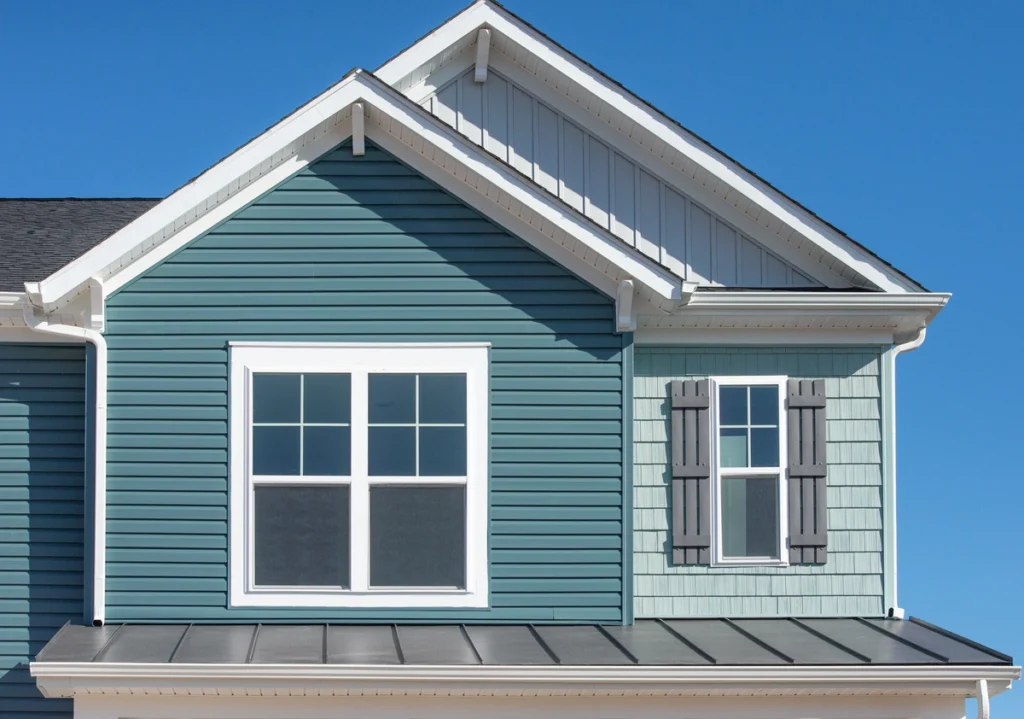
Your home is a reflection of your personality and style, and one of the key elements that contribute to its overall aesthetic appeal is its exterior siding. When it comes to premium siding options, James Hardie fiber cement siding stands out as a popular choice among homeowners and industry experts alike.

Renowned for its durability, versatility, and timeless elegance, James Hardie siding offers a plethora of benefits that make it a top contender for enhancing the curb appeal and protection of your home.

Ready to install sleek new siding on your home?

In this blog post, we’ll explore:

  • The pros and cons of James Hardie siding
  • Cost considerations
  • Proper installation techniques

Keep reading to learn all about James Hardie siding installation and more!

What Is James Hardie Siding?

green siding on house

James Hardie siding, often referred to simply as “Hardie siding,” is a type of fiber cement siding that has gained widespread popularity for its durability, versatility, and aesthetic appeal. Founded by James Hardie himself in the late 19th century, the company has become a pioneer in manufacturing fiber cement building products, with a particular focus on siding materials that combine the natural look of wood with the resilience of modern technology.

At the core of James Hardie’s siding’s success is its unique composition. It is primarily composed of cement, sand, cellulose fibers, and water, mixed together to form a robust and weather-resistant material. This blend of elements creates a siding that is highly resistant to various environmental factors that can compromise the integrity of traditional wood or vinyl siding.

The manufacturing process involves pressing the fiber cement mixture into boards or panels, which are cured under high pressure and heat. This process produces a solid, durable product with a uniform texture and finish.

Pros and Cons of James Hardie Siding

James Hardie siding is widely regarded as one of the most high-end siding brands in the industry. But that doesn’t automatically mean it is the right choice for you and your home. It is important to consider all of the factors before making your investment. Here are some pros and cons to consider:

✅ Pros of James Hardie Siding:

  • Durability: James Hardie siding is engineered to withstand harsh weather conditions, including extreme temperatures, heavy rain, and even hurricanes. Made from a combination of cement, sand, and cellulose fibers, it is resistant to rot, pests, and warping, ensuring a long-lasting investment for your home.
  • ✨ Versatility: With a wide range of styles, colors, and textures to choose from, James Hardie siding allows you to achieve the exact look you desire for your home. Whether you prefer the classic charm of traditional clapboard or the modern appeal of smooth vertical panels, there’s a design option to suit every taste.
  • Low Maintenance: Unlike wood siding, which requires regular staining and painting, James Hardie siding boasts a baked-on color finish that retains its vibrancy for years without the need for frequent touch-ups. This not only saves you time but also reduces long-term maintenance costs.
  • Fire Resistance: James Hardie siding is non-combustible, providing an additional layer of protection for your home against fire hazards. Its composition makes it an ideal choice for homeowners in fire-prone areas.
  • Increased Home Value: Installing James Hardie siding can significantly enhance your home’s curb appeal, ultimately leading to an increase in its resale value. Potential buyers recognize the quality and durability associated with this premium siding option.

❌ Cons of James Hardie Siding:

  • Higher Initial Cost: While James Hardie siding offers exceptional durability and benefits, it typically comes with a higher upfront cost compared to other siding materials like vinyl. However, the long-term savings in maintenance and potential home value increase can offset this initial expense.
  • Installation Complexity: Improper installation can compromise the benefits of James Hardie siding. It requires specialized skills and techniques to ensure optimal performance and longevity. Hiring a professional siding contractor with experience in working with James Hardie products is essential.
  • Painting Requirements: While the baked-on finish of James Hardie siding lasts longer than traditional paint, it will eventually require repainting. This task can be more involved than simply painting over vinyl siding due to the specific preparation and application requirements.

Cost Considerations

cream siding of house

The cost of James Hardie siding varies based on several factors, including the size of your home, the type of James Hardie siding you choose, the design complexity, and the local labor rates. On average, the cost can range from $8 to $12 per square foot, including both materials and installation. Keep in mind that this is a general estimate, and actual costs may differ.

It’s important to remember that while the initial investment might be higher compared to other siding options, James Hardie siding’s durability and low maintenance requirements can lead to long-term savings. Additionally, the enhanced curb appeal and potential increase in home value can provide a return on your investment.

Proper Installation Techniques: 6 Steps

Installing James Hardie siding requires precision and expertise to ensure its longevity and performance. Here are some key steps involved in the installation process:

1) Preparation

Proper preparation of the existing exterior is crucial. This includes removing old siding, repairing any damage to the underlying structure, and ensuring a smooth and even surface for installation.

2) Weather Barrier

A weather-resistant barrier, such as house wrap, should be applied before installing the siding. This barrier helps prevent water infiltration while allowing moisture to escape from the wall assembly.

3) Flashing and Trim

Proper flashing should be installed around windows, doors, and other penetrations to direct water away from vulnerable areas. Trim pieces should also be installed for a finished look.

4) Installation

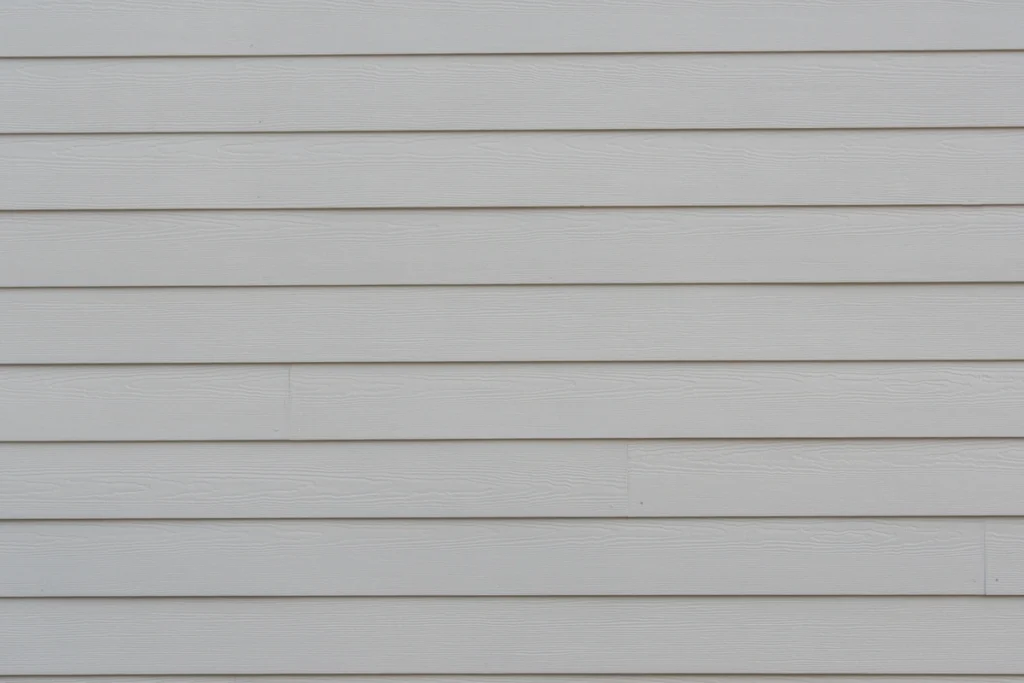
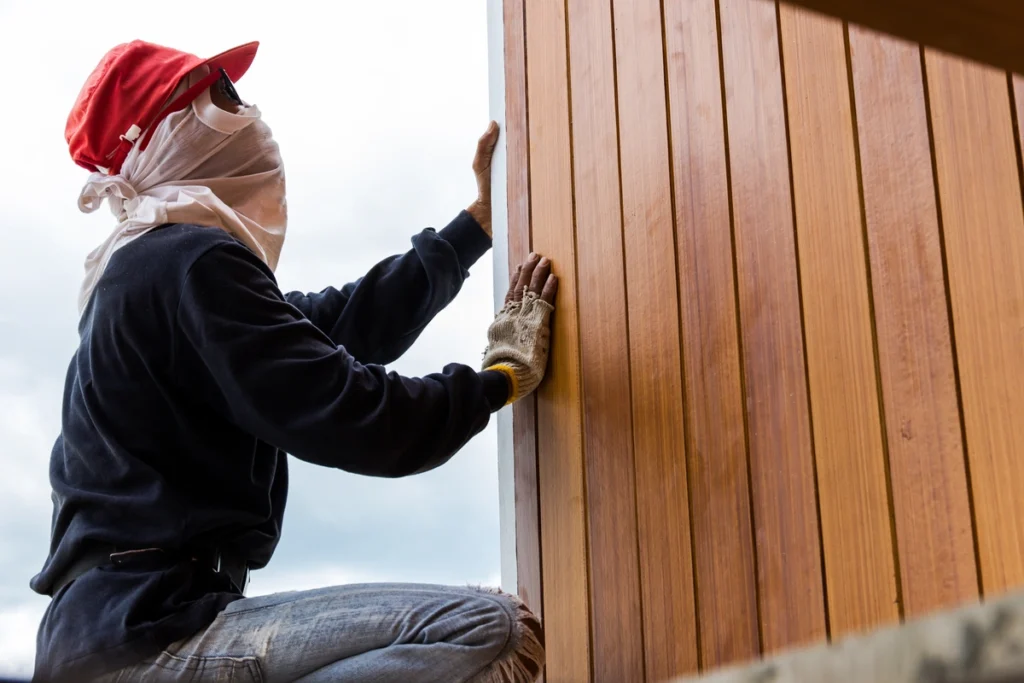
fiber cement siding

James Hardie siding should be installed with the appropriate clearances and spacing to accommodate expansion and contraction due to temperature changes. Nails should be placed at the recommended locations to prevent buckling or warping.

5) Painting

If the siding requires painting, it’s important to follow James Hardie’s guidelines for proper surface preparation and application of paint. This ensures the longevity of the finish.

6) Regular Inspections

After installation, regular inspections should be conducted to identify and address any potential issues, such as damaged or loose siding, and to perform necessary maintenance.

Work With a James Hardie Expert

When it comes to creating a house with great curb appeal, you want an exterior contractor who knows what they are doing. That is exactly what you will get when you hire Open Box Roofing to help with your siding replacement. We’ll work closely with you to help create a home exterior that you will love for years to come. Contact us today to get started on your project!

As the days grow shorter and temperatures drop, the inevitable arrival of winter prompts homeowners to prepare their homes for the cold months ahead. While many aspects of winter preparation are essential, focusing on your roof is crucial due to its role in safeguarding your home from harsh weather conditions.

In this comprehensive guide, we’ll provide you with a checklist of tasks to winter-proof your home, with a special emphasis on preparing your roof for colder weather.

Additionally, we’ll delve into the potential dangers that winter weather poses to your home.

Keep reading if you are ready for your winter home maintenance checklist and to learn:

  • Important preparation tips
  • How winter weather can affect your home
  • How to care for your roof

The Importance of Winter-Proofing

ice dam and icicles

Winter weather can wreak havoc on your home if you don’t take the necessary precautions. Snow, ice, freezing temperatures, and heavy winds can collectively lead to structural damage, energy inefficiency, and potential safety hazards. By following a comprehensive checklist and directing special attention to your roof, you can ensure that your home is well-prepared to withstand whatever winter throws its way.

The Dangers of Winter Weather on Your Home

Understanding the potential dangers winter weather poses to your home can motivate you to take action in preparing for the colder months. Here are just a few things to be prepared for when it comes to challenges in the colder months:

  • Ice Dams – When snow melts and refreezes at your roof’s edges, it forms ice dams. These dams can lead to water seeping into your home, causing significant damage to walls, ceilings, and insulation.
  • Roof Collapse – Excessive snow accumulation can overload your roof’s structure, leading to potential collapses, particularly in older or weaker buildings.
  • Frozen Pipes – Frozen pipes are a common winter woe. When water freezes inside pipes, it expands, leading to bursts that can cause flooding and extensive damage.
  • Wind Damage – Winter storms can bring powerful winds that can lift shingles, blow debris onto your roof, and even topple trees onto your home.

Winter Home Maintenance Checklist: 12 Steps

Knowing what to expect is key when it comes to caring for your home. This is doubly important during harsh winter weather. If you want to protect your home year-round, start by following these steps.

1. Roof Inspection

Start by conducting a thorough inspection of your roof. Look for missing or damaged shingles, signs of leaks, and deteriorating flashing. Addressing these issues before winter arrives can prevent more significant problems down the line.

2. Clean Gutters and Downspouts

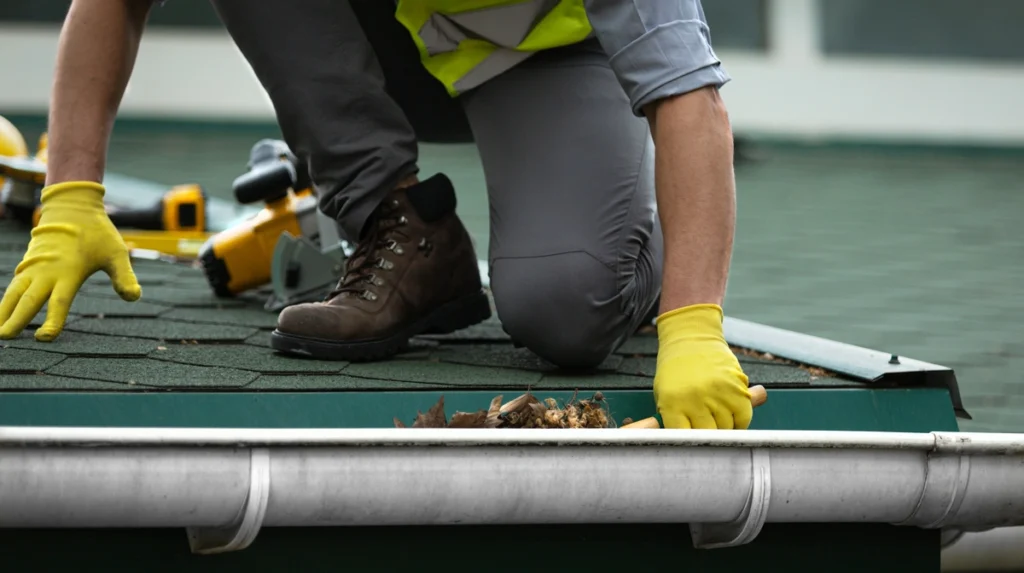
man cleaning the gutters

Clear any debris from your gutters and downspouts to ensure proper water drainage. Clogged gutters can lead to ice dams forming on your roof, which can cause water to seep into your home.

3. Seal Gaps and Cracks

Inspect the area around your roof for gaps and cracks. Seal any openings to prevent cold air from infiltrating your home and warm air from escaping, which can increase your heating costs.

4. Insulate Attic

Proper attic insulation helps regulate your home’s temperature and prevents ice dams. Make sure your attic is well-insulated, and consider adding extra insulation if needed.

5. Trim Overhanging Branches

Trim any tree branches that hang over your roof. Heavy snow and ice accumulation on these branches can lead to them breaking and damaging your roof.

6. Check Chimney and Vents

Inspect your chimney and vents for any obstructions or damage. Ensure they are in good working condition to prevent carbon monoxide buildup and maintain proper ventilation.

7. Roof Reinforcement

Consider reinforcing your roof with a waterproof membrane. This extra layer of protection can help shield your home from moisture infiltration.

8. Weatherstrip Doors and Windows

Install weatherstripping around doors and windows to prevent drafts and maintain indoor comfort.

9. Furnace Maintenance

technician repairing furnace

Schedule a professional to service your furnace, ensuring it operates efficiently throughout the winter months.

10. Outdoor Faucets and Hoses

Disconnect and drain outdoor hoses and faucets to prevent freezing and bursting.

11. Protect Exposed Pipes

Insulate exposed pipes to prevent them from freezing and potentially bursting.

12. Emergency Kit

Assemble an emergency kit with essentials like flashlights, batteries, blankets, and non-perishable food in case of power outages or severe weather.

Preparing Your Roof for Winter

As winter’s main shield, your roof requires specific attention to ensure it can endure the season’s challenges. Here’s how to focus on preparing your roof:

  • Clear Debris – Remove leaves, twigs, and other debris from your roof’s surface to prevent moisture buildup, which can lead to rot and deterioration.
  • Fix Loose Shingles – Secure any loose or damaged shingles to prevent them from blowing off during winter storms.
  • Inspect Flashing – Examine flashing around chimneys, vents, and skylights. Replace any damaged or corroded flashing to prevent leaks.
  • Ice Dam Prevention – Install heating cables along the edges of your roof to prevent ice dams from forming. Proper insulation and ventilation can also help mitigate this issue.

Get Help With Your Winter Maintenance Tasks

Homeowners are always busy, but during the winter season, the list of to-dos can feel longer than ever. Luckily, with OpenBox Roofing in your corner, you don’t have to take it on all by yourself. Our team of home exterior experts can help you to keep your roof safe and sturdy throughout the cold weather. Contact us today to discuss your options for protecting your home!

There is a wide range of roofing styles in the world, but roof shingles have long been the go-to choice for homeowners. Combining the best of aesthetic appeal, affordability, and durability, you can’t go wrong with choosing them for your roof replacement!

But when it comes to choosing the best shingles? It’s not that simple. Luckily, you’ve come to the right place. We’ll be exploring all of the aspects of various roofing shingles, including:

  • Different materials
  • Leading shingle brands
  • How to choose the right style for your needs

Ready to get the best shingles on the market? Keep reading to learn all about the different types of roof shingles!

4 Different Styles of Shingles

asphalt shingle roof of a house

Most homes have asphalt shingle roofs. But it isn’t your only option! Here are 4 of the most popular types of asphalt shingles for homeowners.

1) Asphalt Shingles

Asphalt shingles are the most common roofing material in North America. They are popular for their affordability, ease of installation, and a variety of styles. Here are some of the main types of asphalt shingles:

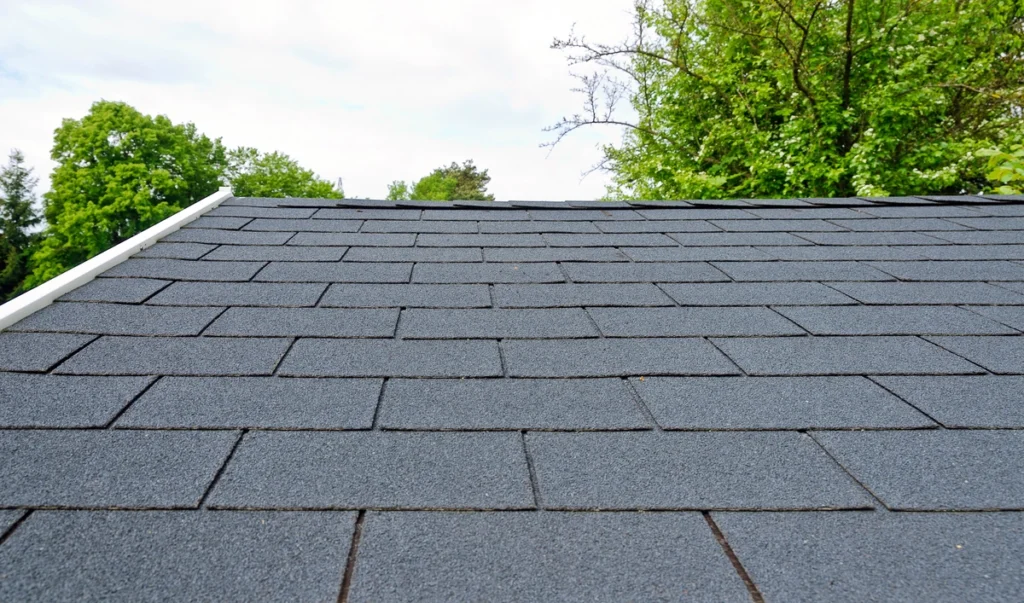
  • 3-Tab Shingles: These are the most basic and cost-effective options. Three-tab shingles have a flat appearance and are made up of three equal-sized tabs. They are suitable for homeowners on a budget.
  • Architectural Shingles: Also known as laminated or dimensional shingles, architectural shingles are thicker and provide a more textured look. They are available in various colors and styles, making them a popular choice for homeowners looking for a balance between aesthetics and durability.
  • Luxury Shingles: Luxury shingles are the premium option in the asphalt shingle category. They are thicker and heavier, and often mimic the appearance of other high-end materials like slate or wood shakes. While they come at a higher cost, they offer superior durability and a luxurious aesthetic.

2) Wood Shingles and Shakes

Wood shingles and shakes are a timeless choice for homeowners seeking a natural and rustic look for their roofs. Here are some key differences between the two:

  • Wood Shingles: Wood shingles are machine-cut and have a uniform thickness and appearance. They provide a neat and classic look and are often used in traditional or cottage-style homes.
  • Wood Shakes: Wood shakes are hand-split, giving them a more rugged and textured appearance. They are thicker than shingles and provide a more rustic and natural look. Wood shakes are often used in log cabins and homes with a rustic aesthetic.

3) Metal Roofing

metal roof with window wall

Metal roofing has gained popularity in recent years due to its durability and energy efficiency. Metal shingles or panels are available in various materials, including steel, aluminum, and copper. Some advantages of metal roofing include:

  • Longevity: Metal roofs can last 50 years or more, making them a long-term investment.
  • Energy Efficiency: Metal reflects the sun’s rays, reducing heat absorption and cooling costs during hot weather.
  • Variety of Styles: Metal roofing comes in various styles, including standing seam, metal shingles, and metal tiles, offering homeowners plenty of options.

4) Slate Shingles

Slate shingles are a premium roofing material known for their elegance and longevity. They are made from natural slate stone and can last for over a century if properly maintained. While slate shingles are stunning, they are also heavy and expensive, so they may not be suitable for all budgets or structural conditions.

Top Shingle Manufacturers

When selecting shingles for your home, it’s essential to choose a reputable manufacturer known for quality and durability. Here are some of the top shingle manufacturers in the market:

  • GAF: GAF is one of the largest and most well-known roofing manufacturers in North America. They offer a wide range of asphalt shingles, including Timberline HDZ and Camelot II, known for their durability and performance.
  • Owens Corning: Owens Corning is another trusted name in the roofing industry. Their Duration and Duration Designer shingles come in a variety of styles and colors and are known for their strength and weather resistance.
  • CertainTeed: CertainTeed offers a diverse range of shingle styles, including Landmark and Grand Manor shingles. They are known for their durability, and the company is committed to sustainability practices.
  • Tamko: Tamko produces a variety of asphalt shingle products, such as Heritage and Heritage Premium. They are known for their affordable yet high-quality roofing options.
  • Malarkey Roofing Products: Malarkey is known for its sustainable roofing materials. Their Legacy and Windsor shingles are favorites among homeowners looking for durability and eco-friendliness.

Factors to Consider When Choosing Roofing Material

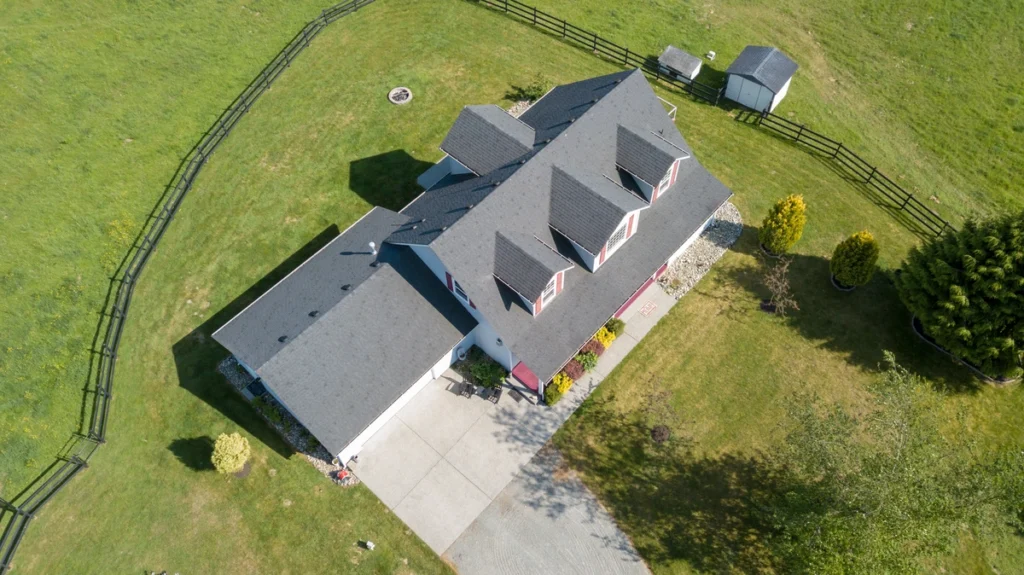
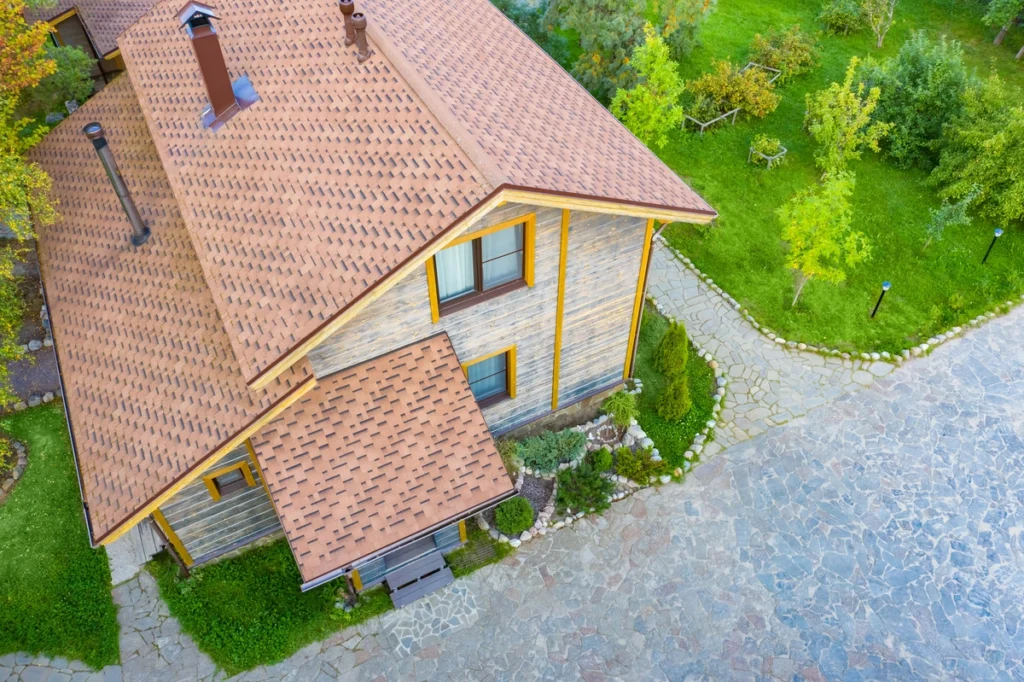
house roof aerial view

Selecting the best shingles for your home involves more than just picking a style or manufacturer. Several factors should influence your decision:

Climate ☀️

Consider the climate in your area. Certain roofing materials, such as metal and asphalt, may perform better in specific climates. For instance, metal roofs are excellent in areas with heavy snowfall, while asphalt shingles may be more suitable for regions with frequent rain.

Budget

Determine your budget for the roofing project. Different materials come at various price points, and you should choose one that fits within your budget while meeting your requirements for quality and longevity.

Aesthetic Preferences ✨

Think about the overall look you want for your home. Some roofing materials, like wood shakes or slate, provide a classic and luxurious appearance, while others, like asphalt shingles, offer a more versatile range of styles and colors.

Maintenance

Consider the maintenance requirements of the roofing material. Some materials, like wood, may require more frequent maintenance, such as sealing or staining, to prolong their lifespan.

Longevity

Think about how long you plan to stay in your home. If it’s your forever home, investing in a premium, long-lasting roofing material might be a wise choice. However, if you plan to sell in a few years, a more budget-friendly option may suffice.

Local Building Codes ‍♀️

Ensure that the roofing material you choose complies with local building codes and regulations. Some areas may have restrictions on certain materials or require specific fire-resistant options.

Let Us Help You Find The Best Roofing Shingles

Choosing the best roof shingles for your home is no easy task. But with a little expert guidance, you can feel confident in your new roof. If you are looking to work with the best roofing contractors in town, look no further than Open Box Roofing! We work closely with our customers to help craft a roof that will stand the test of time. Contact us today to work with a roofing contractor who does it all!

It only comes around once every two decades, but a roof replacement can feel like a monumental event in the life of any homeowner. Not only does it feel like a homeowning rite of passage, but it comes with a lot of stressors. You’ll be asked to make many decisions, including:

  • A budget
  • Which roofing materials you want to use
  • Which roofing company you want

Are you ready to upgrade your roof?

We’ll help you get there.

Each of those decisions comes with many moving parts that can make anyone’s head spin. But if you have narrowed your roofing material decision down to asphalt shingles, we’re here to convince you that architectural shingles are your best bet.

What are architectural shingles, exactly? That’s exactly what we’ll be explaining, along with maintenance tips and cost predictions. Keep reading to learn more!

Why Asphalt Shingles?

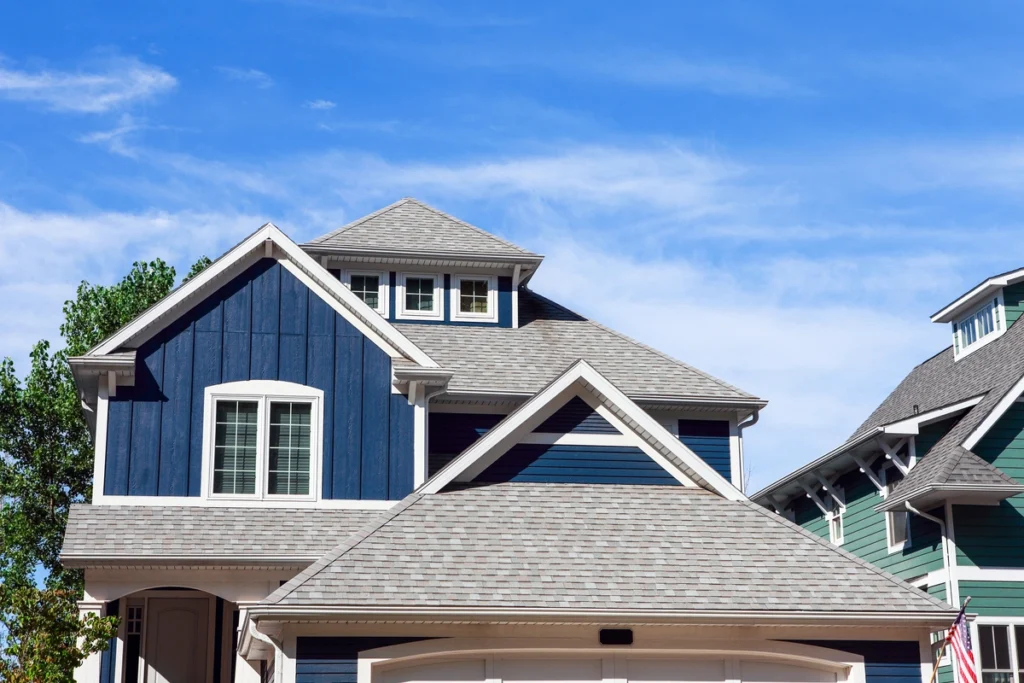
houses next to each other with asphalt shingle roofs

Asphalt shingles are the most popular roofing material in the United States. But what is it that makes homeowners turn to them, time after time? Here are just a few of the draws:

  • Cost – By far, the biggest advantage of asphalt roofing shingles is that they are hugely inexpensive. In fact, they are the cheapest roofing material on the market! Individual prices with vary, depending on the style that you choose and the brand, but you can expect a good deal on all of them.
  • Versatility – We all want our home to reflect our personal taste and sense of style, and asphalt shingles can do just that. With a wide range of colors, they have an aesthetic appeal that can work with any home.
  • Easy Installation – An asphalt shingle roof is simple to install, making it a popular choice for seasoned pros and DIY newbies alike! The ease of installation also means that they are perfect for quick and affordable repairs.
  • Low Maintenance – This particular roofing style requires minimal maintenance to look its best, making it a popular choice for busy homeowners.

Two Types of Asphalt Shingles

When it comes to asphalt shingles, you typically have two choices: 3-tab shingles and architectural shingles. Both of these styles have their pros and cons, and it is important to do your research to understand the difference. Here are some of the key points you should consider.

1) 3-Tab Shingles

If affordability is your main concern, 3-tab shingles are the right option for you. The cheapest roofing material on the market, 3-tab shingles, will get the job done in a way that works with your budget. Of course, it is important to note that 3-tab shingles have poor durability and may need more frequent repairs. They also don’t offer the same aesthetic appeal as architectural shingles, as they have a flat, one-dimensional look. 3-tab shingles are often considered outdated and generally not recommended by roofing contractors.

2) Architectural Shingles

Architectural shingles are the preferred type of asphalt shingle by most professional roofing contractors. Also known as dimensional shingles, architectural roofing shingles provide the most curb appeal of any type of asphalt shingle, as they add depth and interest to your roof. They also have increased durability and stand up better to impact damage than 3-tab shingles.

Why You Should Choose Architectural Shingles

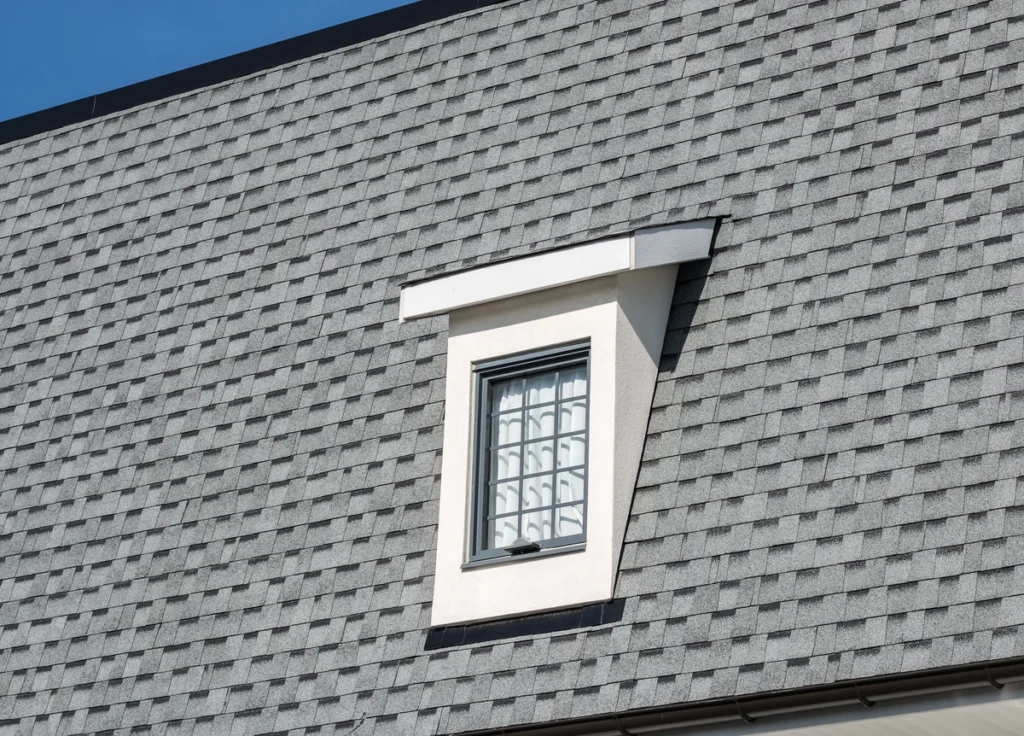
close up image of window on the architectural shingle roof

Architectural shingles typically cost more than 3-tab shingles, which can make homeowners hesitate. After all, are they really worth the extra cost?

As roofers, our answer is yes! Not only will the upfront cost save you money in the long run when it comes to repair costs, but you’ll also add lots of curb appeal to your home. This is particularly useful if you are looking to sell your home in the near future, as both of these features can add value to your home.

How Much Do Architectural Shingles Cost?

When it comes to choosing between architectural asphalt shingles and 3-tab, many homeowners are concerned about the difference in costs. And while it’s true that you may pay more for architectural shingles than other roofing materials, you may be surprised to learn how affordable they can be.

Architectural shingles typically cost between $4.50-$7 per square foot. That means that homeowners who have a standard 2000-foot home will pay between $13,000-$20,000 for a full roof replacement. In contrast, 3-tab shingles only cost about $1-$2 per square foot, but you are likely to deal with more impact damage over the years. This can significantly shorten the lifespan of your roof and cause you to spend more than you had planned on.

Maintaining Your New Roof

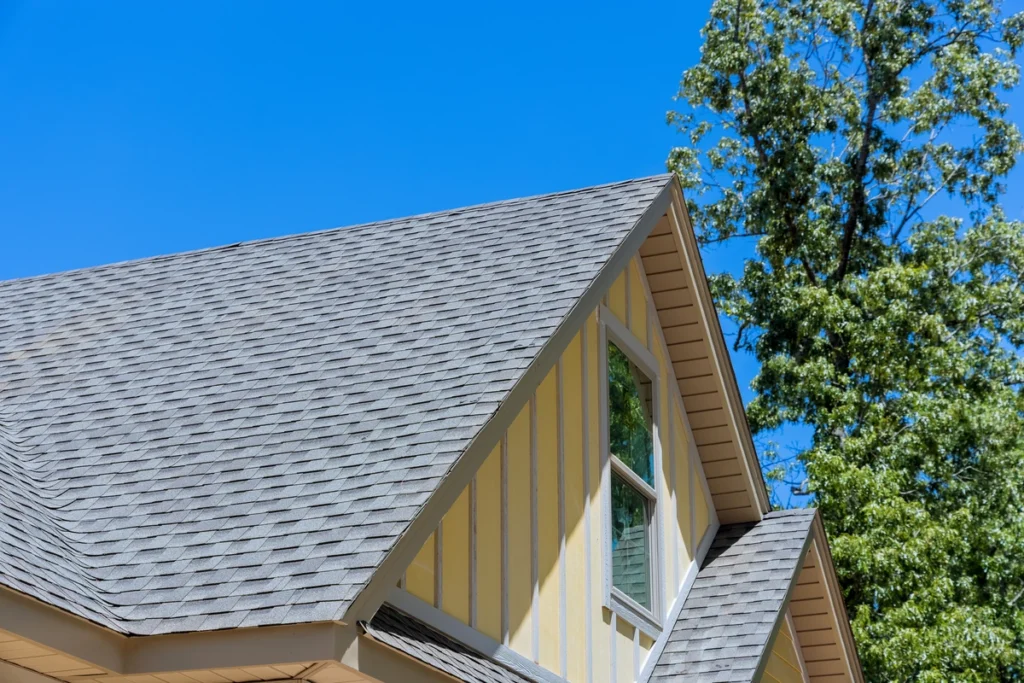
yellow vinyl siding on house with gray roof

Roof maintenance is the best way to make sure that you are getting the most bang for your buck! Here are our favorite maintenance tips to extend the lifespan of your roof.

  • Regular Inspections – Annual roof inspections with a qualified roofing contractor can help save you a headache in the long run. By spotting any issues early on, you’ll be able to extend the life of your shingles and roof deck.
  • Trim Trees – One of the primary causes of impact damage on a roof is falling tree branches. Keep all trees that hang above your roof line well-trimmed to avoid this.
  • Keep Your Roof Clean – A build-up of debris on your roof can lead to major issues, including water damage. You can avoid this by keeping your roof and gutters free of leaves, branches, or other debris that gathers throughout the year.
  • Replace Shingles – When a shingle or two blows off, it can be tempting to leave it. But even a few missing shingles can lead to extensive water damage to your whole home. You can protect your roof by promptly replacing any blown-off shingles.

Get an Expert Opinion

Choosing a roofing material can feel like a huge undertaking. Luckily, our team at OpenBox Roofing has the expertise to assist you in the decision-making process. From asphalt shingles to cedar shakes and slate, we can do it all! Contact us today to set up your consultation. 

A roof is an essential component of any home, protecting us from the elements and ensuring our safety and comfort. However, over time, roofs can deteriorate due to various factors like weather conditions, age, or lack of maintenance. That’s why it’s crucial to schedule regular roof inspections to identify potential issues before they become costly problems.

But you likely have a lot of questions, including:

  • How often should I get my roof inspected?
  • How much does a roof inspection cost?
  • What will they look for?

In this blog post, we will explain all of that and more! Keep reading to learn all about roof inspections.

The Cost of Roof Inspections

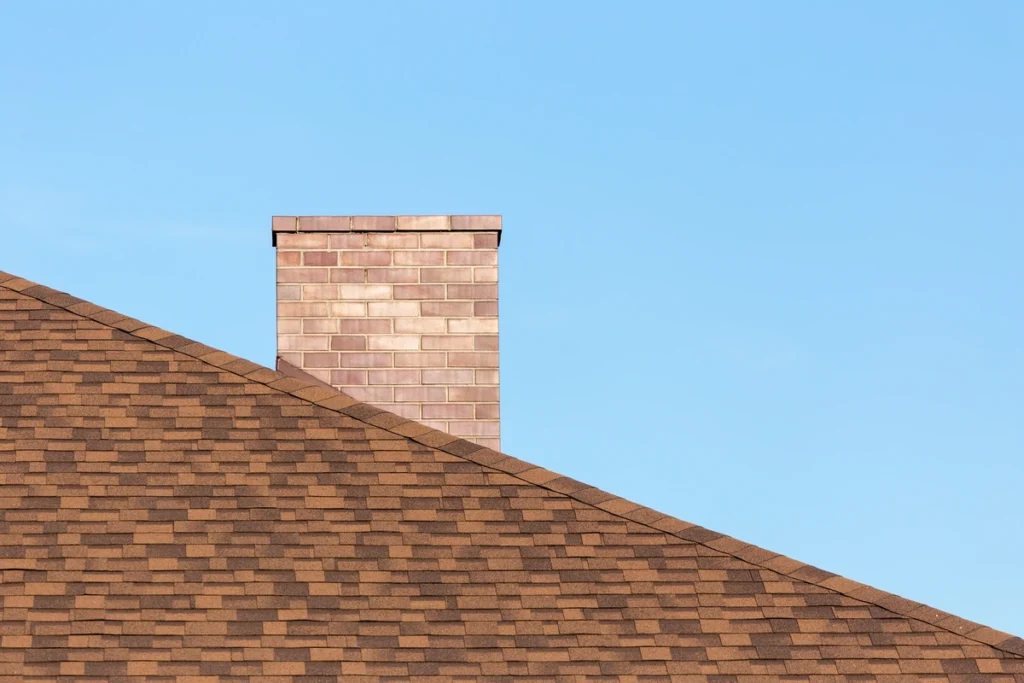
Architectural shingles of the house roof and brick chimney

The cost of a roof inspection can vary depending on several factors, including:

  • The size of your roof
  • Roof complexity
  • Geographical location
  • The season

On average, a professional roof inspection can range from $150 to $500, making this a fairly inexpensive way to care for your home. However, if that cost is enough to discourage you, it’s important to remember that this cost is relatively small compared to the potential expenses that may arise from undetected roof damage.

It’s worth noting that some roofing companies may offer free inspections, especially if you’re already considering their services for repairs or replacements. Keep in mind that free inspections are intended for people interested in hiring someone to complete a service. If you’re calling the same roofing company to perform a free inspection multiple times a year, they reserve the right to charge for their time and labor.

What the Inspector Looks For

Now that you understand roof inspection costs, it’s important to cover what roof inspectors look for when examining your roof.

During a roof inspection, a qualified inspector will carefully assess various aspects of your roof to determine its condition. Here are some key areas they will focus on:

  • Roofing Materials: The inspector will evaluate the type of roofing material used, such as shingles, tiles, or metal, and check for signs of wear, damage, or deterioration.
  • Shingles/Tiles: They will inspect individual shingles or tiles for cracks, curling, missing pieces, or granule loss, which can indicate potential leaks or roof failure.
  • Flashing: The inspector will examine the flashing around chimneys, vents, skylights, and other roof penetrations to ensure they are secure and properly sealed.
  • Gutters and Drainage: Proper water drainage is vital for a healthy roof. The inspector will assess the condition of gutters, downspouts, and drainage systems to identify blockages or improper water flow.
  • Roof Penetrations: They will check the seals around vents, pipes, and other roof penetrations to ensure they are watertight and well-maintained.
  • Attic and Interior Inspection: In some cases, the inspector may need to access the attic or interior spaces to check for signs of water damage, mold, or insulation problems that could be attributed to roof issues.
  • Structural Integrity: The inspector will also evaluate the overall structural integrity of the roof, looking for sagging, signs of rot, or any other structural concerns.

4 Times to Schedule a Roof Inspection ⏰

new installed roof of the cottage in nature

Timing is crucial when it comes to scheduling roof inspections. After all, the longer that a damaged roof remains untouched, the further the damage can spread. This can mean huge repair bills and, in some severe cases, a full roof replacement. Here are some scenarios where it’s recommended to get a professional inspection:

1) Routine Maintenance

We recommend that you schedule a roof inspection at least once a year as part of regular maintenance, even if you haven’t noticed any specific issues. This helps catch minor problems early on and prevent major damage. Your roof inspector will also note any vulnerable areas of your roof and help you come up with ways to protect them going forward.

2) After Severe Weather Events

If your area experiences severe weather conditions like storms, hail, or heavy winds, it’s wise to have your roof inspected afterward, as these events can cause significant damage. Done a DIY roof inspection and think everything looks right as rain? Think again. A professional roofing contractor will be able to spot things that the untrained eye might not know to look for.

3) Before Buying or Selling a Home

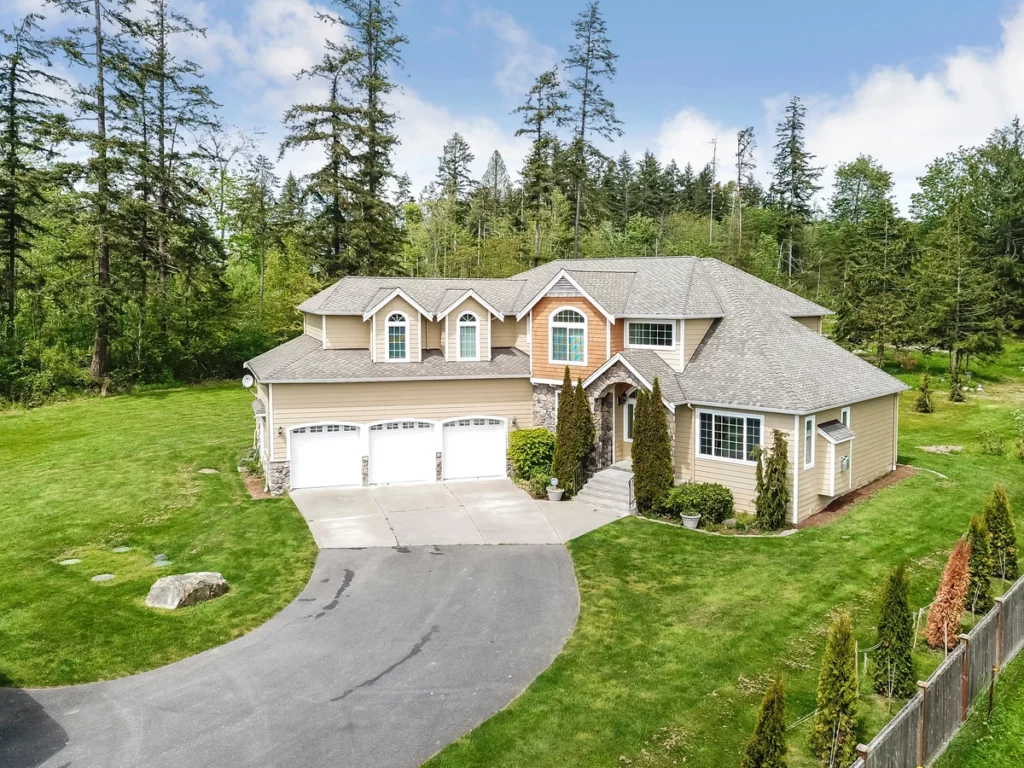
large luxury house with vinyl siding and gray asphalt shingle roof surrounded with trees

If you’re planning to purchase or sell a property, a thorough roof inspection is essential. It provides peace of mind for the buyer and helps determine the value and condition of the roof.

4) Aging Roofs

If your roof is reaching the end of its expected lifespan, it’s advisable to have it inspected more frequently to ensure any issues are addressed promptly. A quality physical inspection can help determine whether it is safe to wait for a roof replacement or if a new one will be required immediately.

Get a Quality Inspection Today

Investing in regular roof inspections is a proactive measure that can save you from potential headaches and financial burdens in the long run. While the cost of inspections may vary, the benefits of early detection and maintenance far outweigh the expense. But finding a qualified contractor that you can trust can seem like a daunting task. 

Luckily, with OpenBox Roofing on your side, it has never been simpler. Our highly skilled roofers will assess your home and offer you workable solutions tailored to your needs. Contact us today to get started!

Asset 500
Asset 60
Don’t Think, Just Call Pink!
Request a Free Quote

Ready to get started? Contact OpenBox Roofing today to schedule your free inspection and discover how our residential roofing services can protect your home.

Name
Asset 5 2