
Our Roofing Blog

Stay up to date on the latest roofing tips, trends, and insights from the experts at OpenBox Roofing. Our blog covers everything from seasonal maintenance to choosing the right materials for your home.

Whether you’re researching a new roof, learning about repairs, or exploring sustainability options, our articles make roofing information easy to understand.

Asset 1 7
Featured Article

3 Qualities to Look for When Hiring a James Hardie Siding Contractor

about us hoodie 150x150 1
Posted By: Openbox Roofing
Here at Open Box Roofing, we strongly believe that our customers deserve nothing less than the best. That’s why we’re proud to be a part of the James Hardie Contractor Alliance Program. James Hardie siding is on more than 8 million homes across North America because it’s the best fiber cement siding product on the market, […]
Asset 17

Your roof is designed to act as a shield for the rest of your home, and hail can be one of the most destructive forces it faces.

Hail damage roof repair is a topic that every homeowner should be well-informed about. In this comprehensive guide, we will discuss:

  • The signs of hail damage
  • The damage different hail sizes can do
  • DIY hail damage roof repair tips
  • The cost of repairing hail roof damage
  • Whether or not homeowner’s insurance will cover your hail damage

Signs of Hail Damage
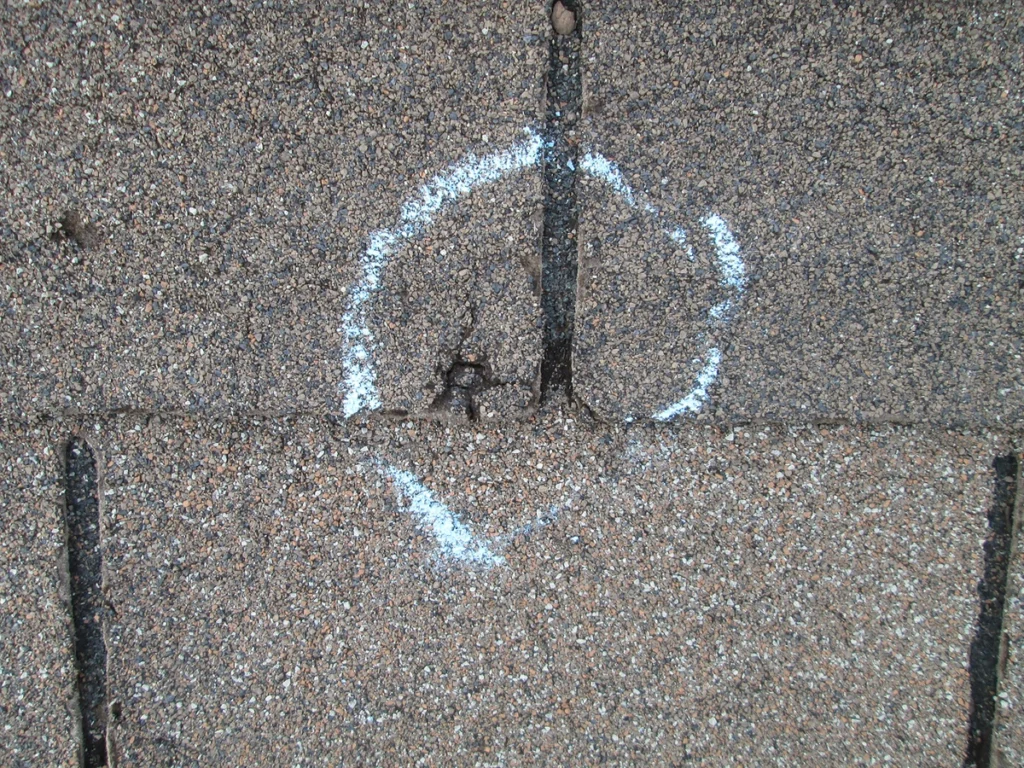
hail mark on roof

Hail damage to a roof can sometimes be difficult to spot, especially from the ground. However, there are several signs that can indicate you might have hail damage:

  • Dented or Bruised Shingles: Hail can cause shingles to become dented or bruised, which may not be immediately visible. If you notice any irregularities on your shingles, it’s worth investigating further.
  • Missing Granules: Hail impact can dislodge the protective granules on shingles. Look for areas where the granules are missing, leaving the underlying material exposed.
  • Cracked or Split Shingles: Severe hail can cause shingles to crack or split. This can lead to leaks and further damage if not addressed promptly.
  • Dents on Metal Roofing: If you have a metal roof, hail can leave visible dents. Check for any depressions or dimples in the metal surface.
  • Damaged Gutters and Downspouts: Hail can also cause damage to your gutters and downspouts. Look for dents or cracks, as well as signs of displaced or bent sections.
  • Water Stains on Interior Ceilings: If hail damage leads to leaks, you may notice water stains on your interior ceilings. This is a clear indicator that roof repairs are needed.

The Damage Different Hail Sizes Can Do

The size of hailstones can greatly impact the extent of damage to your roof. Hailstones come in various sizes, typically ranging from small to large. Here’s how different hail sizes can affect your roof:

  • Small Hail (Pea-sized): Pea-sized hail is unlikely to cause significant damage to your roof. It may result in minor granule loss, but usually, it won’t require extensive repairs.
  • Medium Hail (Marble-sized): Marble-sized hail can cause noticeable damage, including dents and cracks in shingles. Depending on the severity, repairs may be necessary.
  • Large Hail (Golf ball-sized): Golf ball-sized hail can cause substantial damage. It can crack shingles, puncture roofing materials, and lead to leaks. Immediate repairs are essential.
  • Very Large Hail (Baseball-sized or larger): Hailstones the size of baseballs or larger can cause severe damage, including structural issues. In such cases, professional repair or replacement of the entire roof may be required.

How to Make DIY Temporary Repairs in 4 Steps

If you’ve experienced hail damage to your roof and need to make temporary repairs to prevent further damage before a professional inspection, follow these steps:

1) Safety First:

Ensure your safety by using appropriate personal protective equipment and working on a dry, stable surface.

2) Cover Damaged Areas:

Use tarps or heavy-duty plastic to cover damaged areas of your roof. Secure them in place to prevent water infiltration.

3) Temporary Sealant:

Apply roofing cement or a temporary sealant to cracked or punctured areas. This can help stop leaks until permanent repairs can be made.

4) Document the Damage:

Take photographs of the damage and your temporary repairs. This documentation will be useful for insurance claims.

The Cost of Repairing Hail Roof Damage

The cost of repairing hail roof damage can vary widely depending on the extent of the damage and the type of roofing material. Here are some cost considerations:

  • Inspection: Before repairs can begin, you’ll need to have your roof inspected by a professional. Inspection costs can range from $100 to $500.
  • Minor Repairs: If the damage is minimal, such as replacing a few shingles, the cost may be relatively low, typically ranging from $200 to $500.
  • Moderate Damage: For more extensive damage, including replacing sections of the roof, costs can range from $1,000 to $4,000 or more.
  • Complete Roof Replacement: In severe cases where the entire roof needs replacement, costs can escalate significantly, reaching $5,000 to $12,000 or more, depending on the size and complexity of the roof.
  • Insurance Deductibles: Your homeowner’s insurance may cover hail damage repairs, but you will need to pay a deductible. Deductibles typically range from $500 to $2,000.

Will Homeowner’s Insurance Cover Your Hail Damage?

Whether or not your homeowner’s insurance will cover hail damage to your roof depends on your policy and the specific circumstances of the damage. Here’s what you need to know:

  • Policy Coverage: Check your insurance policy to see if it covers hail damage. Most standard policies do, but it’s essential to review the terms and conditions.
  • Deductible: As mentioned earlier, you’ll be responsible for paying the deductible before your insurance kicks in. Make sure you know your deductible amount.
  • Claims Process: If you believe you have hail damage, contact your insurance company promptly. They will send an adjuster to assess the damage and determine the coverage.
  • Evidence: Provide documentation of the damage, including photos and any estimates from roofing contractors.
  • Repairs: Once your claim is approved, you can proceed with repairs. Be sure to work with contractors approved by your insurance company.

Get a Professional Roofing Contractor to Help

a handful of hail

Hail damage to your roof is a serious matter that requires prompt attention. Recognizing the signs of hail damage, understanding the impact of different hail sizes, and knowing how to make temporary repairs are crucial for protecting your home. By taking these steps, you can ensure that your home remains safe and secure even after a hailstorm.

Do you suspect your roof is dealing with hail damage? Contact Open Box Roofing today to schedule your professional roof inspection, and learn about your hail damage repair costs.


Indianapolis is not just famous for its fast cars and sports teams. It’s also a hidden gem for foodies seeking a culinary adventure. Whether you’re a local looking to try something new or a visitor exploring the city, there’s no shortage of fantastic dining options in the Circle City.

In this blog post, we’re going to take you on a gastronomic journey through some of the best restaurants in Indianapolis straight from their websites.

Take it from Indianapolis’ favorite roofers! We know the eats.

1) St. Elmo Steak House

steak and veggies in dish

We begin our culinary tour with a classic: St. Elmo Steak House. Established in 1902, this iconic restaurant is a must-visit for steak enthusiasts. Their website proudly boasts that “St. Elmo is more than a restaurant – it’s an experience.” And they’re not wrong. Known for their world-famous shrimp cocktail and mouthwatering steaks, this historic gem offers an upscale yet approachable dining experience. Be sure to enhance your steak with their horseradish gorgonzola butter or bourbon peppercorn.

☎️ (317) 635-0636

127 S Illinois St, Indianapolis, IN 46225

⭐️ 4.7 stars on Google

2) Milktooth

If you’re craving brunch, look no further than Milktooth. Their website describes it as “a fine-diner turned all-day brunch spot,” and it’s a spot-on description. Executive Chef Jonathan Brooks serves up inventive dishes like Dutch baby pancakes and duck egg grilled cheese. The quirky vintage decor and a vibrant atmosphere make it a favorite among locals and food tourists alike.

☎️ (317) 986-5131

534 Virginia Ave, Indianapolis, IN 46203

⭐️ 4.4 stars on Google

3) Bluebeard

Bluebeard is a restaurant that takes farm-to-table dining to a whole new level. A James Beard award winner, they combine outstanding service with an artisanal approach to their food. With a focus on fresh, local ingredients, you can expect classic dishes like roasted chicken and a ham plate with burrata, hearts of palm, papers, and olives mixed with some fresh recipes such as their spicy dragon shrimp. They also offer a private dining room for all of your special occasions.

☎️ (317) 686-1580

653 Virginia Ave, Indianapolis, IN 46203

⭐️ 4.6 stars on Google

4) Mama Carolla’s Old Italian Restaurant

italian pasta

For a taste of Italy in the heart of Indy, Mama Carolla’s is the place to be. Their website invites you to “experience a true Italian meal.” This charming, family-owned restaurant offers classic Italian dishes like lasagna and eggplant puttanesca. The cozy ambiance and the extensive wine list make it a perfect spot for a romantic dinner or a gathering with friends.

☎️ (317) 259-9412

1031 E 54th St, Indianapolis, IN 46220

⭐️ 4.7 stars on Google

5) Vida

Vida, located in the historic Lockerbie Square neighborhood, offers a modern tasting menu available in a four-course and six-course format. Expect to try a wide range of great food, including flavors such as caramelized cauliflower, foie gras, kabocha squash tortelloni, and ricotta donuts. The elegant decor and lively atmosphere add to the overall superior dining experience.

☎️ (317) 420-2323

601 E New York St, Indianapolis, IN 46202

⭐️ 4.8 stars on Google

6) Mozzi’s Pizza

pizza and wine

Who doesn’t love a good pizza? Mozzi’s Pizza offers some of the best pies in Indianapolis. From classic pepperoni to creative options like the Spaghetti Pizza, all of their pizzas are a crowd-pleaser. And don’t forget to try their deluxe pepperoni bread stix – they’re addictive!

☎️ (317) 894-9292

5875 US-40, Greenfield, IN 46140

⭐️ 4.1 stars on Google

7) The Eagle

If you’re in the mood for some fried chicken, The Eagle is the place to go. Their crispy fried chicken served with honey and hot sauce, is legendary. The rustic decor and comfort food menu make it a great spot for a casual, satisfying meal. In addition to perfect chicken, you can get great sides, including a mini sweet potato casserole and mac and cheese. With great outdoor seating options, you can enjoy all that Indianapolis has to offer!

☎️ (317) 929-1799

310 Massachusetts Ave, Indianapolis, IN 46204

⭐️ 4.5 stars on Google

8) Mimi Blue

Mimi Blue is the perfect downtown Indy restaurant for date night. They offer a wide range of dinner plates, such as turkey balls with mushroom gravy and mashed potatoes or their famous chili with grilled cheese. They’re known for their wide range of housemade meatballs, including meat, vegan, and specialty flavors.

☎️ (317) 737-2625

870 Massachusetts Ave, Indianapolis, IN 46204

⭐️ 4.5 stars on Google

9) Livery

Livery is a gem for those seeking Latin-inspired flavors in Indy. They specialize in empanadas, with classic flavors like potato, chorizo, and queso. This is one place where you don’t want to skip the appetizer menu. Keep it simple with their housemade guacamole and yuca fries, or enjoy their addictive Pan de queso. With lots of gluten-free, vegetarian, and vegan options, there is something for everyone!

☎️ (317) 383-0330

720 N College Ave, Indianapolis, IN 46202

⭐️ 4.7 stars on Google

They’ve Got Restaurant Accolades, We’ve Got Roofing Accolades

Indianapolis may not always be the first city that comes to mind when thinking about food destinations, but it’s time to change that perception. From steakhouses to brunch spots and from Italian to Latin cuisine, this city offers a delightful range of dining experiences. The best way to explore these culinary treasures is to grab your friends and embark on a food adventure through the streets of Indy.

And while you are out enjoying all the city has to offer, let us take care of your home! At Open Box Roofing, we provide superior roofing and exterior services to keep your home smooth and stress-free throughout the year. Contact us today to learn more about how we can help your home! 

When it comes to your home, one of the most critical components is your roof. After all, your roof:

  • Protects you from the elements
  • Keeps you warm and dry
  • Adds structural integrity to your house

But like any other part of your home, your roof is not immune to wear and tear over time. This is where a roof warranty comes into play. In today’s blog post, we’ll take a deep dive into what a roof warranty is, the difference between a product warranty and a workmanship warranty, what your warranty typically covers and doesn’t cover, and how to spot signs of roof damage.

What is a Roof Warranty?

woman signing a warranty

A roof warranty is a written agreement between you (the homeowner) and the roofing manufacturer or contractor. It serves as a guarantee that your roof will perform as expected within a specified period. Roof warranties provide homeowners with peace of mind, knowing that they won’t be left with significant repair or replacement costs in case of unexpected issues.

Product Warranty vs. Workmanship Warranty: Which One Is Right For You?

There are two main types of roof warranties: product warranties and workmanship warranties. Understanding the distinction between the two is crucial when evaluating the coverage of your roof warranty.

Product Warranty

A product warranty covers the roofing materials themselves, such as shingles, underlayment, and flashing. These warranties are typically provided by the manufacturer and can vary in duration, with common lengths ranging from 10 to 50 years or more. The specific terms and conditions of a product warranty depend on the manufacturer and the type of roofing materials used.

Key points to consider with a product warranty:

  • It covers defects in the roofing materials, including premature deterioration, manufacturing defects, and material failure.
  • Product warranties are generally transferable to subsequent homeowners if you decide to sell your home.
  • Proper installation and maintenance are essential to validate a product warranty. Failure to follow installation guidelines or maintain your roof may void the warranty.

Workmanship Warranty

A workmanship warranty, also known as a labor warranty or installation warranty, covers the quality of the roof installation and workmanship performed by the roofing contractor. Unlike product warranties, workmanship warranties are typically provided by the roofing contractor or installation company.

Key points to consider with a workmanship warranty:

  • It guarantees that the roofing installation was done correctly and in accordance with industry standards.
  • Workmanship warranties typically have a shorter duration than product warranties, often ranging from 1 to 10 years.
  • The terms and conditions of workmanship warranties may vary between contractors, so it’s essential to read and understand the specifics.
  • Workmanship warranties are not always transferable to subsequent homeowners.

What Your Roof Warranty Typically Covers

new house construction exterior

The coverage provided by your roof warranty can vary widely depending on the type of warranty, the manufacturer or contractor, and the specific terms and conditions outlined in the warranty documentation. However, here are some common items that are typically covered by roof warranties:

Product Warranty Coverage

  • Material Defects: If your roofing materials develop defects or fail prematurely, the manufacturer’s warranty should cover the cost of replacement materials.
  • Color Fading: Some warranties cover color fading of roofing materials beyond a certain threshold, ensuring that your roof maintains its aesthetic appeal.
  • Algae and Mold Resistance: Many product warranties include coverage for algae and mold resistance, which can help prevent unsightly growth on your roof.
  • Wind Damage: Some warranties specify protection against wind damage up to a certain wind speed, ensuring your roof remains intact in severe weather conditions.

Workmanship Warranty Coverage

  • Installation Errors: Workmanship warranties cover issues related to the installation process, such as leaks caused by improper sealing or flashing.
  • Roofing System Integrity: The warranty may guarantee the overall integrity of your roofing system, ensuring that it functions as intended.
  • Labor Costs: If any workmanship-related issues arise during the warranty period, the roofing contractor typically covers the cost of labor for repairs.

It’s important to note that these coverages may vary from one warranty to another, so always review the warranty documentation carefully to understand what is included.

What Your Roof Warranty Typically Does Not Cover

While roof warranties offer valuable protection, they often come with exclusions and limitations. Here are some common items that are typically not covered by roof warranties:

Product Warranty Exclusions

  • Normal Wear and Tear: Product warranties do not cover the natural aging and wear and tear of roofing materials over time.
  • Acts of Nature: Damage caused by severe weather events, such as hailstorms, hurricanes, or earthquakes, is generally not covered by product warranties.
  • Improper Maintenance: Neglecting to maintain your roof properly, including cleaning gutters and removing debris, can void your warranty coverage.
  • Unauthorized Repairs: If you make repairs or modifications to your roof without manufacturer-approved materials or methods, it may void the warranty.

Workmanship Warranty Exclusions

  • Acts of Nature: Similar to product warranties, workmanship warranties typically exclude damage caused by severe weather events.
  • Subsequent Repairs by Others: If you hire another contractor to perform repairs or alterations to your roof, it may void the workmanship warranty.
  • Unauthorized Changes: Making changes to your roofing system without the approval of the original contractor can result in warranty voidance.

7 Signs of Roof Damage to Watch Out For

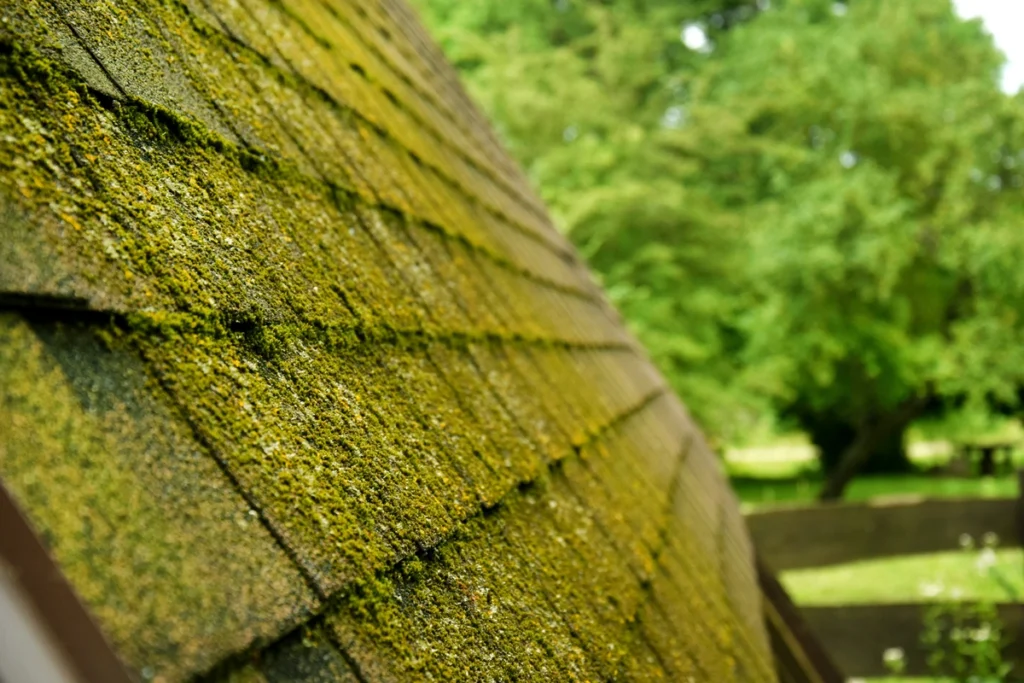
close up to roof with moss

To ensure that your roof remains in good condition and to maximize the benefits of your roof warranty, it’s essential to regularly inspect your roof for signs of damage. Here are some common signs of roof damage to watch out for:

1. Leaks and Water Stains

Water stains on your ceiling or walls are a clear indication of a leaky roof. Inspect your attic and interior spaces for signs of water intrusion.

2. Missing or Damaged Shingles

Missing or damaged shingles can expose your roof to further damage. Look for shingles that are cracked, curling, or entirely missing.

3. Moss, Algae, or Mold Growth

Algae and mold growth on your roof can deteriorate roofing materials and affect your home’s appearance. Cleaning and maintenance may be necessary to prevent further damage.

4. Sagging Roof

A sagging roof may indicate structural issues or water damage. It’s essential to address this problem promptly to prevent further damage.

5. Granule Loss

Excessive granule loss from asphalt shingles can indicate wear and tear. Check your gutters for granules that have washed away.

6. Damaged Flashing

Flashing around chimneys, vents, and skylights should be in good condition. Damaged or deteriorated flashing can lead to leaks.

7. Interior Condensation

Condensation in your attic can lead to mold growth and insulation damage. Ensure proper ventilation to prevent this issue.

Learn More About Open Box’s Roofing Warranties

Understanding your roof warranty is crucial for protecting your home and investment. Whether you have a product warranty or a workmanship warranty, being aware of what is covered and what is not can save you from unexpected expenses. Regular roof inspections and maintenance are key to spotting and addressing damage early, ensuring that your roof serves you well for years to come. Remember, a well-maintained roof not only adds value to your home but also provides the security and comfort you deserve.

At Open Box, we’ll provide your with the best roofing warranty around! Contact us today to learn more about our what our warranties cover.

When it comes to home improvement, the color of your gutters might not be the first thing that comes to mind. However, the color of your gutters can have a significant impact on your home’s overall aesthetic appeal. In this guide, we will explore:

  • The importance of gutter colors and provide
  • Valuable insights into selecting the best gutter colors for your home
  • When to replace your gutters

Ready to pick the best gutter colors for your home? Keep reading!

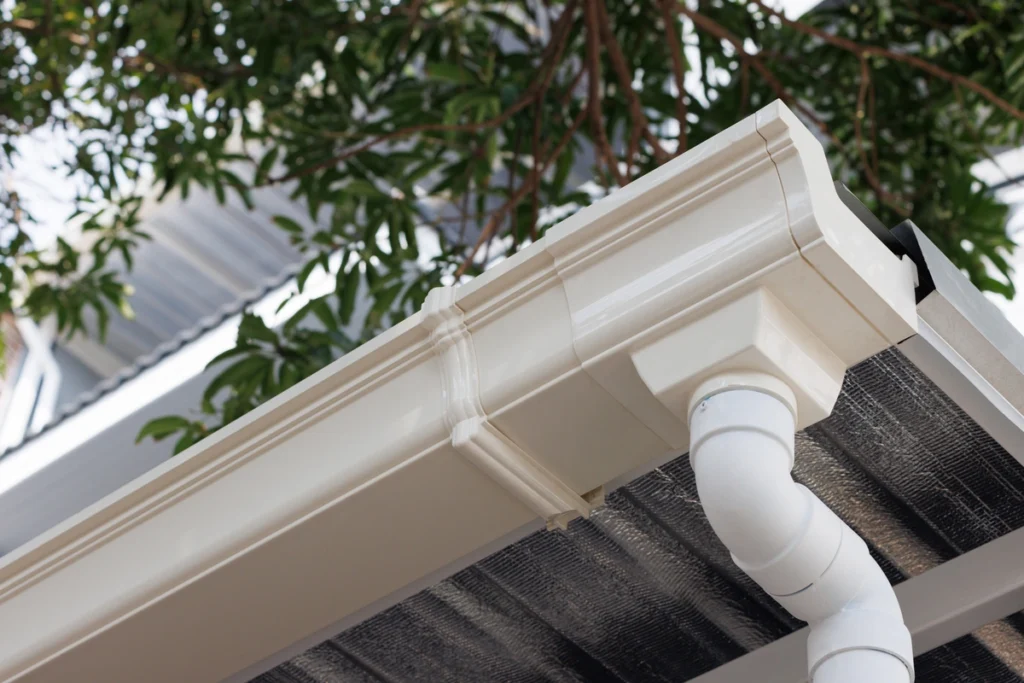
white gutters

Signs That It’s Time to Replace Your Gutters

Before diving into the world of gutter colors, it’s essential to understand when it might be time to replace your gutters. Here are some common signs that indicate your gutters need attention:

  • Visible Damage: Cracks, dents, or holes in your gutters are clear indicators that they are no longer effective. These issues can lead to water leakage and structural damage to your home.
  • Peeling Paint: If you notice your gutters’ paint is peeling or chipping, it’s a sign of age and wear. Repainting might not be enough; replacement could be necessary.
  • Sagging Gutters: Gutters that are sagging or pulling away from your home can’t effectively redirect rainwater. This can lead to water pooling and potential foundation damage.
  • Water Overflow: During rainstorms, if water overflows from your gutters or spills over the sides, it’s a sign of clogs or inadequate drainage capacity.
  • Mold or Mildew: Excessive moisture and poor drainage can lead to the growth of mold or mildew on your home’s exterior, a clear sign of gutter issues.

If you observe any of these signs, it’s time to consider replacing your gutters.

Different Gutter Styles

Before you can decide on the best gutter color, you should familiarize yourself with the different gutter styles available. The choice of style can influence the overall look of your home. Here are some common gutter styles:

K-Style Gutters:

These gutters have a flat bottom and back, with a decorative front that resembles crown molding. They are popular for their ability to hold more water and their aesthetic appeal.

Half-Round Gutters:

Half-round gutters have a semi-circular shape and are often seen in historic and older homes. They offer a classic and elegant look.

Box Gutters:

Box gutters are built into the roof structure and are less visible from the ground. They are a discreet option that provides effective drainage.

Fascia Gutters:

These gutters are attached directly to the fascia board, giving a streamlined appearance. They are a great choice for modern and minimalist designs.

How to Choose Your Gutter Colors

Now that you have an understanding of when to replace your gutters and the different styles available, let’s delve into the world of gutter colors. Choosing the right color can enhance your home’s curb appeal. Here are some tips for selecting the best gutter colors:

  • Match Your Home’s Exterior: The most common approach is to choose gutter colors that closely match your home’s exterior. This creates a cohesive and harmonious look.
  • Complementary Colors: If you want your gutters to stand out, consider complementary colors. For example, if your home is a neutral shade, choose a contrasting gutter color to create visual interest.
  • Blend with Roofing: Your roof color can influence your gutter choice. Gutters that blend seamlessly with your roofing material can create a unified appearance.
  • Consider Climate: Think about your climate when choosing gutter colors. Lighter colors may be better in hot climates to reflect heat, while darker colors can absorb and retain heat in colder regions.
  • Personal Preference: Ultimately, the choice of gutter color is a personal one. It should reflect your taste and style while considering the overall aesthetics of your home.

The 7 Best Gutter Colors

While the primary function of gutters is to manage rainwater and protect your home from water damage, they can also play a vital role in enhancing your home’s curb appeal. Selecting the best gutter colors can be a creative and enjoyable process. Here are some popular and stylish gutter colors to consider:

1. Classic White:

White gutters are a timeless choice that complements a wide range of home exteriors. They provide a clean and fresh appearance, making them suitable for both traditional and modern homes. White gutters work particularly well with light-colored siding, such as beige or pale gray.

2. Earthy Tones:

For a more natural and rustic look, consider earthy tones like brown or dark green. These colors blend seamlessly with wooded surroundings and can give your home a cozy, cabin-like feel. Earthy gutter colors work well with homes in natural settings.

3. Bold and Contrasting:

If you want your gutters to make a statement, choose bold and contrasting colors. For example, if your home has a neutral exterior, opt for vibrant red, royal blue, or even black gutters. These colors can create a striking and memorable appearance.

4. Matching Your Trim:

To achieve a cohesive look, match your gutter colors with the trim of your home. If your trim is a shade of gray, consider choosing gray gutters. This approach creates a harmonious and well-coordinated exterior.

5. Copper Elegance:

Copper gutters are a luxurious choice that adds an air of elegance to your home. Over time, they develop a beautiful patina that enhances their visual appeal. Copper gutters work exceptionally well with historic or high-end homes.

6. Blend with Roofing:

To create a seamless transition between your roof and gutters, opt for a color that closely matches your roofing material. This approach can give your home a polished and integrated appearance.

7. Darker Shades for Modern Homes:

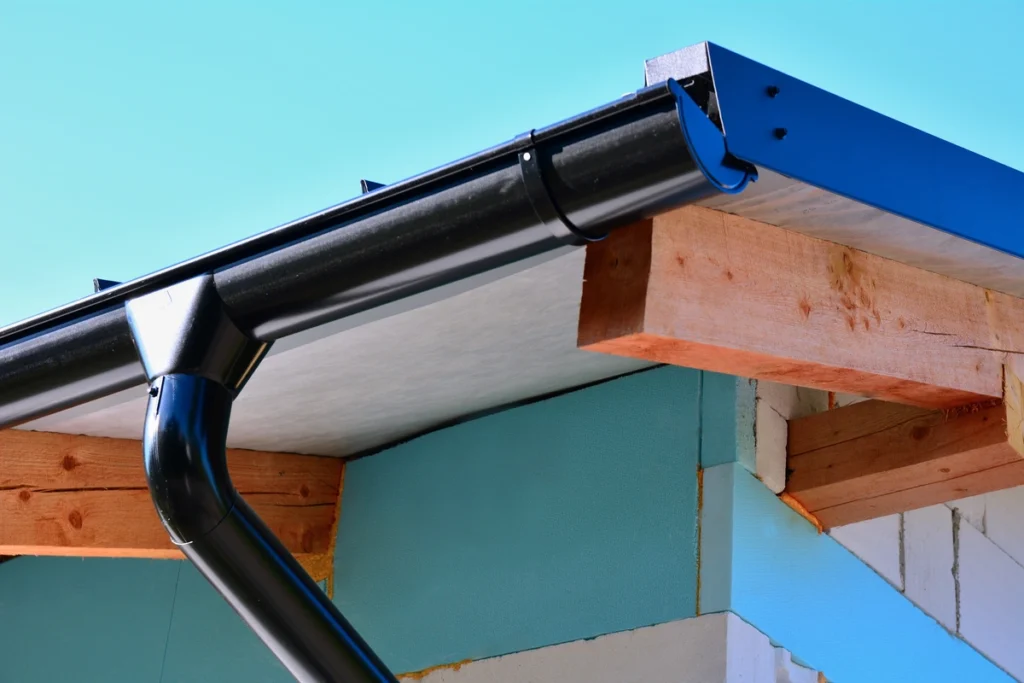
If you have a modern or minimalist home design, consider darker gutter colors like charcoal gray or deep navy. These colors can provide a sleek and contemporary look that complements modern architecture.

The Cost of Replacing Gutters

Replacing gutters is an investment in your home’s functionality and appearance. The cost can vary depending on several factors, including:

  • Gutter Material: Different materials come at different price points. Vinyl is often the most affordable, while copper gutters tend to be the most expensive.
  • Gutter Length: The length of gutters required for your home will impact the cost. Larger homes will naturally require more materials and labor.
  • Installation Complexity: Homes with unique architectural features or complex rooflines may require more labor, which can increase the overall cost.
  • Additional Features: Adding gutter guards or screens can increase the cost but offer long-term benefits by preventing debris buildup and clogs.

It’s essential to obtain quotes from multiple contractors to ensure you get a fair price for your gutter replacement project.

How to Maintain Your Gutters

black gutters

Once you’ve selected the best gutter colors and had your gutters replaced, it’s crucial to maintain them to ensure they function correctly. Here are some tips for gutter maintenance:

Regular Cleaning

Clean your gutters at least twice a year to remove leaves, debris, and dirt that can cause clogs. Consider using gutter guards to reduce maintenance frequency.

Check for Damage

Inspect your gutters regularly for any signs of damage, such as cracks, loose brackets, or sagging sections. Address issues promptly to prevent further damage.

Trim Overhanging Branches

Tree branches that hang over your roof can drop leaves and debris into your gutters. Trim them back to reduce the risk of clogs.

Ensure Proper Drainage

Ensure that your gutters are sloped correctly towards the downspouts to ensure efficient water flow.

Professional Inspection ‍♂️

Consider scheduling a professional gutter inspection to identify potential issues before they become major problems.

Gutter Installation to Match Your Home’s Color Scheme

Choosing the best gutter colors is an important decision that can significantly impact your home’s aesthetics. Before selecting a color, be sure to assess the condition of your existing gutters and consider your home’s style and surroundings. With the right gutter replacement and proper maintenance, you can enhance your home’s curb appeal while ensuring effective water drainage.Ready to install a gutter system that adds to your home’s exterior? Contact Open Box Roofing today to learn about your options!

Storms can wreak havoc on your home, leaving behind a trail of damage that can be both physically and emotionally taxing. While homeowners insurance is designed to provide financial protection during such times, understanding what your policy covers and how to file a storm damage insurance claim is crucial to ensure a smooth recovery process.

Need a local roofer you can trust?

Want advice from those who know about roof insurance after a storm?

In this straightforward guide, we will walk you through:

  • The key steps of filing a storm damage insurance claim
  • How to assess the damage
  • When to involve roofing contractors

Keep reading to learn when to contact your insurance agent or insurance company.

What Your Homeowner’s Insurance Does and Does Not Cover

client at the insurance company

Before delving into the process of filing a storm damage insurance claim, it’s essential to understand the basics of what your homeowner’s insurance typically covers and what it does not. Insurance policies can vary, so it’s vital to review your specific policy and speak with your insurance agent for clarification. Here’s a general overview:

Coverage Typically Includes:

  • Dwelling coverage: This part of your policy typically covers damage to the structure of your home, including the roof, walls, foundation, and attached structures like garages.
  • Personal property coverage: This section covers your personal belongings that are damaged or destroyed by the storm, such as furniture, electronics, and clothing.
  • Additional living expenses (ALE): ALE coverage helps pay for temporary housing and additional costs incurred while your home is being repaired or rebuilt.
  • Liability coverage: If someone is injured on your property during the storm, liability coverage can help cover their medical expenses and legal fees if they sue you.

Coverage Typically Does Not Include:

  • Flooding: Standard homeowners insurance typically doesn’t cover flood damage. You may need a separate flood insurance policy from the National Flood Insurance Program (NFIP) or a private insurer.
  • Earthquake or landslide damage: Like flooding, damage caused by earthquakes or landslides is usually not covered under a standard policy. Separate policies may be necessary.
  • Maintenance issues: Insurance is meant to cover sudden and unexpected damage, not wear and tear or issues that result from neglecting maintenance.

Signs of Storm Damage to Your Home’s Exterior

Recognizing storm damage to your home’s exterior is the first step in the claims process. Here are some common signs of storm damage:

1) Roof Damage:

  • Missing or damaged shingles: High winds can rip shingles off your roof or cause them to become loose and damaged.
  • Dents or cracks in roofing materials: Hailstorms can leave visible dents or cracks on your roof’s surface.
  • Leaks or water stains on ceilings or walls: Roof damage often leads to water leaks inside your home.

2) Siding Damage:

  • Dents or holes: Hail and debris can cause dents or holes in your home’s siding.
  • Loose or missing pieces: Strong winds can loosen or entirely remove siding panels.

3) Window and Door Damage:

  • Broken glass: Flying debris during a storm can shatter windows and glass doors.
  • Frame damage: The impact of objects or debris can damage window and door frames.

4) Gutters and Downspouts:

  • Dents or detachment: Hail or strong winds can cause dents or dislodge gutters and downspouts.
  • Clogs or blockages: Storm debris can clog gutters, leading to water overflow and potential damage.

How to Properly File a Claim: 5 Steps

Once you’ve identified storm damage to your home, it’s time to initiate the insurance claim process. Follow these steps to file a storm damage insurance claim effectively:

1) Document the Damage

Take photos and videos of all the damage to your home’s exterior and interior. This visual evidence will be invaluable during the claims process. Create a detailed inventory of damaged personal belongings. Note their condition, purchase price, and approximate age.

2) Contact your Insurance Company ☎️

woman on the phone

Reach out to your insurance company as soon as possible to report the damage. Provide them with a detailed description of the situation and your policy information. Ask your insurance agent about the specific claim filing requirements and deadlines. Be sure to follow these instructions carefully.

3) Meet with an Adjuster

Your insurance company will likely send an adjuster to assess the damage in person. Be prepared to show them the documented evidence of the damage. Allow the adjuster to inspect your property thoroughly, pointing out any areas of concern.

4) Obtain Repair Estimates

Contact reputable contractors, including roofing contractors, to provide you with detailed repair estimates. Share these estimates with the adjuster. Ensure that the estimates include all necessary repairs and materials.

5) Communicate With Your Insurance Company ️

Maintain open communication with your insurance company throughout the claims process. Follow up regularly to stay informed about the progress.

When to Contact Your Local Roofing Contractor

When storm damage affects your roof, it’s crucial to involve a qualified roofing contractor promptly. Here are the situations in which you should contact a roofing professional:

  • After the storm: As soon as it’s safe to do so, inspect your roof for visible damage. Look for missing or damaged shingles, dents, cracks, and signs of leaks. Contact a roofing contractor to schedule a thorough roof inspection if you suspect damage.
  • If Leaks Occur: If you notice water stains on your ceilings or walls, or if water is actively leaking into your home, contact a roofing contractor immediately. Temporary repairs may be needed to prevent further damage until a complete assessment and repairs can be made.
  • During the Claims Process: Work closely with your insurance adjuster and roofing contractor to ensure all roof damage is properly documented and included in the claim. Obtain multiple repair estimates from reputable roofing contractors to ensure you receive fair compensation.
  • For Repair and Replacement: Once your insurance claim is approved, collaborate with your chosen roofing contractor to complete the necessary repairs or roof replacement. Ensure the contractor uses high-quality materials and adheres to local building codes.

Learn More About Storm Damage Insurance Claims

Filing a storm damage insurance claim can be complex and stressful, but with the right knowledge and preparation, you can navigate it successfully. Remember that open communication with your insurance company and contractors is key to a successful resolution, allowing you to restore your home and peace of mind.

When you need an expert consultation on all things related to storm damage, you need Open Box! Contact us today to get started. 

When it comes to choosing the right siding material for your home, there are numerous options to consider. Each material has its own set of advantages and disadvantages, making the decision a crucial one for homeowners. Vinyl siding is a popular choice that has gained widespread popularity over the years. But is it right for you?

In this blog post, we’ll explore:

  • The top benefits of vinyl siding
  • Its downsides
  • The cost associated with it
  • Other siding materials

Want to make the switch to vinyl house siding?

Keep reading to learn all about it.

Top 6 Benefits of Vinyl Siding

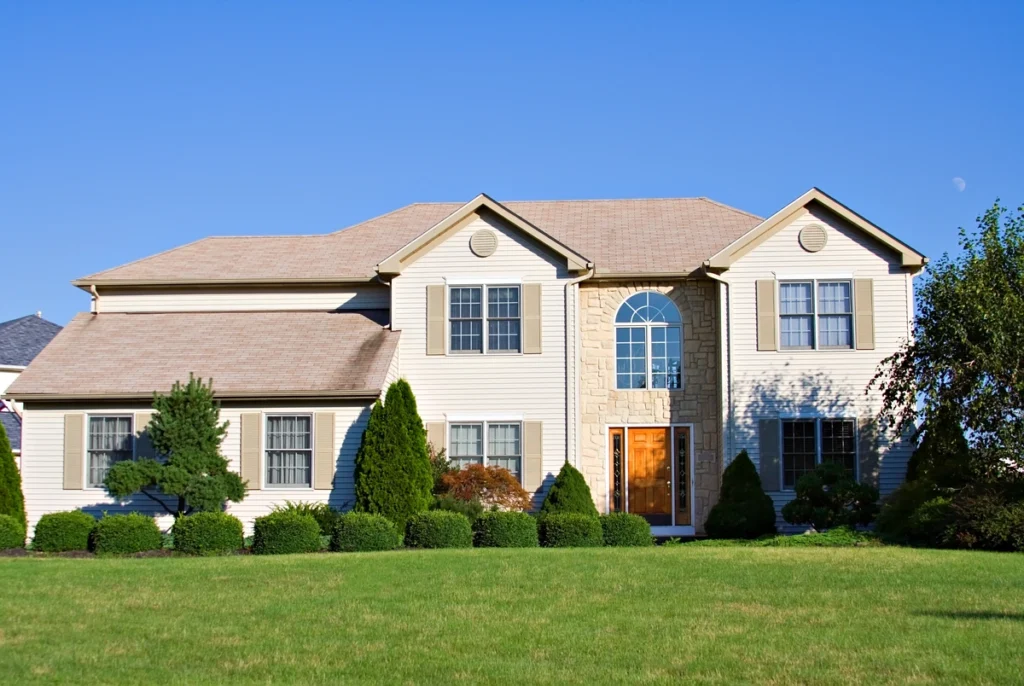
beige vinyl siding on house 1

Wondering if vinyl siding is right for you? Here are a few of the benefits you can expect when you install it!

1) Durability

One of the most significant advantages of vinyl siding is its exceptional durability. Vinyl is known for its resistance to harsh weather conditions, including rain, snow, and strong winds. Unlike wood, which can rot or warp over time, vinyl remains intact, maintaining its original appearance for decades. Vinyl siding is also resistant to termites and other pests, further enhancing its longevity.

2) Low Maintenance

Vinyl siding is incredibly low maintenance, making it an attractive choice for homeowners with busy lifestyles. Unlike wood siding that requires regular painting or staining, vinyl only needs occasional cleaning with a hose and mild detergent to remove dirt and grime. This easy upkeep saves both time and money in the long run.

3) Variety of Styles and Colors

Vinyl siding offers a wide range of styles, textures, and colors to choose from. Whether you prefer a traditional look or something more contemporary, you’ll find vinyl siding that complements your home’s aesthetics. Some vinyl siding options even mimic the appearance of wood or stone, providing versatility and customization options.

4) Cost-Effective

Vinyl siding is a cost-effective choice for homeowners. Not only is the material itself affordable, but its low maintenance requirements also translate into long-term cost savings. You won’t need to invest in expensive painting or repairs, making vinyl siding an excellent choice for budget-conscious individuals.

5) Energy Efficiency ⚡️

Many vinyl siding products are designed with energy efficiency in mind. Insulated vinyl siding, for example, can help improve your home’s insulation, reducing energy consumption and lowering heating and cooling costs. This added insulation can make your home more comfortable year-round.

6) Increased Home Value

Investing in vinyl siding can enhance your home’s curb appeal and overall value. The attractive appearance and durability of vinyl siding can make your home more appealing to potential buyers, potentially increasing its resale value.

3 Downsides of Vinyl Siding

blue vinyl siding and windows

While vinyl siding offers numerous benefits, it’s essential to consider its downsides as well:

1) Limited Repair Options

If a section of vinyl siding becomes damaged, it can be challenging to repair. Unlike wood siding, which can be easily replaced or repaired by a skilled carpenter, vinyl siding typically requires replacing the entire affected panel, which can be costly.

2) Fading

Over time, vinyl siding may fade due to exposure to sunlight and harsh weather conditions. While high-quality vinyl siding products come with UV-resistant coatings to mitigate this issue, some fading may still occur, impacting the appearance of your home.

3) Environmental Concerns

Vinyl siding is made from PVC (polyvinyl chloride), a synthetic plastic material. The production of PVC involves the use of chlorine and can release harmful chemicals into the environment. Additionally, some environmental concerns surround the disposal of vinyl siding when it reaches the end of its lifespan.

The Cost of Vinyl Siding

The cost of vinyl siding can vary depending on several factors, including the quality of the material, the size of your home, and labor costs in your region. On average, homeowners can expect to pay between $3 and $7 per square foot for vinyl siding installation. This cost includes the siding material itself, labor, and any additional materials and accessories needed for the installation.

For a standard 1,500 square foot home, the cost of vinyl siding installation can range from $4,500 to $10,500. Keep in mind that insulated vinyl siding and premium finishes may come at a higher price point. However, the long-term savings on maintenance and energy costs often justify the initial investment.

Comparing Vinyl Siding to Other Siding Materials

To make an informed decision about siding for your home, it’s essential to consider how vinyl siding compares to other popular siding materials:

  • Wood Siding: Wood siding offers a classic and natural look, but it requires regular maintenance, including painting or staining to prevent rot and decay. While wood siding has an authentic charm, it is generally more expensive and labor-intensive to maintain compared to vinyl.
  • Fiber Cement Siding: Fiber cement siding is a durable and fire-resistant option that mimics the appearance of wood. It requires less maintenance than wood siding but is heavier and may require professional installation. The cost of fiber cement siding is typically higher than vinyl.
  • Aluminum Siding: Aluminum siding is lightweight and durable, but it can dent easily, requiring more maintenance. It is also less energy-efficient than vinyl siding and may not offer as many style and color options.
  • Brick Siding: Brick siding is known for its durability and timeless appeal. However, it is one of the most expensive siding options to install, and repairs can be costly if any bricks become damaged.

Get Your New Vinyl Siding Properly Installed

Ultimately, vinyl siding can be an excellent investment that enhances your home’s curb appeal and value while offering long-lasting protection and ease of maintenance. When you need help installing vinyl siding onto your home, call on the trustworthy team at Open Box Roofing. Contact us today to set up your appointment!

Asset 500
Asset 60
Don’t Think, Just Call Pink!
Request a Free Quote

Ready to get started? Contact OpenBox Roofing today to schedule your free inspection and discover how our residential roofing services can protect your home.

Name
Asset 5 2