Our Roofing Blog

Stay up to date on the latest roofing tips, trends, and insights from the experts at OpenBox Roofing. Our blog covers everything from seasonal maintenance to choosing the right materials for your home.

Whether you’re researching a new roof, learning about repairs, or exploring sustainability options, our articles make roofing information easy to understand.

Asset 1 7
Featured Article

3 Qualities to Look for When Hiring a James Hardie Siding Contractor

about us hoodie 150x150 1
Posted By: Openbox Roofing
Here at Open Box Roofing, we strongly believe that our customers deserve nothing less than the best. That’s why we’re proud to be a part of the James Hardie Contractor Alliance Program. James Hardie siding is on more than 8 million homes across North America because it’s the best fiber cement siding product on the market, […]
Asset 17

Vinyl siding is a popular choice for homeowners looking to improve the aesthetics and durability of their homes. It has become a top contender for its:

  • Affordability
  • Low maintenance requirements
  • Versatility

In this blog post, we’ll delve into the world of vinyl siding, discussing what it is, its pros and cons, vinyl siding cost comparisons, maintenance tips, and alternative siding options.

And when you’re ready to get your siding replaced, don’t hesitate to reach out.

What is Vinyl Siding?
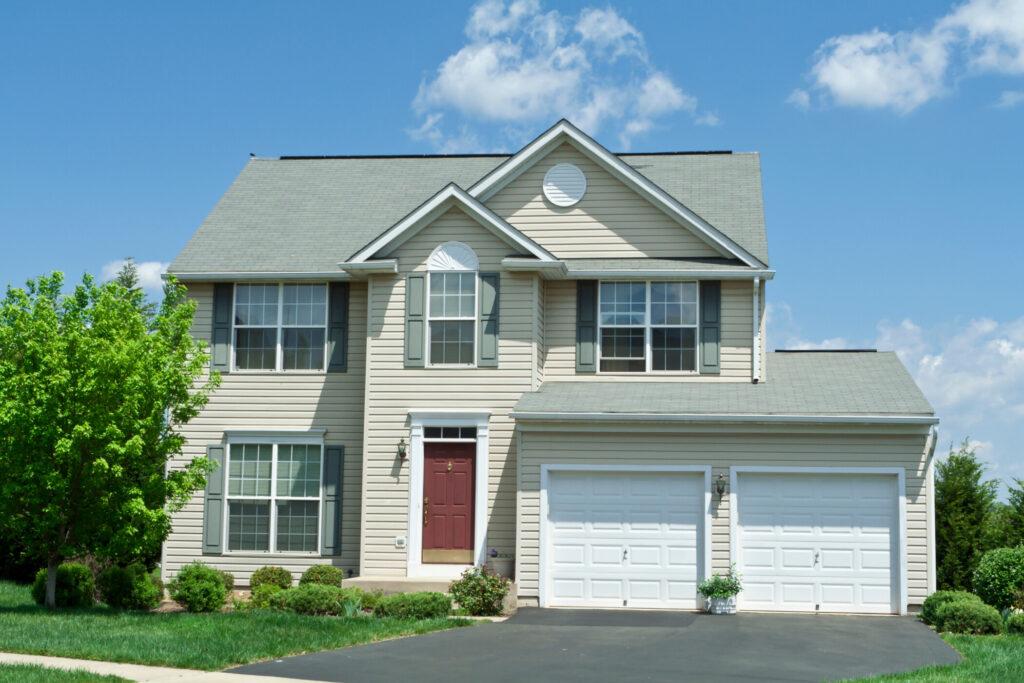
a house with vinyl siding
Modern vinyl sided single family home in suburban Maryland. House has two car garage, driveway and red door.

Vinyl siding is a type of exterior cladding material made from polyvinyl chloride (PVC). It is designed to protect your home from the elements while enhancing its curb appeal. Vinyl siding comes in a wide range of colors and styles, allowing homeowners to choose the option that best suits their tastes and complements their home’s architecture.

✅ Pros of Vinyl Siding

  • Affordability: One of the primary advantages of vinyl siding is its cost-effectiveness. Compared to other siding materials like wood or brick, vinyl siding is generally more budget-friendly, making it an attractive option for homeowners on a tight budget.
  • Low Maintenance: Vinyl siding is incredibly low maintenance. Unlike wood siding, which requires regular painting or staining, vinyl siding retains its color and finish for many years. A simple annual cleaning with a hose and mild detergent is usually sufficient to keep it looking fresh.
  • Durability: Vinyl siding is highly durable and resistant to various environmental factors. It won’t rot, warp, or corrode like wood or metal siding might. It’s also immune to termite infestations, which can be a concern with wood siding.
  • Energy Efficiency: Many vinyl siding options come with insulation layers that can improve your home’s energy efficiency. This can help reduce heating and cooling costs, making it an eco-friendly choice as well.
  • Variety of Styles: Vinyl siding offers a wide array of styles, textures, and colors, allowing homeowners to achieve their desired look, whether it’s a traditional or modern aesthetic. This versatility makes it suitable for various architectural designs.

❌ Cons of Vinyl Siding

  • Limited Aesthetics: While vinyl siding offers a range of choices, it may not replicate the authentic look of natural materials like wood or stone. Some homeowners prefer the genuine appearance of these materials.
  • Potential for Fading: Over time, vinyl siding can fade due to exposure to sunlight. While this is less of an issue with high-quality vinyl, it’s still a consideration, particularly for homes in sun-drenched regions.
  • Vulnerability to Extreme Temperatures: In extremely hot or cold climates, vinyl siding may expand or contract, leading to potential issues like warping or cracking. However, these problems are often mitigated with proper installation and choosing the right type of vinyl siding.

The Cost of Installing Vinyl Siding

The cost of installing vinyl siding can vary widely based on several factors, including the size of your home, the type and quality of vinyl siding chosen, labor costs in your area, and any additional features or insulation layers you may want. On average, the cost of vinyl siding installation ranges from $3 to $8 per square foot.

Here’s a breakdown of the cost components involved in vinyl siding installation:

  • Material Cost: The cost of the vinyl siding itself is a significant portion of the total expense. High-quality, insulated vinyl siding will typically be more expensive than standard options.
  • Labor Costs: Labor costs can vary depending on your location and the complexity of the installation. Hiring a professional contractor is advisable to ensure a proper installation that prevents issues like moisture infiltration.
  • Additional Features: If you opt for additional features like trim, soffit, or decorative accents, these will add to the overall cost.
  • Insulation: Some homeowners choose to install insulation beneath the vinyl siding to improve energy efficiency. This adds to the cost but can result in long-term savings on energy bills.

To get an accurate estimate for your specific project, it’s recommended to obtain quotes from reputable contractors in your area. They can assess your home, discuss your preferences, and provide a detailed estimate based on your needs.

How to Maintain Vinyl Siding

One of the key benefits of vinyl siding is its minimal maintenance requirements. However, to ensure it stays in top condition for years to come, here are some essential maintenance tips:

Regular Cleaning

Clean your vinyl siding annually using a garden hose and a mild detergent or a specialized vinyl siding cleaner. Use a soft brush or a long-handled scrub brush to remove dirt and debris.

Inspect for Damage

Periodically inspect your siding for any signs of damage, such as cracks, chips, or loose panels. Address these issues promptly to prevent further damage.

Avoid High Pressure

While it’s okay to use a pressure washer for cleaning, avoid using excessive pressure, as it can force water behind the siding, potentially causing moisture-related problems.

Trim Plants and Trees ✂️

Trim back any vegetation near your vinyl siding to prevent damage from overhanging branches or vines.

Address Mold and Mildew

If you notice mold or mildew growth, treat it with a mixture of water and vinegar or a commercial mold remover. Ensure you rinse thoroughly afterward.

5 Alternative Siding Options

While vinyl siding is a popular choice, there are several alternative siding materials to consider, each with its own set of advantages and disadvantages. Here are a few common alternatives:

1) Wood Siding:

Wood siding offers a natural and timeless aesthetic. However, it requires more maintenance and is susceptible to rot and insect infestations. It can also be more expensive than vinyl siding.

2) Fiber Cement Siding:

Fiber cement siding is a durable and fire-resistant option that can mimic the look of wood or other materials. It requires minimal maintenance but can be more expensive than vinyl.

3) Brick Siding:

Brick siding is known for its durability and classic appearance. It’s an excellent option for those who prefer a traditional look, but it can be costly to install.

4) Metal Siding:

Metal siding, such as aluminum or steel, is strong and resistant to fire and insects. It can be more expensive than vinyl and may require repainting over time.

5) Stucco Siding:

Stucco siding offers a unique texture and appearance. It’s durable but can be prone to cracking and may require periodic maintenance.

Install Vinyl Siding With the Pros
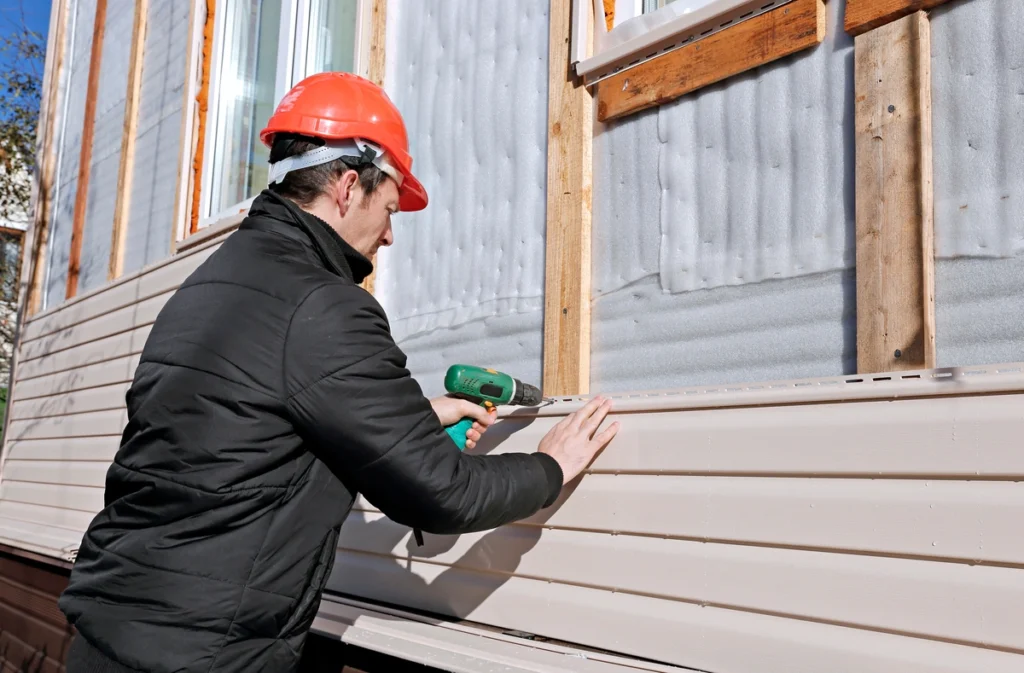
Construction workers installing siding

Vinyl siding is a cost-effective, low-maintenance siding option that provides durability and a wide range of design choices. Remember that proper installation and maintenance are key to maximizing the lifespan and performance of your chosen siding material.

Looking for a siding contractor? Open Box Roofing is here to help! Contact us today to learn more about our services.
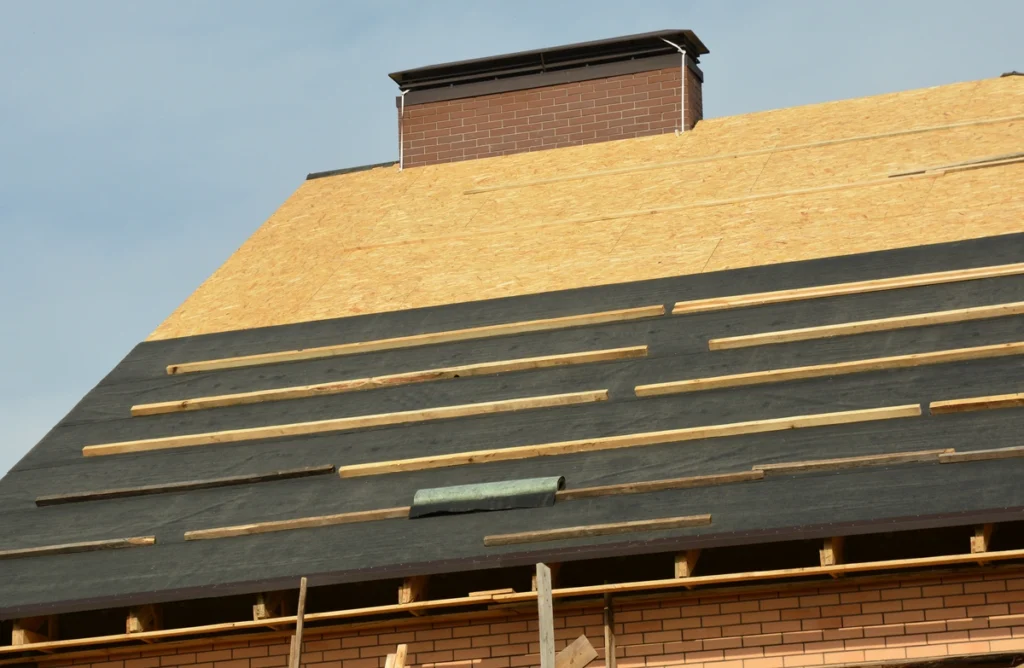
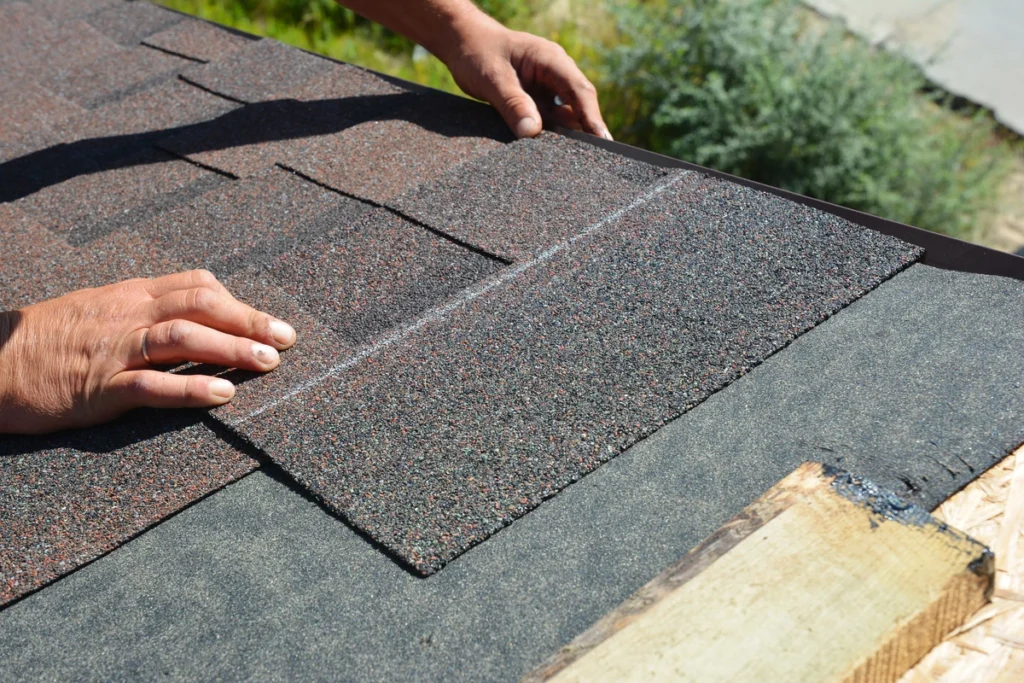
Your roof is arguably one of the most vital components of your home’s structure. It shields you from the elements, provides insulation, and contributes to the overall aesthetics of your property.

However, despite its importance, many homeowners overlook the need to understand how their roof works and the various parts that make up this essential aspect of their homes. In this expert guide, we’ll explore:

Why You Should Understand How Your Roof Works

Understanding how your roof works is paramount for several reasons:

  • Maintenance: Knowledge of your roof’s components enables you to perform regular maintenance tasks effectively. By identifying potential issues early on, you can prevent costly repairs or replacements down the line.
  • Safety: Being aware of your roof’s structure and functionality ensures your safety when conducting inspections or minor repairs. It allows you to navigate the roof safely and take appropriate precautions.
  • Cost-Effectiveness: Familiarity with your roof’s anatomy can help you communicate effectively with roofing professionals. This can lead to more accurate assessments, cost estimates, and better decision-making regarding repairs or upgrades.
  • Longevity: Proper understanding and maintenance of your roof can prolong its lifespan, saving you money in the long run and providing peace of mind knowing your home is adequately protected.

The 7 Different Parts of a Roof and Their Functions

underlayment installation

A roof comprises various components, each serving a specific purpose in ensuring its integrity and functionality. Here are the main parts of a typical roof and their functions:

1) Roof Deck:

The roof deck is the foundation of the roofing system, typically made of plywood or oriented strand board (OSB). It provides a sturdy base for the other roofing materials and supports the weight of snow, rain, and other environmental factors.

2) Underlayment:

Installed directly on top of the roof deck, the underlayment acts as a moisture barrier, protecting the roof from water infiltration. Common materials include felt paper or synthetic membranes.

3) Shingles:

Shingles are the outermost layer of the roof and come in various materials such as asphalt, wood, metal, or slate. They provide protection from weather elements and enhance the aesthetic appeal of the home.

4) Flashing:

Flashing is metal strips installed in vulnerable areas of the roof, such as valleys, chimneys, or vents, to prevent water from seeping into the structure. Properly installed flashing ensures watertight seals in critical areas.

5) Drip Edge:

The drip edge is a metal strip installed along the edges of the roof to direct water away from the fascia and into the gutters, preventing water damage to the roof’s edge and underlying structures.

6) Ridge Vent:

Located along the peak of the roof, ridge vents facilitate proper ventilation by allowing hot air to escape from the attic, reducing moisture buildup and heat accumulation, which can damage the roof and compromise energy efficiency.

7) Gutters and Downspouts:

Gutters and downspouts collect rainwater and direct it away from the foundation of the house, preventing water damage and erosion. Regular maintenance of gutters is essential to ensure proper drainage and prevent clogs.

Signs of Roof Damage

Identifying signs of roof damage early on can prevent more extensive issues and costly repairs. Here are some common indicators of roof damage to watch out for:

  • Leaks: Water stains on ceilings or walls indicate a leaky roof. Prompt attention to leaks is crucial to prevent water damage and mold growth.
  • Missing or Damaged Shingles: Missing, curling, or cracked shingles compromise the integrity of the roof and expose it to further damage from the elements.
  • Sagging or Buckling: Sagging or buckling roof sections may indicate structural issues or water damage in the underlying decking.
  • Granule Loss: Accumulation of granules in gutters or downspouts signals deterioration of asphalt shingles, reducing their effectiveness in protecting the roof.
  • Damaged Flashing: Loose or damaged flashing around chimneys, vents, or valleys can lead to water infiltration and subsequent leaks.
  • Moss or Algae Growth: Moss or algae growth on the roof surface can trap moisture and accelerate roof deterioration if left unchecked.

When to Call a Contractor

While some minor roof repairs can be tackled by homeowners, certain issues require the expertise of a professional roofing contractor. It’s advisable to call a contractor if you notice any of the following:

Extensive Damage:

Significant roof damage, such as widespread leaks, missing shingles, or structural issues, necessitates professional assessment and repair.

Safety Concerns:

Roof repairs or inspections involving steep slopes, high heights, or complex structures pose safety risks and are best left to experienced professionals.

Lack of Experience:

If you’re unsure about how to address a roofing issue or lack the necessary tools and expertise, it’s best to enlist the help of a qualified contractor to avoid causing further damage.

Insurance Claims:

When dealing with roof damage covered by insurance, hiring a licensed contractor ensures that repairs meet insurance requirements and adhere to building codes.

Preventive Maintenance:

Regular roof inspections and maintenance by a professional contractor can identify potential issues early on and extend the lifespan of your roof.

Learn More About the Parts of a Roof

installing asphalt shingles

Understanding the different parts of your roof and their functions is essential for maintaining its integrity, ensuring your safety, and protecting your home from the elements. By familiarizing yourself with common signs of roof damage and knowing when to seek professional assistance, you can prolong the lifespan of your roof and safeguard your investment in your home. Remember, a well-maintained roof is key to a safe and comfortable living environment for you and your family.

Whether you are looking to explore a new roofing material, or just want a better understanding of your roof structure, Open Box Roofing can help! Contact us today to set up your appointment!

When it comes to commercial buildings, the roof is often an overlooked component. However, it plays a crucial role in protecting the entire structure and its occupants from the elements. Neglecting commercial roof maintenance can lead to costly repairs and even the need for a complete roof replacement.

In this blog post, we will explore:

Why Commercial Roof Maintenance Matters

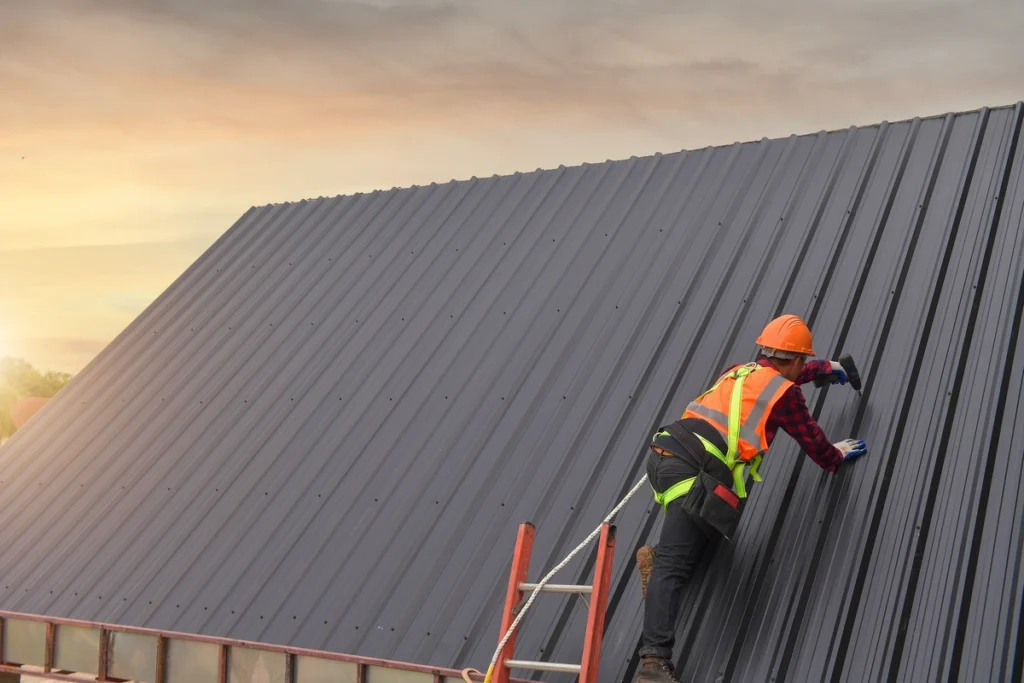
roofer on a metal roof, with a drill

Your commercial roof is not just a barrier between your building and the outside world; it is an investment in the longevity and integrity of your property. Proper roof maintenance offers several key benefits:

  • Extended Roof Lifespan: Regular maintenance can significantly extend the lifespan of your commercial roof. A well-maintained roof can last up to 30 years or more, whereas a neglected one may need replacement in as little as 10 years.
  • Cost Savings: Preventative maintenance is far more cost-effective than major repairs or a complete roof replacement. Addressing issues early on can save you thousands of dollars in the long run.
  • Energy Efficiency: A properly maintained roof can help improve the energy efficiency of your building. It can prevent leaks and insulation problems, reducing the need for excessive heating or cooling.
  • Property Value: Maintaining your commercial roof can increase the overall value of your property. Potential buyers or tenants will be more attracted to a building with a well-maintained roof, which can translate into higher rental rates or property values.

How to Maintain Your Commercial Roof in 6 Steps

Now that we understand the importance of commercial roof maintenance, let’s delve into how you can take care of your roof effectively.

1. Regular Inspections

Schedule regular roof inspections at least twice a year, preferably in the spring and fall. Inspections should include checking for signs of damage, loose or missing shingles, and any debris or vegetation buildup.

2. Clean Gutters and Drains

Clean gutters and drainage systems regularly to prevent water from pooling on your roof. Clogged gutters can lead to water damage and leaks.

3. Trim Overhanging Branches

If your building is surrounded by trees, be sure to trim overhanging branches. Falling branches can cause significant damage to your roof.

4. Repair Leaks Promptly

If you notice any signs of roof leaks, such as water stains on the ceiling or walls, address them immediately. Ignoring leaks can lead to more extensive damage.

5. Prevent Ice Dams

In colder climates, take steps to prevent ice dams, which can damage your roof and gutters. Ensure proper insulation and ventilation in your attic to maintain a consistent temperature on your roof’s surface.

6. Professional Roof Cleaning

Consider hiring professionals to clean your roof periodically. They can remove algae, moss, and debris that can accelerate roof deterioration.

Common Sources of Commercial Roof Damage

Understanding the common sources of commercial roof damage can help you proactively address potential issues. Some of the most common causes of roof damage include:

Weather Conditions

Extreme weather, including heavy rain, snow, hail, and high winds, can damage roofing materials and lead to leaks.

Poor Installation

A poorly installed roof is prone to problems from the start. Make sure you hire qualified roofing contractors for installation.

Lack of Maintenance

Neglecting regular maintenance can result in minor issues becoming major problems over time.

Ponding Water

Water pooling on your roof’s surface can lead to structural damage and leaks. Proper drainage is essential.

Age

Roofs naturally wear out over time. The older your roof, the more likely it is to experience issues.

Vegetation

Moss, algae, and vegetation can grow on your roof, trapping moisture and causing damage to roofing materials.

When to Call a Professional

While some routine maintenance tasks can be performed by building owners or maintenance staff, there are times when it’s crucial to call a professional roofing contractor:

  • Major Damage: If your roof sustains significant damage from a storm or other catastrophic event, don’t attempt to repair it yourself. Call a professional to assess the situation and make necessary repairs.
  • Persistent Leaks: If you have persistent roof leaks that you can’t locate or fix, it’s time to bring in experts. Ignoring leaks can lead to extensive water damage and mold growth.
  • Roof Replacement: When your roof reaches the end of its lifespan, it’s best to consult with professionals about a roof replacement. They can help you choose the right materials and ensure proper installation.

The Cost of a New Commercial Roof

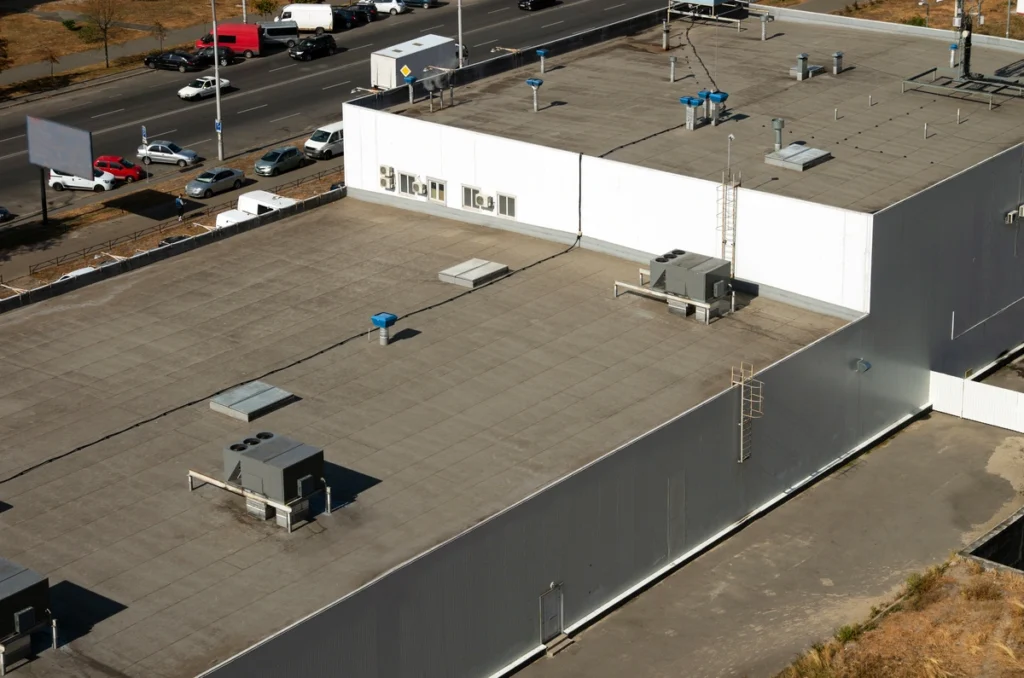
overhead view of a commercial roof

Understanding the potential cost of a new commercial roof is essential for budget planning. The cost can vary widely based on several factors:

  • Roof Size: The larger your roof, the more materials and labor will be required, which will increase the cost.
  • Roofing Material: Different roofing materials come at different price points. Options include asphalt shingles, metal roofing, EPDM rubber roofing, and more.
  • Roof Complexity: A simple, flat roof will generally cost less to replace than a roof with multiple angles, slopes, and unique architectural features.
  • Location: Labor and material costs can vary by location. High-cost-of-living areas may have higher roofing costs.
  • Removal of Old Roof: If your existing roof needs to be removed before the new one can be installed, this will add to the overall cost.
  • Warranty: The type of warranty you choose for your new roof can impact the cost. Longer warranties often come with higher upfront costs.
  • Labor Costs: Labor costs for roofing installation can vary depending on the expertise and experience of the roofing contractor.

It’s crucial to obtain quotes from multiple roofing contractors to get a better idea of the cost specific to your project. Additionally, consider the long-term savings from investing in a high-quality roof, as it can reduce maintenance and energy costs over time.

Experts In Commercial Roofs

Commercial roof maintenance is not something to be taken lightly. It is a critical aspect of preserving your building’s value, energy efficiency, and structural integrity. By regularly inspecting, cleaning, and addressing issues promptly, you can extend the life of your commercial roof and avoid costly repairs or replacements. Contact Open Box Roofing today to learn how to properly care for your roofing system.

Maintaining a home requires diligence and attention to detail, and one area often overlooked is the gutters. Gutters play a crucial role in protecting your home from water damage by directing rainwater away from the foundation.

However, when gutters become clogged with debris like pine needles and leaves, they can’t function properly, leading to a host of problems. In this guide to the best gutter guards for pine needles, we’ll explore:

  • The dangers of clogged gutters
  • The purpose of gutter guards
  • The best styles for keeping pine needles out of your gutters
  • The cost of installing gutter guards
  • Essential tips for gutter maintenance

The Dangers of Clogged Gutters

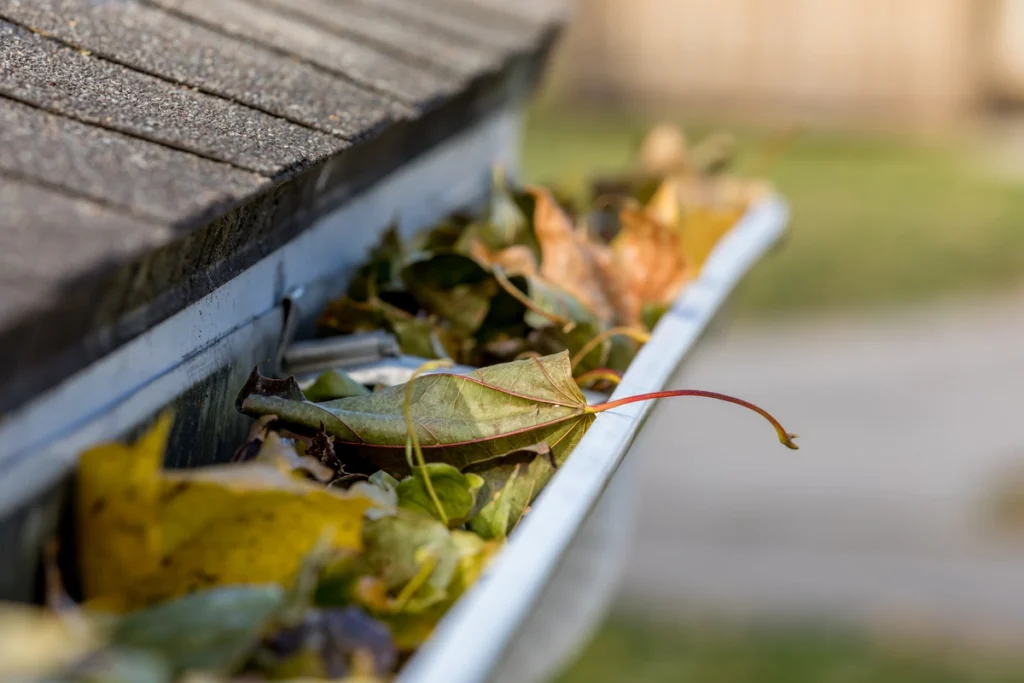
leaves in gutters

Clogged gutters are a homeowner’s nightmare, causing a myriad of problems that can result in costly repairs. When gutters become obstructed with debris such as pine needles, leaves, twigs, and dirt, they are unable to properly channel rainwater away from your home. As a result, water may overflow, leading to:

  • Foundation Damage: Water overflow from clogged gutters can saturate the soil around your home’s foundation, causing it to swell and crack over time. This can compromise the structural integrity of your home and lead to costly foundation repairs.
  • Basement Flooding: When water is not diverted away from the foundation, it can seep into the basement or crawl space, leading to dampness, mold, and mildew growth. Basement flooding can damage belongings stored in the basement and create an unhealthy living environment.
  • Roof Damage: Clogged gutters can cause water to accumulate on the roof, leading to roof leaks, rot, and deterioration of shingles. Over time, this can compromise the integrity of your roof and necessitate costly repairs or replacement.
  • Siding Damage: Overflowing gutters can cause water to cascade down the sides of your home, damaging the siding and creating unsightly stains and rot. This can diminish your home’s curb appeal and decrease its value.

What Are Gutter Guards?

Gutter guards are protective covers or screens installed over gutters to prevent debris from entering while allowing water to flow freely. They serve as a barrier between your gutters and debris, helping to maintain proper water flow and prevent clogs. Gutter guards come in various materials, styles, and designs, each offering unique benefits and suitability for different types of debris, including pine needles.

4 Best Styles for Keeping Debris Out of Your Gutters

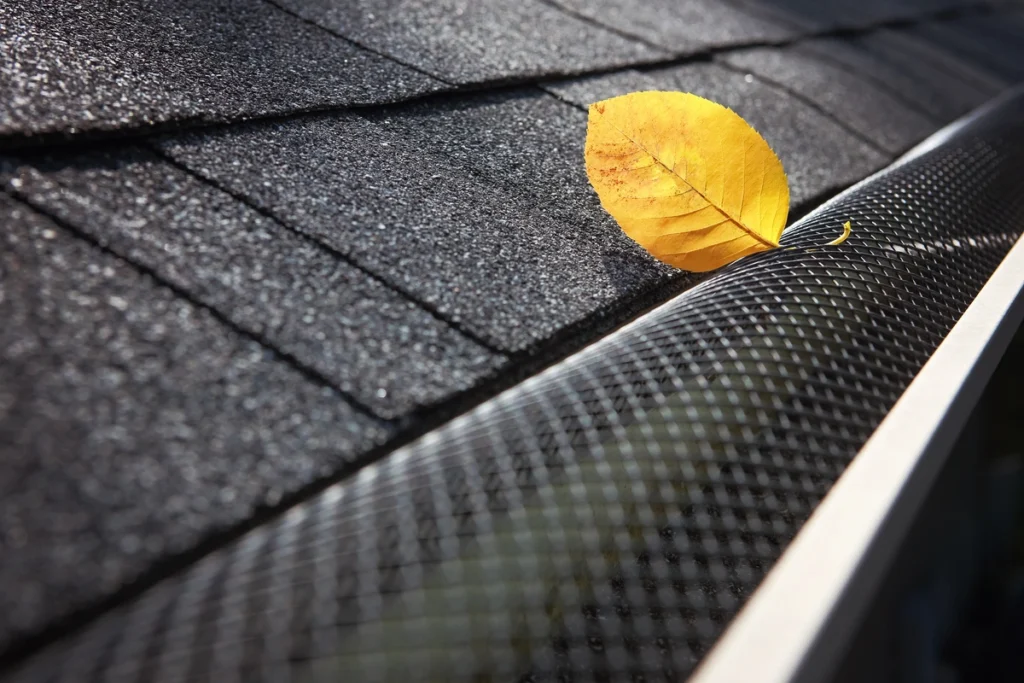
leaf in gutter guard

When it comes to choosing gutter guards that effectively keep pine needles and leaves out of your gutters, certain styles and designs are more effective than others. Here are some of the best options:

1) Micro Mesh Gutter Guards:

Micro mesh gutter guards feature a fine mesh screen that prevents even the smallest debris, such as pine needles and seed pods, from entering the gutter system. The mesh is designed to allow water to flow through while blocking debris, ensuring optimal gutter performance.

2) Reverse Curve Gutter Guards:

Also known as surface tension gutter guards, reverse curve guards utilize the principle of water adhesion to channel rainwater into the gutter while deflecting debris, including pine needles. These guards feature a curved surface that directs water into the gutter while leaves and other debris are pushed off the edge.

3) Foam Gutter Inserts:

Foam gutter inserts are porous foam blocks or strips that fit inside the gutter channel, effectively blocking debris while allowing water to flow through. They are easy to install and can be trimmed to fit any gutter size. Foam inserts are particularly effective at keeping pine needles out of gutters while being cost-effective.

4) Bottle Brush Gutter Guards:

Bottle brush gutter guards consist of bristles or filaments arranged in a cylindrical shape that sits inside the gutter. These guards effectively trap pine needles and other debris while allowing water to flow through. They are easy to install and maintain but may require occasional cleaning to remove trapped debris.

Cost to Install Gutter Guards

The cost to install gutter guards varies depending on factors such as the type of gutter guards, the size of your home, and the complexity of the installation. On average, homeowners can expect to pay between $500 to $2,500 for gutter guard installation. Here’s a breakdown of the cost:

  • Material Cost: The cost of gutter guards varies depending on the material. Micro mesh gutter guards tend to be more expensive than foam inserts or bottle brush guards. Expect to pay between $1 to $10 per foot for materials.
  • Installation Cost: The installation cost includes labor charges for professional installation. Installation costs typically range from $2 to $7 per foot, depending on the complexity of the installation and local labor rates.
  • Total Cost: To determine the total cost of gutter guard installation for your home, multiply the total length of your gutters by the cost per foot for materials and installation. For example, if you have 200 feet of gutters and the cost per foot is $8, the total cost would be $1,600.

Tips for Gutter Maintenance

While gutter guards can significantly reduce the frequency of gutter cleaning and maintenance, it’s essential to perform regular inspections and upkeep to ensure optimal performance. Here are some tips for gutter maintenance:

  • Clean Gutters Annually: Even with gutter guards, debris can still accumulate on the surface, necessitating periodic cleaning. Remove any debris or buildup from the gutter guards and check for any signs of damage or blockage.
  • Trim Overhanging Branches: Trim trees and shrubs near your home to minimize the amount of debris that falls into the gutters. This will reduce the risk of clogs and prolong the lifespan of your gutter guards.
  • Check for Leaks: Inspect your gutters for any signs of leaks or damage, such as rust spots, loose joints, or sagging sections. Repair any leaks promptly to prevent water damage to your home.
  • Monitor Water Flow: During heavy rainfall, observe the flow of water from your gutters to ensure it is flowing freely and away from your home’s foundation. If you notice any issues, such as overflowing gutters or puddles near the foundation, investigate and address the problem promptly.

Professional Gutter Guard Installation

Investing in high-quality gutter guards is essential for protecting your home from the damaging effects of clogged gutters, especially if you live in an area prone to pine needles and other debris. By understanding the dangers of clogged gutters, the purpose of gutter guards, the best styles for keeping pine needles out, the cost of installation, and essential maintenance tips, you can ensure your gutters remain clean and functional year-round.With the right gutter guards in place, you can enjoy peace of mind knowing your home is adequately protected from water damage. Ready to install yours? Contact Open Box Roofing today to get started!

In the realm of roofing materials, metal stands as a steadfast choice known for its durability, longevity, and aesthetic appeal. Metal roofs have gained popularity for:

  • Their ability to withstand harsh weather conditions
  • Their energy efficiency
  • Their range of vibrant colors that can enhance the curb appeal of any property

When it comes to selecting the perfect metal roof colors, there are several factors to consider, from the pros and cons of metal roofing to the various styles available in the market. Today, we’ll take you through all of those and more!

Pros and Cons of Metal Roofing

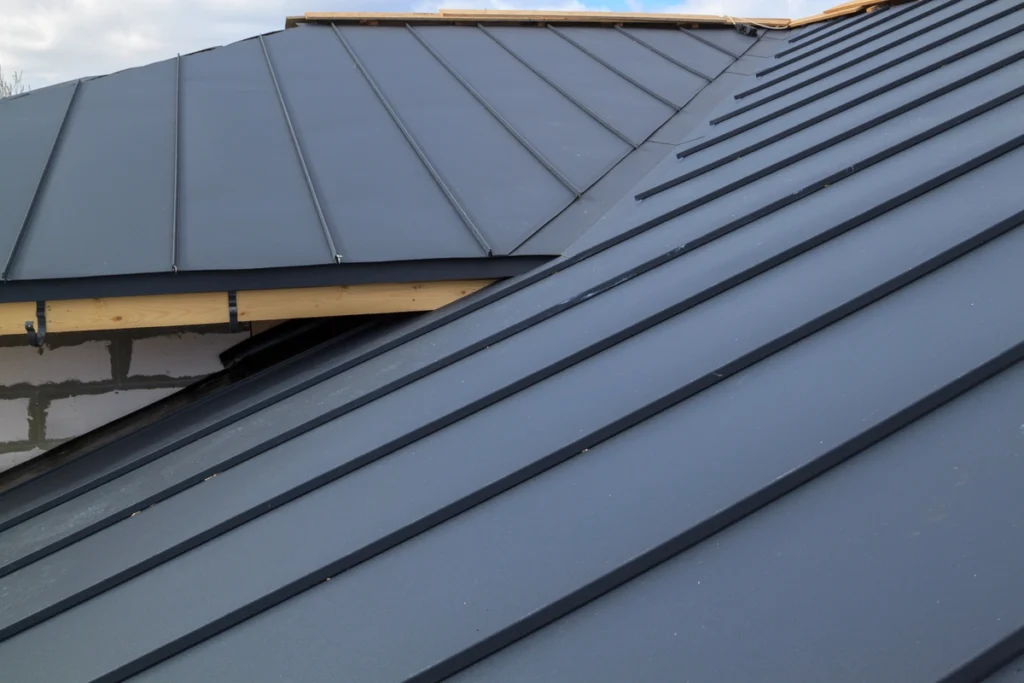
black metal roof

Before delving into the realm of color choices, it’s essential to understand the advantages and disadvantages of metal roofing.

✅ Pros:

  • Durability: Metal roofs are highly durable and can last upwards of 50 years with proper maintenance.
  • Weather Resistance: They are resistant to wind, rain, snow, and other extreme weather conditions.
  • Energy Efficiency: Metal roofs reflect solar radiant heat, reducing cooling costs in hot climates.
  • Fire Resistance: Unlike traditional roofing materials such as wood or asphalt, metal roofs are fire-resistant.
  • Environmentally Friendly: Metal roofs are often made from recycled materials and can be recycled at the end of their lifespan.

❌ Cons:

  • Cost: Metal roofing can be more expensive upfront compared to other roofing materials.
  • Noise: Some homeowners report that metal roofs can be noisy during heavy rain or hailstorms.
  • Denting: While metal roofs are durable, they can dent if struck by large hail or falling branches.
  • Installation Complexity: Metal roofing installation requires specialized skills and equipment, which can increase labor costs.
  • Color Fading: Over time, metal roof colors may fade due to exposure to UV rays and environmental factors.

Different Metal Roofing Styles

Metal roofing comes in various styles, each offering its unique aesthetic and functional benefits. Common styles include:

  • Standing Seam: This style features vertical metal panels with raised seams that interlock to create a sleek, modern look.
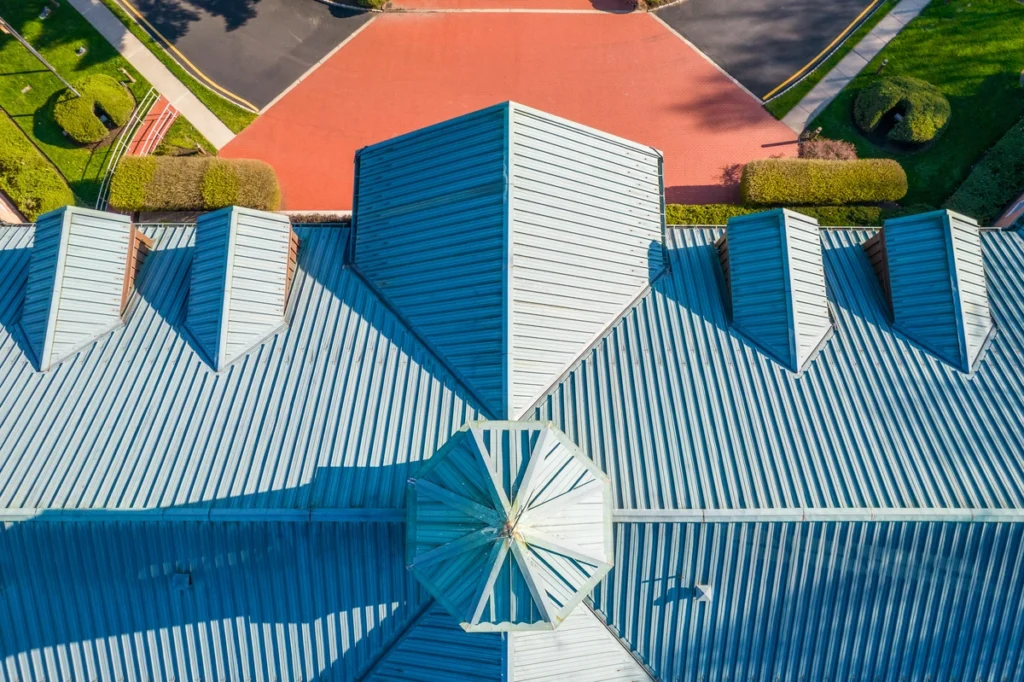
  • Corrugated: Corrugated metal roofing consists of rippled panels that provide strength and durability while adding a rustic charm to the property.
  • Metal Shingles: Mimicking the appearance of traditional asphalt shingles, metal shingles offer versatility in design while maintaining the durability of metal roofing.
  • Metal Tiles: Metal tiles replicate the look of clay or concrete tiles but with the added benefits of metal, including longevity and lightweight construction.

The 5 Most Popular Metal Roofing Colors

Choosing the right color for your metal roof can significantly impact the overall aesthetics of your home or commercial property. Some of the most popular metal roofing colors include:

1) Charcoal Gray:

A versatile and timeless option that complements a wide range of architectural styles.

2) Forest Green:

Ideal for blending into natural surroundings, forest green evokes a sense of harmony and tranquility.

3) Terra Cotta:

Reminiscent of traditional clay tiles, terra cotta adds warmth and character to any structure.

4) Slate Blue:

A sophisticated choice that exudes elegance and pairs well with both modern and traditional designs.

5) Copper:

Known for its rich patina that develops over time, copper roofing adds a touch of luxury and sophistication to any property.

The Cost of a Metal Roof

The cost of a metal roof can vary depending on several factors, including the type of metal used, the size and complexity of the roof, and the location of the property. On average, homeowners can expect to pay between $8 and $14 per square foot for a metal roof installation. While the initial investment may be higher than other roofing materials, the long-term savings on maintenance and energy costs often outweigh the upfront expense.

How to Maintain Your Metal Roof

blue metal roof

Proper maintenance is key to maximizing the lifespan and performance of your metal roof. Here are some tips to keep your roof in top condition:

Regular Inspections ️

Schedule annual inspections to check for any signs of damage or wear and tear.

Cleaning

Remove debris, such as leaves and branches, from the roof’s surface to prevent water buildup and potential damage.

Gutter Maintenance

Keep gutters clean and free of debris to ensure proper drainage and prevent water from pooling on the roof.

Repairs

Promptly address any issues, such as loose or damaged panels, to prevent further damage to the roof.

Coating

Consider applying a protective coating to your metal roof to enhance its durability and weather resistance.

Find the Right Metal Roofing Color for You

Selecting the best metal roof color involves considering various factors, including the pros and cons of metal roofing, different styles available, popular color options, cost considerations, and maintenance requirements. By carefully weighing these factors and consulting with roofing professionals, homeowners can choose a metal roof color that not only enhances the aesthetics of their property but also provides long-lasting durability and performance.Contact Open Box Roofing today to get guidance on your new metal roof!

Flat roofs have become increasingly popular in modern architecture due to their sleek and minimalist appearance. They are commonly seen on:

  • Commercial buildings
  • Modern homes
  • Historic structures

However, choosing the right flat roof material is crucial to ensure longevity, energy efficiency, and overall functionality. In this comprehensive guide, we’ll explore what a flat roof is, its pros and cons, various flat roofing materials, the average cost of installation, and essential maintenance tips to keep your flat roof in top shape.

What is a Flat Roof?

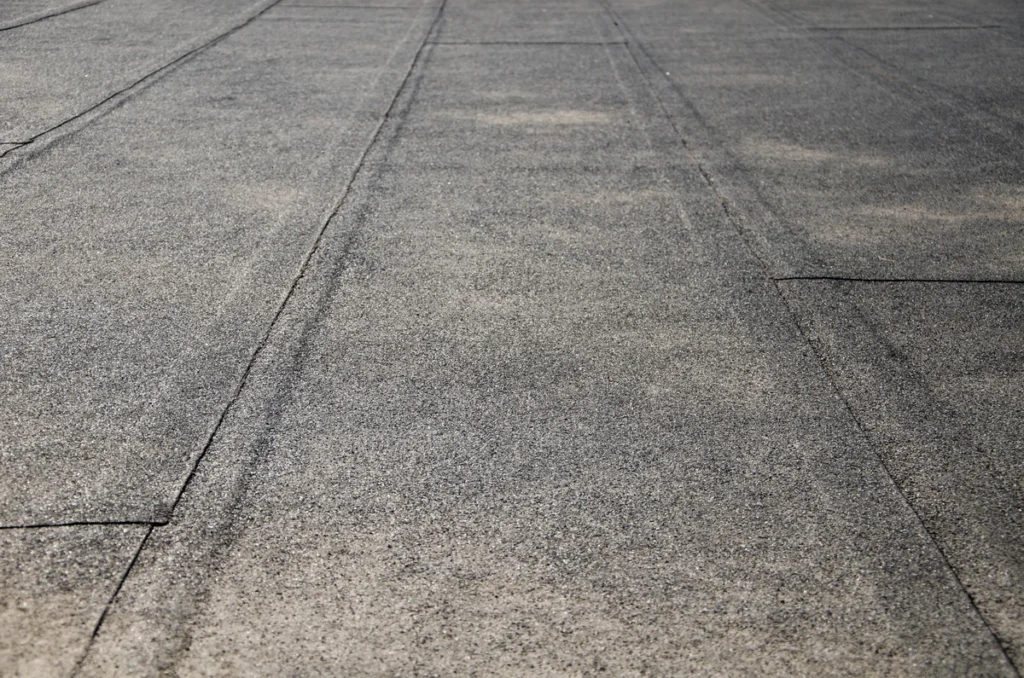
close up of flat roofing material

A flat roof is a type of roofing system with a horizontal or nearly horizontal surface, typically with a very slight slope to allow for drainage. Unlike pitched roofs, which have steep slopes, flat roofs are characterized by their low-profile design. They are commonly used in urban areas where space is limited and aesthetics are a priority.

✅ Pros of Flat Roofs

  • Modern Aesthetic: Flat roofs offer a clean, contemporary look that complements modern architectural designs.
  • Space Utilization: You can utilize the rooftop space for various purposes like creating a rooftop garden, installing solar panels, or even constructing additional living or recreational areas.
  • Easy Access: Flat roofs are easily accessible, making maintenance and repairs simpler and more cost-effective.
  • Energy Efficiency: Flat roofs provide an ideal platform for solar panel installation, contributing to energy savings and reducing your carbon footprint.

❌ Cons of Flat Roofs

  • Drainage Challenges: The primary challenge with flat roofs is drainage. Without proper slope and drainage systems, water can accumulate, leading to leaks and structural damage.
  • Maintenance Requirements: Flat roofs require regular maintenance to prevent issues like ponding water, debris accumulation, and membrane damage.
  • Durability: Depending on the material used, flat roofs may have a shorter lifespan compared to pitched roofs, especially if not properly maintained.
  • Installation Complexity: The installation of flat roofs can be more complex than traditional sloped roofs, requiring skilled professionals.

7 Different Flat Roofing Materials

Several materials can be used for flat roofing, each with its own set of advantages and disadvantages. Here are some of the most common options:

1) Built-Up Roofing (BUR):

  • Pros: Excellent waterproofing, long-lasting, cost-effective.
  • Cons: Heavy, labor-intensive installation, limited insulation options.

2) Modified Bitumen Roofing:

  • Pros: Flexible, easy installation, good durability.
  • Cons: Vulnerable to punctures, may require regular maintenance.

3) Single-Ply Membrane Roofing (EPDM, TPO, PVC):

  • Pros: Lightweight, energy-efficient, durable.
  • Cons: Vulnerable to punctures, seams can be weak points.

4) Metal Roofing:

  • Pros: Highly durable, reflective, low maintenance.
  • Cons: Initial cost can be high, expansion/contraction can cause noise.

5) Green Roofs:

  • Pros: Energy-efficient, environmentally friendly, improves insulation.
  • Cons: Complex installation, requires ongoing maintenance, may be costly.

6) Rubber Roofing (EPDM):

  • Pros: Lightweight, durable, resistant to UV rays.
  • Cons: Vulnerable to punctures, seams require attention.

7) Spray Polyurethane Foam (SPF):

  • Pros: Excellent insulation, seamless, energy-efficient.
  • Cons: Requires professional installation, UV protection needed.

Average Cost of Installing a Flat Roof

The cost of installing a flat roof can vary widely depending on factors like the chosen material, roof size, location, and labor costs. On average, here’s what you can expect:

  • Built-Up Roofing (BUR): $5 to $10 per square foot.
  • Modified Bitumen Roofing: $4 to $8 per square foot.
  • Single-Ply Membrane Roofing (EPDM, TPO, PVC): $4 to $7 per square foot.
  • Metal Roofing: $8 to $14 per square foot.
  • Green Roofs: $10 to $25+ per square foot.
  • Rubber Roofing (EPDM): $5 to $9 per square foot.
  • Spray Polyurethane Foam (SPF): $6 to $12 per square foot.

Remember that these are rough estimates, and actual costs can vary. It’s essential to obtain quotes from reputable roofing contractors for accurate pricing based on your specific requirements.

Maintaining Your Flat Roof

Proper maintenance is key to extending the lifespan of your flat roof and preventing costly repairs. Here are some essential maintenance tips:

  • Regular Inspections: Inspect your roof at least twice a year, in spring and fall, and after severe weather events. Look for signs of damage, leaks, or ponding water.
  • Clear Debris: Remove leaves, branches, and other debris from the roof’s surface and drainage system to prevent blockages.
  • Address Ponding Water: If you notice water pooling on your roof, investigate and rectify the underlying drainage issues promptly.
  • Seal Cracks and Gaps: Inspect seams and seals for any signs of deterioration and reseal as necessary.
  • Check Flashing and Edges: Ensure that flashing around roof penetrations (vents, chimneys, etc.) is intact and properly sealed. Inspect the edges of the roof for any damage.
  • Trim Overhanging Trees: Trim branches that overhang your flat roof to prevent damage from falling limbs.
  • Professional Inspections: Periodically hire a professional roofing contractor to conduct a thorough inspection and maintenance tasks such as resealing seams or applying protective coatings.

Get Your Flat Roof Installed Properly

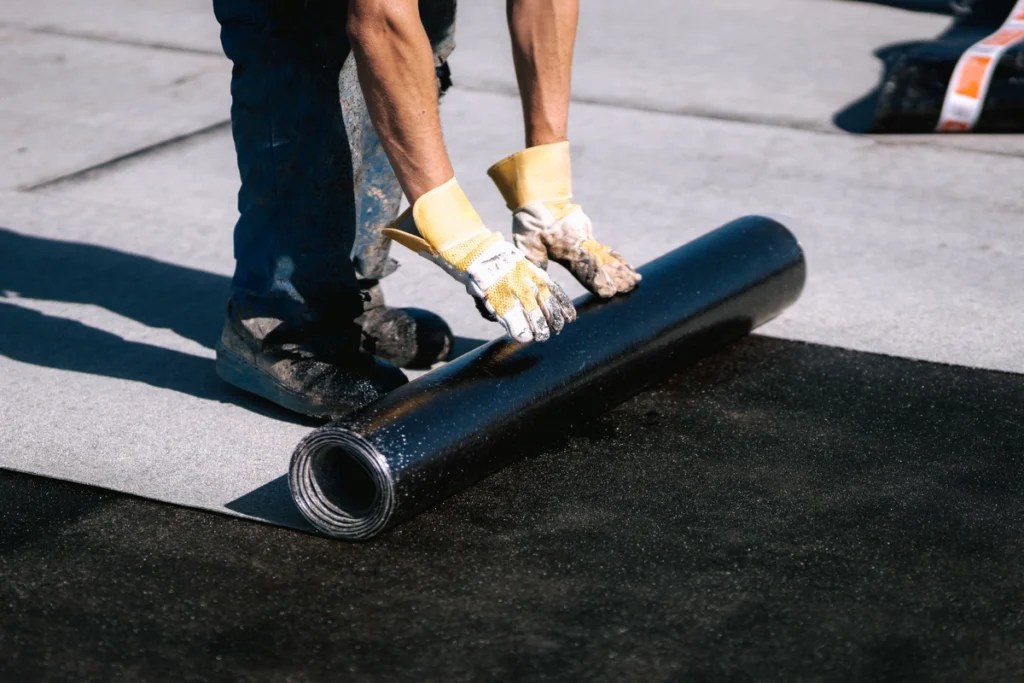
unrolling flat roofing material

Flat roofs offer a contemporary and functional roofing solution, but choosing the right material and ensuring proper maintenance are critical to their longevity and performance. Consider your budget, climate, and aesthetic preferences when selecting a flat roofing material, and don’t forget to invest in regular maintenance to protect your investment. With the right material and care, your flat roof can provide years of reliable service and even offer additional benefits like energy efficiency and rooftop living spaces.

If you want to learn more about the benefits of different flat roofing materials, contact Open Box Roofing to talk to an expert!

Asset 500
Asset 60
Don’t Think, Just Call Pink!
Request a Free Quote

Ready to get started? Contact OpenBox Roofing today to schedule your free inspection and discover how our residential roofing services can protect your home.

Name
Asset 5 2