Our Roofing Blog

Stay up to date on the latest roofing tips, trends, and insights from the experts at OpenBox Roofing. Our blog covers everything from seasonal maintenance to choosing the right materials for your home.

Whether you’re researching a new roof, learning about repairs, or exploring sustainability options, our articles make roofing information easy to understand.

Asset 1 7
Featured Article

3 Qualities to Look for When Hiring a James Hardie Siding Contractor

about us hoodie 150x150 1
Posted By: Openbox Roofing
Here at Open Box Roofing, we strongly believe that our customers deserve nothing less than the best. That’s why we’re proud to be a part of the James Hardie Contractor Alliance Program. James Hardie siding is on more than 8 million homes across North America because it’s the best fiber cement siding product on the market, […]
Asset 17

In the realm of home improvement, few projects can rejuvenate the appearance and functionality of your home like updating your siding. Beyond looks, modern siding technology can:

  • Shield against the elements ⛈️
  • Enhance energy efficiency
  • Add value to your property

With an array of materials, styles, and innovations available, the possibilities are endless for transforming your home’s exterior. In this comprehensive guide, we’ll explore everything from signs it’s time to replace your siding to the benefits of James Hardie products recommended by Open Box Roofing, along with costs, maintenance tips, and beyond.

Signs it’s Time for a Siding Upgrade

Over time, your home’s siding may begin to show signs of wear and tear. Some common indicators that it’s time for a replacement include:

  • Visible Damage: Cracks, dents, warping, or rotting are clear signs of deterioration that compromise your siding’s integrity and curb appeal.
  • Fading or Discoloration: Exposure to sunlight and weather elements can cause fading or discoloration, giving your home a dull appearance.
  • Increased Energy Bills: Poor insulation due to aging siding can lead to higher energy bills as your HVAC system works harder to maintain comfortable indoor temperatures.
  • Mold or Mildew Growth: Moisture trapped beneath the siding can foster the growth of mold or mildew, posing health risks and indicating a moisture infiltration problem.
  • Peeling Paint: If you notice paint peeling or bubbling on your siding, it’s a sign that moisture is seeping in, leading to potential structural damage.

Different Siding Materials

When it comes to modern siding materials, homeowners have a plethora of options to choose from, each with its own unique benefits and aesthetic appeal:

  • Vinyl: Affordable, low-maintenance, and available in a wide range of colors and textures, vinyl siding remains a popular choice for many homeowners.
  • Fiber Cement: Offering durability, fire resistance, and versatility, fiber cement siding, such as James Hardie products, is engineered to withstand harsh weather conditions while mimicking the look of wood or stucco.
  • Wood: With its timeless appeal and natural beauty, wood siding adds warmth and character to any home, though it requires more upkeep and is susceptible to rot and pests.
  • Metal: Modern metal siding options, such as aluminum or steel, offer durability, fire resistance, and a sleek, contemporary aesthetic ideal for urban or industrial-style homes.
  • Brick or Stone Veneer: Providing a classic, upscale look, brick or stone veneer siding offers longevity and requires minimal maintenance, though it comes with a higher upfront cost.

5 Modern Siding Styles
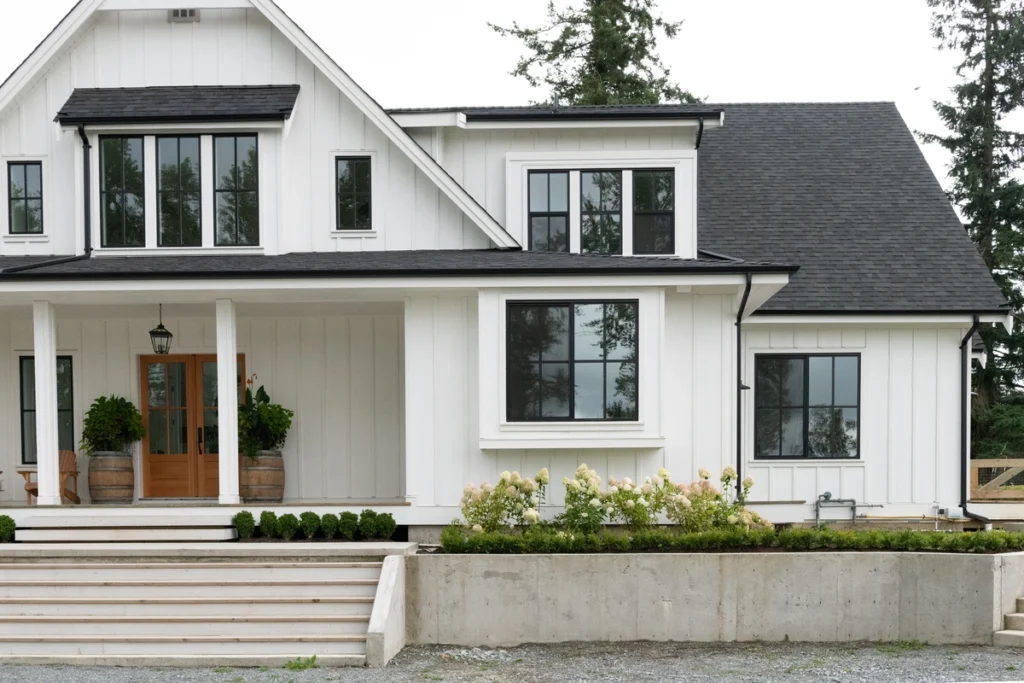
white siding

From traditional lap siding to innovative architectural designs, modern siding styles can elevate your home’s exterior aesthetics:

1) Horizontal Lap:

The most common style, horizontal lap siding features overlapping boards that create a classic, timeless look suitable for various architectural styles.

2) Vertical Siding:

Vertical siding adds visual interest and a sense of height to your home, making it an excellent choice for contemporary or modern designs.

3) Board and Batten:

This rustic style combines wide boards with narrow strips (battens) to create a charming, cottage-like appearance with a modern twist.

4) Shingle or Shake:

Mimicking the look of cedar shakes or shingles, this style adds texture and dimension to your home’s exterior, creating a cozy, inviting atmosphere.

5) Architectural Panels:

Bold and avant-garde, architectural panel siding offers clean lines and geometric shapes, making a striking statement for modern and minimalist homes.

Why Open Box Roofing Recommends James Hardie Products

As a trusted provider of roofing and siding solutions, Open Box Roofing stands by James Hardie products for their unmatched quality, durability, and aesthetic appeal. Here are a few reasons why James Hardie siding is the preferred choice:

  • Durability: Engineered to withstand extreme weather conditions, including hurricanes, wildfires, and hailstorms, James Hardie siding is built to last for decades without warping, cracking, or fading.
  • Versatility: With a wide range of styles, textures, and colors to choose from, James Hardie products offer endless design possibilities to suit any architectural style or personal preference.
  • Low Maintenance: Unlike wood siding, which requires regular painting and upkeep, James Hardie fiber cement siding is resistant to moisture, rot, pests, and fire, requiring minimal maintenance to keep it looking pristine.
  • Energy Efficiency: James Hardie siding is designed with built-in insulation properties, helping to improve your home’s energy efficiency and reduce heating and cooling costs.
  • Warranty: Backed by a comprehensive warranty and industry-leading customer support, James Hardie products provide peace of mind for homeowners, ensuring long-term protection and satisfaction.

The Cost to Install New Siding

The cost of installing new siding can vary depending on several factors, including the size of your home, choice of materials, labor costs, and any additional features or customization:

  • Vinyl Siding: On average, vinyl siding installation costs between $4 to $7 per square foot, making it one of the most affordable options available.
  • Fiber Cement Siding: James Hardie fiber cement siding typically ranges from $8 to $12 per square foot for installation, reflecting its superior quality and durability.
  • Wood Siding: Wood siding installation costs can vary widely, ranging from $6 to $15 per square foot, depending on the type of wood, complexity of the design, and ongoing maintenance requirements.
  • Metal Siding: Metal siding installation costs approximately $7 to $12 per square foot, with aluminum being more affordable than steel or copper options.
  • Brick or Stone Veneer: Brick or stone veneer siding installation tends to be the most expensive, averaging between $10 to $30 per square foot due to material costs and labor-intensive installation processes.

How to Maintain Your Siding

Proper maintenance is essential for prolonging the lifespan and appearance of your siding. Here are some tips for keeping it in top condition:

Regular Cleaning:

Use a mild detergent and water solution to remove dirt, grime, and mold buildup from your siding at least once a year.

Inspect for Damage:

Routinely inspect your siding for any signs of damage, such as cracks, gaps, or loose panels, and repair them promptly to prevent further issues.

Trim Vegetation:

Keep trees, shrubs, and vines trimmed away from your siding to prevent moisture retention and minimize the risk of damage from pests or falling debris.

Repaint or Refinish:

If you have wood siding, consider repainting or refinishing it every few years to protect it from moisture and UV damage and enhance its longevity.

Professional Inspections:

Schedule periodic inspections with a qualified contractor to assess the condition of your siding and address any maintenance or repair needs before they escalate into costly issues.

Get Help With You Exterior Remodel
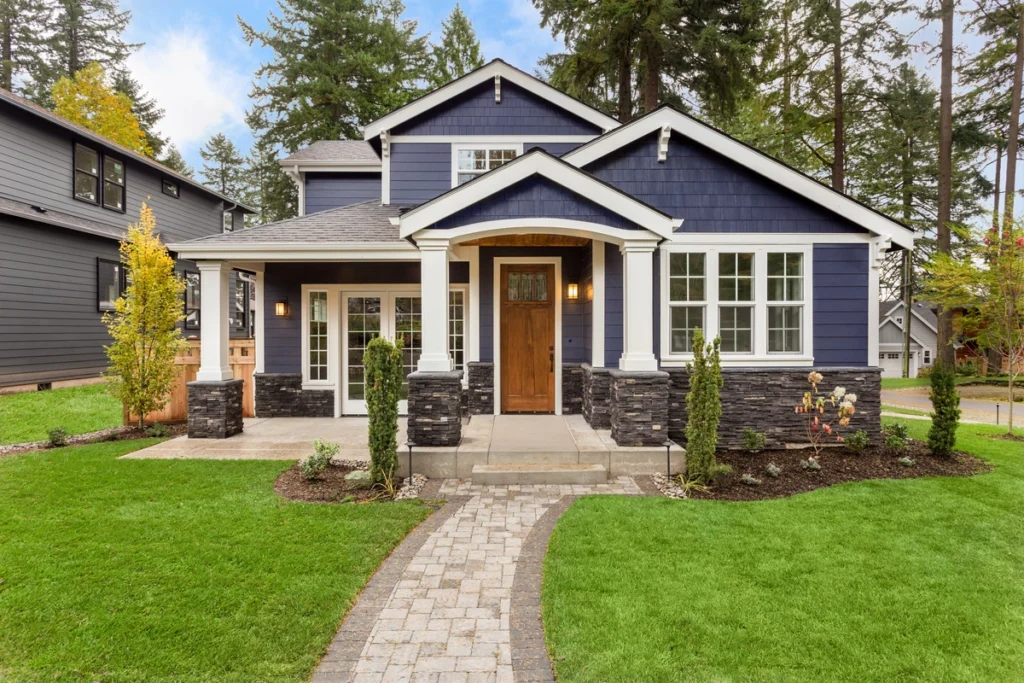
blue siding

Updating your home’s siding with modern materials and styles not only enhances its curb appeal but also provides long-lasting protection and energy efficiency benefits. Whether you opt for vinyl, fiber cement, wood, metal, or brick siding, choosing high-quality products like James Hardie ensures durability, versatility, and peace of mind for years to come.

Want to learn more about contemporary styles for your siding installation? Open Box Roofing can help! Contact us today to schedule your appointment.
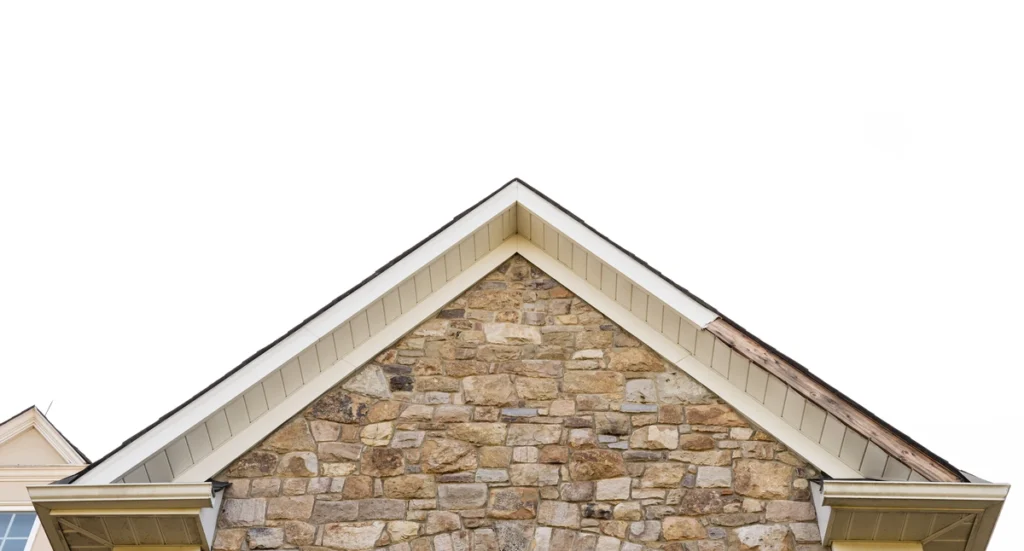
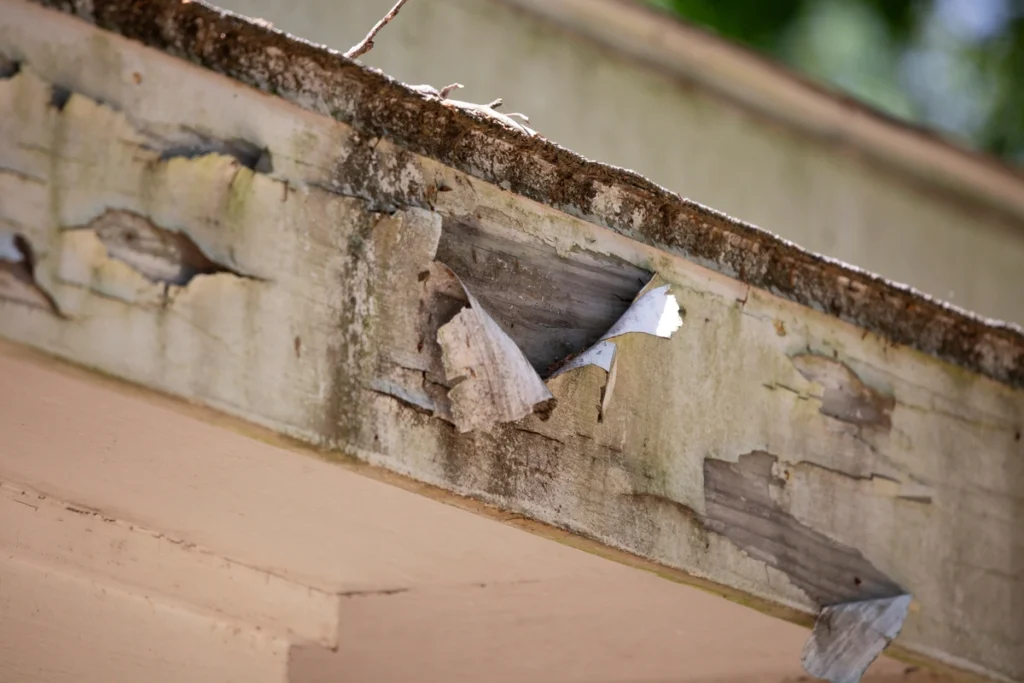
When it comes to maintaining a sturdy and attractive roof, there’s more to consider than just shingles and gutters. One often overlooked but crucial element of your roofing system is the fascia. What is fascia on a house? We are here to explain it to you!

After all, roof fascia plays a significant role in protecting your home from the elements while enhancing its aesthetics. In this comprehensive guide, we will delve into:

  • What fascia is
  • Its functions
  • The various types available
  • Signs that indicate it’s time for replacement
  • How to find a qualified contractor for the job

Keep reading to learn more about your roof fascia, and reach out to the pros when you need quality roofing services and advice!

What is Roof Fascia?

roof fascia on a brick house

At its core, roof fascia is a vital architectural component that plays a multifaceted role in safeguarding your home. It is the vertical finishing edge located directly beneath the roof’s edge and supports the lower edge of the roof’s structure, typically connecting the roof to the outer walls. Fascia serves both functional and aesthetic purposes, making it an indispensable part of your roofing system.

What Does Roof Fascia Do?

  • Protection: One of the primary functions of fascia is to protect the edges of your roof and the underlying structure from the elements. It acts as a barrier, preventing water, wind, and pests from infiltrating your home.
  • Support: Fascia provides structural support to the lower edge of the roof. It helps distribute the weight of the roof evenly and ensures that it remains intact during adverse weather conditions.
  • Aesthetics: Roof fascia plays a crucial role in enhancing your home’s curb appeal. It conceals the edges of the roof and the rafters, giving your roof a clean and finished look.
  • Gutter Attachment: Fascia serves as the attachment point for gutters, allowing rainwater to be efficiently channeled away from your roof and foundation.

5 Different Types of Roof Fascia

1) Wood Fascia

Traditional wood fascia boards were once a common choice. While they offer a classic look, they require regular maintenance, such as painting and sealing, to protect against moisture and rot.

2) Vinyl Fascia

Vinyl fascia has gained popularity due to its durability and low maintenance requirements. It is resistant to rot, insects, and moisture, making it a long-lasting choice.

3) Aluminum Fascia

Aluminum fascia is lightweight, corrosion-resistant, and offers excellent durability. It is a cost-effective option that requires minimal maintenance.

4) Fiber Cement Fascia

Fiber cement fascia is known for its strength and resistance to moisture, fire, and pests. It can be painted to match your home’s exterior, offering a versatile and aesthetically pleasing option.

5) Composite Fascia

Composite fascia boards are a blend of wood fibers and plastic. They provide the natural look of wood with enhanced durability and resistance to rot and insects.

Signs You Need to Replace Your Roof Fascia

damaged fascia on a house

Regular inspection of your roof fascia is essential to identify signs of wear and tear. Here are some common indicators that it’s time to replace your roof fascia:

  • Visible Decay: If you notice rotting, warping, or splitting in your fascia boards, it’s a clear sign of deterioration that requires immediate attention.
  • Peeling Paint: Peeling or blistering paint on your fascia indicates moisture penetration. This not only compromises the aesthetics but also leads to structural damage over time.
  • Visible Gaps: Gaps between the fascia boards and the roofline or wall are an invitation for pests and water to infiltrate. Address these gaps promptly to prevent further damage.
  • Sagging Gutters: If your gutters are pulling away from the roof or appear misaligned, it could be due to failing fascia boards. Replacing them can help restore proper gutter function.
  • Mold and Mildew: The presence of mold and mildew on your fascia is a clear sign of moisture issues. This can lead to health problems and further structural damage if left unattended.
  • Insect Infestations: Damage caused by termites, carpenter ants, or other wood-boring insects can weaken the fascia boards. Timely replacement is crucial to prevent structural issues.

How to Find a Qualified Contractor

When it’s time to replace your roof fascia, finding the right contractor is essential. Here are some steps to help you locate a qualified professional:

Research:

Start by researching local roofing contractors. Look for companies with a good reputation and extensive experience in fascia replacement.

Ask for Recommendations:

Seek recommendations from friends, family, or neighbors who have had similar work done. Their firsthand experiences can provide valuable insights.

Check Licenses and Insurance

Verify that the contractor is licensed, bonded, and insured. This ensures that they meet the necessary legal requirements and can cover potential liabilities.

Request References

Ask the contractor for references from past clients. Contact these references to inquire about their experiences and satisfaction with the work done.

Get Multiple Quotes

Obtain quotes from several contractors to compare prices, materials, and timelines. Be wary of unusually low or high bids and ask for a detailed breakdown of costs.

Check Online Reviews

Visit online review platforms to read customer feedback about the contractor. Pay attention to both positive and negative reviews to gauge their reputation.

Ask About Warranties

Inquire about warranties for materials and workmanship. A reputable contractor should stand behind their work with a warranty.

Communicate Clearly

Discuss your project requirements and expectations with the contractor. Make sure you are comfortable with their communication style and ability to address your concerns.

Review the Contract

Carefully review the contract, ensuring that it includes all project details, materials, costs, and timelines. Seek clarification on any unclear terms before signing.

Get Help With Your Fascia Board From A Pro

Understanding the functions and types of fascia, recognizing signs that indicate replacement is needed, and finding a qualified contractor are essential steps in maintaining the integrity and appearance of your roof.At Open Box Roofing, we are here to help you with your fascia and beyond! Contact us today to set up your appointment!

When it comes to roofing materials, composite shingles have gained popularity for their durability, versatility, and cost-effectiveness. But are they better than traditional asphalt shingles? And are they right for you?

In this comprehensive guide, we’ll explore:

  • What composite shingles are
  • Their pros and cons
  • Cost considerations
  • Lifespan
  • The maintenance they require

By the end of this article, you’ll have a clear understanding of whether composite shingles are the right choice for your roofing needs. For more information, reach out to your local roofer.

What Are Composite Shingles?

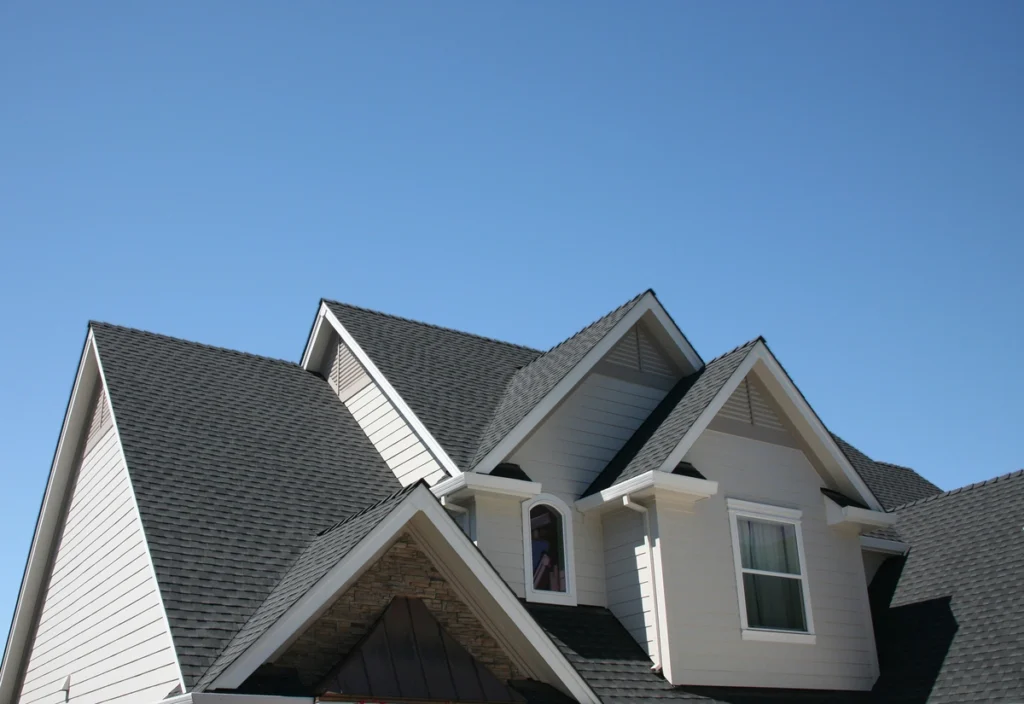
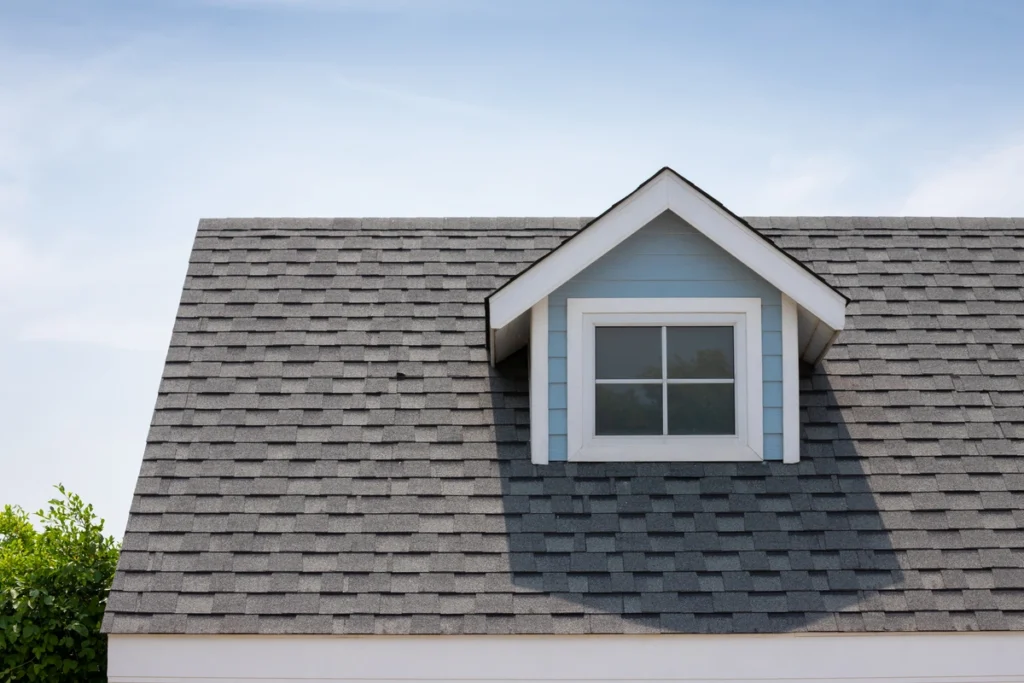
gray shingle roof on a house

Composite shingles, also known as asphalt or composition shingles, are roofing materials made from a combination of various materials. The primary components typically include asphalt, fiberglass, and mineral granules. These materials are processed and layered to create a shingle that offers both aesthetic appeal and excellent performance.

✅ Pros of Composite Shingles

  • Cost-Effective: Composite shingles are one of the most cost-effective roofing options available. They offer a balance between affordability and durability, making them a popular choice for homeowners on a budget.
  • Variety of Styles: Composite shingles come in a wide range of styles, colors, and designs, allowing homeowners to choose the perfect look for their home. Whether you prefer a traditional, rustic, or modern appearance, there’s a composite shingle style to match.
  • Durability: These shingles are known for their durability and resistance to various weather conditions. They can withstand high winds, rain, hail, and UV radiation, making them suitable for most climates.
  • Lightweight: Composite shingles are relatively lightweight compared to some other roofing materials, reducing the structural load on your home. This feature is especially important if your home has an older roof that may not support heavier roofing options.
  • Easy Installation: Professional roofing contractors find it relatively easy to install composite shingles. This can save you time and money on labor costs during installation.
  • Energy Efficiency: Some composite shingles are designed with reflective properties that can help reduce energy consumption by reflecting sunlight and heat away from your home, keeping your living space cooler in hot weather.
  • Low Maintenance: Composite shingles require minimal maintenance over their lifespan, which can save you money on upkeep in the long run.

❌ Cons of Composite Shingles

  • Lifespan: While composite shingles are durable, they do not have the same lifespan as some premium roofing materials like metal or slate. On average, composite shingles can last anywhere from 15 to 30 years, depending on factors such as climate and maintenance.
  • Environmental Concerns: The production of composite shingles involves the use of petroleum-based products, which raises environmental concerns. However, some manufacturers are working to develop more eco-friendly options.
  • Susceptibility to Algae and Moss Growth: In areas with high humidity or frequent rain, composite shingles can be prone to algae and moss growth. Regular cleaning and maintenance can help prevent this issue.
  • Not Suitable for Low-Slope Roofs: Composite shingles are better suited for roofs with a steeper slope. They may not perform well on roofs with low slopes, as water can accumulate and cause damage.

How Much Do Composite Shingles Cost?

The cost of composite shingles can vary significantly depending on several factors, including the quality of the shingles, your location, and the size and complexity of your roof. On average, you can expect to pay between $100 and $200 per square (100 square feet) for standard composite shingles.

Higher-end composite shingles with additional features or longer warranties may cost more, often exceeding $300 per square. Keep in mind that installation costs are separate and can also vary based on your location and the contractor you choose.

It’s essential to obtain quotes from multiple roofing contractors to get a better understanding of the total cost for your specific project. Additionally, consider the long-term value of composite shingles compared to their upfront cost, as their durability and low maintenance requirements can save you money over time.

How Long Do Composite Shingles Last?

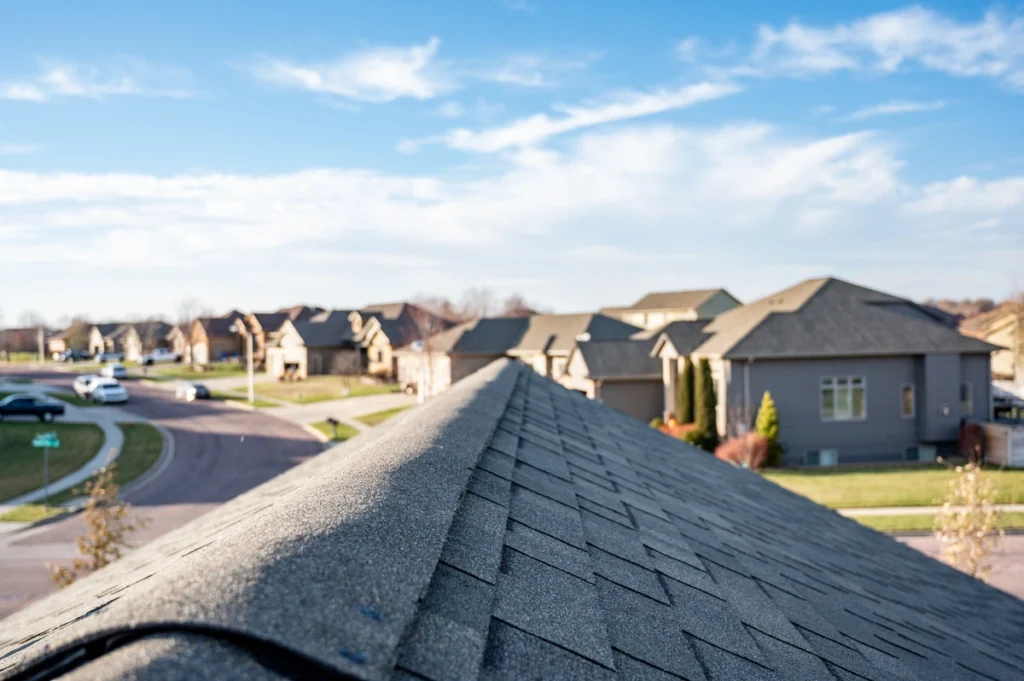
close up of a shingle roof ridge

The lifespan of composite shingles depends on several factors, including the quality of the shingles, the local climate, and how well they are maintained. On average, composite shingles can last anywhere from 15 to 30 years. Here are some factors that can influence their longevity:

Quality

Higher-quality composite shingles tend to have a longer lifespan. Investing in premium shingles with enhanced durability can extend the roof’s life expectancy.

Climate

Extreme weather conditions, such as heavy snowfall, strong winds, or intense heat, can affect the lifespan of composite shingles. Roofing materials in regions with harsh weather may wear out faster.

Maintenance

Regular maintenance, including inspections, cleaning, and minor repairs, can help prolong the life of your composite shingle roof. Neglecting maintenance can lead to premature deterioration.

Installation

Proper installation by experienced roofing professionals is crucial to ensure the shingles perform as expected. Incorrect installation can lead to issues that shorten the lifespan of the roof.

To maximize the lifespan of your composite shingle roof, it’s essential to choose high-quality materials, hire a reputable roofing contractor, and perform routine maintenance.

Maintenance Requirements for Composite Shingles

Composite shingles are relatively low-maintenance, but they still require some attention to ensure they perform well over the years. Here are some maintenance tasks to consider:

  • Regular Inspections: Inspect your roof at least once a year to check for any signs of damage, loose shingles, or areas that need repair. Look for missing or damaged shingles, cracked seals, and exposed nails.
  • Clean Gutters: Keep your gutters clean and free of debris to prevent water backup and potential damage to your shingles.
  • Remove Debris: Remove leaves, branches, and other debris from your roof to prevent moisture retention and the growth of algae or moss.
  • Algae and Moss Control: If you notice algae or moss growth, consider using specialized products or consulting a professional to safely remove them. These growths can damage shingles if left unchecked.
  • Minor Repairs: Address any small issues promptly, such as replacing damaged or missing shingles, sealing leaks, and fixing flashing problems.
  • Professional Inspection: Every few years, consider hiring a professional roofing contractor to conduct a thorough inspection and address any issues before they become major problems.

Get Your Roofing Material Installed by A Professional Contractor

Composite shingles offer a cost-effective and versatile roofing option for homeowners looking for a balance between affordability and durability. Properly installing and maintaining composite shingles can provide a reliable and attractive roofing solution that lasts many years. Contact Open Box Roofing today in order to learn more about composite roofing shingles for your home!

A sturdy roof is key to the health and longevity of our homes, shielding us from weather and the harsh elements. Yet, even the best roofs can succumb to wear and tear over time. One common culprit is damaged roof flashing. If you’re not even sure what roof flashing is, you’re not alone.

In this expert guide, we’ll delve into the nitty-gritty of roof flashing repair, covering:

  • Its significance and types to
  • Signs of damage
  • DIY repair methods
  • When to call in the pros
  • The associated costs

What is Roof Flashing?

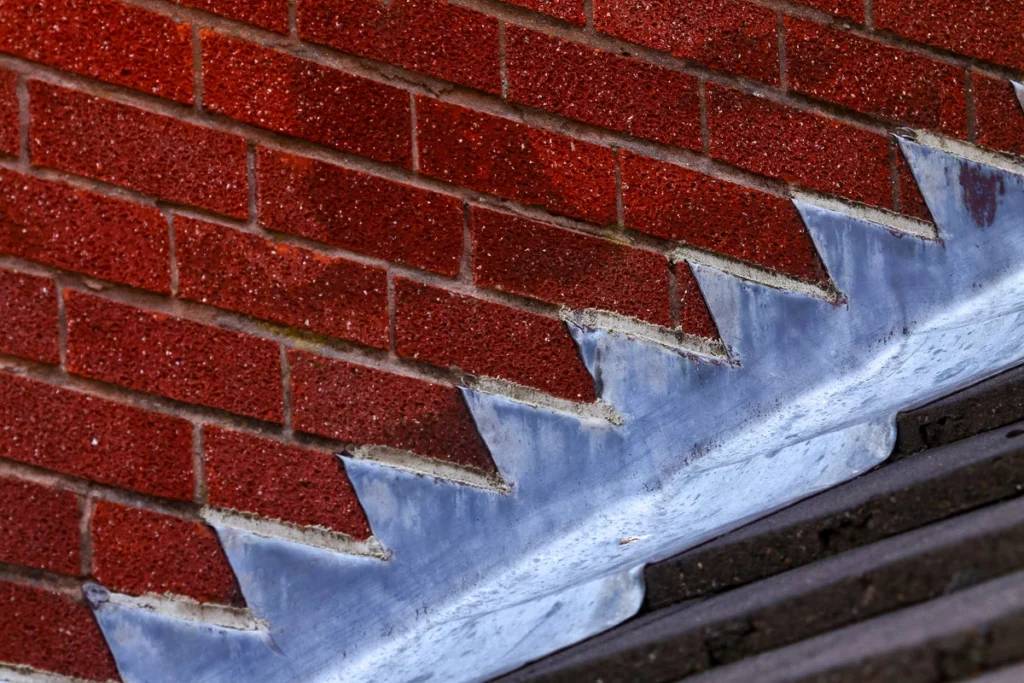
close up flashing

Roof flashing is a vital component of any roofing system, serving as a protective barrier against water penetration in vulnerable areas where different sections of the roof meet, such as around chimneys, vents, skylights, and dormers. Essentially, it acts as a waterproof sealant, preventing water from seeping into the roof’s underlayers and causing damage to the structure or interior spaces.

Different Types of Roof Flashing

Roof flashing comes in a variety of forms, including:

  • Step Flashing: Commonly used around sloped areas such as chimneys and dormers, step flashing consists of small, L-shaped metal pieces installed in a step-like fashion to create a watertight barrier.
  • Continuous Flashing: Typically made of metal or rubber, continuous flashing is used in straight runs along roof edges, valleys, and transitions to provide uninterrupted protection against water infiltration.
  • Vent Pipe Flashing: As the name suggests, this type of flashing is designed to seal around vent pipes protruding through the roof, ensuring a tight seal against water intrusion.
  • Valley Flashing: Installed in roof valleys where two sections of the roof meet, valley flashing directs water away from the seam, preventing pooling and potential leaks.

Signs of Flashing Damage

Detecting damage to roof flashing early on can help prevent more extensive issues down the line. Look out for the following signs:

  • Visible Rust or Corrosion: Metal flashing may develop rust or corrosion over time, compromising its effectiveness.
  • Loose or Missing Flashing: If flashing is loose or missing altogether, it leaves vulnerable areas exposed to water infiltration.
  • Water Stains on Ceilings or Walls: Water stains indoors often indicate a leak, which could be caused by damaged flashing.
  • Damaged Sealant: Cracked or deteriorated sealant around flashing joints can allow water to penetrate the roof.

How to Repair Roof Flashing in 7 Steps

Repairing roof flashing can be challenging, but it isn’t impossible! Here are the steps to follow if you are looking to tackle your flashing repair on your own!

1) Gather Materials:

You’ll need replacement flashing (if damaged), roofing cement, caulking gun, roofing nails, and a pry bar.

2) Safety First:

Ensure proper safety measures, including using a sturdy ladder and wearing appropriate protective gear.

3) Remove Old Flashing:

Carefully pry away old flashing using a pry bar, taking care not to damage surrounding roofing materials.

4) Clean the Area:

Remove debris and clean the area thoroughly to ensure proper adhesion of new flashing.

5) Install New Flashing:

Cut replacement flashing to size and secure it in place using roofing nails, ensuring a snug fit.

6) Apply Roofing Cement:

Seal the edges and seams of the flashing with roofing cement to provide additional protection against water infiltration.

7) Inspect and Test:

Once the repair is complete, inspect the area for any gaps or loose components, and perform a water test to ensure the repair is watertight.

When to Seek Professional Help

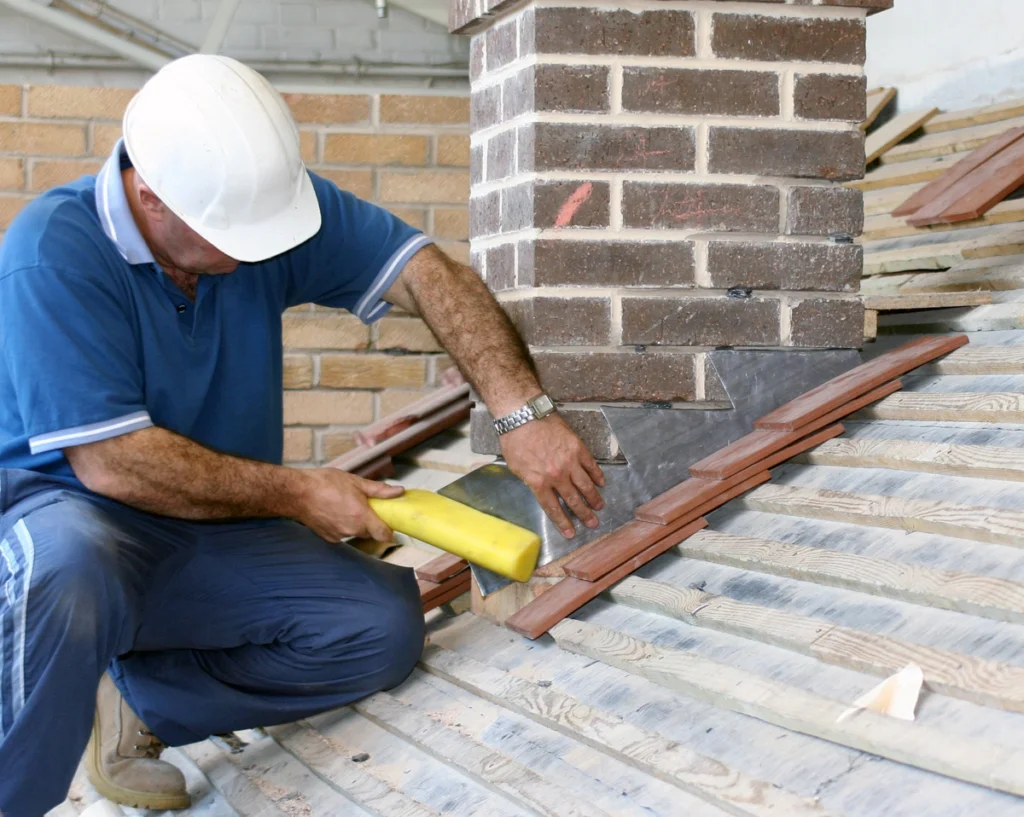
installing roof flashing

While minor flashing repairs can often be tackled as a DIY project, certain situations may warrant professional intervention:

  • Extensive damage requiring the replacement of large sections of flashing.
  • Roof flashing located in precarious or hard-to-reach areas, such as steeply sloped roofs or high chimneys.
  • Lack of experience or confidence in performing roofing repairs safely and effectively.

The Cost of Repairing Roof Flashing

The cost of repairing roof flashing can vary depending on factors such as the extent of damage, type of flashing material, and labor costs in your area. On average, homeowners can expect to pay anywhere from $200 to $600 for minor flashing repairs performed by a professional contractor. However, more extensive repairs or replacements may cost upwards of $1,000 or more.

Replace Roof Flashing Like a Pro

Maintaining the integrity of roof flashing is essential for preserving the longevity and structural integrity of your roof. By understanding the importance of roof flashing, recognizing signs of damage, and knowing when to tackle repairs yourself or seek professional assistance, you can ensure that your home remains well-protected against the elements for years to come. Whether it’s a minor repair or a full-scale replacement, investing in proper roof flashing maintenance is a worthwhile endeavor that pays dividends in safeguarding your home’s comfort and security.

At Open Box Roofing, we can help talk you through your options when it comes to roof flashing materials, while also providing excellent repairs. Contact us today to learn more!

Maintaining the integrity of your commercial building’s roof is crucial for protecting your investment and ensuring the safety of everyone inside. Over time, wear and tear can take its toll, leading to the need for a roof replacement.

In this guide, we’ll delve into:

  • The signs that indicate it’s time for a commercial roof replacement
  • The most common roofing materials used in commercial settings
  • The roof replacement process
  • How long it will take
  • The associated costs
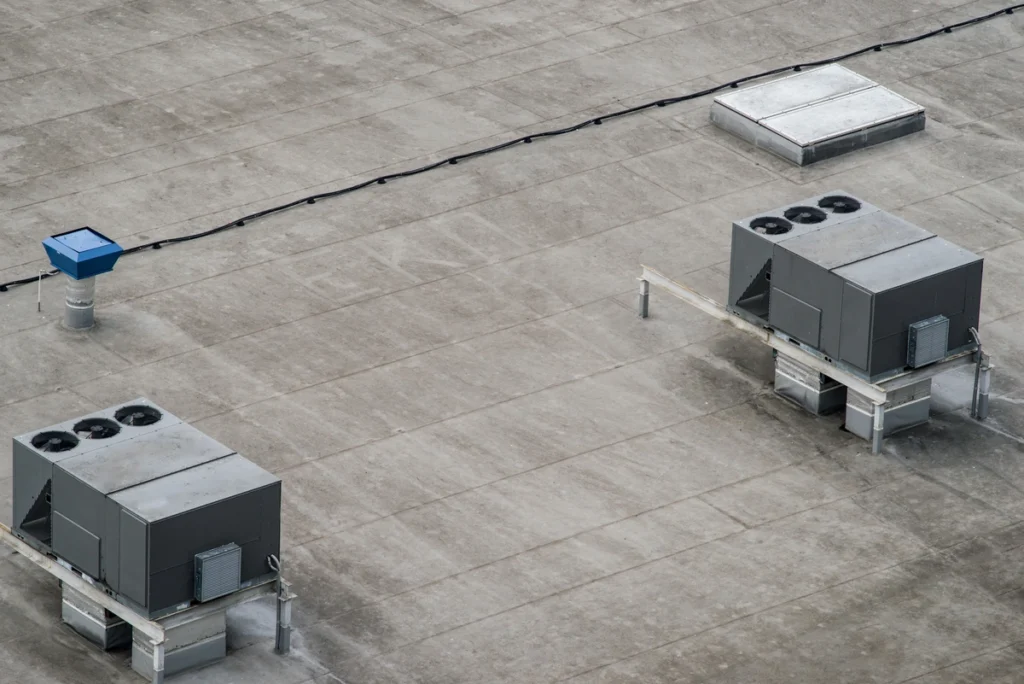
overhead view of a commercial roof

Signs That You Need to Replace Your Commercial Roof

Knowing when to replace your commercial roof can be tricky. Here are some common signs that it might be time:

  • Age: The age of your commercial roof is one of the most significant factors in determining whether it needs replacement. Most commercial roofs have a lifespan of 20 to 30 years, depending on the material used and maintenance practices.
  • Leaks and Water Damage: If you notice water stains on the ceiling, mold growth, or persistent leaks after heavy rain, it could indicate underlying roof damage that warrants replacement.
  • Visible Wear and Tear: Cracked, curled, or missing shingles, as well as blistering or peeling of the roofing material, are visible signs of deterioration that may necessitate replacement.
  • Sagging or Uneven Roof Surface: A sagging or uneven roofline suggests structural issues that require immediate attention and often involve replacing the entire roof.
  • Increased Energy Bills: A poorly insulated or damaged roof can result in increased heating and cooling costs as air escapes through gaps or inadequate insulation.

The Most Common Commercial Roofing Materials

Are you considering switching to a new commercial roof material? Here are some of the most popular ones:

  • Built-Up Roofing (BUR): Comprising multiple layers of bitumen and reinforcing fabrics, BUR provides durability and waterproofing, making it suitable for low-slope or flat roofs.
  • Single-Ply Membrane: Popular options include Ethylene Propylene Diene Monomer (EPDM), Thermoplastic Polyolefin (TPO), and Polyvinyl Chloride (PVC), known for their flexibility, UV resistance, and ease of installation.
  • Metal Roofing: Metal roofs offer longevity, fire resistance, and energy efficiency, making them a preferred choice for commercial buildings.
  • Modified Bitumen: Similar to BUR but incorporating polymer-modified bitumen sheets, this material offers enhanced flexibility and durability.
  • Roof Coatings: Applied over existing roofs, roof coatings provide an additional protective layer, improving energy efficiency and extending the roof’s lifespan.

The 5-Step Roof Replacement Process

If you’ve never had your commercial roof replaced before, you may not know what to expect. Below, we’ve included common steps in the process.

1) Assessment and Planning:

A professional roofing contractor will conduct a thorough inspection to assess the condition of the existing roof, identify any underlying issues, and recommend the most suitable replacement options.

2) Preparation:

This involves removing the old roofing material, repairing any damaged substrate, and ensuring proper ventilation and insulation.

3) Installation:

The chosen roofing material is installed according to manufacturer specifications, including layers, adhesives, and fastening methods.

4) Finishing Touches:

Flashing, sealants, and edge details are installed to ensure waterproofing and durability.

5) Final Inspection:

The completed roof undergoes a final inspection to verify compliance with building codes and quality standards.

How Long Does It Take To Replace a Roof For a Commercial Building?

The duration of a commercial roof replacement project varies depending on factors such as the size and complexity of the roof, weather conditions, and the chosen roofing material. Typically, the process can take anywhere from a few days to a few weeks to complete.

Costs to Replace Your Commercial Roof

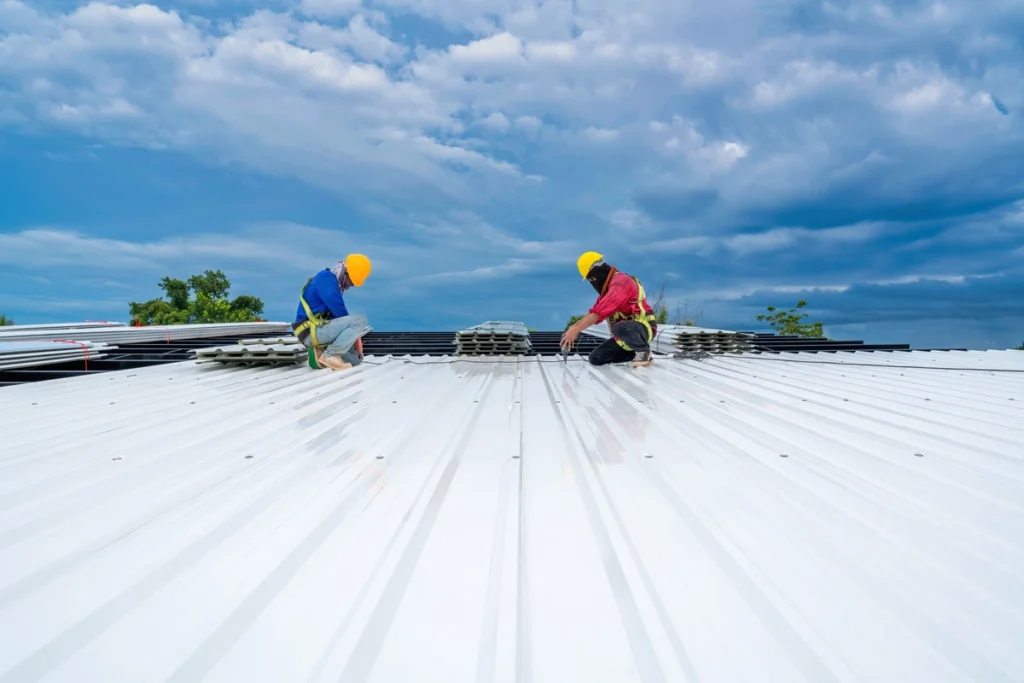
installing commercial metal roof

The cost of replacing a commercial roof depends on several factors, including the size of the roof, the choice of materials, labor costs, and any additional services required, such as insulation or structural repairs. On average, you can expect to pay between $5 and $15 per square foot for a commercial roof replacement. However, it’s essential to obtain quotes from multiple contractors and compare them carefully to ensure you’re getting the best value for your investment.

Your Commercial Roofing Experts

Replacing a commercial roof is a significant undertaking that requires careful planning, expert craftsmanship, and attention to detail. By being aware of the signs that indicate it’s time for a replacement, understanding the different roofing materials available, and knowing what to expect during the replacement process, you can make informed decisions to protect your building and ensure its longevity. If you’re considering a commercial roof replacement, be sure to consult with a reputable roofing contractor to assess your options and develop a plan that meets your needs and budget.

Contact Open Box Roofing to learn about your commercial roof replacement cost and more!

When it comes to roofing materials, Owens Corning has been a trusted name for decades. With a rich history dating back to the 1930s, Owens Corning has consistently provided homeowners with high-quality roofing solutions.

In this blog post, we’ll explore:

  • The history of Owens Corning
  • The benefits of their shingles
  • The different types of shingles they offer
  • Some of the most popular shingle colors available

Ready to replace your asphalt shingle roof?

Here are some of the reasons why Owens Corning shingle colors might be just what you are looking for. 

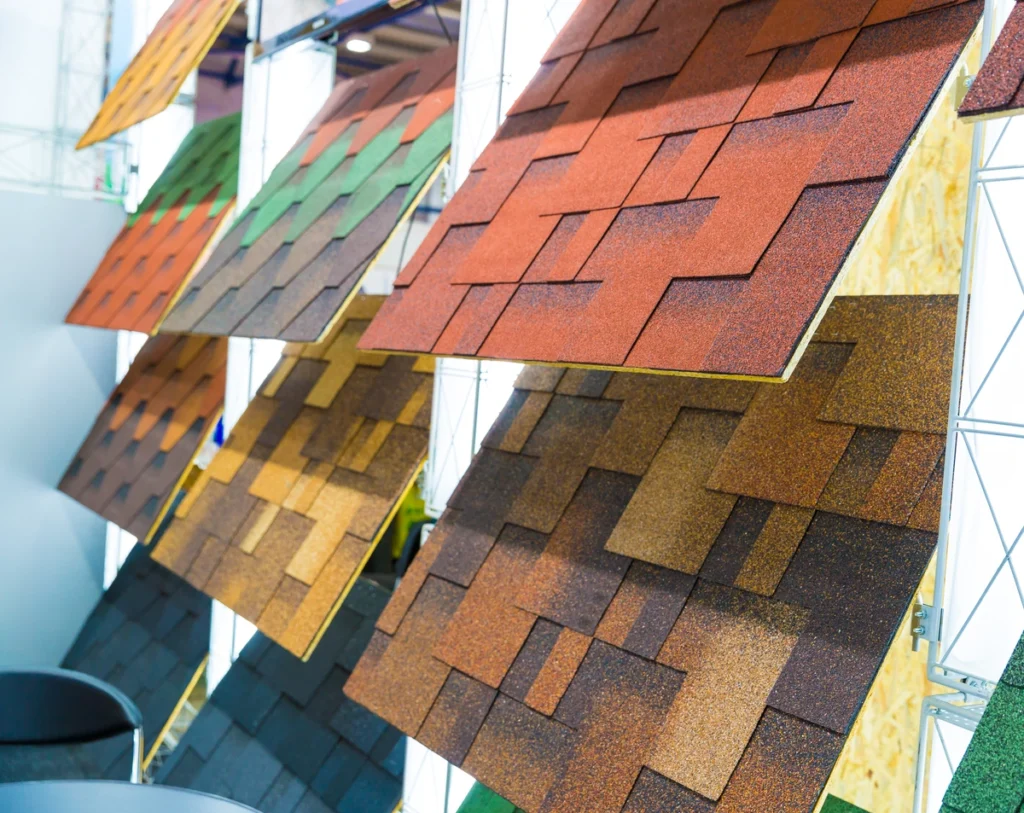
a display of different colored asphalt shingles

The History of Owens Corning

Owens Corning’s journey in the construction industry began in 1938 when they introduced the world to fiberglass insulation. This groundbreaking invention transformed the way buildings were insulated, making them more energy-efficient and comfortable. Building upon their success in insulation, Owens Corning expanded their product line to include roofing materials, cement, and composites.

Over the years, Owens Corning has become a leading global provider of building materials, recognized for their commitment to innovation, sustainability, and quality. Their focus on research and development has allowed them to continually improve their products, including their shingles, which have become synonymous with excellence and durability.

The Benefits of Owens Corning Shingles

When it comes to roofing, Owens Corning shingles offer a multitude of benefits that have made them a preferred choice for homeowners and contractors alike:

  • Durability: Owens Corning shingles are built to withstand the harshest weather conditions, including heavy rain, strong winds, and extreme temperatures. Their durability ensures that your roof will protect your home for many years to come.
  • Energy Efficiency: Owens Corning is dedicated to sustainability. Many of their shingle products are designed to reflect sunlight and reduce heat absorption, helping to keep your home cooler and potentially lowering your energy bills.
  • Aesthetics: Owens Corning shingles are available in a wide range of colors and styles, allowing you to customize the look of your roof to match your home’s architecture and your personal taste.
  • Warranty: Owens Corning stands by the quality of their products, offering strong warranties that provide peace of mind for homeowners. These warranties often cover manufacturing defects and can extend for several decades.
  • Ease of Installation: Roofing contractors appreciate Owens Corning shingles for their ease of installation. The quality of the shingles and their consistent sizing make the installation process smoother and more efficient.

Different Types of Owens Corning Shingles

Owens Corning offers a diverse range of shingle types, each with its own unique characteristics and benefits. Here are some of the most popular options:

Asphalt Shingles:

Owens Corning’s asphalt shingles are a staple in the roofing industry. They are known for their durability, affordability, and versatility. Within this category, you’ll find a variety of styles, including architectural shingles, 3-tab shingles, and more.

Designer Shingles:

If you’re looking to make a statement with your roof, designer shingles are the way to go. These shingles offer a premium, upscale appearance and often mimic the look of slate, wood, or other high-end roofing materials.

TruDefinition Duration Shingles:

These shingles are designed to provide vibrant, high-contrast color options that enhance your home’s curb appeal. They are also equipped with patented SureNail Technology for added strength and durability.

Cool Roof Shingles:

For homeowners focused on energy efficiency, Owens Corning offers cool roof shingles that reflect more sunlight and absorb less heat, helping to reduce energy consumption and keep your home more comfortable.

WeatherGuard HP Shingles:

These shingles are engineered to resist damage from severe weather, such as wind and hail. They are a great choice for regions prone to extreme weather conditions.

7 Popular Owens Corning Shingle Colors

Gray asphalt shingle roof on a blue house

The color of your shingles plays a significant role in the overall aesthetics of your home. Owens Corning understands the importance of color selection, which is why they offer a wide array of shingle colors to suit various architectural styles and personal preferences. Here are some of the most popular Owens Corning shingle colors:

1) Estate Gray:

This timeless gray hue complements a wide range of home exteriors and adds a touch of sophistication to any architectural style.

2) Desert Tan:

A warm, earthy tone that evokes a sense of comfort and coziness, making it a popular choice for traditional and rustic homes.

3) Onyx Black:

A classic black that exudes elegance and pairs well with modern and contemporary designs.

4) Teak:

A rich, deep brown that mimics the look of natural wood, giving your roof a warm and inviting appearance.

5) Harbor Blue:

This refreshing blue shade adds a pop of color to your home’s exterior, making it stand out in the neighborhood.

6) Sierra Gray:

A soft, muted gray that offers a subtle and sophisticated look, perfect for those who prefer a neutral color palette.

7) Amber:

A unique and eye-catching blend of warm orange and brown tones that brings a sense of vibrancy to your home.

Get Help Choosing Roof Shingle Colors

In the world of roofing, Owens Corning stands out as a trusted and reputable brand known for its high-quality shingles and stunning array of colors. Whether you’re looking for durability, energy efficiency or simply want to enhance your home’s curb appeal, Owens Corning shingles have something to offer.

If you are ready to invest in roof shingles that last, Open Box Roofing can help. Contact us today to get started on your roof replacement!

Asset 500
Asset 60
Don’t Think, Just Call Pink!
Request a Free Quote

Ready to get started? Contact OpenBox Roofing today to schedule your free inspection and discover how our residential roofing services can protect your home.

Name
Asset 5 2