Our Roofing Blog

Stay up to date on the latest roofing tips, trends, and insights from the experts at OpenBox Roofing. Our blog covers everything from seasonal maintenance to choosing the right materials for your home.

Whether you’re researching a new roof, learning about repairs, or exploring sustainability options, our articles make roofing information easy to understand.

Asset 1 7
Featured Article

3 Qualities to Look for When Hiring a James Hardie Siding Contractor

about us hoodie 150x150 1
Posted By: Openbox Roofing
Here at Open Box Roofing, we strongly believe that our customers deserve nothing less than the best. That’s why we’re proud to be a part of the James Hardie Contractor Alliance Program. James Hardie siding is on more than 8 million homes across North America because it’s the best fiber cement siding product on the market, […]
Asset 17

In the realm of exterior siding, few materials match the timeless appeal, durability, and versatility of Hardie board and batten siding. Originating from the renowned James Hardie Industries, this siding option has earned its reputation as a staple in modern construction and renovation projects.

In this expert guide to Hardie board and batten siding, we delve into:

  • The history of James Hardie siding
  • The essence of board and batten siding
  • The merits of choosing Hardie’s brand
  • Cost considerations
  • Longevity
  • Essential maintenance tips

History of James Hardie Siding

The story of James Hardie Industries dates back to the late 19th century when the company was founded in Melbourne, Australia. Initially focused on timber importing and distribution, James Hardie Industries gradually transitioned into manufacturing building materials. In the 1980s, the company introduced fiber cement siding, revolutionizing the construction industry with its innovative blend of durability, aesthetics, and weather resistance.

What is Board and Batten Siding?
hardie board and batten siding showed on a roof

Board and batten siding is a classic architectural style characterized by wide, vertical boards (the “boards”) and narrower strips (the “battens”) covering the joints between them. This design creates a distinctive pattern that adds texture and visual interest to any structure.

Traditionally, board and batten siding was crafted from wood, but modern advancements have introduced materials like vinyl and fiber cement, with Hardie board and batten emerging as a leading choice.

Why Choose Hardie’s Brand of Board and Batten Siding?

So, what makes James Hardie’s board and batten siding stand out from the rest? Here are a few factors:

  • Unparalleled Durability: Hardie board and batten siding is engineered to withstand the harshest elements, including extreme temperatures, moisture, and pests. Made from a proprietary blend of cement, sand, and cellulose fibers, it resists warping, rotting, and cracking, ensuring long-term structural integrity.
  • Superior Aesthetics: Hardie’s extensive range of colors and textures allows homeowners to achieve their desired aesthetic effortlessly. Whether replicating the rustic charm of traditional wood siding or opting for a sleek, contemporary finish, Hardie board and batten offers endless design possibilities.
  • Low Maintenance: Unlike wood siding, which requires regular painting, sealing, and repairs, Hardie board and batten is virtually maintenance-free. Its factory-applied finish resists fading and peeling, reducing the need for frequent touch-ups and saving homeowners time and money in the long run.
  • Fire Resistance: Fiber cement siding, including Hardie board and batten, is inherently fire-resistant, offering an added layer of protection for homes in wildfire-prone areas. Its non-combustible composition helps mitigate the risk of fire damage, providing peace of mind for homeowners and insurers alike.
  • Environmental Sustainability: James Hardie Industries is committed to sustainable manufacturing practices, prioritizing resource efficiency, waste reduction, and eco-friendly materials. Hardie board and batten siding is made from responsibly sourced raw materials and is recyclable at the end of its lifespan, minimizing environmental impact.

Cost Considerations

The cost of Hardie board and batten siding varies depending on factors such as the size of the project, labor costs, and geographic location. On average, homeowners can expect to pay between $8 and $12 per square foot for materials and installation. While this initial investment may seem higher than alternatives like vinyl or wood siding, the long-term durability and low maintenance requirements of Hardie board and batten often result in greater cost savings over time.

Longevity of Hardie Board and Batten Siding
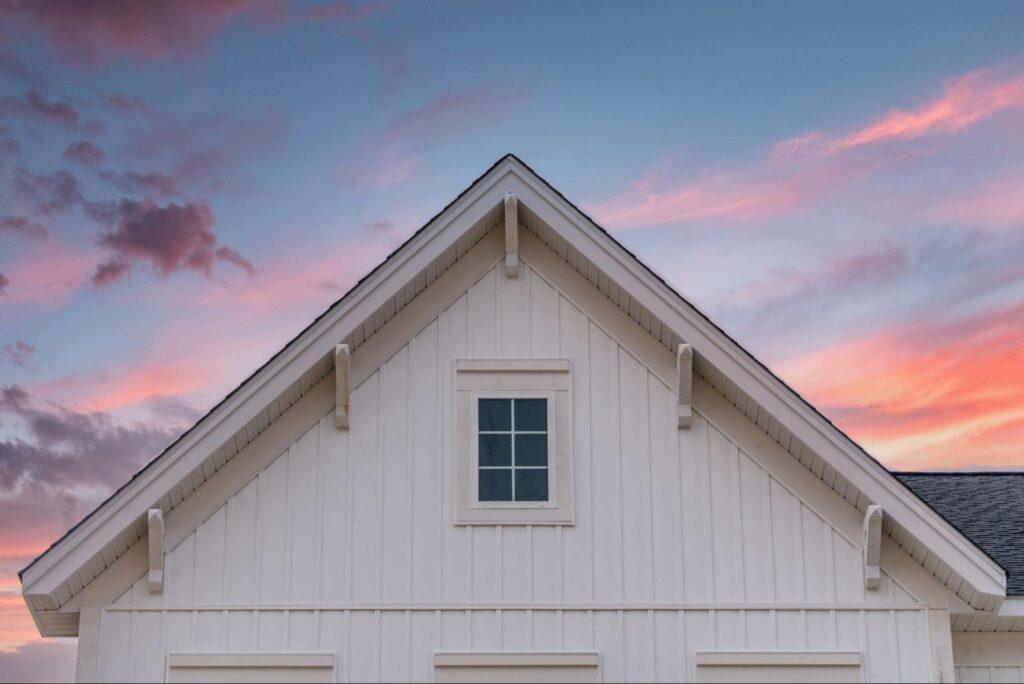
showcasing longitivity of hardie board and batten siding

One of the most compelling advantages of Hardie board and batten siding is its exceptional longevity. With proper installation and maintenance, Hardie siding can last upwards of 30 to 50 years, outperforming many other siding materials on the market.

Its resistance to moisture, rot, pests, and UV exposure ensures that it maintains its structural integrity and aesthetic appeal for decades, providing homeowners with enduring value and peace of mind.

5 Siding Maintenance Tips

While Hardie board and batten siding is renowned for its low maintenance requirements, some basic upkeep can help prolong its lifespan and enhance its appearance:

1) Regular Cleaning:

Periodically wash the siding with a mild detergent and water solution to remove dirt, dust, and grime buildup. Avoid using abrasive cleaners or high-pressure washers, as they can damage the surface.

2) Inspect for Damage:

Conduct routine inspections to identify any signs of damage, such as cracks, chips, or moisture intrusion. Promptly address any issues to prevent further deterioration and maintain the integrity of the siding.

3) Repaint as Needed:

While Hardie siding comes pre-finished with a durable color coating, it may require repainting over time to refresh its appearance and provide additional protection against the elements. Follow manufacturer recommendations for paint selection and application.

4) Trim Vegetation:

Keep vegetation trimmed away from the siding to prevent moisture retention, pest infestations, and damage from branches or roots. Maintain a clearance of at least 6 inches between plants and the siding surface.

5) Professional Inspections:

Consider scheduling periodic inspections by a qualified contractor to assess the condition of the siding and address any underlying issues proactively. Professional maintenance can help extend the lifespan of Hardie board and batten siding and preserve its value for years to come.

Learn More About James Hardie Products

Hardie board and batten siding represents the perfect marriage of timeless aesthetics, unmatched durability, and environmental responsibility. With its rich history, superior performance, and minimal maintenance requirements, it’s no wonder that Hardie siding has become the preferred choice for homeowners and builders alike.

Whether renovating an existing home or embarking on a new construction project, investing in Hardie board and batten siding ensures a lasting legacy of beauty, resilience, and sustainability for generations to come. Need a professional contractor to help you choose the right siding style? Contact Open Box Roofing today to learn more!
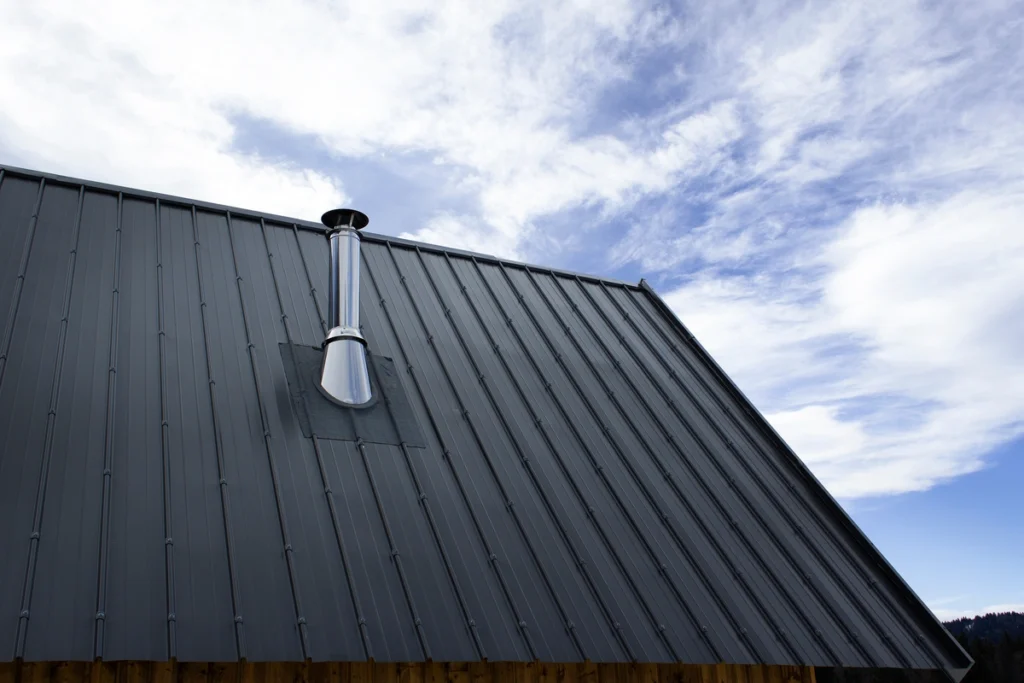
In the realm of home improvement, few decisions carry the weight and longevity of choosing the right roof. Whether you’re building a new home or considering a replacement, the material you opt for can significantly impact your property’s value, energy efficiency, and aesthetic appeal.

Among the myriad options available, metal roofing stands out as a durable, eco-friendly, and aesthetically pleasing choice. In this comprehensive guide, we delve into the various aspects of metal roofs, including:

  • Their costs
  • Benefits
  • Types
  • Lifespan
  • Maintenance
  • Finding qualified contractors

How much does a metal roof cost? Keep reading to find the answer!

black metal roof

Signs You Need to Replace Your Roof

Before diving into the specifics of metal roofs, it’s crucial to recognize when your current roof needs replacement. Look out for these telltale signs:

  • Age: Most conventional roofs last around 20-30 years. If your roof approaches or surpasses this timeframe, it’s prudent to consider replacement.
  • Leaks: Water stains on ceilings, mold growth, or visible leaks signify roof damage that requires immediate attention.
  • Missing or Damaged Shingles: Shingles that are curled, cracked, or missing altogether compromise your roof’s integrity and warrant replacement.
  • Granule Loss: Excessive granule loss from asphalt shingles indicates wear and tear, leaving your roof vulnerable to UV damage and weathering.
  • Sagging: A sagging roof suggests structural issues, potentially stemming from water damage or inadequate support.
  • Energy Inefficiency: Rising energy bills could indicate poor insulation or ventilation, both of which can be addressed with a new roof.

Why Choose a Metal Roof: 5 Benefits

In recent years, metal roofing has surged in popularity, and for good reason. Here’s why you should consider it for your next roofing project:

1) Durability

Metal roofs outlast traditional asphalt shingles by a significant margin, with lifespans ranging from 40 to over 70 years.

2) Weather Resistance ⛈️

Metal roofs excel in harsh weather conditions, including heavy rain, snow, hail, and high winds.

3) Energy Efficiency

Reflective metal surfaces minimize heat absorption, reducing cooling costs during hot weather.

4) Eco-Friendly

Metal roofs are often made from recycled materials and are fully recyclable at the end of their lifespan, making them a sustainable choice.

5) Aesthetic Appeal ✨

Available in a variety of styles and colors, metal roofing can complement any architectural design, from traditional to contemporary.

Different Types of Metal Roofing

Metal roofing comes in several materials, each offering unique advantages:

Steel:

Affordable and durable, steel roofing is the most common type. It’s available in various gauges and coatings to enhance longevity and corrosion resistance.

Aluminum:

Lightweight and corrosion-resistant, aluminum roofs are an excellent choice for coastal areas prone to salt exposure.

Copper:

Known for its timeless elegance and longevity, copper roofing develops a distinctive patina over time, adding character to your home.

Zinc:

Highly durable and low maintenance, zinc roofs offer exceptional corrosion resistance and can last over a century with proper care.

How Much Does It Cost

The cost of a metal roof depends on several factors, including:

  • Material: Different metals come at varying price points, with steel being the most economical and copper being the most expensive.
  • Roof Size: Larger roofs require more materials and labor, increasing overall costs.
  • Roof Complexity: Steep slopes, multiple angles, and intricate designs can raise installation expenses.
  • Geographic Location: Labor and material costs vary by region, impacting the total project cost.

On average, homeowners can expect to pay between $7 to $12 per square foot for a metal roof installation. For a typical 1,500 square foot roof, this translates to a total cost of $10,500 to $18,000.

How Long Does It Last

One of the most appealing aspects of metal roofing is its exceptional longevity. While asphalt shingles typically last 20 to 30 years, metal roofs can endure for 40 to over 70 years with proper maintenance. Factors such as material quality, installation technique, and environmental conditions can influence the lifespan of a metal roof. Regular inspections and prompt repairs can extend its longevity even further.

Maintenance Tips for Your Metal Roof

Despite their durability, metal roofs benefit from routine maintenance to ensure optimal performance and longevity. Here are some maintenance tasks to consider:

  • Clear Debris: Regularly remove leaves, branches, and other debris that can accumulate on your roof and clog gutters.
  • Inspect for Damage: Conduct visual inspections to identify signs of damage, such as dents, scratches, or loose fasteners.
  • Clean Gutters: Keep gutters clear to prevent water buildup and potential water damage to your roof and home.
  • Trim Overhanging Branches: Trim tree branches that hang over your roof to prevent damage from falling limbs and debris.
  • Professional Inspections: Schedule annual inspections by a qualified roofing contractor to assess the condition of your roof and address any issues promptly.

How to Find a Qualified Metal Roof Contractor

installing metal roofing

Choosing the right contractor is crucial to the success of your metal roofing project. Follow these steps to find a qualified professional:

  • Research: Seek recommendations from friends, family, and neighbors who have recently had metal roofs installed. Additionally, read online reviews and check ratings on reputable websites.
  • Verify Credentials: Ensure the contractor is licensed, bonded, and insured to perform roofing work in your area. Request references and examples of past projects to assess their quality of work.
  • Get Multiple Quotes: Obtain detailed quotes from several contractors, comparing costs, materials, and timelines.
  • Ask About Warranty: Inquire about warranties on both materials and labor to safeguard your investment against defects and installation errors.
  • Communication: Choose a contractor who communicates effectively, listens to your concerns, and provides clear explanations throughout the process.

Get a New Metal Roof For Your Home

Investing in a metal roof is a decision that offers long-term benefits in terms of durability, energy efficiency, and aesthetic appeal. While the upfront cost may seem daunting, the lifespan and performance of metal roofing far outweigh traditional alternatives.

Whether you have questions about metal roof costs, metal roofing materials, or general roofing, Open Box Roofing can help! Contact us today to get started.

Roof replacement is a significant undertaking for any homeowner. It’s not only a matter of maintaining the structural integrity of your house but also ensuring the safety and comfort of those living within it.

One common question that arises during this process is whether homeowners should stay home or find temporary accommodation elsewhere. In this expert guide, we’ll delve into the various aspects of roof replacement to help you make an informed decision. We’ll cover everything from:

Stop Googling “should I stay home during roof replacement” and get the answers you need, below!

When to Replace Your Roof

The decision to replace your roof shouldn’t be taken lightly. Several signs indicate that it’s time for a replacement rather than just repairs. These signs include:

  • Age: Most roofs have a lifespan of 20-25 years. If your roof is nearing or past this age, it’s likely due for a replacement, even if it appears to be in decent condition.
  • Visible Damage: Look for signs of shingles curling, cracking, or missing granules. Also, check for mold, moss, or algae growth, as these indicate underlying issues.
  • Leaks: Persistent leaks, especially after heavy rain or snow, suggest that your roof’s integrity has been compromised and requires immediate attention.
  • Sagging: A sagging roof deck or noticeable dips in the roofline are serious issues that require prompt replacement to prevent further structural damage.
  • Energy Efficiency: An old or damaged roof can result in poor insulation and higher energy bills. If you notice a significant increase in heating or cooling costs, it might be time to replace your roof.

7 Steps During the Roof Replacement Process

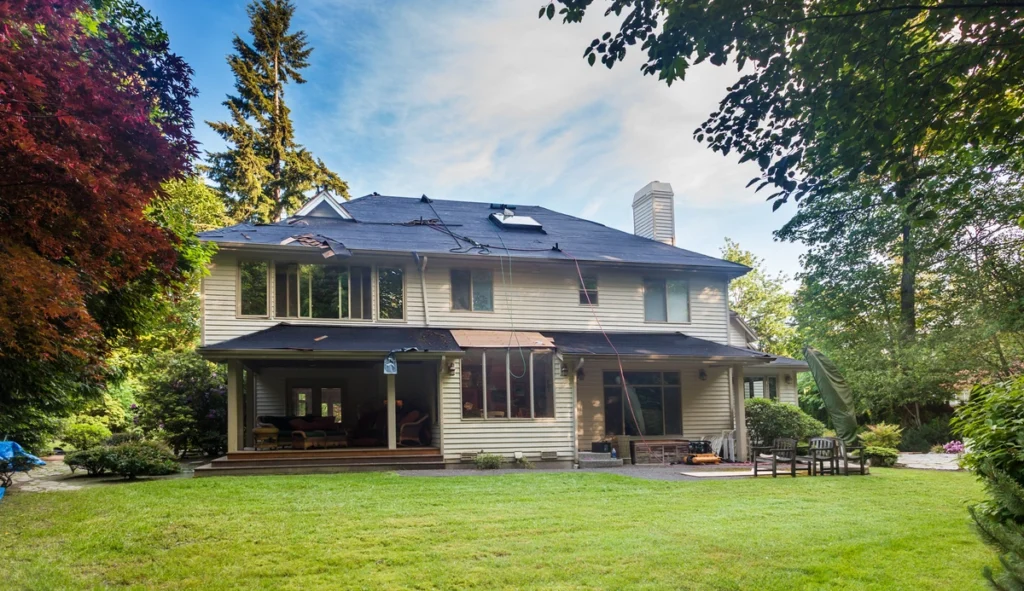
house getting roof replaced

Once you’ve decided to replace your roof, understanding the steps involved can help alleviate some of the uncertainty surrounding the process. Here’s a breakdown of what to expect:

1) Inspection and Assessment:

A reputable roofing contractor will conduct a thorough inspection of your roof to assess its condition and determine the extent of the replacement needed.

2) Material Selection:

Work with your contractor to choose the right roofing material for your home, considering factors such as durability, aesthetics, and budget.

3) Permitting:

Depending on local regulations, you may need permits for the roof replacement project. Your contractor should handle this process on your behalf.

4) Removal of Old Roofing:

The existing roofing materials, including shingles, underlayment, and flashing, will be removed to prepare the surface for the new roof.

5) Repairs and Preparation:

Any damaged decking or underlying structure will be repaired or replaced. The roof will then be inspected to ensure it’s ready for the new materials.

6) Installation of New Roofing:

The chosen roofing material, whether asphalt shingles, metal panels, or tiles, will be installed according to manufacturer specifications and industry best practices.

7) Cleanup and Inspection:

Once the new roof is in place, the area will be thoroughly cleaned of debris, and a final inspection will be conducted to ensure quality and compliance.

How Long A Roof Replacement Takes

The duration of a roof replacement project depends on various factors, including the size and complexity of your roof, weather conditions, and the efficiency of the roofing crew. On average, a typical residential roof replacement can take anywhere from a few days to a week to complete. However, unforeseen complications or delays, such as inclement weather or additional repairs, can extend the timeline.

Should You Stay Home During the Replacement?

family on couch

Deciding whether to stay home during a roof replacement is a personal choice that depends on several factors:

  • Safety: While reputable roofing contractors take measures to ensure safety during the replacement process, there are inherent risks associated with having workers on your roof. If you have young children or pets, staying elsewhere might be a safer option.
  • Noise and Disruption: Roof replacement involves loud noises, such as hammering and machinery, which can be disruptive to daily life. If you work from home or have sensitive individuals in your household, staying elsewhere might provide a quieter environment.
  • Comfort and Convenience: Living in a home undergoing roof replacement can be inconvenient, especially if access to certain areas is restricted or if there are interruptions to utilities. Staying elsewhere can offer greater comfort and convenience during this time.
  • Supervision and Peace of Mind: Some homeowners prefer to stay home during the replacement process to supervise the work and address any concerns promptly. Being present can also provide peace of mind knowing that the project is progressing as planned.

Ultimately, the decision to stay home or find alternative accommodation during a roof replacement depends on your individual circumstances and preferences. It’s essential to weigh the pros and cons carefully and communicate openly with your roofing contractor to ensure a smooth and satisfactory experience.

How to Find a Great Roofing Contractor

Choosing the right roofing contractor is crucial to the success of your roof replacement project. Here are some tips for finding a reputable and reliable contractor:

Research and References:

Start by researching local roofing companies and reading reviews from past customers. Ask friends, family, and neighbors for recommendations based on their experiences.

Licensing and Insurance:

Verify that the contractor is properly licensed and insured to perform roofing work in your area. This protects you from liability in case of accidents or property damage during the project.

Experience and Expertise:

Look for contractors with a proven track record of successful roof replacements and extensive experience working with your chosen roofing material.

Written Estimates:

Obtain detailed written estimates from multiple contractors, outlining the scope of work, materials, timeline, and cost breakdown. Beware of lowball offers that may indicate subpar quality or hidden fees.

Warranty and Guarantees:

Choose a contractor who offers warranties on both materials and workmanship. This ensures that you’re protected in the event of any defects or issues arising after the project is completed.

Communication and Transparency:

Opt for a contractor who communicates openly and transparently throughout the entire process, addressing any questions or concerns you may have and providing regular updates on the project’s progress.

By following these guidelines and conducting thorough research, you can find a reputable roofing contractor who will deliver high-quality workmanship and peace of mind during your roof replacement project.

Get Your Roof Replaced By An Expert

Roof replacement is a significant investment in your home’s longevity and safety. Whether you choose to stay home during the process or seek alternative accommodation, thorough preparation and communication with your roofing contractor are key to a successful outcome. By understanding the signs that indicate it’s time for a replacement, familiarizing yourself with the steps involved, and finding a trustworthy contractor, you can navigate the roof replacement process with confidence and peace of mind.

Contact Open Box Roofing to learn more about our roof replacement services.

Gutters are the unsung heroes of our homes, quietly directing rainwater away from the foundation and preventing costly water damage. However, like any other part of your home, they require maintenance and occasional repairs to keep them functioning properly.

In this comprehensive guide, we’ll delve into everything you need to know about gutter repair costs, including:

  • Signs that indicate repair is needed
  • Different gutter styles
  • Repair expenses
  • Replacement considerations
  • Maintenance tips to keep your gutters in top condition

How much will your gutter repair cost? Keep reading to find out!

Signs That You Need to Repair Your Gutters

old gutters

It can be difficult for the untrained eye to spot gutter damage. Here are some of the more obvious signs:

  • Leaking: One of the most obvious signs that your gutters need repair is leaking. If you notice water dripping or pooling around the foundation of your home during or after rainfall, it’s likely that your gutters are compromised.
  • Sagging Gutters: Gutters that are sagging or pulling away from the house indicate structural issues or insufficient support. This problem not only affects the functionality of your gutters but also poses a safety hazard.
  • Clogs and Blockages: Accumulated debris like leaves, twigs, and dirt can clog your gutters, preventing proper water flow. If you notice water overflowing from the gutters during rainfall or find debris buildup, it’s time for cleaning and potentially repairs.
  • Peeling Paint or Rust: Peeling paint or rust on your gutters is a sign of corrosion, which can weaken the metal over time. Addressing this issue promptly can prevent further damage and extend the lifespan of your gutters.
  • Cracks or Holes: Inspect your gutters for any visible cracks or holes, which can develop over time due to weather exposure or physical damage. These openings compromise the efficiency of your gutters and should be repaired promptly.

How Much It Costs to Repair Your Gutters

The cost of gutter repairs can vary depending on several factors, including the extent of damage, materials used, and labor costs in your area. Here’s a breakdown of typical expenses:

  • Cleaning: Basic gutter cleaning services typically range from $100 to $250, depending on the size of your home and the amount of debris present. This cost can increase if additional repairs are needed.
  • Sealing Leaks: Repairing minor leaks or sealing seams can cost anywhere from $50 to $250, depending on the extent of the damage and the materials used for the repair.
  • Replacing Sections: If certain sections of your gutters are damaged beyond repair, replacing them can cost between $200 and $600 per section, including materials and labor.
  • Gutter Guards: Installing gutter guards can help prevent future clogs and reduce the need for frequent cleaning. The cost of gutter guards varies depending on the type and material but generally ranges from $5 to $10 per linear foot.
  • Professional Repairs: Hiring a professional gutter repair service may incur additional costs, with hourly rates typically ranging from $50 to $150 per hour, depending on the complexity of the job.

When to Replace Your Gutters

While repairs can address minor issues, there comes a point where replacing your gutters is the most cost-effective solution. Here are some signs that indicate it’s time for gutter replacement:

Frequent Repairs:

If you find yourself constantly repairing your gutters or if the damage is extensive, it may be more economical to invest in new gutters.

Visible Rust or Corrosion:

Severe rust or corrosion can compromise the structural integrity of your gutters, making them prone to leaks and failure.

Visible Damage:

Cracks, holes, or significant dents that cannot be effectively repaired indicate that your gutters are nearing the end of their lifespan.

Poor Drainage:

If your gutters are unable to effectively channel water away from your home, it can lead to water damage and erosion around the foundation.

Aesthetic Considerations:

If you’re renovating your home or simply want to update its appearance, replacing old gutters with new ones can enhance curb appeal and increase property value.

5 Different Gutter Styles to Choose From

If you are forced to replace gutters on your home, it’s important to research the various styles available to you. Here are 5 of the most popular:

1) K-Style Gutters:

These gutters resemble the letter “K” and are the most common choice for residential properties. They offer a sleek appearance and can handle large volumes of water efficiently.

2) Half-Round Gutters:

Half-round gutters have a semicircular shape and offer a more traditional aesthetic. They are often chosen for historic or architecturally distinctive homes.

3) Box Gutters:

Box gutters are integrated into the roof structure, providing a seamless and streamlined look. They are commonly found in commercial buildings but can also be used in residential applications.

4) European Gutters:

European-style gutters feature a unique profile with a curved front and flat back. They are known for their durability and ability to handle heavy rainfall.

5) Copper Gutters:

While more expensive than traditional aluminum gutters, copper gutters offer unmatched durability and a distinctive patina that adds character to your home’s exterior.

How to Maintain Your Gutters

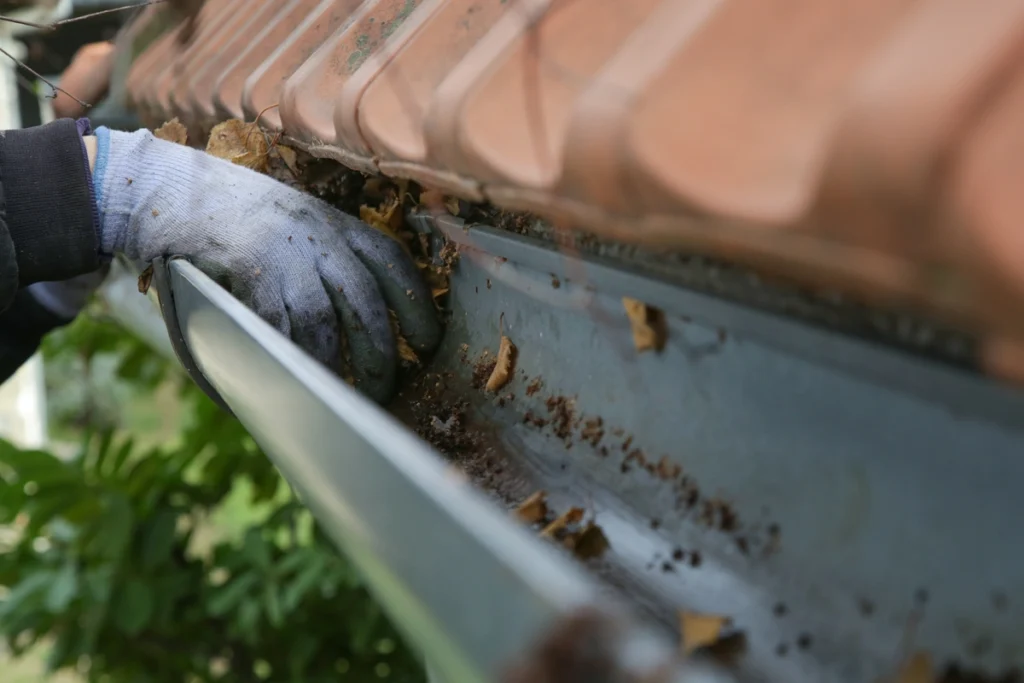
cleaning gutters

Proper maintenance is key to extending the lifespan of your gutters and preventing costly repairs. Here are some maintenance tips to keep your gutters in optimal condition:

  • Regular Cleaning: Clean your gutters at least twice a year, preferably in the spring and fall, to remove debris and prevent clogs.
  • Inspect for Damage: Conduct regular inspections of your gutters to identify any signs of damage, such as leaks, sagging, or corrosion.
  • Trim Overhanging Branches: Trim branches that hang over your roof to prevent leaves and twigs from falling into your gutters and causing blockages.
  • Install Gutter Guards: Consider installing gutter guards to prevent debris from entering your gutters while allowing water to flow freely.
  • Address Minor Repairs Promptly: Repair minor issues like leaks, loose screws, or damaged seals as soon as they are detected to prevent further damage.
  • Professional Maintenance: Schedule periodic inspections and maintenance with a professional gutter cleaning and repair service to ensure your gutters are in top condition.

Professional Gutter Repair Services

Gutter repair costs can vary depending on the extent of damage, materials used, and labor involved. By understanding the signs that indicate your gutters need repair, exploring different gutter styles, knowing the expenses involved, and following proper maintenance practices, you can ensure that your gutters continue to protect your home for years to come. Remember, investing in gutter maintenance and repairs now can save you from costly water damage repairs down the line.

Contact Open Box Roofing today to let the professionals repair gutters on your home!

Your home’s exterior speaks volumes about its character and charm. Among the myriad choices available for siding materials, James Hardie siding stands out for its durability, versatility, and aesthetic appeal. Not only does it provide excellent protection against the elements, but it also offers a wide array of colors to suit every homeowner’s taste and style preferences.

In this blog, we’ll dive deep into the world of James Hardie siding colors, exploring:

  • The signs that indicate it’s time for a siding replacement
  • The reasons why James Hardie is a superior choice
  • The top siding colors to consider
  • Tips for selecting the perfect hue for your home
  • Maintenance strategies to keep your siding looking pristine
  • An overview of the costs involved

Signs That You Need to Replace Your Siding

Before diving into the realm of color choices, it’s crucial to recognize the signs that your home’s siding may need replacement. Here are some indicators to watch out for:

  • Visible Damage: Cracks, warping, or rotting in your siding are clear indications that it’s time for a replacement. Damaged siding compromises your home’s insulation and leaves it vulnerable to moisture infiltration.
  • Fading or Peeling Paint: If your siding’s paint is fading or peeling, it not only detracts from your home’s curb appeal but also exposes the underlying material to weather damage.
  • Increased Energy Bills: Poorly performing siding can lead to energy inefficiency, causing your heating and cooling bills to skyrocket. If you notice a significant increase in your energy costs, your siding might be to blame.
  • Mold or Mildew Growth: Siding that retains moisture can become a breeding ground for mold and mildew, posing health risks to your family and detracting from your home’s appearance.

Why Choose James Hardie Siding

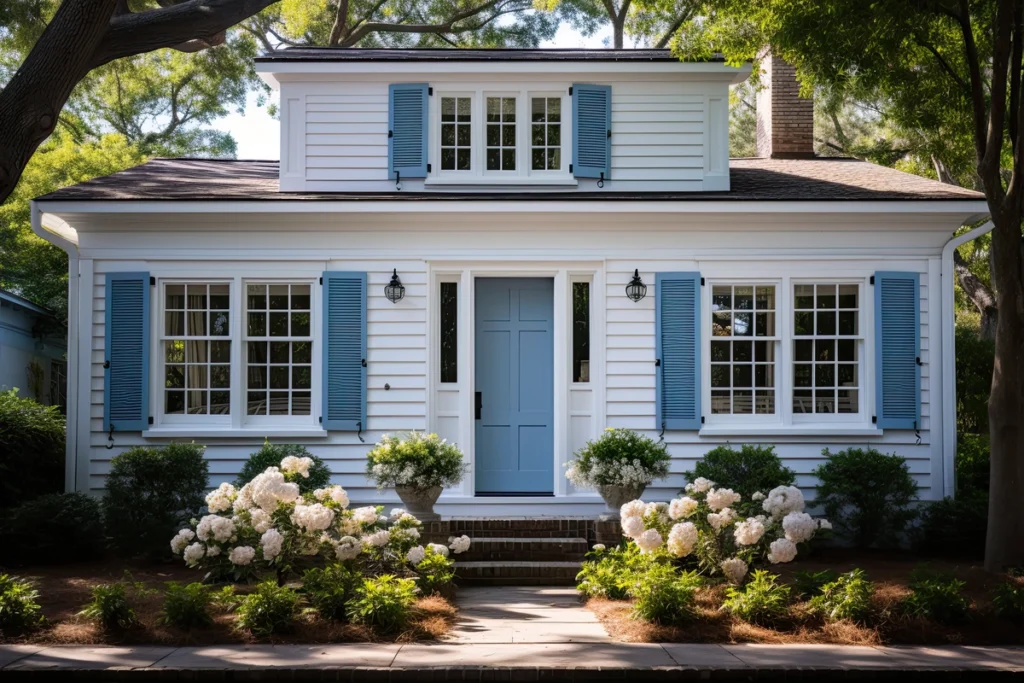
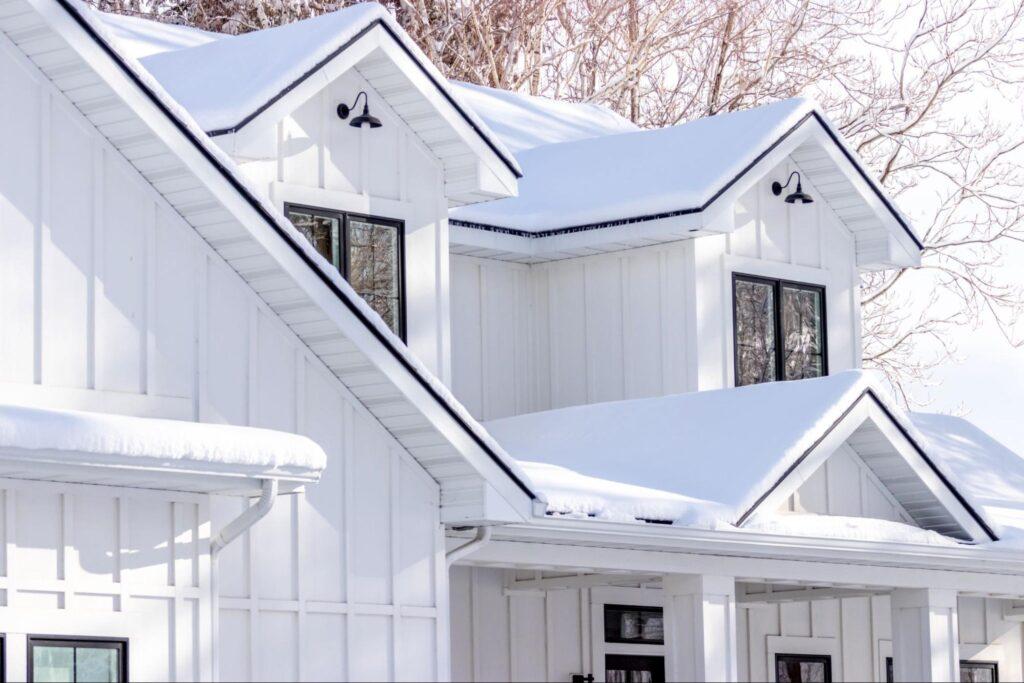
white siding

James Hardie is the #1 manufacturer of fiber cement siding. An industry trusted brand, it is hugely popular among homeowners. When it comes to siding materials, James Hardie reigns supreme for several compelling reasons:

  • Durability: James Hardie siding is engineered to withstand the harshest weather conditions, including high winds, heavy rain, and freezing temperatures. It resists rotting, warping, and pests, ensuring long-lasting performance.
  • Versatility: With a diverse range of styles and textures, James Hardie siding allows homeowners to achieve their desired aesthetic, whether it’s classic and traditional or modern and sleek.
  • Color Options: James Hardie offers an extensive selection of colors inspired by nature’s palette, ensuring that you’ll find the perfect hue to complement your home’s architecture and surroundings.
  • Low Maintenance: Unlike wood siding, which requires frequent painting and sealing, James Hardie siding is virtually maintenance-free. It retains its color and finish for years, saving you time and money on upkeep.

The Top 5 James Hardie Siding Colors

Now, let’s explore some of the top James Hardie siding colors that can elevate your home’s exterior appeal:

1) Arctic White:

Clean, crisp, and timeless, Arctic White exudes classic elegance. It pairs beautifully with virtually any architectural style, making it a versatile choice for traditional and contemporary homes alike.

2) Iron Gray:

For a bold and dramatic look, consider Iron Gray. This deep, charcoal hue adds sophistication and depth to your home’s facade, creating a striking contrast against lighter trim and accents.

3) Cobble Stone:

With its warm, earthy tones, Cobble Stone evokes a sense of rustic charm. This versatile color complements natural surroundings and blends seamlessly with wooded landscapes.

4) Navajo Beige:

Soft and inviting, Navajo Beige exudes warmth and comfort. This neutral hue pairs well with both cool and warm tones, making it an excellent choice for homes with diverse color schemes.

5) Aged Pewter:

Inspired by weathered metals, Aged Pewter lends a rustic yet refined aesthetic to your home. Its subtle gray-green undertones add depth and character, creating a timeless appeal.

How to Choose the Right Color for Your Home

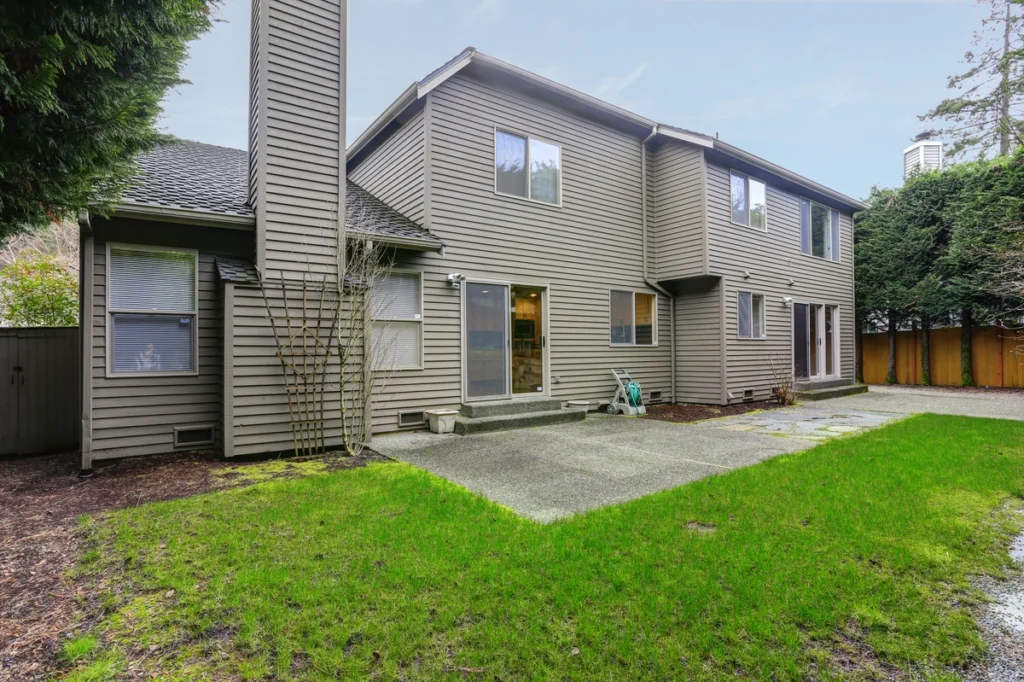
beige james hardie siding colors

Selecting the perfect siding color for your home can seem daunting, but with careful consideration, you can find a hue that enhances your home’s beauty and complements its surroundings. Here are some tips to guide you:

  • Consider Your Home’s Architecture: Take cues from your home’s architectural style and existing features. Traditional homes may suit classic, subdued colors, while modern residences can embrace bold, contemporary hues.
  • Assess Your Surroundings: Consider the landscape, neighboring homes, and prevailing color schemes in your area. Your siding color should harmonize with its surroundings while still making a statement.
  • Test Samples: Don’t rely solely on swatches or digital representations. Purchase small samples of your preferred colors and observe how they look throughout the day in different lighting conditions.
  • Consult Professionals: If you’re unsure about which color to choose, seek advice from design professionals or contractors experienced in exterior home renovations. They can offer valuable insights and recommendations based on your preferences and home’s architecture.

How to Maintain Your James Hardie Siding

While James Hardie siding is renowned for its durability and low maintenance, a little care goes a long way in preserving its appearance and performance. Here are some maintenance tips to keep your siding looking its best:

Regular Cleaning

Periodically wash your siding with a mild detergent and water solution to remove dirt, dust, and debris. Avoid using abrasive cleaners or pressure washers, as they can damage the surface.

Inspect for Damage

Routinely inspect your siding for signs of damage, such as cracks, chips, or loose panels. Promptly address any issues to prevent further deterioration and maintain your home’s structural integrity.

Trim Vegetation

Trim back trees, shrubs, and vines that come into contact with your siding to prevent moisture buildup and potential damage from pests.

Monitor Caulking and Seals

Check the caulking and seals around windows, doors, and trim for signs of wear or deterioration. Replace any damaged caulking to prevent water intrusion and maintain energy efficiency.

Schedule Professional Inspections ️

Consider scheduling annual inspections with a qualified contractor to assess your siding’s condition and address any maintenance concerns proactively.

How Much Does James Hardie Siding Cost

The cost of James Hardie siding installation can vary depending on several factors, including the size of your home, the chosen style and color, local labor rates, and any additional features or customizations. On average, homeowners can expect to pay between $8 and $12 per square foot for materials and installation.

It’s essential to obtain multiple quotes from reputable contractors and compare their estimates to ensure you’re getting a fair price. While James Hardie siding may represent a significant investment upfront, its long-term durability and low maintenance requirements make it a cost-effective choice over time.

Choose The Timeless Colors of James Hardie

Choosing the right siding color is a crucial decision that can significantly impact your home’s curb appeal and value. With James Hardie siding, you can enjoy the perfect combination of durability, versatility, and aesthetic appeal, along with an extensive selection of colors to suit your style preferences.

By recognizing the signs that indicate it’s time for a siding replacement, understanding the benefits of James Hardie siding, exploring the top color options, and following expert tips for selection and maintenance, you can enhance your home’s exterior and create a lasting impression for years to come.

Need help picking the right house color? From dark hues to a simple accent color, Open Box Roofing can help you find the perfect complement to your roof color. Contact us today to learn more about these and other shades for you home!

Hailstorms can be beautiful to watch from indoors, but the aftermath they leave behind can be devastating, particularly for your roof.

Hail damage is a common occurrence in many regions, especially during severe weather seasons. In this guide, we’ll delve into:

  • What does hail damage looks like on a roof
  • The dangers associated with different sizes of hail
  • How to spot hail damage
  • Temporary repair solutions
  • Navigating the insurance claim process
  • The role of professional roofers in the claims process
  • The potential costs involved in repairing hail damage out of pocket

Understanding Hail Damage

Before delving into the specifics of hail damage on roofs, it’s essential to understand the nature of hail itself. Hailstones are balls of ice that form within thunderstorm updrafts. As they cycle through the storm, they grow larger until they eventually fall to the ground. The size of hailstones can vary significantly, ranging from small pellets to large, destructive spheres measuring several inches in diameter.

If your roof, siding, or other parts of your home has suffered sudden hail damage, don’t hesitate to reach out to a locally trusted roofing professional.

Dangers of Different Sizes of Hail

The size of hailstones directly correlates with the potential damage they can inflict on your roof.

Smaller Hailstones, such as pea-sized or marble-sized, may not cause noticeable damage to sturdy roofing materials. However, larger hailstones, typically dime-sized or larger, can wreak havoc on roofs, leading to cracks, punctures, and dislodged shingles. Golf ball-sized hail or larger can cause extensive structural damage, posing a significant risk to the integrity of your roof.

Spotting Hail Damage on Your Roof

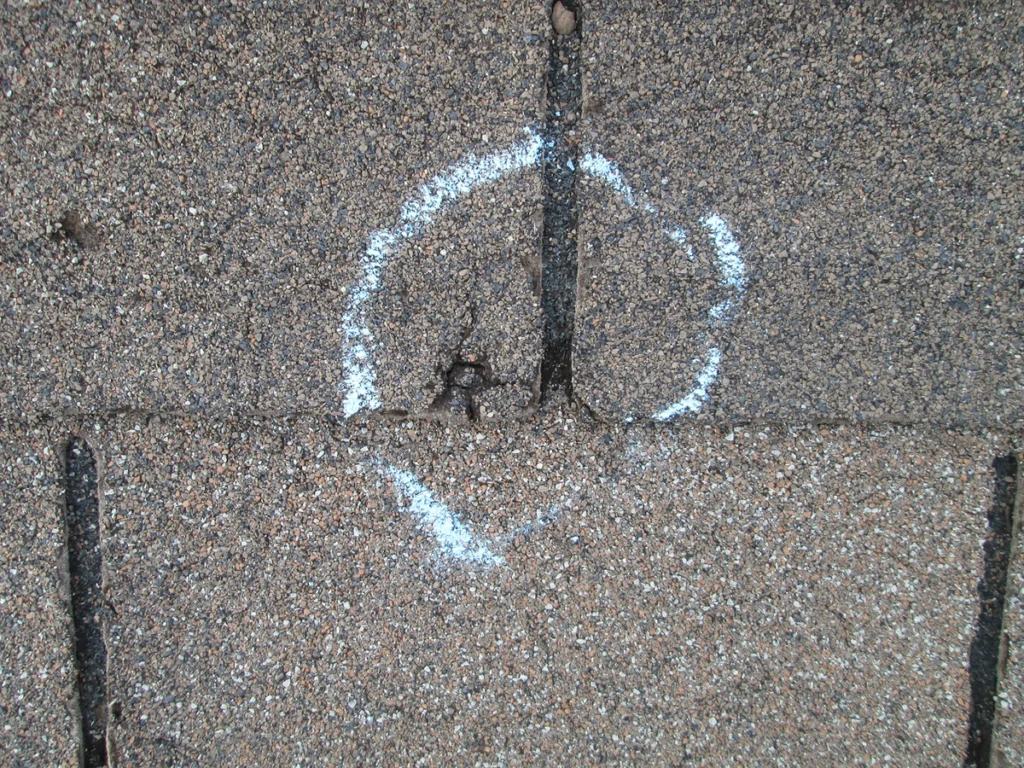
hail dent

Identifying hail damage on your roof can be challenging, especially from ground level. However, several key indicators can signal the presence of hail damage:

  • Missing or Damaged Shingles: Inspect your roof for missing or cracked shingles. Hail impact can dislodge asphalt granules, exposing the underlying material to further damage.
  • Dents and Bruises: Look for dents or bruises on metal surfaces such as gutters, vents, or flashing. These can indicate the force of impact from hailstones.
  • Granule Loss: Check for granule loss on asphalt shingles. Hail damage often results in granule displacement, leaving bald spots on the shingles.
  • Cracked or Split Wood: If you have a wooden roof, look for signs of splitting or cracking caused by hail impact.

Temporary Repairs

If you suspect your roof has sustained hail damage, taking immediate action is crucial to prevent further deterioration. While temporary repairs won’t fully resolve the issue, they can help mitigate damage until professional repairs can be arranged:

  • Cover Exposed Areas: Use tarps or temporary roof patches to cover exposed areas where shingles or roofing materials have been dislodged.
  • Clear Debris: Remove any debris or loose materials from the roof to prevent them from causing additional damage during subsequent storms.
  • Seal Cracks and Holes: Use roofing cement or sealant to temporarily seal any cracks or holes in the roofing material.

Filing an Insurance Claim: 5 Steps

In many cases, homeowners insurance policies cover hail damage to roofs. However, navigating the claims process can be complex. Here’s a step-by-step guide to filing an insurance claim for hail damage:

1) Document the Damage

Take photos and videos of the hail damage to provide visual evidence to your insurance company.

2) Contact Your Insurance Provider ☎️

Notify your insurance provider of the damage as soon as possible. They will guide you through the claims process and provide necessary forms.

3) Schedule an Inspection ️

Your insurance company may send an adjuster to inspect the damage and assess the cost of repairs.

4) Obtain Estimates

Obtain estimates from reputable roofing contractors for the cost of repairs or replacement.

5) Review Your Policy

Familiarize yourself with your insurance policy to understand coverage limits, deductibles, and any exclusions related to hail damage.

Role of Professional Roofers in Insurance Claims

Professional roofers play a vital role in the insurance claims process, offering expertise and assistance to homeowners:

  • Inspection and Documentation: Roofing professionals can conduct a thorough inspection of the damage and provide detailed documentation to support your insurance claim.
  • Repair Estimates: Roofers can provide accurate repair estimates based on their assessment of the damage, helping you negotiate with your insurance company.
  • Negotiation with Insurance Adjusters: Roofing contractors are experienced in negotiating with insurance adjusters to ensure fair compensation for repairs or replacement.
  • Quality Repairs: Hiring a professional roofer ensures that repairs are completed to industry standards, preserving the integrity and longevity of your roof.

Cost to Repair Hail Damage Out of Pocket

The cost to repair hail damage out of pocket can vary depending on the extent of the damage and the materials used:

  • Minor Repairs: Minor hail damage, such as small dents or cracked shingles, may only require minor repairs, which can cost a few hundred dollars.
  • Moderate Damage: Moderate hail damage, including significant shingle damage or structural issues, can cost anywhere from $1,000 to $5,000 to repair.
  • Severe Damage: Severe hail damage that necessitates roof replacement can be more expensive, with costs ranging from $5,000 to $10,000 or more, depending on the size and complexity of the roof.

A Roofing Contractor Who Can Help With Storm Damage

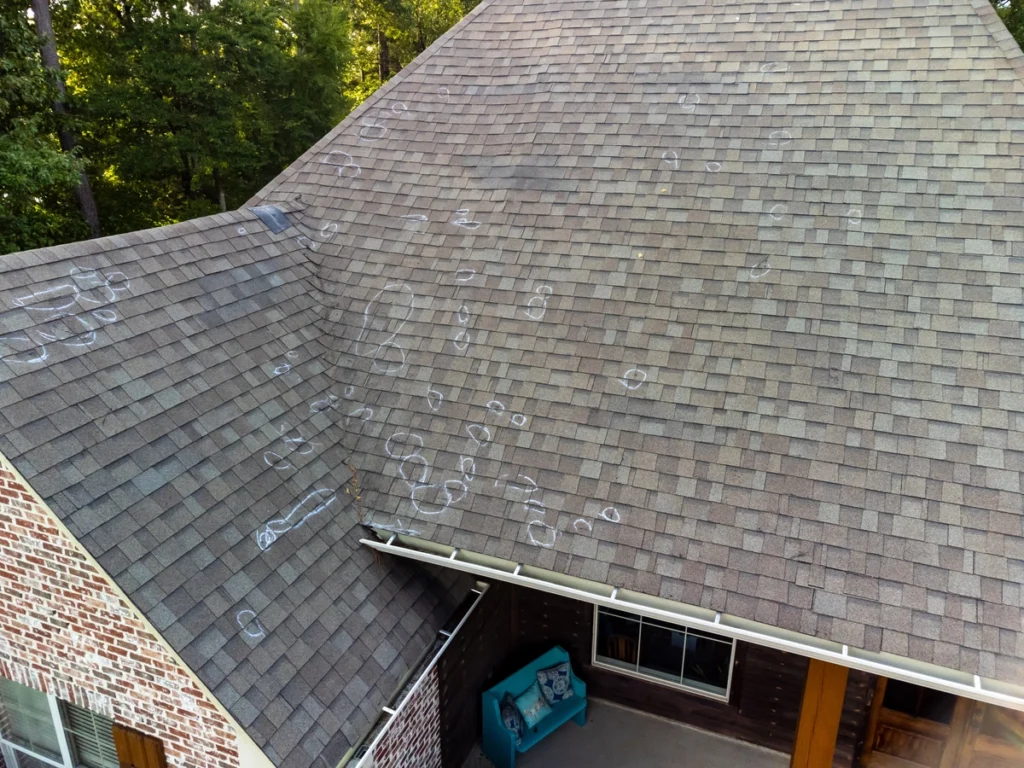
circling hail damage

Hail damage on your roof can pose significant challenges, but with prompt action and the assistance of professionals, you can navigate the repair process effectively. By understanding the signs of hail damage, filing an insurance claim, and enlisting the help of reputable roofing contractors, you can restore your roof to its former condition and protect your home from future storms. Remember, addressing hail damage promptly is key to preserving the integrity and safety of your home.

From hail damage to high winds, Open Box Roofing can help keep your roof shingles in tip top shape. Contact us today to get started.

Asset 500
Asset 60
Don’t Think, Just Call Pink!
Request a Free Quote

Ready to get started? Contact OpenBox Roofing today to schedule your free inspection and discover how our residential roofing services can protect your home.

Name
Asset 5 2