Our Roofing Blog

Stay up to date on the latest roofing tips, trends, and insights from the experts at OpenBox Roofing. Our blog covers everything from seasonal maintenance to choosing the right materials for your home.

Whether you’re researching a new roof, learning about repairs, or exploring sustainability options, our articles make roofing information easy to understand.

Asset 1 7
Featured Article

3 Qualities to Look for When Hiring a James Hardie Siding Contractor

about us hoodie 150x150 1
Posted By: Openbox Roofing
Here at Open Box Roofing, we strongly believe that our customers deserve nothing less than the best. That’s why we’re proud to be a part of the James Hardie Contractor Alliance Program. James Hardie siding is on more than 8 million homes across North America because it’s the best fiber cement siding product on the market, […]
Asset 17

Your home’s exterior is its first impression, making siding one of the most crucial components of its aesthetic appeal and structural integrity. Whether you’re building a new house or looking to refresh your current one, selecting the right siding material is essential.

We’ve got the information you need right here, where we’ll delve into everything you need to know about siding, from:

Stop wasting time Googling “best siding for house,” and get the facts, below!

Signs It’s Time to Replace Your Siding

Before diving into the world of siding options, it’s essential to recognize the signs that indicate your current siding may need replacing:

  • Visible Damage: Cracks, warping, or rotting are clear indicators that your siding is no longer providing adequate protection.
  • Increased Utility Bills: Poorly performing siding can lead to energy inefficiency, causing your heating and cooling bills to skyrocket.
  • Mold or Mildew: Moisture trapped beneath the siding can result in mold growth, posing health risks and indicating a need for replacement.
  • Fading or Peeling Paint: If your paint is peeling or fading unevenly, it may be a sign that your siding is no longer holding up against the elements.

5 Best Siding Materials for Homes
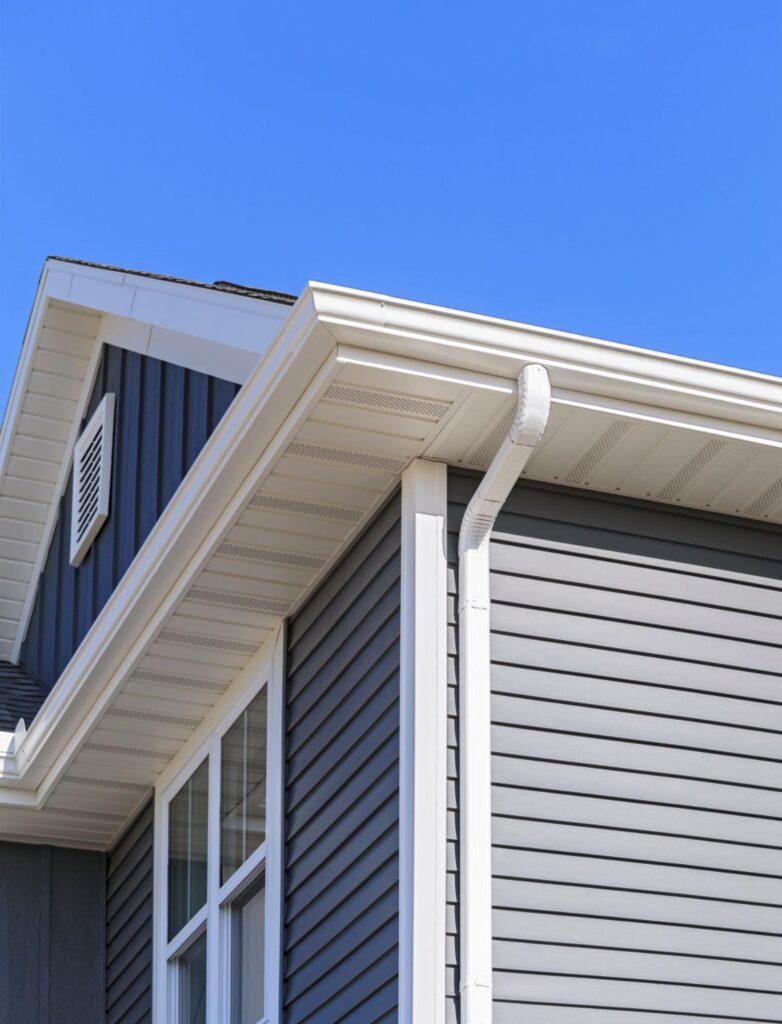
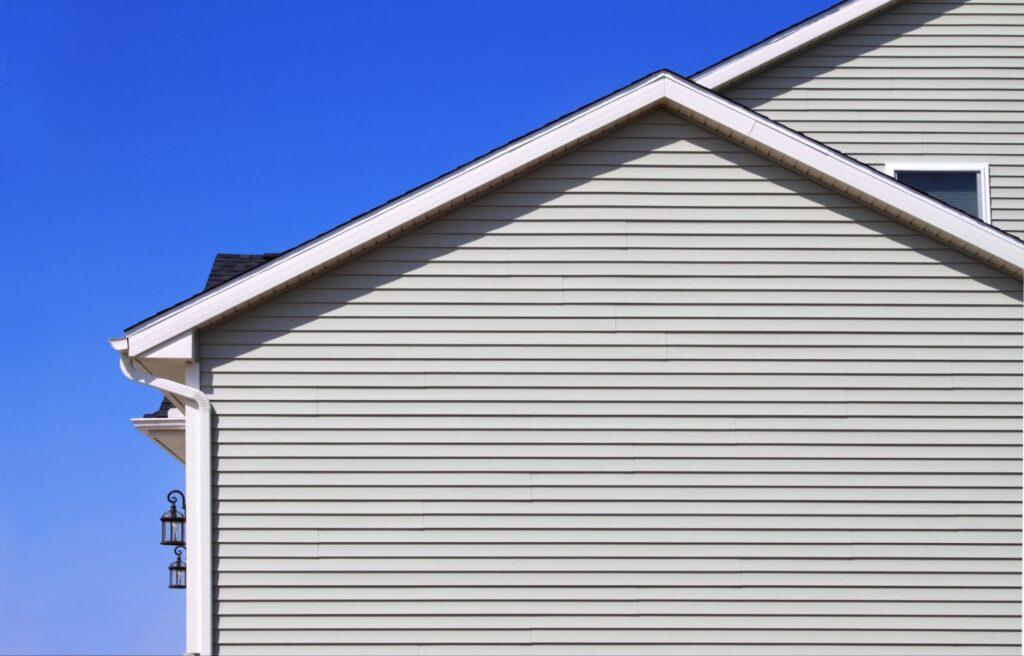
side view of siding of a house

When it comes to siding, there’s no shortage of options. Here are some of the most popular styles:

1) Vinyl Siding:

Affordable and versatile, vinyl siding comes in a variety of colors and textures, requiring minimal maintenance.

2) Wood Siding:

Known for its timeless beauty, wood siding offers a natural aesthetic and can be painted or stained to match your preferences.

3) Fiber Cement Siding:

Durable and fire-resistant, fiber cement siding mimics the look of wood while requiring less maintenance and offering superior protection against the elements.

4) Brick Siding:

Renowned for its durability and classic appeal, brick siding adds a touch of elegance to any home and requires little maintenance.

5) Stone Veneer Siding:

Offering the look of natural stone at a fraction of the cost, stone veneer siding is lightweight and easy to install, providing a rustic charm to your home.

Popular Siding Brands

When it comes to quality siding materials, certain brands have established themselves as industry leaders, known for their durability, innovation, and reputation for excellence. Here are a few of the top siding brands to consider for your home:

James Hardie:

James Hardie is renowned for its fiber cement siding, known for its durability, versatility, and resistance to rot, fire, and pests. Their products come in a wide range of colors and styles, offering homeowners the flexibility to achieve their desired look.

CertainTeed:

CertainTeed offers a diverse selection of siding options, including vinyl, fiber cement, and composite materials. Their siding products are known for their durability, energy efficiency, and low maintenance requirements, making them a popular choice among homeowners.

LP SmartSide:

LP SmartSide specializes in engineered wood siding products that combine the natural beauty of wood with the durability of engineered materials. Their siding is treated to resist moisture, termites, and fungal decay, offering long-lasting performance and aesthetic appeal.

Royal Building Products:

Royal Building Products manufactures a variety of siding options, including vinyl, composite, and cellular PVC materials. Their siding products are known for their durability, low maintenance requirements, and wide range of colors and styles to suit any home’s aesthetic.

Alside:

Alside offers a comprehensive range of siding options, including vinyl, steel, and fiber cement materials. Their siding products are engineered for durability, energy efficiency, and resistance to fading, warping, and cracking, providing homeowners with peace of mind and lasting beauty.

When selecting a siding brand, be sure to research each company’s product offerings, warranties, and customer reviews to ensure you choose the best option for your home’s needs and budget. Working with a reputable contractor can also help you navigate the selection process and find the right siding solution for your home.

Benefits of Replacing Your Siding

Investing in new siding can offer a multitude of benefits beyond just improving your home’s appearance:

  • Enhanced Curb Appeal: Upgrading your siding can instantly boost your home’s curb appeal, increasing its value and making it more attractive to potential buyers.
  • Improved Energy Efficiency: Newer siding materials are designed to provide better insulation, helping to regulate indoor temperatures and reduce energy consumption.
  • Increased Durability: Modern siding materials are engineered to withstand harsh weather conditions, offering enhanced protection against moisture, pests, and UV rays.
  • Low Maintenance: Many newer siding options require minimal maintenance, saving you time and money on upkeep in the long run.
  • Personalization: With a wide range of colors, textures, and styles available, replacing your siding allows you to customize the look of your home to suit your taste and style preferences.

Cost to Replace Your Siding

The cost of replacing your siding can vary depending on several factors, including the size of your home, the chosen siding material, and any additional features or customization options. On average, homeowners can expect to pay between $5,000 and $15,000 for a full siding replacement, with prices ranging higher for larger homes or premium materials.

Here’s a breakdown of the average cost per square foot for some common siding materials:

  • Vinyl Siding: $3 to $7 per square foot
  • Wood Siding: $6 to $12 per square foot
  • Fiber Cement Siding: $5 to $12 per square foot
  • Brick Siding: $8 to $10 per square foot
  • Stone Veneer Siding: $8 to $15 per square foot

It’s important to obtain quotes from multiple contractors and carefully consider the long-term benefits and maintenance requirements of each material before making a decision.

How to Find a Good Contractor

Choosing the right contractor is crucial to the success of your siding replacement project. Here are some tips for finding a reputable contractor:

Ask for Recommendations:

Seek recommendations from friends, family, or neighbors who have recently had siding work done.

Research Online:

Utilize online review platforms and contractor directories to research local siding contractors and read customer feedback.

Check Credentials:

Ensure that the contractor is licensed, bonded, and insured, and inquire about their experience and qualifications.

Request References:

Ask the contractor for references from past clients and take the time to contact them to inquire about their experience.

Get Multiple Quotes:

Obtain quotes from several contractors to compare pricing, services, and timelines before making a decision.

Will Insurance Cover Siding Replacements?

Whether or not your homeowner’s insurance will cover the cost of siding replacement depends on the cause of the damage and your policy’s specific coverage details. In general, insurance may cover siding replacement if the damage is caused by a covered peril, such as:

  • Storm Damage: Hail, wind, or other severe weather events that cause damage to your siding may be covered by your insurance policy.
  • Fire or Vandalism: Damage resulting from fire, vandalism, or other malicious acts may also be covered under your homeowner’s insurance.
  • Water Damage: Siding damage caused by sudden or accidental water leaks, such as burst pipes or plumbing issues, may be covered depending on the circumstances.

However, normal wear and tear or damage resulting from neglect or lack of maintenance are typically not covered by insurance. It’s essential to review your policy carefully and consult with your insurance provider to understand your coverage and any potential exclusions.

Learn More About These and Other Siding Materials

a brown house with complete siding

Choosing the right siding for your home is a significant decision that can have a lasting impact on its appearance, value, and structural integrity. By understanding the signs that indicate it’s time for a replacement, exploring popular siding styles, weighing the benefits of upgrading, considering the cost and finding a reputable contractor, you can make an informed decision that enhances your home’s beauty and functionality for years to come.

Remember to review your insurance coverage and consider any potential financial assistance available for your siding replacement project. With the right knowledge and guidance, you can transform your home’s exterior and enjoy the many benefits of quality siding materials.

For guidance on energy efficient siding and more, contact Open Box Roofing!
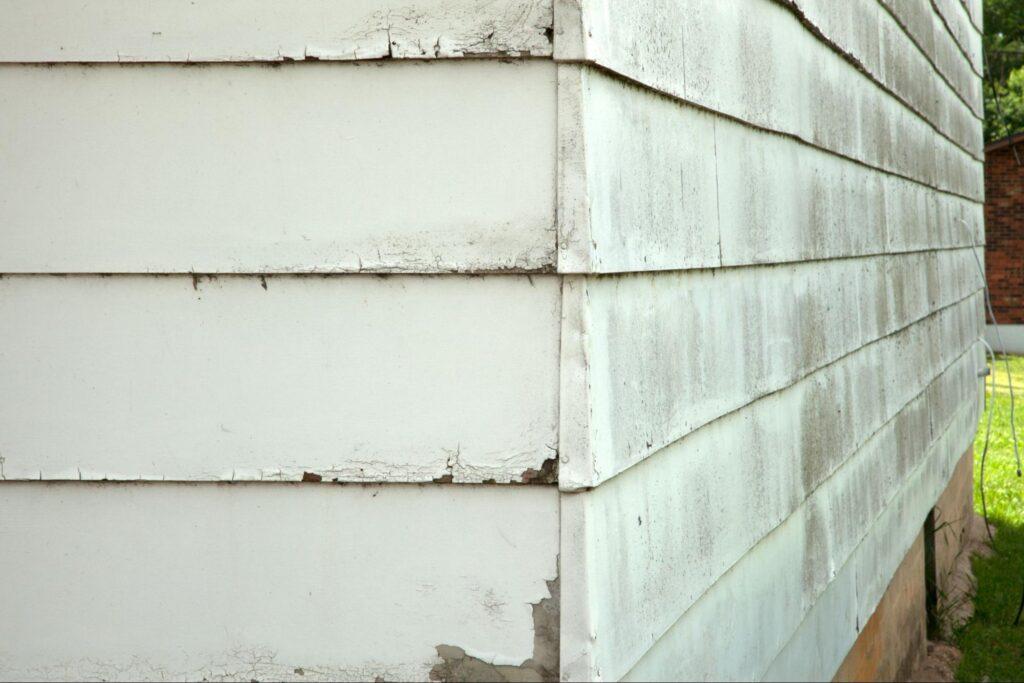
Siding plays a crucial role in protecting your home from the elements while also enhancing its aesthetic appeal. Over time, however, siding can deteriorate, leading to various issues such as decreased energy efficiency and compromised structural integrity.

Siding replacement is a significant investment but one that can significantly improve your home’s value, curb appeal, and energy efficiency. In this comprehensive guide, we’ll explore everything you need to know about siding replacement, including:

  • Signs that indicate it’s time for an upgrade to
  • Questions to ask your contractor before starting the project
  • How to make a budget
  • Steps in the replacement process

Signs That You Need Siding Replacement

show casing a house need siding replacement

Noticing these signs in your home’s exterior? It may be time for a siding replacement.

  • Visible Damage: Cracks, warping, or rotting are clear signs that your siding needs attention. These issues compromise the siding’s ability to protect your home from moisture and can lead to further damage if left unaddressed.
  • Increased Energy Bills: If you notice a spike in your energy bills, it could be due to inefficient siding allowing heat or cool air to escape from your home.
  • Mold or Mildew Growth: Mold and mildew thrive in moist environments, and damaged siding can provide the perfect breeding ground. If you spot mold or mildew on your siding, it’s time for a replacement.
  • Faded or Peeling Paint: Peeling or faded paint is not just an aesthetic issue; it’s also a sign that your siding is no longer adequately protecting your home.
  • Warping or Buckling: Siding that is visibly warped or buckling is likely past its prime and needs to be replaced before it causes further damage.

Things to Consider When Replacing Your Siding

Replacing siding is a huge undertaking. Before you contact a contractor, it’s a good idea to do some research into the following:

  • Material: There are various siding materials available, including vinyl, wood, fiber cement, and metal. Each has its pros and cons in terms of durability, maintenance, and aesthetics.
  • Style: Consider the architectural style of your home and choose siding that complements its design. Whether you prefer a traditional look or a more modern aesthetic, there’s a siding style to suit your preferences.
  • Climate: Take your climate into account when selecting siding materials. For example, in areas with high humidity or frequent rain, moisture-resistant materials like vinyl or fiber cement may be more suitable.
  • Budget: Determine your budget for the project, including the cost of materials, labor, and any additional expenses such as permits or repairs.

10 Steps in the Siding Replacement Process

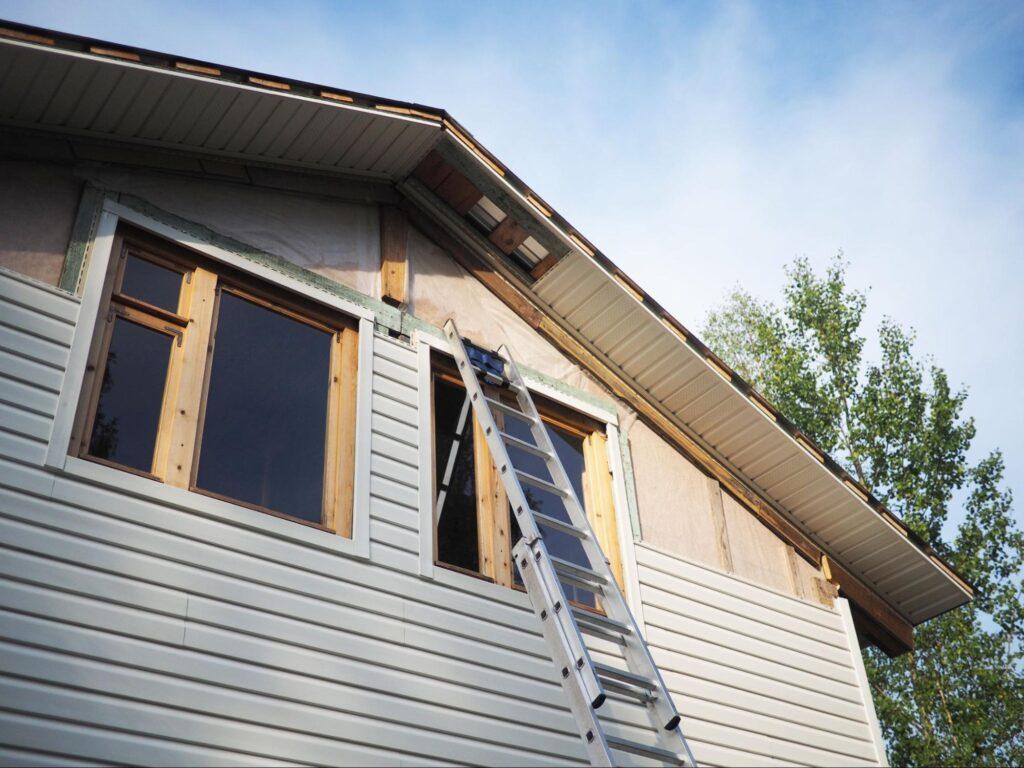
installing siding on a house

Replacing your home’s siding involves a series of steps to ensure a smooth and successful project. Here’s an overview of what to expect during the siding replacement process:

1) Initial Inspection:

The first step is to conduct a thorough inspection of your existing siding to assess its condition and identify any underlying issues that need to be addressed. This includes checking for signs of damage, rot, mold, or structural problems.

2) Selecting Materials:

Once the inspection is complete, you’ll need to choose the type of siding material you want to use for your replacement. Consider factors such as durability, maintenance requirements, aesthetics, and budget when making your selection.

3) Preparing the Site:

Before installation can begin, the area around your home will need to be prepared. This may involve removing any obstacles or landscaping features that could interfere with the siding installation process.

4) Removing Old Siding:

The next step is to remove the existing siding from your home. Depending on the type of siding and its condition, this may require careful dismantling or outright removal. Special care will be taken to avoid damaging the underlying structure or insulation.

5) Repairing Substrate:

With the old siding removed, any damaged or deteriorated substrate will need to be repaired or replaced. This may involve patching holes, replacing rotted wood, or reinforcing the framing as needed to ensure a solid foundation for the new siding.

6) Installing Moisture Barrier:

Before installing the new siding, a moisture barrier or house wrap will be applied to the exterior walls. This helps prevent water infiltration and moisture buildup, which can lead to mold, rot, and other issues.

7) Siding Installation:

With the preparation work complete, the new siding can be installed according to the manufacturer’s instructions. This involves carefully fitting each piece of siding into place, securing it to the wall, and ensuring proper alignment and spacing.

8) Sealing and Flashing:

To ensure a watertight seal and protect against moisture intrusion, special attention will be given to sealing joints, corners, and around windows and doors. Flashing may also be installed to redirect water away from vulnerable areas.

9) Finishing Touches:

Once the siding is installed, any necessary finishing touches will be made, such as installing trim, caulking seams, and painting or staining the siding as desired.

10) Final Inspection:

Before considering the project complete, a final inspection will be conducted to ensure that the siding has been installed correctly and meets quality standards. Any remaining issues will be addressed before the project is officially completed.

By following these steps and working with experienced professionals, you can ensure a successful siding replacement project that enhances the beauty, durability, and energy efficiency of your home for years to come.

How to Make a Budget for Your Siding Replacement

Planning a budget in advance can help alleviate stress. Here are a few tips:

  • Research Costs: Research the average costs of siding materials and installation in your area to get an idea of how much you can expect to spend.
  • Get Multiple Quotes: Obtain quotes from several reputable contractors to compare prices and services.
  • Factor in Additional Costs: Don’t forget to budget for any additional expenses such as permits, repairs, or upgrades.
  • Consider Long-Term Savings: While high-quality siding may have a higher upfront cost, it can save you money in the long run by increasing energy efficiency and reducing maintenance expenses.

Different Siding Options

Choosing your siding material is a hugely important decision. Below, we’ve compiled some of the most popular options:

Vinyl Siding:

Vinyl siding is affordable, low-maintenance, and available in a wide range of colors and styles. It’s resistant to rot, insects, and fading, making it a popular choice for homeowners.

Wood Siding:

Wood siding offers a natural, timeless look and can be painted or stained to match your preferences. However, it requires more maintenance than other materials and is susceptible to rot and insect damage.

Fiber Cement Siding:

Fiber cement siding is durable, fire-resistant, and available in various textures that mimic the look of wood or stucco. It’s low-maintenance and resistant to rot, insects, and extreme weather conditions.

Metal Siding:

Metal siding, such as aluminum or steel, is durable, fire-resistant, and requires minimal maintenance. It’s available in a range of finishes and can give your home a sleek, modern look.

How New Siding Adds Value to Your Home

Sure, adding new siding can be expensive. But it can add value to your home, in the long run.

  • Improved Curb Appeal: New siding can instantly enhance your home’s curb appeal, making it more attractive to potential buyers.
  • Increased Energy Efficiency: High-quality siding with proper insulation can improve your home’s energy efficiency, leading to lower heating and cooling costs.
  • Enhanced Protection: New siding provides better protection against moisture, pests, and other environmental elements, preserving the integrity of your home’s structure.
  • Higher Resale Value: Investing in new siding can increase your home’s resale value, allowing you to recoup a significant portion of your investment when selling.

How Siding Improves Your Energy Efficiency

Still nervous about the cost? A quality siding installation can actually save money, by making your home more energy efficient.

  • Insulation: Siding with built-in insulation or added insulation during installation helps regulate indoor temperatures, reducing the need for heating and cooling.
  • Air Sealing: Properly installed siding creates a tight seal around your home, preventing drafts and air leakage that can contribute to energy loss.
  • Reflective Properties: Some siding materials, such as light-colored vinyl or metal, have reflective properties that help deflect heat from the sun, keeping your home cooler in the summer.
  • Moisture Control: Moisture-resistant siding prevents water infiltration, which can lead to mold growth and structural damage. By keeping moisture out, siding contributes to a healthier indoor environment and prevents energy loss due to dampness.

Questions to Ask Your Contractor Before Your Siding Replacement

Your contractor can make or break your siding installation. Here are some questions you should ask to ensure a smooth installation process.

Are You Licensed and Insured?

Ensure that your contractor is licensed to perform the work in your area and has adequate insurance coverage to protect you against liability.

What Experience Do You Have?

Ask about the contractor’s experience with siding replacement and any certifications or training they have in the field.

Can You Provide References?

Request references from past clients and follow up to get feedback on their experience working with the contractor.

What is the Timeline for the Project?

Get a clear timeline for the project, including start and completion dates, to ensure it fits your schedule.

What is the Warranty Coverage?

Inquire about the warranty coverage for both materials and labor to understand what is included and for how long.

How Will You Handle Permits and Inspections?

Make sure the contractor will obtain any necessary permits and arrange for inspections as required by local building codes.

What is the Payment Schedule?

Clarify the payment schedule and make sure it aligns with the progress of the project, with a portion of the payment withheld until the work is completed to your satisfaction.

Get The Facts You Need

Siding replacement is a significant investment in your home’s appearance, durability, and energy efficiency. By paying attention to signs that indicate your siding needs attention, carefully considering your options, and working with a reputable contractor, you can ensure a successful siding replacement project that enhances your home’s value and comfort for years to come. Whether you opt for vinyl, wood, fiber cement, or metal siding, the benefits of a fresh exterior are undeniable, making it a worthwhile investment for any homeowner.

Got questions? Contact Open Box Roofing to get the answers you deserve. 

Choosing the right siding for your home is a crucial decision. It not only affects the aesthetic appeal of your property but also plays a significant role in its durability and maintenance requirements. Among the plethora of siding options available, two popular choices are engineered wood siding and fiber cement siding.

But when it comes to engineered wood siding vs. fiber cement, which one is the best choice for your home? We’re here to break it down in this guide, delving into the:

What is Engineered Wood Siding?

close view of engineered wood siding

Engineered wood siding, also known as composite wood siding, is a manufactured product made from wood strands, fibers, or particles bonded together with adhesives and resins. This type of siding mimics the appearance of traditional wood siding but offers improved durability and resistance to decay, insects, and moisture. It’s available in various styles, including clapboard, shingle, and panel designs, providing homeowners with versatile options to suit their preferences.

Pros of Engineered Wood Siding:

  • Aesthetic Appeal: Engineered wood siding replicates the natural beauty of wood, offering an authentic and timeless look to your home’s exterior.
  • Durability: Unlike traditional wood siding, engineered wood is less susceptible to rot, decay, and insect damage, thanks to its manufacturing process and protective coatings.
  • Cost-Effective: Engineered wood siding typically costs less than fiber cement and natural wood siding options, making it an attractive choice for budget-conscious homeowners.
  • Easy Installation: Engineered wood siding is lightweight and easy to install, reducing labor costs and installation time compared to heavier materials like fiber cement.
  • Low Maintenance: With minimal upkeep requirements, engineered wood siding can be cleaned with soap and water, eliminating the need for costly maintenance tasks.

Cons of Engineered Wood Siding

  • Moisture Sensitivity: While engineered wood siding is more resistant to moisture than natural wood, it can still swell or warp if exposed to prolonged moisture, requiring proper sealing and maintenance.
  • Susceptibility to Impact Damage: Unlike fiber cement, engineered wood siding is more prone to denting or chipping from impacts such as hail or flying debris.
  • Limited Longevity: Although engineered wood siding offers decent durability, it may not last as long as fiber cement or other premium siding materials, potentially requiring replacement sooner.

What is Fiber Cement Siding?

close of fiber cement siding

Fiber cement siding is a composite material composed of cement, sand, and cellulose fibers. It’s renowned for its exceptional durability, resistance to fire, pests, and rot, making it a popular choice among homeowners seeking a low-maintenance and long-lasting siding option. Fiber cement siding is available in various textures and styles, including lap siding, vertical panels, and shingles, providing versatility in design options.

Pros of Fiber Cement Siding:

  • Exceptional Durability: Fiber cement siding is highly durable and resistant to damage from pests, fire, moisture, and extreme weather conditions, offering long-term protection for your home.
  • Low Maintenance: With minimal maintenance requirements, fiber cement siding does not require painting as frequently as wood siding and can be cleaned with soap and water, reducing maintenance costs over time.
  • Versatility in Design: Fiber cement siding comes in a wide range of textures, colors, and styles, allowing homeowners to achieve their desired aesthetic while benefiting from the durability of the material.
  • Longevity: Fiber cement siding is known for its longevity, with many manufacturers offering warranties ranging from 25 to 50 years, providing peace of mind for homeowners.

Cons of Fiber Cement Siding:

  • Higher Cost: Fiber cement siding tends to be more expensive than engineered wood and vinyl siding options, primarily due to its superior durability and longevity.
  • Heavyweight: Fiber cement siding is heavier than engineered wood and may require additional structural support during installation, increasing labor and installation costs.
  • Professional Installation Required: Due to its weight and specialized installation requirements, fiber cement siding should be installed by experienced professionals, adding to the overall project cost.

Cost Difference Between Engineered Wood Siding and Fiber Cement

When comparing the cost of engineered wood siding and fiber cement siding, several factors come into play, including material costs, installation expenses, and long-term maintenance requirements. On average, fiber cement siding tends to be more expensive upfront due to its superior durability and longevity. However, engineered wood siding may offer cost savings in terms of installation and maintenance over time.

The cost of engineered wood siding typically ranges from $5 to $10 per square foot, including materials and installation. In contrast, fiber cement siding averages between $8 to $12 per square foot, making it a pricier option upfront. Additionally, the complexity of the installation, the size of the project, and any additional features or customization can impact the overall cost of both siding options.

Which One Lasts Longer: Engineered Wood Siding or Fiber Cement?

When it comes to longevity, fiber cement siding has a slight edge over engineered wood siding. Fiber cement siding is renowned for its exceptional durability and resistance to damage from pests, fire, moisture, and extreme weather conditions. Many manufacturers offer warranties ranging from 25 to 50 years for fiber cement siding, providing homeowners with peace of mind and long-term protection for their investment.

On the other hand, while engineered wood siding offers decent durability and resistance to decay, it may not last as long as fiber cement siding. Engineered wood siding is more susceptible to moisture damage, impact damage, and general wear and tear over time, potentially requiring replacement or repair sooner than fiber cement siding. However, with proper maintenance and care, engineered wood siding can still provide reliable performance and aesthetic appeal for many years.

How to Choose the Right Siding for Your Home

Choosing the right siding for your home involves considering various factors, including your budget, aesthetic preferences, climate, maintenance requirements, and long-term durability. Here are some key considerations to help you make an informed decision:

  • Budget: Determine your budget for the siding project, including material costs, installation expenses, and long-term maintenance requirements. Compare the costs of engineered wood siding and fiber cement siding to determine which option best fits your budget.
  • Aesthetic Preferences: Consider the architectural style of your home and your aesthetic preferences when choosing siding materials, colors, and textures. Both engineered wood siding and fiber cement siding offer versatile design options to complement various home styles.
  • Climate and Environmental Factors: Take into account the climate and environmental conditions in your area, including exposure to moisture, extreme temperatures, and potential impact damage. Choose siding materials that offer adequate protection and resistance to weather-related damage.
  • Durability and Longevity: Evaluate the durability and longevity of different siding materials based on manufacturer warranties, material composition, and resistance to pests, fire, moisture, and other environmental factors. Consider the expected lifespan of the siding and weigh the long-term value of your investment.
  • Maintenance Requirements: Assess the maintenance requirements of each siding option, including cleaning, painting, sealing, and repair. Choose siding materials that offer low maintenance requirements and long-term durability to minimize upkeep costs and efforts.
  • Professional Installation: Factor in the cost and expertise required for professional installation of the siding materials. While some homeowners may opt for DIY installation, complex siding projects, such as fiber cement siding, may require professional installation to ensure proper fit, performance, and warranty coverage.

When to Replace Your Siding:

Knowing when to replace your siding is essential for maintaining the integrity and curb appeal of your home. Several signs indicate that it may be time to replace your siding, including:

Visible Damage:

Inspect your siding for signs of damage, such as cracks, warping, rot, decay, or insect infestation. Damaged siding can compromise the structural integrity of your home and lead to further issues if not addressed promptly.

Fading or Peeling Paint:

If your siding is showing signs of fading, peeling paint, or discoloration, it may be time for a refresh. Repainting or replacing the siding can enhance the aesthetic appeal of your home and protect it from further damage.

Increased Energy Bills:

Poorly insulated or damaged siding can result in energy loss and higher utility bills. If you notice a significant increase in energy costs or drafts inside your home, consider replacing your siding with more energy-efficient materials.

Mold or Mildew Growth:

Excessive moisture or humidity can lead to mold or mildew growth on your siding, indicating a potential moisture problem. Addressing the underlying cause of moisture intrusion and replacing damaged siding can prevent further mold-related issues.

Age of Siding:

Consider the age of your siding and its expected lifespan when determining whether to replace it. While some siding materials may last for decades with proper maintenance, others may deteriorate more quickly and require replacement sooner.

Get the Right Siding Material for Your Home

Choosing between engineered wood siding and fiber cement siding involves weighing the pros and cons of each option, considering factors such as cost, durability, maintenance requirements, and aesthetic preferences. Both siding materials offer unique advantages and can enhance the curb appeal and value of your home when installed properly.

Contact the Open Box team to get a professional siding consultation for your home!

In the world of home exteriors, durability is key. One material that has risen to prominence for its durability and versatility is Hardie board siding. But just how long does Hardie board last?

In this comprehensive guide, we’ll explore everything you need to know about Hardie board siding, including:

  • Its composition
  • Pros and cons
  • Cost
  • Longevity
  • Tips to extend its lifespan
  • The various siding styles available

Keep reading to learn all about Hardie siding installation!

What is Hardie Board Siding?

Hardie board siding, also known as fiber cement siding, is a composite material made from a combination of cement, sand, and cellulose fibers. This combination results in a durable, weather-resistant product that mimics the look of traditional wood siding without its inherent vulnerabilities to rot, pests, and fire.

James Hardie, an Australian building materials company, pioneered the development of fiber cement siding in the 1980s, and it has since become a popular choice for homeowners and builders alike.

Pros and Cons of Hardie Board Siding

hardie board siding close view

Before delving into its longevity, let’s examine the pros and cons of Hardie board siding:

✅ Pros:

  • Durability: Hardie board siding is exceptionally durable, capable of withstanding harsh weather conditions, including extreme temperatures, high winds, and heavy rainfall.
  • Low Maintenance: Unlike wood siding, Hardie board requires minimal maintenance. It doesn’t rot, warp, or crack, and it’s resistant to insects and pests.
  • Fire Resistance: Hardie board siding is non-combustible, making it a safer choice for homes located in fire-prone areas.
  • Versatility: It comes in a variety of textures, styles, and colors, allowing homeowners to achieve their desired aesthetic.
  • Longevity: With proper installation and maintenance, Hardie board siding can last for several decades, making it a sound investment for homeowners.

❌ Cons:

  • Initial Cost: Hardie board siding tends to have a higher upfront cost compared to some other siding materials, such as vinyl or wood.
  • Installation Complexity: Proper installation of Hardie board siding requires specialized skills and tools, which can increase labor costs.
  • Weight: Fiber cement siding is heavier than vinyl or wood, necessitating careful consideration of structural support during installation.
  • Paint Maintenance: While Hardie board siding comes pre-finished with a durable paint, it may require occasional repainting over time to maintain its appearance.

The Cost of Hardie Board Siding

The cost of Hardie board siding varies depending on several factors, including the size of the project, the style and texture chosen, and labor costs in your area. On average, homeowners can expect to pay between $8 and $12 per square foot for materials and installation. While this initial investment may be higher than some alternatives, the long-term durability and minimal maintenance requirements of Hardie board siding can result in cost savings over time.

How Long Does Hardie Board Siding Last?

One of the most significant advantages of Hardie board siding is its longevity. When installed and maintained properly, Hardie board siding can last for 30 to 50 years or more. Its durable composition resists rot, decay, insect damage, and fading, ensuring that your home remains protected and visually appealing for decades.

4 Factors That Affect Longevity

Several factors can influence the lifespan of Hardie board siding:

1) Proper Installation:

Correct installation techniques are crucial for maximizing the lifespan of Hardie board siding. Improperly installed siding may be prone to moisture infiltration, which can lead to premature deterioration.

2) Climate:

Homes located in regions with extreme weather conditions, such as high humidity or frequent freeze-thaw cycles, may experience accelerated wear and tear on exterior materials, including Hardie board siding.

3) Maintenance:

While Hardie board siding is low maintenance compared to wood siding, regular cleaning and inspection are still necessary to ensure its longevity. Removing dirt, debris, and mold growth promptly can help prevent damage and prolong the lifespan of the siding.

4) Paint Protection:

If your Hardie board siding is painted, choosing high-quality, fade-resistant paint and performing periodic touch-ups or repainting can help protect the siding from UV damage and maintain its appearance over time.

How to Extend the Lifespan of Hardie Board Siding

To maximize the lifespan of your Hardie board siding, consider implementing the following maintenance practices:

  • Regular Cleaning: Wash the siding with a mild detergent and water solution at least once a year to remove dirt, grime, and mold buildup.
  • Inspect for Damage: Periodically inspect the siding for signs of damage, such as cracks, chips, or loose boards. Address any issues promptly to prevent moisture infiltration and further deterioration.
  • Trim Vegetation: Trim back trees, shrubs, and other vegetation near the siding to prevent moisture retention and minimize the risk of insect infestations.
  • Maintain Caulking and Sealants: Check the caulking and sealants around windows, doors, and other penetrations regularly. Repair or replace any damaged or deteriorated caulking to maintain a watertight seal.
  • Repaint as Needed: If your Hardie board siding is painted, monitor the condition of the paint and repaint as necessary to protect the siding from UV exposure and maintain its appearance.

Different Siding Styles Available

Hardie board siding is available in a variety of styles and textures, allowing homeowners to customize the look of their homes to suit their preferences. Some popular styles include:

HardiePlank Lap Siding:

This classic style mimics the appearance of traditional wood clapboard siding and is available in smooth, textured, or beaded profiles.

HardiePanel Vertical Siding:

Ideal for contemporary or modern homes, vertical siding offers a sleek, minimalist aesthetic and is available in smooth or textured finishes.

HardieShingle Siding:

Designed to replicate the look of cedar shingles, this style adds texture and dimension to the exterior of your home.

HardieTrim Boards:

These trim boards complement Hardie board siding and are available in various profiles, including smooth and rustic grain textures.

James Hardie Siding Experts

one sample project of james hardie siding experts

In the realm of exterior siding options, Hardie board siding stands out for its exceptional durability, low maintenance requirements, and versatility. With a lifespan of 30 to 50 years or more, Hardie board siding offers long-term value and peace of mind for homeowners. By following proper installation techniques and implementing regular maintenance practices, you can ensure that your Hardie board siding remains a durable and attractive investment for decades to come.

Contact Open Box Roofing today to learn why we recommend James Hardie Siding for your home siding!

When it comes to exterior siding options for your home, two popular choices often come to mind: Hardie board and vinyl siding. Both have their own unique features, advantages, and disadvantages, making the decision between them a crucial one for homeowners.

In this blog post, we’ll take your through:

  • What Hardie board and vinyl siding are
  • Their pros and cons
  • A cost and longevity comparison
  • Tips on choosing the right one for your home
  • How to find a qualified contractor for your siding replacement project

Keep reading to get all the information on Hardie board vs. vinyl siding.

What is Hardie Board Siding?

Hardie board siding, also known as fiber cement siding, is a durable and versatile building material made from a combination of cement, sand, and cellulose fibers. Developed by James Hardie Industries, it’s known for its resilience against:

  • Harsh weather conditions
  • Fire resistance
  • Low maintenance requirements

Hardie board siding comes in a variety of styles, textures, and colors, allowing homeowners to achieve the desired aesthetic for their homes, whether it’s a classic clapboard look or a more modern design.

What is Vinyl Siding?

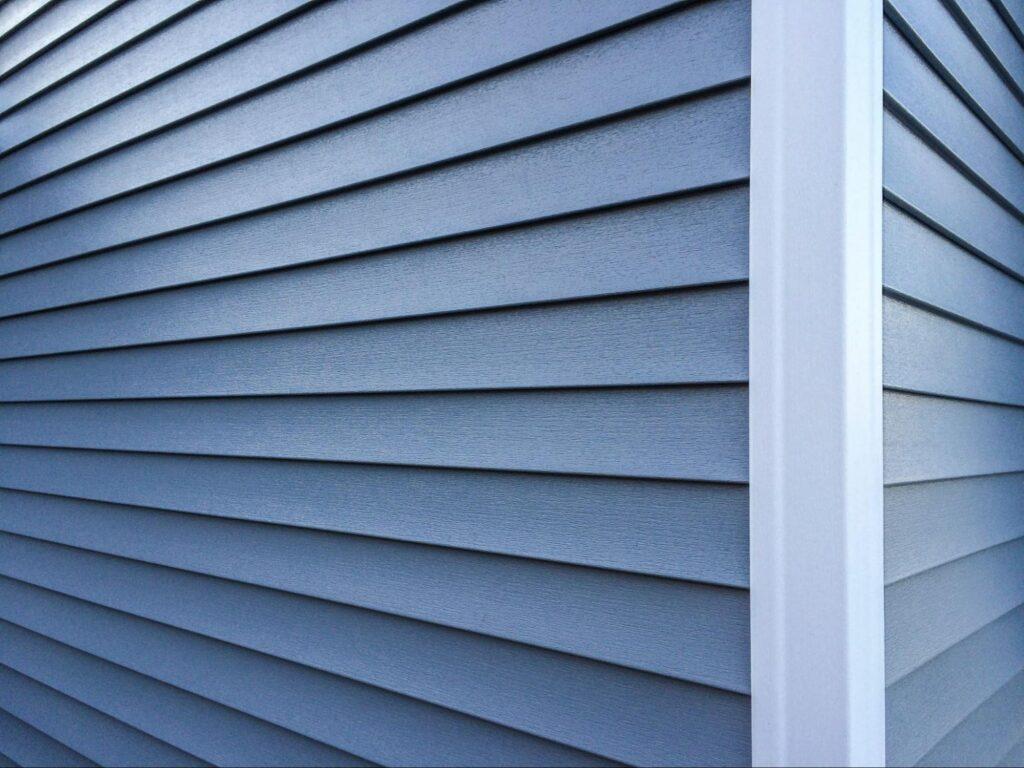
exterior vinyl siding

Vinyl siding is made from polyvinyl chloride (PVC) resin and is one of the most popular choices for residential siding due to its affordability and ease of installation. It typically comes in long panels that interlock horizontally, creating a seamless appearance. Vinyl siding is available in a wide range of colors and styles, including:

  • Traditional clapboard
  • Dutch lap
  • Board and batten

This provides homeowners with ample options to suit their preferences.

Comparing Hardie Board vs. Vinyl Siding

When it comes to choosing the right siding materials for your home, it is important to weight all of the pros and cons.

✅ Pros of Hardie Board:

  • Durability: Hardie board siding is highly durable and resistant to rot, insects, and harsh weather conditions, making it a long-lasting option for homeowners.
  • Fire Resistance: Unlike vinyl siding, which is flammable, Hardie board siding offers excellent fire resistance, providing added safety and peace of mind.
  • Aesthetic Versatility: With a variety of styles, textures, and colors available, Hardie board siding allows homeowners to achieve their desired aesthetic while maintaining durability and functionality.

❌ Cons of Hardie Board:

  • Higher Cost: Hardie board siding tends to be more expensive upfront compared to vinyl siding, making it a significant investment for homeowners.
  • Installation Complexity: Installing Hardie board siding requires specialized tools and expertise, which can increase installation costs and complexity compared to vinyl siding.
  • Maintenance Requirements: While Hardie board siding is low maintenance compared to other materials like wood, it still requires periodic painting or resealing to maintain its appearance and protect against moisture damage.

Pros of Vinyl Siding:

  • Affordability: Vinyl siding is one of the most cost-effective siding options available, making it ideal for budget-conscious homeowners.
  • Low Maintenance: Vinyl siding is virtually maintenance-free, requiring only occasional cleaning with soap and water to keep it looking its best.
  • Easy Installation: Vinyl siding is lightweight and easy to install, reducing labor costs and installation time compared to other siding materials like Hardie board.

Cons of Vinyl Siding:

  • Susceptibility to Damage: While durable, vinyl siding can be susceptible to damage from impacts, extreme temperatures, and high winds, potentially requiring repairs or replacement.
  • Limited Aesthetic Options: While there are many color and style options available for vinyl siding, it may not offer the same level of customization and authenticity as materials like Hardie board.
  • Environmental Concerns: Vinyl siding is made from PVC, which raises environmental concerns due to its production process and potential for off-gassing.

Cost Comparison

In terms of upfront costs, vinyl siding is generally more affordable than Hardie board siding. On average, vinyl siding costs between $3 to $7 per square foot installed, whereas Hardie board siding typically ranges from $5 to $10 per square foot installed. However, it’s essential to consider long-term costs and factors such as maintenance, repairs, and longevity when comparing the overall value of each siding option.

Longevity Comparison

Both Hardie board and vinyl siding are durable materials designed to withstand the elements and provide long-lasting protection for your home.

Hardie board siding is known for its exceptional durability and can last upwards of 30 to 50 years with proper maintenance. On the other hand, vinyl siding typically has a shorter lifespan of around 20 to 30 years but requires minimal maintenance to keep it looking its best.

Ultimately, the longevity of your siding will depend on factors such as climate, maintenance practices, and exposure to environmental elements.

How to Choose the Right Siding for Your Home: 5 Considerations

When deciding between Hardie board and vinyl siding for your home, consider the following factors:

1) Budget:

Determine your budget and weigh the upfront costs of each siding option against long-term expenses such as maintenance and repairs.

2) Aesthetic Preferences:

Consider the architectural style of your home and choose a siding material that complements its design aesthetic and enhances curb appeal.

3) Climate and Environmental Factors:

Take into account your local climate, including temperature extremes, humidity levels, and exposure to wind and moisture, and choose a siding material that can withstand these conditions.

4) Maintenance Requirements:

Evaluate your willingness to invest time and effort into maintaining your siding, including tasks such as painting, cleaning, and repairs.

5) Warranty and Guarantees:

Research the warranties and guarantees offered by manufacturers for both Hardie board and vinyl siding to ensure you’re protected against defects and premature wear.

How to Find a Qualified Contractor for Your Siding Replacement

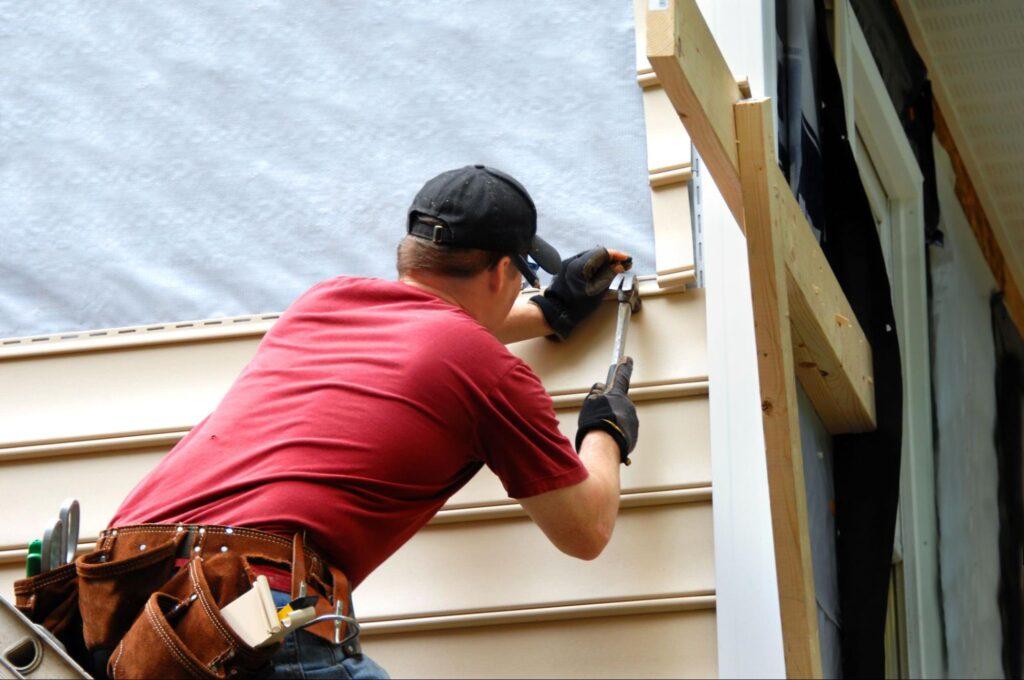
a contactor installing siding

When hiring a contractor to install or replace your siding, follow these steps to find a qualified professional:

  • Research Local Contractors: Look for reputable siding contractors in your area by asking for recommendations from friends, family, or neighbors, or by searching online directories and review websites.
  • Check Credentials: Verify that the contractor is licensed, bonded, and insured to perform siding installation in your area and has experience working with the type of siding you’ve chosen.
  • Request Multiple Quotes: Obtain written estimates from multiple contractors, comparing prices, services offered, and warranty coverage to ensure you’re getting the best value for your investment.
  • Ask for References: Request references from past clients and follow up with them to inquire about their experience working with the contractor, the quality of the workmanship, and any issues encountered.
  • Review Contracts Carefully: Before signing any contracts, carefully review the terms and conditions, including payment schedules, project timelines, and warranty details, and clarify any questions or concerns with the contractor.

Work With a James Hardie Siding Pro!

Both Hardie board and vinyl siding offer unique benefits and considerations for homeowners seeking to enhance the appearance, durability, and value of their homes. By weighing the pros and cons of each siding option, considering factors such as cost, longevity, and aesthetic preferences, and hiring a qualified contractor for installation, you can make an informed decision that meets your needs and exceeds your expectations for years to come.

Contact Open Box Roofing to get all the information you need to choose between fiber cement and vinyl siding. 

The exterior of your home is the first statement you make to the world about your personal style. In the search for durability and aesthetic appeal, James Hardie siding has emerged as a major player in the home improvement arena. Recognized for its resilience and a delightful array of color options, it stands as a top choice for contractors and homeowners alike.

In this detailed blog post, we’re going to dissect:

  • What James Hardie siding is
  • Why it’s a prevalent choice among contractors
  • The various types available
  • The most popular color choices
  • When it’s time to replace your siding
  • The installation costs
  • The longevity of this revered material

How much does James Hardie siding cost? Keep reading to get the answers you need!

What is James Hardie?

A Brief Introduction to the Brand

James Hardie Industries is a world-leader in fiber cement technology providing advanced building products that deliver durability, beauty, and protection. Their siding is engineered with specific performance attributes relative to the climate where a home is located, making it adaptable and reliable.

James Hardie’s siding comes in a range of styles and textures, providing the appearance and warmth of wood with the superior strength and low maintenance of fiber cement. This innovative material offers unmatched resistance against the elements, pests, and fire, securing a space in the hearts of all who appreciate a sturdy yet sophisticated home exterior.

Why Contractors Love James Hardie

Exceptional Quality and Support

  • Durability and Weather Resistance: James Hardie siding is designed to withstand severe weather, from blistering heat to sub-zero temperatures, making it ideal for a variety of climates.
  • Low Maintenance: Once installed, it requires minimal upkeep beyond cleaning and occasional repainting if necessary, saving time and resources for both homeowners and contractors.
  • Aesthetic Appeal: With an extensive palette of colors and styles, James Hardie siding satisfies a broad range of tastes, ensuring that contractors can meet the design preferences of their clients.
  • Excellent Warranty: The brand offers a strong warranty that assures long-term contentment and fewer issues down the line, which contractors appreciate.

Types of James Hardie Siding

From Planks to Panels and Shingles

  • HardiePlank® Lap Siding: This is James Hardie’s best-selling product that provides a timeless design and a traditional appearance.
  • HardiePanel® Vertical Siding: For a contemporary or board-and-batten look, this vertical siding is a perfect choice.
  • HardieShingle® Siding: Get the look of cedar shingles with less maintenance for a classic American home.

The 6 Most Popular James Hardie Siding Colors

On your house-hunting tours, you have probably noticed certain shades that repeatedly catch your eye. Here are the crowd-pleasers that are flying off James Hardie’s color charts:

1) Autumn Tan:

A gentle, neutral that blends well with natural surroundings.

2) Boothbay Blue:

A calm and soothing blue, reminiscent of serene coastal views.

3) Cobble Stone:

An adaptable mid-tone beige that pairs well with stone accents.

4) Evening Blue:

A bold and dramatic statement for those wishing to stand out.

5) Iron Gray:

A stark, modern look that makes an impact without leaning towards the dark side.

6) Pearl Gray:

A soft, light gray that offers a contemporary, minimalist aesthetic.

Each color in James Hardie’s ColorPlus® Technology finishes comes prefinished, delivering consistent, long-lasting color that helps turn a house into a home with character and style.

When to Replace Your Siding

replacing a house siding with james hardie siding

Recognizing the Signs for a Fresh Start

It’s crucial to know when it’s time to strip away the old to make room for the new. Look out for signs such as:

  • Warped or rotting boards
  • Bubbling or blistering paint
  • Water stains inside your home
  • Frequent need for paint touch-ups

If you’ve observed these symptoms, then it may be time to consider James Hardie siding for your home’s protection and revamp.

The Cost to Install James Hardie Siding

Investment and Value Balance

Installing James Hardie siding is seen as a solid investment. Cost factors include:

  • The size of your home
  • The type of James Hardie siding
  • Geographical location
  • Labor costs in your area

For an accurate estimate, it’s best to contact professional contractors who specialize in James Hardie siding installations. While it might not be the cheapest option on the market, its durability and long lifespan often make it the most cost-effective choice.

How Long James Hardie Siding Lasts

James Hardie siding is renowned for its ability to stand the test of time. With proper installation and minimal maintenance, it can last up to 30 years or more. The ColorPlus® Technology also adds to its longevity, as the finish is applied in a controlled factory setting, which resists fading and stands up against weather elements better than typical exterior paint.

Choose Hardie Board Siding Installation for Your Home’s Exterior

james hardie board siding installation on a house

Aesthetics, durability, cost-effectiveness, and an array of styles make James Hardie siding a smart choice for anyone looking to upgrade their home’s exterior. It’s an exceptional contender in the siding market, one that continues to win the admiration of contractors and homeowners with its innovative approach to home exteriors.

Ready to install Hardie board siding on your home? Open Box can help! Contact us today to learn about our siding replacement services. 

Asset 500
Asset 60
Don’t Think, Just Call Pink!
Request a Free Quote

Ready to get started? Contact OpenBox Roofing today to schedule your free inspection and discover how our residential roofing services can protect your home.

Name
Asset 5 2