Our Roofing Blog

Stay up to date on the latest roofing tips, trends, and insights from the experts at OpenBox Roofing. Our blog covers everything from seasonal maintenance to choosing the right materials for your home.

Whether you’re researching a new roof, learning about repairs, or exploring sustainability options, our articles make roofing information easy to understand.

Asset 1 7
Featured Article

3 Qualities to Look for When Hiring a James Hardie Siding Contractor

about us hoodie 150x150 1
Posted By: Openbox Roofing
Here at Open Box Roofing, we strongly believe that our customers deserve nothing less than the best. That’s why we’re proud to be a part of the James Hardie Contractor Alliance Program. James Hardie siding is on more than 8 million homes across North America because it’s the best fiber cement siding product on the market, […]
Asset 17

In today’s world, energy efficiency isn’t just a trend—it’s a necessity. With rising energy costs and increasing environmental concerns, homeowners are seeking ways to make their homes more energy-efficient. One of the most impactful areas to focus on is your roof.

Our guide will walk you through everything you need to know about roof energy efficiency, from:

  • The benefits
  • Types of energy-efficient roofing materials
  • Installation tips
  • Maintenance strategies

Why Energy-Efficient Roofs Matter

When you think of eco-friendly lifestyle changes, you probably don’t think about your roof as one of them. However, your roof can make a huge difference in the overall energy efficiency of your home!

  • Cost Savings: One of the most immediate benefits of an energy-efficient roof is the potential for cost savings. By reducing the amount of heat that enters or escapes your home, these roofs can significantly lower your heating and cooling bills. Over time, these savings can offset the initial investment in energy-efficient materials.
  • Environmental Impact: Energy-efficient roofs contribute to a reduction in greenhouse gas emissions by decreasing the amount of energy needed to heat or cool your home. This is a crucial step in combating climate change and reducing your carbon footprint.
  • Improved Comfort: An energy-efficient roof helps maintain a consistent indoor temperature, making your home more comfortable year-round. You’ll experience fewer hot spots in the summer and cold drafts in the winter, creating a more pleasant living environment.

How to Improve Your Existing Roof’s Energy Efficiency: 3 Tips

Improving the energy efficiency of your existing roof can be achieved through several cost-effective measures:

1) Add a Reflective Coating:

  • Decreases heat absorption by reflecting more sunlight
  • Reduces cooling costs

2) Ensure Attic Insulation:

  • Minimizes heat transfer between the interior of your home and the outside environment

3) Improve Roof Ventilation:

  • Regulates temperature
  • Prevents moisture buildup, which can degrade roofing materials and reduce energy efficiency

By taking these steps, you can boost the energy efficiency of your existing roof without the need for significant investment.

Types of Energy-Efficient Roofing Materials
metal roof

Looking to boost your roof’s energy efficiency? Consider these roofing materials!

Cool Roofs

Cool roofs are designed to reflect more sunlight and absorb less heat than standard roofs. They are typically made from highly reflective materials like white coatings, reflective shingles, or metal. Cool roofs can reduce cooling costs by up to 15%.

Metal Roofs

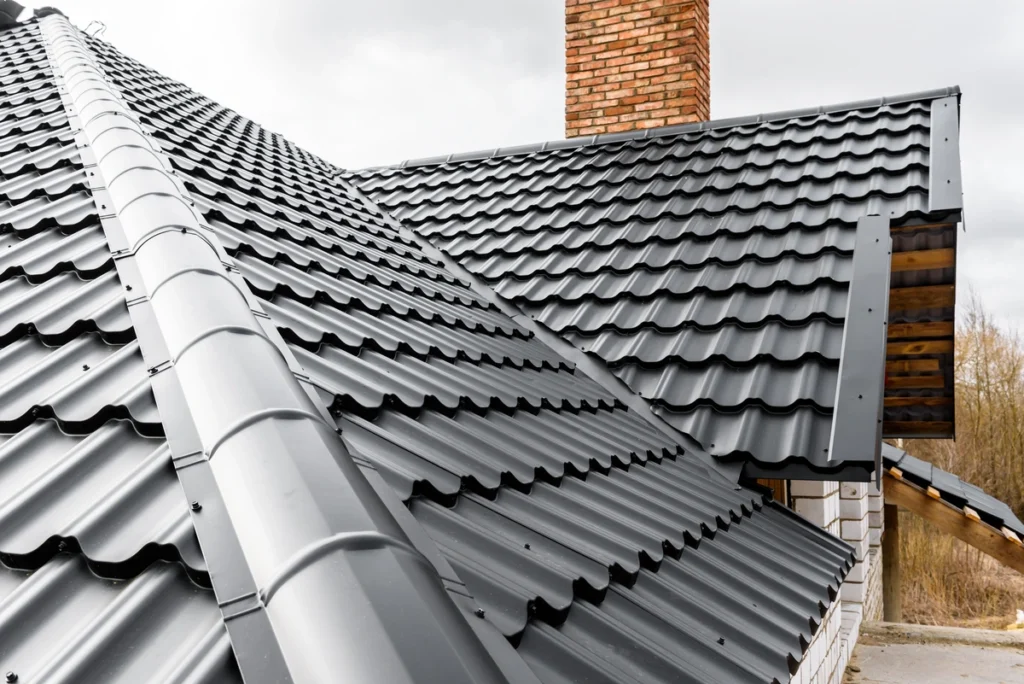
Metal roofs are highly reflective and can be coated with special paint to enhance their energy efficiency. They are durable, long-lasting, and recyclable, making them an eco-friendly choice. Metal roofs can reflect up to 70% of solar radiation, significantly reducing cooling costs.

Tile Roofs

Clay and concrete tiles are naturally reflective and can be enhanced with reflective coatings to improve their energy efficiency. These materials are also excellent insulators, helping to keep your home cooler in the summer and warmer in the winter.

Green Roofs

Green roofs, or living roofs, are covered with vegetation and soil. They provide excellent insulation, reduce heat absorption, and improve air quality. While they require more maintenance, green roofs offer significant energy savings and environmental benefits.

Asphalt Shingles

While traditional asphalt shingles are not the most energy-efficient option, newer versions with reflective coatings can improve their performance. Look for Energy Star-rated asphalt shingles to ensure you’re getting the most energy-efficient option available.

Factors to Consider When Choosing Energy-Efficient Roofing

If you’re switching to a more energy efficient roof, you’ll want to keep these factors in mind:

  • Climate: Your local climate plays a significant role in determining the best energy-efficient roofing material for your home. For example, cool roofs are ideal for hot climates, while insulated materials like tile or green roofs are better suited for colder regions.
  • Roof Pitch: The pitch or slope of your roof can impact its energy efficiency. Steeper roofs tend to reflect more sunlight and can benefit from reflective materials, while flatter roofs might be better suited for green roofs or other insulating options.
  • Color: The color of your roofing material can affect its energy efficiency. Lighter colors reflect more sunlight, reducing heat absorption, while darker colors absorb more heat. Choose a color that complements your home’s aesthetic while maximizing energy efficiency.
  • Installation: Proper installation is crucial for achieving the maximum energy efficiency from your roof. Ensure that your roofing contractor is experienced with the specific materials you’ve chosen and follows best practices for installation.

Installation Tips for Energy-Efficient Roofs
installing solar panels

If you’re doing a full roof replacement, you don’t want to go into it blind! Here are our expert tips for making the process feel smooth and effective.

Hire a Qualified Contractor

Select a contractor who specializes in energy-efficient roofing materials and has a proven track record of successful installations. Check references, read reviews, and verify certifications to ensure you’re hiring a reputable professional.

Proper Insulation

Even the most energy-efficient roofing materials won’t perform well without proper insulation. Ensure that your attic and roof are adequately insulated to prevent heat transfer and maximize energy savings.

Ventilation

Good ventilation is essential for maintaining the efficiency of your roof. Proper ventilation helps regulate temperature, reduce moisture buildup, and prevent damage to your roofing materials.

Reflective Coatings

If you’re installing a roof that isn’t inherently reflective, consider adding a reflective coating to improve its energy efficiency. These coatings can be applied to existing roofs and can significantly reduce heat absorption.

Maintaining Your Energy-Efficient Roof

Once you’ve installed an energy-efficient roof, the best way to KEEP it energy efficient is through consistent maintenance, including:

  • Regular Inspections: Schedule regular inspections to identify and address any issues with your roof. Look for signs of wear and tear, damage, or leaks that could compromise its energy efficiency.
  • Cleaning: Keep your roof clean and free of debris to maintain its reflective properties. Dirt, leaves, and other debris can reduce the effectiveness of reflective coatings and lead to energy loss.
  • Repairs: Address any repairs promptly to prevent minor issues from becoming major problems. Small leaks or damaged areas can significantly impact the overall energy efficiency of your roof.
  • Re-sealing: For roofs with reflective coatings, re-sealing may be necessary every few years to maintain their effectiveness. Consult with your roofing contractor to determine the best schedule for re-sealing based on your specific materials.

The Future of Roof Energy Efficiency

Want to be on the cutting edge of eco-friendly technology? Look into these ultra modern roofing options:

Solar Roofing

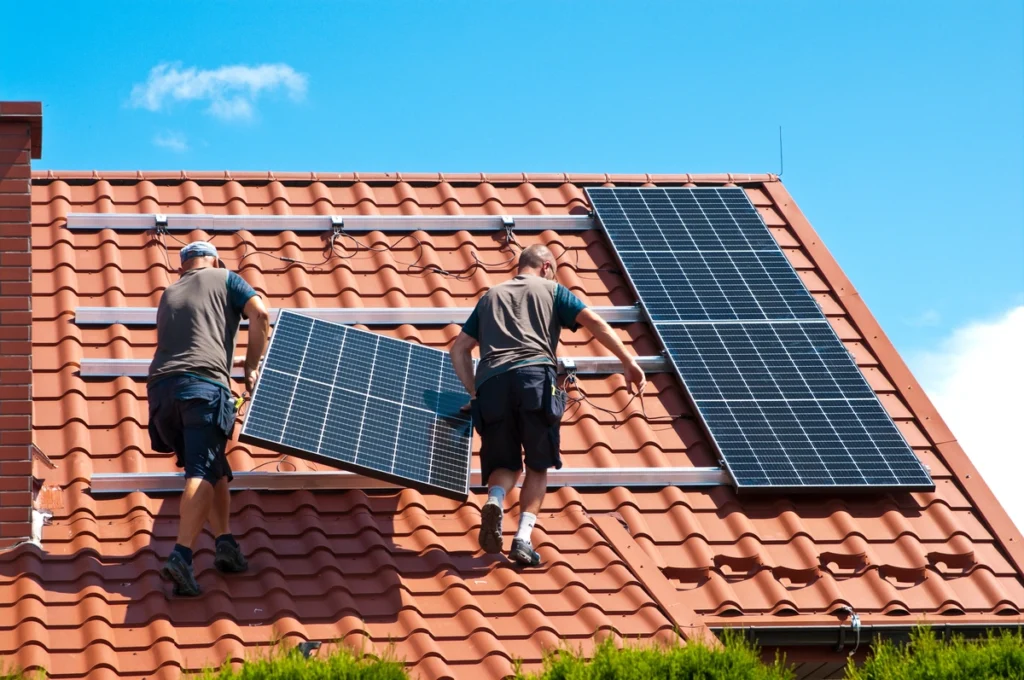
Solar roofing is an exciting development in the world of energy-efficient roofs. These roofs integrate solar panels directly into the roofing material, allowing homeowners to generate their electricity and reduce reliance on the grid. While the initial investment can be high, the long-term energy savings and potential incentives make solar roofing an attractive option for eco-conscious homeowners.

Smart Roofs

Smart roofs utilize advanced technologies to optimize energy efficiency. These roofs can include features like temperature sensors, automated ventilation, and integrated solar panels. By continuously monitoring and adjusting to changing conditions, smart roofs provide maximum energy savings and comfort.

Advanced Insulation Materials

Innovations in insulation materials are continually improving the energy efficiency of roofs. New materials like aerogel, phase-change materials, and vacuum-insulated panels offer superior thermal performance and can significantly reduce energy costs.

Government Incentives and Regulations

Many governments offer incentives and rebates for homeowners who invest in energy-efficient roofing. Additionally, building codes and regulations are increasingly prioritizing energy efficiency, making it more accessible and affordable for homeowners to make the switch.

We Make Your Roof Energy Efficient

Investing in an energy-efficient roof is a smart decision for homeowners looking to reduce energy costs, enhance comfort, and minimize their environmental impact.

If you’re ready to make a switch for the better, contact Open Box Roofing today to discuss your options and start your journey toward a more energy-efficient home. Your wallet—and the planet—will thank you!
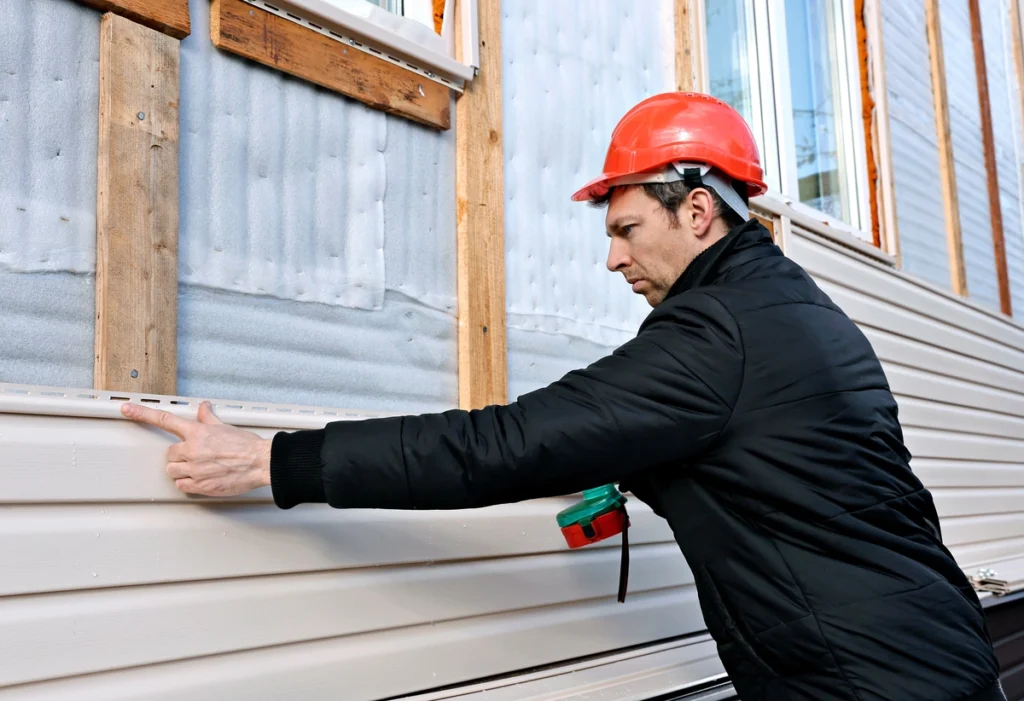
Water-damaged siding can be a nightmare for homeowners, but with the right knowledge and tools, you can tackle this common problem head-on.

Want to learn how to repair water damaged siding? Today’s guide is designed to walk you through everything you need to know about:

  • Identifying
  • Repairing
  • Preventing water damage to your home’s siding

Whether you’re a seasoned DIY enthusiast or a first-time homeowner, this guide will equip you with the skills required to keep your siding in top shape.

Learning About Your Water-Damaged Siding

water stained siding

Water damage is one of the most prevalent issues affecting home exteriors. When siding is compromised by moisture, it can lead to a host of problems, including mold growth, wood rot, and structural damage. Left unchecked, these issues can escalate, posing significant risks to your home’s integrity and value.

Signs of Water-Damaged Siding

Before you can repair water-damaged siding, you need to know what to look for. Here are some common signs:

  • Warped or Buckled Panels: Moisture can cause siding materials to warp or buckle.
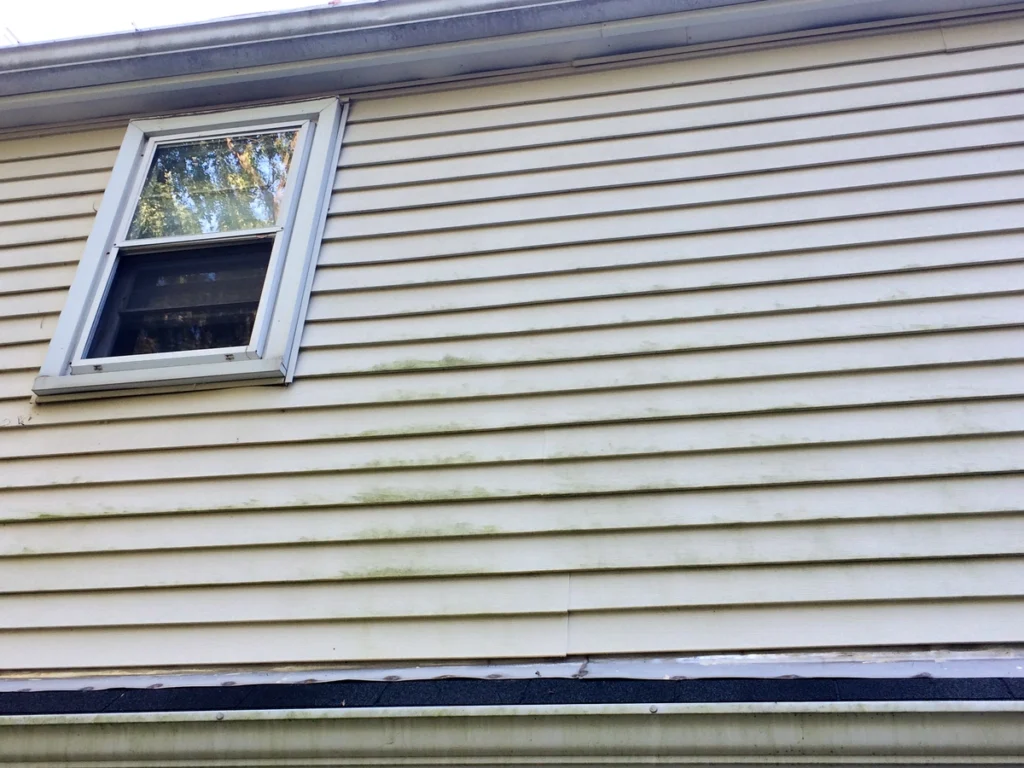
  • Discoloration: Stains or discoloration, especially around seams or joints, often indicate water infiltration.
  • Soft or Crumbling Wood: If you have wood siding, feel for soft spots or crumbling sections, which are telltale signs of rot.
  • Peeling Paint: Paint that’s bubbling or peeling away from the siding can be a sign of underlying water issues.
  • Mold or Mildew: The presence of mold or mildew on or near siding is a strong indicator of moisture problems.

Why It’s Important to Address Water Damage Promptly

Ignoring water damage can lead to more severe problems down the road. Here’s why timely repairs are crucial:

  • Prevent Structural Damage: Water can seep into your home’s framework, causing significant structural issues over time.
  • Avoid Mold and Mildew: Mold and mildew not only damage your home but can also pose health risks to your family.
  • Maintain Curb Appeal: Damaged siding diminishes your home’s aesthetic appeal, impacting its overall value.
  • Cost Savings: Addressing small issues early can prevent costly repairs in the future.

Tools and Materials You’ll Need

Before you start, gather all necessary tools and materials. Here’s a checklist to ensure you’re prepared:

Tools

  • Pry bar
  • Hammer
  • Utility knife
  • Circular saw
  • Tape measure
  • Level
  • Caulking gun
  • Paintbrush
  • Safety gear (gloves, goggles, mask)

Materials

  • Replacement siding panels
  • Nails or screws
  • Waterproof barrier (house wrap)
  • Caulk
  • Paint or stain (if applicable)
  • Wood filler (for minor wood repairs)
  • Primer (for wood siding)

8 Step Guide to Repairing Water-Damaged Siding

installing siding

Take care of your siding the way the pros do, by following these simple 8 steps

Step 1: Inspect the Damage

Begin by thoroughly inspecting the affected area. Assess the extent of the damage to determine whether you need to replace just a few panels or an entire section of siding.

Step 2: Remove the Damaged Siding

Carefully remove the damaged siding panels. Use a pry bar to gently lift the panels away from the wall. If the siding is nailed, a hammer may be needed to remove the nails. Be cautious not to damage the surrounding panels.

Step 3: Inspect and Repair the Underlying Structure

Once the damaged siding is removed, inspect the underlying structure for any signs of water damage. Look for rot, mold, or mildew. If you find any, you’ll need to address these issues before proceeding. This may involve replacing damaged sheathing or treating moldy areas with a suitable cleaner.

Step 4: Install a Waterproof Barrier

To prevent future water damage, install a waterproof barrier such as house wrap over the exposed sheathing. This barrier will help protect your home’s structure from moisture infiltration.

Step 5: Cut and Fit Replacement Siding

Measure the area where the new siding will be installed. Use a circular saw to cut the replacement siding panels to the correct size. Ensure that the panels fit snugly but allow for a small gap to accommodate expansion and contraction.

Step 6: Secure the New Siding

Position the new siding panels in place and secure them using nails or screws. Ensure that the fasteners are properly driven into the studs for a secure hold. Use a level to ensure the panels are straight and even.

Step 7: Seal the Joints

Apply a bead of caulk along the seams and joints of the new siding. This will help prevent moisture from seeping behind the panels. Smooth the caulk with a caulking tool or your finger for a clean finish.

Step 8: Paint or Stain (if applicable)

If your siding requires painting or staining, apply a coat of primer first (for wood siding). Once the primer is dry, apply the paint or stain according to the manufacturer’s instructions. This will provide an additional layer of protection against the elements.

Preventing Future Water Damage

Now that you’ve repaired your siding, it’s essential to take steps to prevent future water damage. Here are some tips:

Regular Inspections

Conduct regular inspections of your siding, especially after severe weather. Look for any signs of damage or wear and address them promptly.

Maintain Gutters and Downspouts

Ensure that your gutters and downspouts are clean and functioning correctly. Properly directing water away from your home’s foundation will help prevent moisture buildup.

Trim Vegetation

Keep trees, shrubs, and other vegetation trimmed away from your siding. Overhanging branches can trap moisture against your home’s exterior, leading to potential damage.

Proper Ventilation

Ensure your home has proper ventilation to reduce humidity levels. This includes attic vents, soffit vents, and proper bathroom and kitchen exhaust fans.

Addressing Leaks

If you notice any leaks in your home’s exterior, such as around windows or doors, address them immediately. Applying caulk or weatherstripping can help seal gaps and prevent water infiltration.

Your Local Siding Experts

Repairing water-damaged siding is a critical task that every homeowner should be prepared to tackle. Timely repairs not only maintain your home’s structural integrity but also preserve its beauty and value. And with regular maintenance and preventive measures, you can keep your siding looking great for years to come.

However, sometimes the best thing you can do for your home’s exterior is to call on the help of an experienced professional. Contact Open Box Roofing to get the siding expertise you deserve! 


A front door is more than just an entryway; it’s a statement piece that sets the tone for your home’s aesthetic. Among the various materials available, wood has long been cherished for its :

  • Warmth
  • Beauty
  • Versatility

Keep reading, as we delve into the history, pros and cons, durability, maintenance, signs of damage, replacement considerations, and alternatives to wood front doors.

History of Wood Front Doors

Wood has been used for doors since ancient times, dating back to the earliest civilizations. The choice of wood for front doors was driven not only by its availability but also by its natural durability and aesthetic appeal. Throughout history, different cultures developed unique styles and techniques for crafting wooden doors, often embellished with intricate carvings and ornate designs that reflected the status and taste of the homeowner.

In Europe, during the medieval period, castle doors were made from sturdy oak or other hardwoods, designed not only for security but also to make a grand architectural statement. In Asia, particularly in countries like China and Japan, traditional wooden doors often featured symbolic motifs and were crafted using joinery techniques that emphasized craftsmanship and longevity.

Pros and Cons of Wood Front Doors

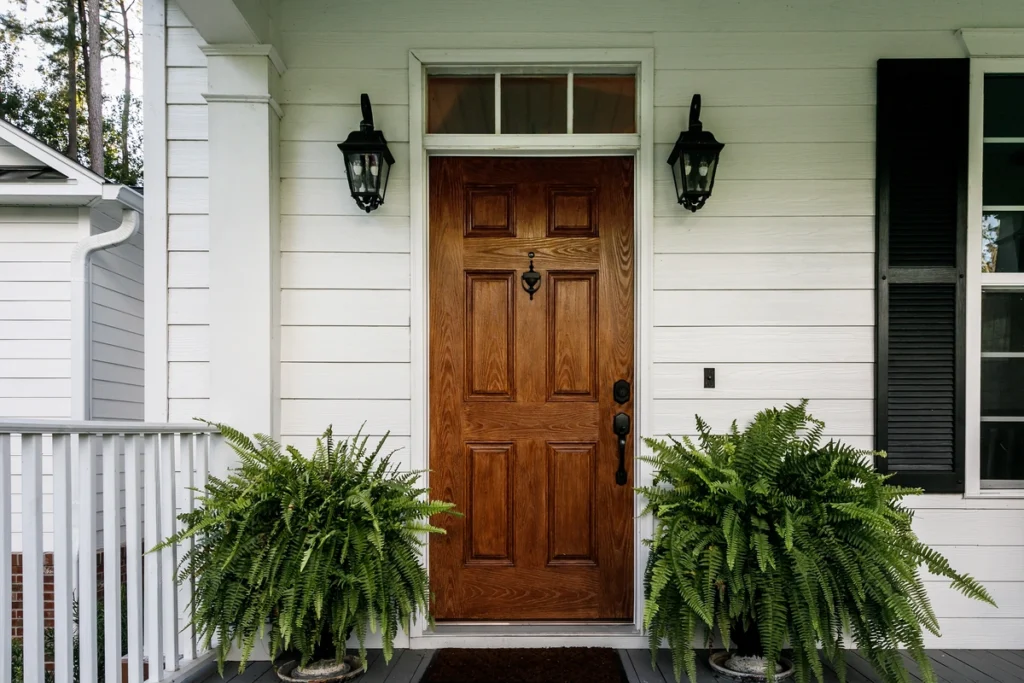
wooden front door and ferns

Wooden doors are a timeless choice, but are they the best one for you? Check out our list of pros and cons to find out!

Pros:

  • Aesthetic Appeal: Wood doors offer a natural, timeless beauty that enhances the curb appeal of any home.
  • Versatility: Available in various wood species, finishes, and styles to complement different architectural designs.
  • Insulation: Wood has natural insulating properties, helping to regulate indoor temperature and reduce energy costs.
  • Customization: Easily customizable with different stains, paints, and hardware to match personal preferences.
  • Durability: High-quality wood doors can be extremely durable and long-lasting with proper care and maintenance.

Cons:

  • Maintenance: Requires regular maintenance such as painting or staining to protect against weathering and moisture.
  • Cost: Generally more expensive than doors made from other materials like steel or fiberglass.
  • Susceptibility to Elements: Without proper finishing and upkeep, wood doors can warp, crack, or rot over time.
  • Security Concerns: Some types of wood may be less secure than steel or fiberglass doors.
  • Environmental Impact: Depending on the source, wood doors may have environmental implications related to deforestation.

How Long Does a Wood Front Door Last?

The lifespan of a wood front door depends on various factors including the quality of the wood, the climate it’s exposed to, and the level of maintenance it receives. High-quality hardwood doors that are properly cared for can last for decades, even up to a century. Regular maintenance such as resealing, repainting, and addressing minor issues promptly can significantly extend the lifespan of a wood door.

Signs of Damage to Your Wooden Front Door

Recognizing signs of damage early can prevent more extensive issues and prolong the life of your wood front door. Here are common signs to watch for:

  • Cracks or Splits: Especially along joints or where the wood is exposed to weather.
  • Peeling or Flaking Finish: Indicates the protective coating is failing.
  • Water Damage: Warping, swelling, or soft spots are signs of moisture infiltration.
  • Difficulty Operating: Sticking, jamming, or gaps when closing indicate structural issues.
  • Pest Infestation: Holes or tunnels in the wood may indicate insect damage.

When to Replace Your Front Door

Knowing when to replace your wood front door is crucial for maintaining security, energy efficiency, and aesthetics. Consider replacement if:

  • Severe Damage: Extensive rot, cracks, or warping that compromise the door’s integrity.
  • Energy Inefficiency: Poor insulation or drafts despite maintenance efforts.
  • Security Concerns: A compromised door that no longer provides adequate protection.
  • Aesthetic Reasons: When the door no longer complements the home’s appearance or style.

Alternatives to Wood Front Doors

While wood front doors have enduring popularity, several alternative materials offer distinct advantages:

Fiberglass Doors:

  • Pros: Low maintenance, excellent insulation, can mimic the look of wood.
  • Cons: Limited design flexibility, may lack the natural aesthetic of wood.

Steel Doors:

  • Pros: Strong security, low maintenance, durable.
  • Cons: Susceptible to dents, may not have the warmth of wood.

Aluminum Doors:

  • Pros: Lightweight, resistant to corrosion, modern aesthetic options.
  • Cons: Less insulation, may not suit traditional home styles.

Composite Doors:

  • Pros: Combines wood fibers and resins for durability, insulation, and aesthetic appeal.
  • Cons: Costlier than some alternatives, may have limited design options.

Your Expert on Exterior Doors

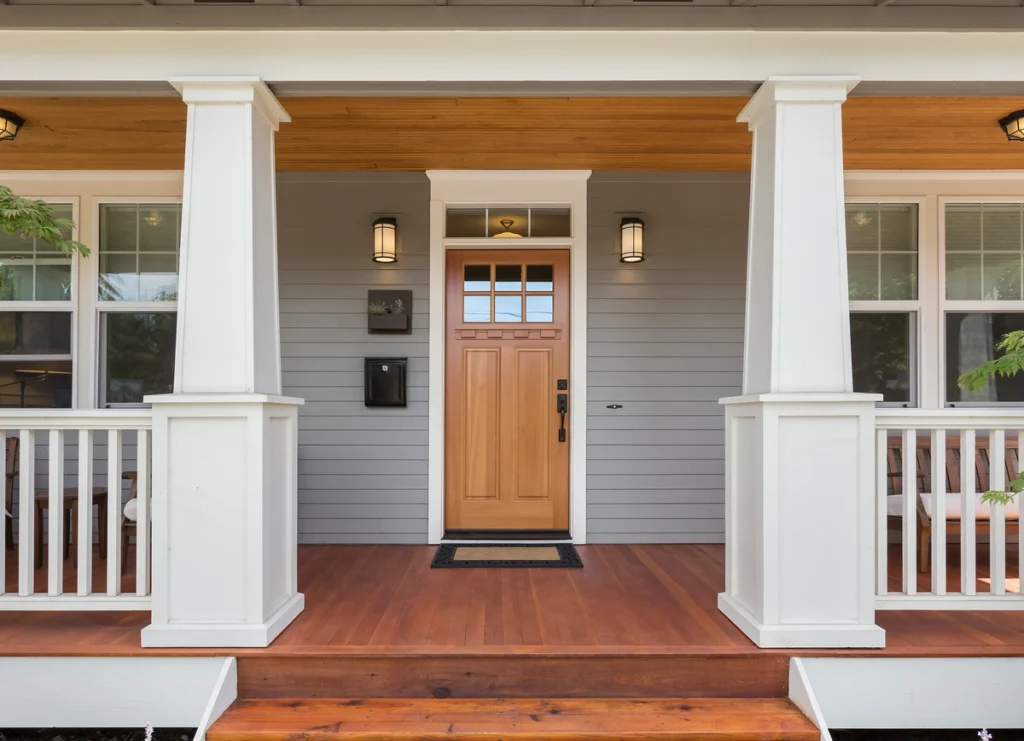
wooden door gray siding

Choosing a front door involves balancing aesthetic preferences, maintenance considerations, and practical needs such as security and insulation. Wood front doors remain a popular choice for those who value natural beauty and craftsmanship, despite requiring more upkeep than some alternatives. By understanding the history, pros and cons, lifespan expectations, maintenance needs, and signs of damage, homeowners can make informed decisions to ensure their front door remains both functional and inviting for years to come.

Whether opting for the timeless elegance of wood or exploring modern alternatives, the front door continues to be a focal point that welcomes visitors and reflects the character of the home within. Make yours a statement with the help of Open Box Roofing!

When it comes to renovating or upgrading your home, one of the most impactful changes you can make is to replace your exterior doors. Among the options available, a prehung exterior door stands out for its convenience and efficiency.

In this blog, we’ll talk you through:

  • What prehung exterior doors are
  • Their advantages and disadvantages
  • Cost considerations compared to regular doors
  • Tips on choosing the right style
  • Signs that indicate it’s time for a replacement

What is a Prehung Exterior Door?

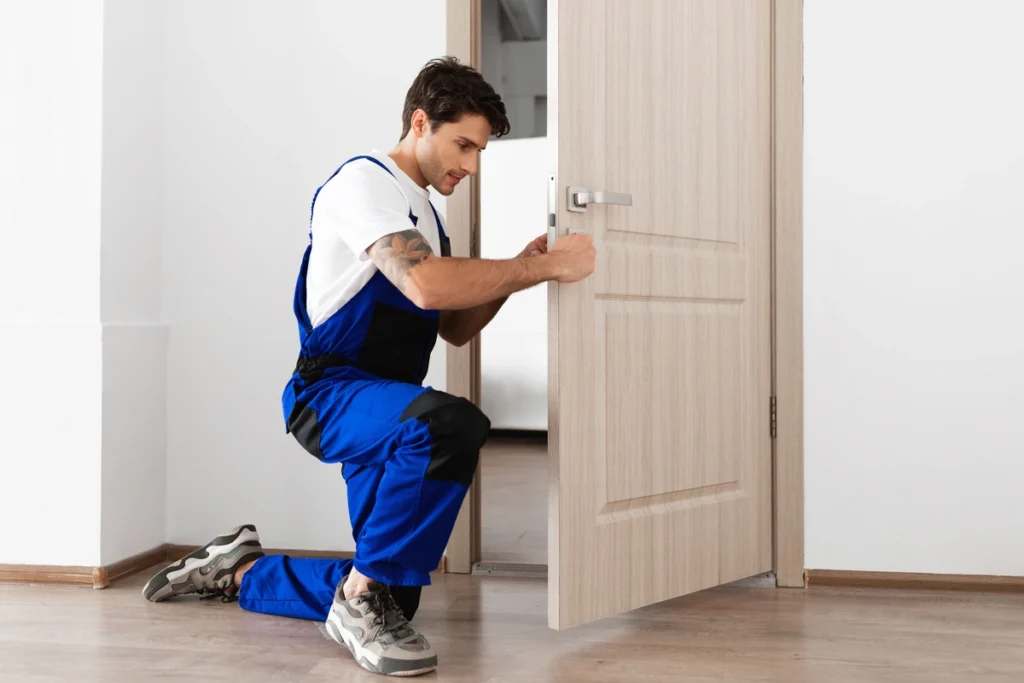
guy installing a door

A prehung exterior door is a complete unit that includes both the door slab and the frame, pre-assembled and hinged within a sturdy door frame. This assembly is typically ready for installation directly into a rough opening in your home’s exterior wall. Unlike slab doors that are sold without frames, prehung doors simplify the installation process by providing a fully aligned and ready-to-install unit.

The door frame of a prehung unit is usually equipped with hinges attached to the door slab, ensuring proper alignment and operation. Additionally, weatherstripping and insulation are often included to enhance energy efficiency and weather resistance.

Pros and Cons of Prehung Exterior Doors

Prehung doors aren’t for everyone. But in order to decide whether or not they are for you, it’s important to weigh the pros and cons:

✅ Pros:

  • Ease of Installation: Installing a prehung door is generally easier and quicker compared to hanging a door slab into an existing frame. This is particularly beneficial for DIY enthusiasts looking to upgrade their homes without extensive construction experience.
  • Improved Fit and Function: Prehung doors are factory-built to precise measurements, ensuring a snug fit within the opening. This reduces the risk of drafts and improves energy efficiency.
  • Comprehensive Design: The inclusion of a door frame, weatherstripping, and sometimes even threshold components ensures a more complete solution for weather resistance and security.
  • Design Options: Available in various styles, materials, and finishes, prehung exterior doors offer flexibility to match different architectural designs and personal preferences.
  • Potential Cost Savings: While initial costs may vary, the ease of installation can potentially save on labor costs if you’re hiring a professional.

❌ Cons:

  • Limited Adjustability: The prehung frame’s dimensions are fixed, which may pose challenges if your rough opening isn’t perfectly square or plumb. Adjustments may require more effort compared to a slab door.
  • Transportation and Handling: Due to their assembled nature, prehung doors can be heavier and bulkier to transport and maneuver, especially for single individuals or in tight spaces.
  • Cost Variability: Depending on the material, design, and features, prehung doors can sometimes be more expensive upfront than purchasing a door slab alone.

Cost of Prehung Exterior Door vs. Regular Door

When considering the cost of a prehung exterior door versus a regular door, several factors come into play:

  • Initial Purchase Cost: A prehung door typically includes the door slab, frame, hinges, and often weatherstripping. This upfront cost may be higher than purchasing just a door slab.
  • Installation Costs: While prehung doors can be easier to install, hiring a professional installer may incur additional costs compared to hanging a door slab.
  • Long-Term Savings: Improved energy efficiency and durability may lead to long-term savings on heating and cooling bills and maintenance costs.
  • Material and Design Options: Both prehung and regular doors come in various materials (wood, fiberglass, steel) and designs, with different price points depending on quality and features.

In general, while a prehung door may have a higher initial cost, its ease of installation and potential long-term savings can make it a worthwhile investment for many homeowners.

Choosing the Right Style of Prehung Exterior Door

Selecting the right style of prehung exterior door involves considering several key factors:

Material:

Choose between wood, fiberglass, or steel based on your preference for aesthetics, durability, and maintenance requirements.

Design:

Consider the architectural style of your home. Classic panel designs, modern flush doors, or decorative glass inserts can enhance curb appeal and complement your home’s exterior.

Security Features:

Look for features like reinforced cores, multi-point locking systems, and impact-resistant materials for enhanced security.

Energy Efficiency:

Opt for doors with energy-efficient cores, insulated glass panels, and weatherstripping to reduce heat loss and improve comfort indoors.

Maintenance:

Evaluate the upkeep required for different materials. Fiberglass and steel doors typically require less maintenance than wood doors, which may need periodic staining or painting.

Budget:

Balance your preferences with your budget, considering not just the initial purchase price but also long-term maintenance and energy costs.

Signs That You Need a New Exterior Door

Recognizing when it’s time to replace your exterior door can help prevent energy loss, enhance security, and improve your home’s aesthetics:

  • Drafts or Air Leaks: If you feel drafts or notice air leaks around the edges of your door, it could indicate worn weatherstripping or poor fit.
  • Visible Damage: Cracks, dents, or warping in the door itself or the frame can compromise security and insulation.
  • Difficulty Operating: Doors that stick, sag, or don’t latch properly may be signs of structural issues or wear.
  • Increased Energy Bills: Poorly insulated doors can contribute to higher heating and cooling costs.
  • Outdated Appearance: A worn or outdated door can detract from your home’s curb appeal and overall aesthetic.
  • Security Concerns: Doors that are damaged or have inadequate locks may pose a security risk.

Get Your Exterior Doors Replaced With Open Box

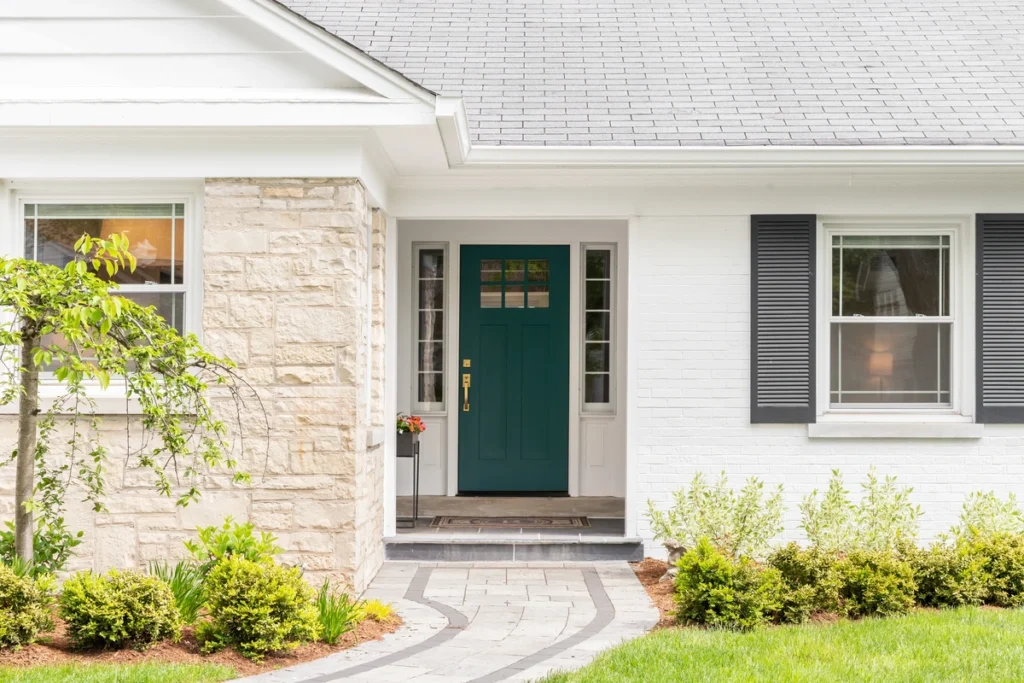
green front door

Choosing a prehung exterior door involves balancing considerations of convenience, cost, aesthetics, and functionality. While they may come at a higher initial cost compared to regular doors, the ease of installation and potential long-term benefits often make prehung doors a preferred choice for homeowners looking to upgrade their homes’ entrances.

If you notice any signs that indicate your current exterior door needs replacement, taking action promptly can improve comfort, security, and energy efficiency for years to come. Contact Open Box Roofing for service that you can trust year round!

Your front door is not just an entryway; it’s a statement piece, a guardian of your home’s security, and a key factor in its overall curb appeal. Over time, wear and tear can diminish its functionality and aesthetics, prompting the need for a replacement. But how do you know when it’s time for a change? What are the benefits of replacing your front door, and how much will it cost you?

In this detailed guide, we’ll answer all of those questions and more, including:

  • Recognizing signs that it’s time for a front door replacement
  • Exploring different types of door
  • A front door replacement cost guide

Signs That You Need to Replace Your Front Door

Eventually, all doors need to be replaced. Here are some signs that yours might be one of them:

  • Visible Damage: Cracks, warping, or rotting are clear indicators that your front door has seen better days. Not only do these damages compromise your home’s security, but they also detract from its aesthetic appeal.
  • Difficulty in Operation: If your front door sticks, creaks, or refuses to close properly, it’s a sign of underlying issues with the structure or alignment. Ignoring these problems can lead to further damage and security risks.
  • Energy Inefficiency: Drafts around your front door or increased energy bills could signal poor insulation or sealant degradation. Upgrading to a more energy-efficient door can help lower your utility costs and improve comfort indoors.
  • Outdated Appearance: A faded, outdated front door can detract from your home’s overall curb appeal. As one of the first things visitors notice, your front door sets the tone for the rest of the house. A modern, stylish replacement can instantly refresh your home’s exterior.
  • Security Concerns: An old or flimsy front door is an invitation to burglars. If you have concerns about the security of your home, investing in a sturdier, more secure door is essential for your peace of mind.

The Benefits of Front Door Replacement

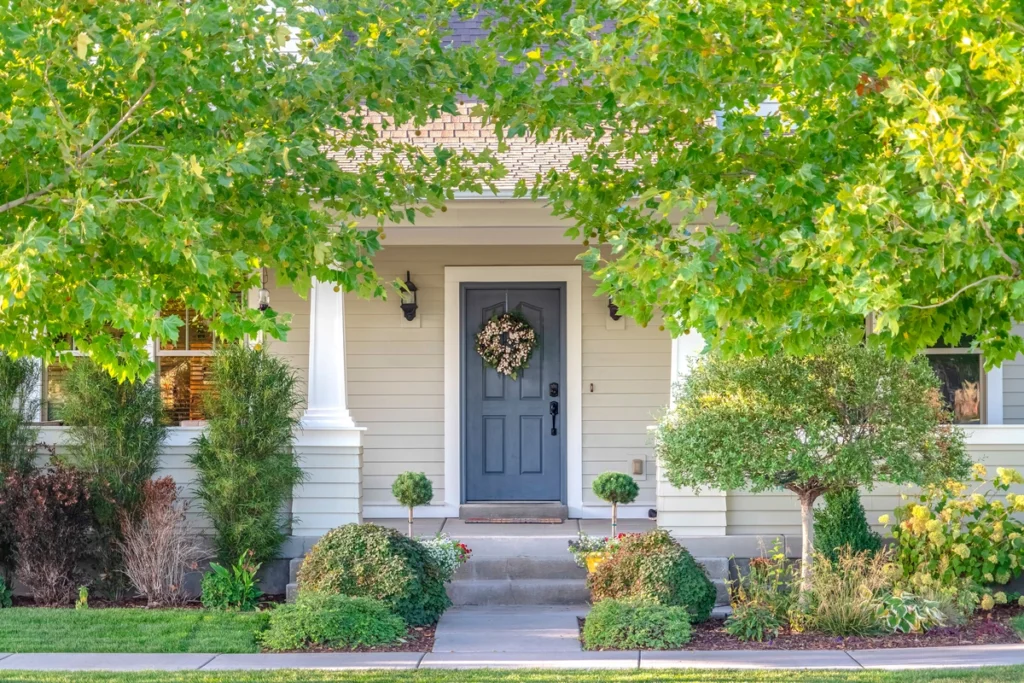
front door and trees

Replacing your front door doesn’t have to be a hassle. Instead, look forward to all of these benefits:

  • Enhanced Curb Appeal: A new front door can transform the look of your home, instantly boosting its curb appeal and making a positive first impression on visitors and potential buyers.
  • Improved Energy Efficiency: Modern front doors are designed with advanced insulation materials and tight sealing mechanisms, helping to reduce energy loss and lower your heating and cooling costs.
  • Enhanced Security: Upgrading to a high-quality, secure front door with features like reinforced locks and sturdy materials provides added protection against intruders, safeguarding your family and belongings.
  • Increased Home Value: A well-chosen front door replacement can significantly increase the resale value of your home, offering a high return on investment (ROI) compared to the cost of installation.
  • Personalized Style: With a wide range of materials, styles, and finishes available, replacing your front door allows you to express your personal taste and complement your home’s architectural style.

5 Different Types of Front Doors

Depending on your goals, you have options when it comes to your front door. Wondering what to choose? Here are some of the most popular types:

1) Wooden Doors:

Classic and timeless, wooden front doors offer warmth, charm, and durability. They can be stained or painted to match your home’s aesthetic and are available in various wood species, each with its unique characteristics.

2) Fiberglass Doors:

Fiberglass front doors are highly durable, energy-efficient, and low-maintenance. They can mimic the look of wood grain or come in smooth finishes, offering versatility in design and performance.

3) Steel Doors:

Steel front doors are renowned for their strength, security, and longevity. They provide excellent protection against forced entry and harsh weather conditions, making them ideal for homeowners prioritizing security and durability.

4) Glass Doors:

Glass front doors create a welcoming, light-filled entryway and can be customized with decorative glass panels for added elegance. However, they may require more maintenance and offer less privacy than solid doors.

5) Composite Doors:

Composite front doors combine the benefits of various materials, such as wood, fiberglass, and PVC, to offer strength, durability, and thermal efficiency. They are resistant to warping, cracking, and rotting, making them a popular choice for modern homes.

The Cost to Install a New Front Door

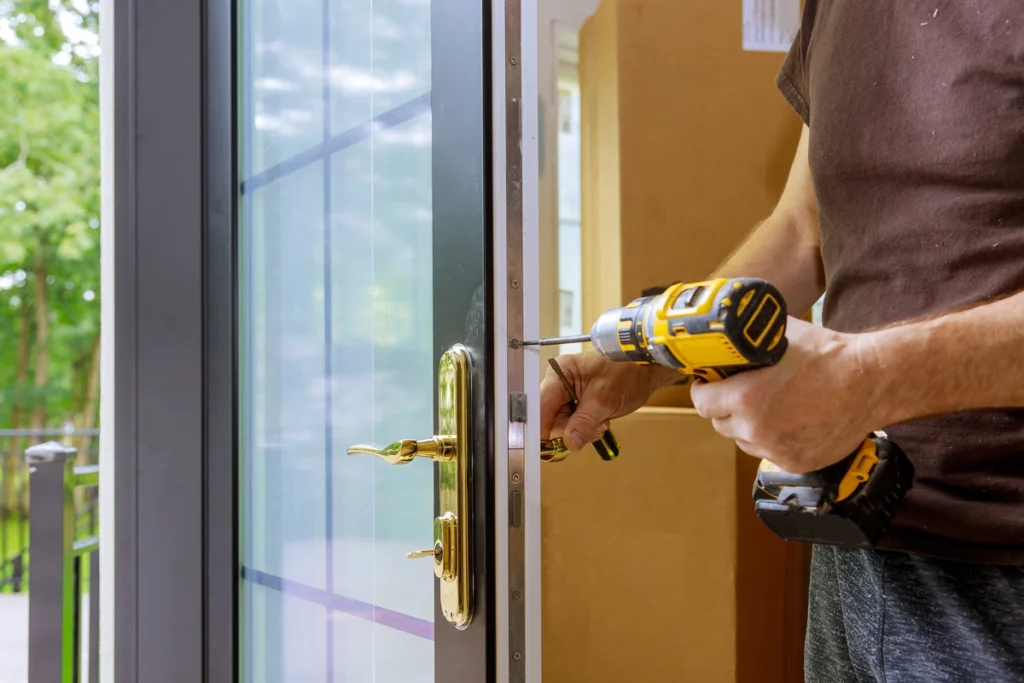
installing a front door

The cost of installing a new front door can vary depending on several factors, including the type of door, materials used, additional features, and installation complexity. Here’s a breakdown of the average costs involved:

  • Door Material: Wooden doors typically range from $500 to $2,000, fiberglass doors from $200 to $2,000, steel doors from $150 to $1,500, and glass doors from $500 to $5,000 or more, depending on the quality and customization options.
  • Additional Features: Upgrades such as decorative glass panels, sidelights, transoms, and hardware can increase the overall cost of your front door replacement project.
  • Installation Labor: Professional installation is recommended to ensure proper fitting, sealing, and security features. Installation costs typically range from $200 to $500 or more, depending on the complexity of the job.
  • Removal and Disposal: If you’re replacing an existing door, you’ll need to factor in the cost of removing and disposing of the old door, which can add $50 to $150 to your total expenses.
  • Total Cost: On average, homeowners can expect to pay between $500 and $5,000 for a new front door, including materials, labor, and additional features. Higher-end options and customizations may exceed this price range.

Do New Doors Add Value to Your Home?

Yes, investing in a front door replacement can add significant value to your home in several ways:

Improved Curb Appeal:

A stylish, well-maintained front door enhances the overall appearance of your home, making it more attractive to potential buyers and increasing its perceived value.

Enhanced Security:

Upgrading to a high-quality, secure front door provides added peace of mind for homeowners and is a desirable feature for prospective buyers concerned about home security.

Energy Efficiency:

Energy-efficient front doors help reduce heating and cooling costs, which can be a selling point for eco-conscious buyers looking to minimize their environmental footprint and utility expenses.

First Impression:

Your front door is one of the first things visitors notice about your home. A well-chosen, well-maintained door sets a positive first impression and can influence a buyer’s perception of the property’s overall quality and value.

Return on Investment (ROI):

Front door replacement consistently ranks among the top home improvement projects with a high ROI. According to Remodeling Magazine’s Cost vs. Value report, homeowners can recoup a significant portion of their investment when selling their home.

How Long Will Your Door Last?

The lifespan of a front door depends on various factors, including the quality of materials, installation, maintenance, and environmental conditions. Here’s a general guideline for the expected lifespan of different types of front doors:

  • Wooden Doors: With proper maintenance, including regular painting or staining and sealing, wooden front doors can last 30 years or more. However, they may require more upkeep to prevent warping, rotting, and termite damage.
  • Fiberglass Doors: Fiberglass front doors are durable and resistant to wear and tear, with a lifespan of 15 to 20 years or more. They require minimal maintenance and are less susceptible to warping, cracking, and rotting compared to wood.
  • Steel Doors: Steel front doors are exceptionally durable and can last 30 years or more with proper care. They are resistant to dents, scratches, and rust, making them ideal for high-traffic areas and harsh weather conditions.
  • Glass Doors: Glass front doors may have a shorter lifespan of 10 to 15 years due to the risk of glass breakage and sealant degradation. Regular maintenance, such as cleaning and sealing, can help prolong their lifespan.
  • Composite Doors: Composite front doors are engineered for durability and longevity, with a lifespan of 25 years or more. They offer the look of wood without the maintenance requirements and are resistant to rotting, warping, and insect damage.

Professional Exterior Door Installation

Your front door plays a crucial role in your home’s security, energy efficiency, and curb appeal. Recognizing the signs that it’s time for a replacement and understanding the benefits of upgrading can help you make an informed decision.

Whether you opt for a classic wooden door, a sleek fiberglass design, or a sturdy steel entryway, investing in a new front door is an investment in your home’s value, comfort, and style.If you’re considering a new interior or exterior door for your home, Open Box Roofing is here to help. Call us today to learn about the cost to install exterior doors on your home!

Your front door is more than just an entry point; it’s the gateway to your home’s style, security, and energy efficiency. Choosing the right material for your front door is crucial for both aesthetics and functionality.

In this blog post, we’ll explore everything you need to know about selecting the best material for front door installations, including:

  • Why regular replacement is essential
  • The impact of material choice
  • Popular options
  • Cost considerations
  • Longevity expectations

Why Regularly Replace Your Front Door?

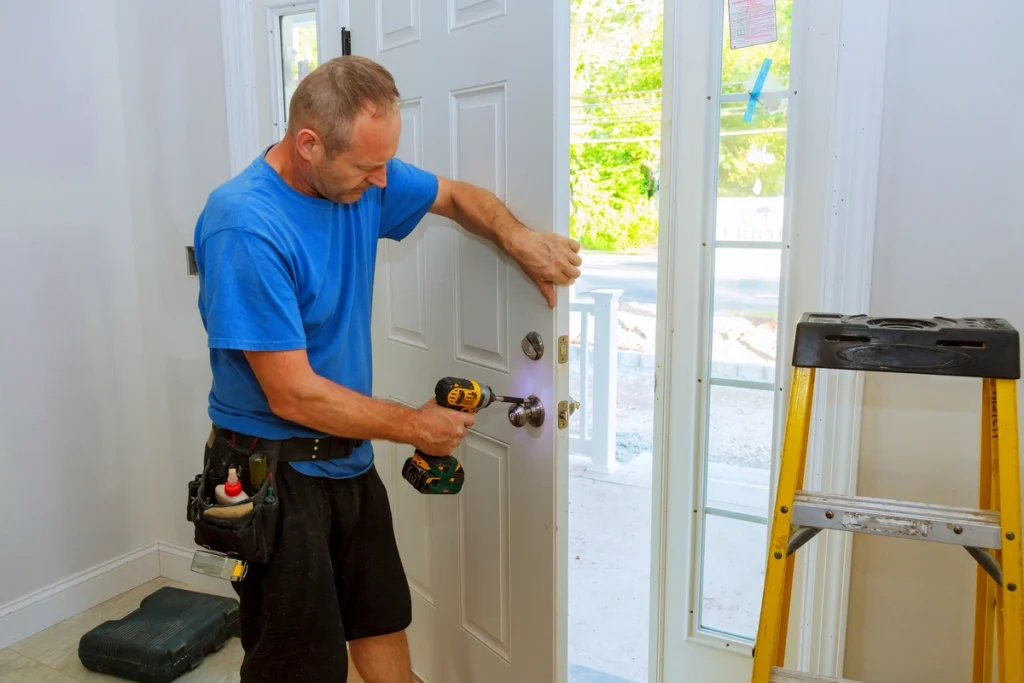
man replacing a door

Your front door endures constant exposure to the elements, daily use, and potential security threats. Over time, wear and tear can compromise its performance, appearance, and safety. Here are compelling reasons why regular door replacement is crucial:

  • Enhanced Security: Old doors may have weakened locks or structural vulnerabilities, making your home susceptible to intruders.
  • Improved Energy Efficiency: Aging doors often develop drafts, leading to energy loss and higher utility bills.
  • Enhanced Curb Appeal: A worn-out door can detract from your home’s exterior aesthetics, impacting its overall value.
  • Better Insulation: Upgrading to a modern, well-insulated door can regulate indoor temperatures and reduce noise pollution.

Why the Material of Your Door Makes a Difference

The material of your front door significantly impacts its performance, durability, and visual appeal. Each material has unique characteristics that cater to different needs and preferences. Consider the following factors when evaluating door materials:

  • Security: Some materials offer superior strength and resistance to forced entry, enhancing your home’s security.
  • Insulation: The thermal properties of the material determine its ability to prevent heat transfer, affecting your home’s energy efficiency.
  • Aesthetics: Different materials provide varied textures, finishes, and design options, allowing you to achieve your desired look.
  • Maintenance: Certain materials require more upkeep than others, influencing the time and effort needed to preserve your door’s condition.

5 Popular Front Door Materials

Several materials are commonly used for front doors, each with its own set of advantages and considerations:

1) Wood:

Traditional and timeless, wooden doors offer warmth, elegance, and versatility in design. However, they may require regular maintenance to prevent warping, rotting, or fading.

2) Steel:

Highly durable and secure, steel doors are resistant to dents, cracks, and weather damage. They often feature a foam core for insulation and can be painted in various colors. However, they may be susceptible to rust if not properly maintained.

3) Fiberglass:

Combining the strength of steel with the aesthetics of wood, fiberglass doors are low-maintenance and highly customizable. They resist warping, cracking, and rotting, making them ideal for humid climates. However, they may be more expensive than other options.

4) Aluminum:

Lightweight and corrosion-resistant, aluminum doors are suitable for modern and contemporary designs. They require minimal maintenance and offer good insulation properties. However, they may not provide as much security as steel or solid wood.

5) Composite:

Made from a blend of materials, composite doors offer the benefits of wood and fiberglass without their drawbacks. They are durable, energy-efficient, and resistant to moisture and insects. However, they may be pricier than other options.

How to Choose the Right Material for You

Selecting the best material for your front door requires careful consideration of your priorities, budget, and local climate. Here’s a step-by-step guide to help you make an informed decision:

  • Assess Your Needs: Determine your priorities regarding security, insulation, aesthetics, and maintenance requirements.
  • Consider Your Budget: Establish a realistic budget for your door replacement project, factoring in material costs, installation fees, and any additional features or upgrades.
  • Evaluate Local Climate: Take into account the prevailing weather conditions in your area, such as humidity, temperature fluctuations, and exposure to wind or salt air.
  • Research Material Options: Explore the characteristics, pros, and cons of each material to identify the one that aligns best with your needs and preferences.
  • Consult with Professionals: Seek advice from reputable door manufacturers or contractors who can offer expert guidance based on your specific circumstances.
  • Review Warranty and Maintenance Requirements: Read the warranty terms and maintenance recommendations for each material to ensure long-term satisfaction and performance.

How Much Should You Expect to Spend?

The cost of replacing your front door can vary significantly depending on several factors, including the chosen material, door size, style, and additional features. Here’s a rough estimate of the average costs associated with each material:

  • Wood: $500 – $4,000
  • Steel: $200 – $1,500
  • Fiberglass: $150 – $3,000
  • Aluminum: $300 – $2,000
  • Composite: $500 – $2,500

It’s essential to obtain multiple quotes from different suppliers and contractors to ensure you’re getting a competitive price for your door replacement project.

How Long Will Your Door Last?

The longevity of your front door depends on various factors, including the material quality, installation technique, and maintenance regimen. Here’s a general lifespan expectancy for each material:

  • Wood: 30-50 years with proper maintenance
  • Steel: 20-30 years, depending on climate conditions and maintenance
  • Fiberglass: 20-30 years, with minimal maintenance
  • Aluminum: 15-30 years, depending on usage and environmental factors
  • Composite: 25-30 years, with minimal maintenance

Regular inspections, repairs, and upkeep can extend the lifespan of your front door and ensure optimal performance over the years.

Maintenance Tips

To preserve the beauty and functionality of your front door, follow these maintenance tips:

Regular Cleaning:

Wipe down your door with a mild detergent and water solution to remove dirt, dust, and grime.

Inspect for Damage:

Routinely check for signs of wear, such as cracks, dents, or peeling paint, and address any issues promptly.

️ Apply Protective Coatings:

Consider applying a fresh coat of paint or sealant every few years to protect the surface from moisture and UV damage.

Lubricate Hinges and Locks:

Keep hinges and locks well-lubricated to ensure smooth operation and prevent rust or corrosion.

⛈️ Weather Stripping Replacement:

Replace worn or damaged weather stripping to maintain proper insulation and energy efficiency.

Address Water Intrusion:

Fix any leaks or gaps around the door frame to prevent water intrusion and potential damage to the structure.

By following these maintenance guidelines, you can prolong the lifespan of your front door and enjoy its benefits for years to come.

Choose the Right Door Material With Our Help!

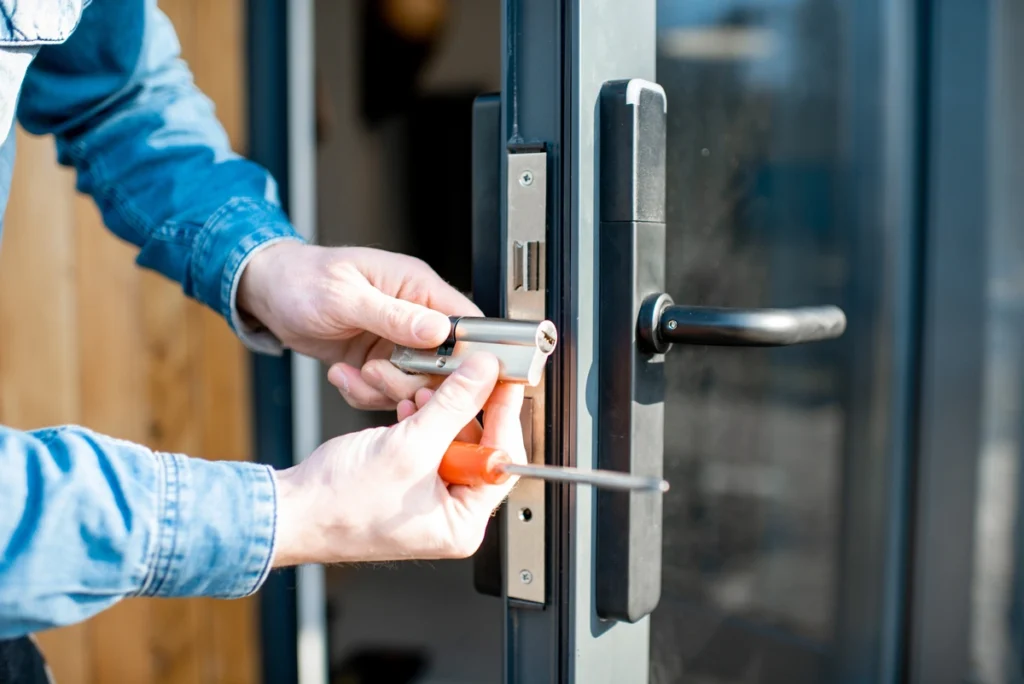
installing front door

Your front door is a vital component of your home’s security, energy efficiency, and curb appeal. Choosing the right material requires careful consideration of factors such as security, insulation, aesthetics, and maintenance requirements. With the right material and care, your front door will continue to welcome you home with style and security.

Whether you’re leaning towards wood doors, a steel door, or something else, Open Box Roofing can help you find the perfect door material for your home! Contact us today to get started.

Asset 500
Asset 60
Don’t Think, Just Call Pink!
Request a Free Quote

Ready to get started? Contact OpenBox Roofing today to schedule your free inspection and discover how our residential roofing services can protect your home.

Name
Asset 5 2